Monsoon Adventures: Embrace the Rains, Blow Your Mind!
The year was 2018. I was on a "dream trip" to Goa, India, meticulously planned for its famed sunny beaches. Then, the heavens opened. Not a gentle shower, but a torrential, relentless downpour that lasted for days. My initial reaction? Utter despair. My perfectly curated beach itinerary was dissolving faster than an ice cream cone in the sun. I sulked, I grumbled, I scrolled through Instagram feeds of others basking in sunshine, feeling utterly cheated.
But then, something shifted. Trapped indoors, I started talking to locals, truly listening to their stories. They spoke of the rain not as a nuisance, but as a life-giver, a time of vibrant renewal. They described landscapes transformed, waterfalls roaring with a power unseen in dry months, and a sense of calm that settled over everything once the crowds dispersed. Curiosity piqued, I decided to ditch my "ruined" plans and lean into the monsoon. What followed was a journey so profound, so visually stunning, and so authentically enriching, that it completely rewired my perception of travel.
That trip wasn't just good; it was mind-blowing. It taught me that the most extraordinary adventures often lie just beyond the comfort zone, in the seasons and places most people actively avoid. So, if you've ever dismissed monsoon travel, prepare to have your mind blown. We're about to unlock a world where rain isn't a problem, but the very essence of an unforgettable adventure.
The Unseen Beauty: Why Monsoon Travel is Actually Incredible (and Underrated)
Let's dismantle the myth: monsoon season isn't just about grey skies and soggy shoes. It's a symphony of senses, a vibrant canvas painted anew, and an opportunity for travel that offers unparalleled rewards.
1. Nature's Grand Revival: Imagine a world thirsty for months, suddenly quenched. The greens become impossibly vibrant, the air is scrubbed clean, and a thousand hidden streams burst forth into magnificent waterfalls. The "smell of rain" – petrichor – fills the air, a scent so earthy and invigorating it feels like nature's own perfume. Landscapes that were dusty and parched transform into lush, emerald paradises.
2. Escape the Crowds, Embrace Authenticity: This is perhaps the biggest draw. While everyone else is flocking to 'peak season,' you'll find popular destinations surprisingly quiet. This means shorter queues (or no queues!), easier access to attractions, and a genuine chance to connect with local culture without the tourist circus. You'll see daily life unfold, unburdened by mass tourism, offering a more authentic and intimate experience.
3. Budget-Friendly Bliss: Fewer tourists mean lower prices. Flights often drop significantly, accommodation rates plummet, and even local tours might offer better deals. Your travel budget stretches further, allowing for longer stays, more experiences, or simply more delicious local food. I've often found myself staying in boutique hotels for half the price they command in peak season – a true luxury on a backpacker's budget!
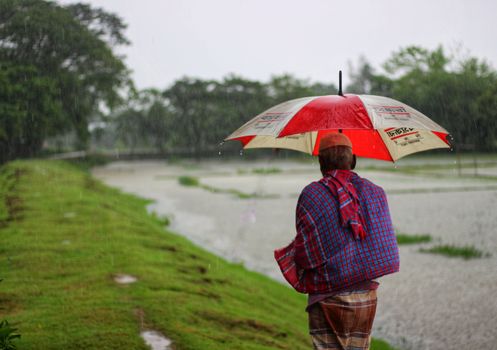
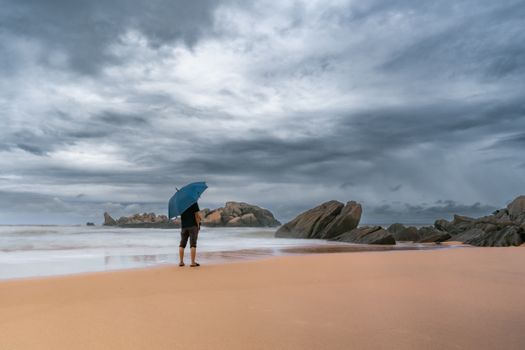
4. The Drama of the Elements: There's an undeniable romance and drama to monsoon travel. Misty mountains, dramatic skies, roaring rivers, and the rhythmic drumming of rain on a tin roof create an atmosphere unlike any other. For photographers, it's a dream – the soft, diffused light, the moody landscapes, and the vibrant colors offer endless opportunities for stunning shots that stand out from the typical sunny postcard.
Chasing Waterfalls & Roaring Rivers: Nature's Hydro-Spectacle
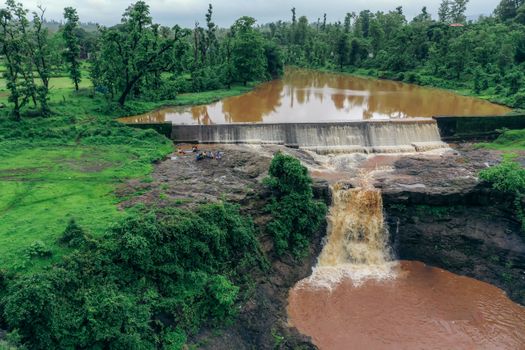
If there's one thing the monsoon season excels at, it's transforming gentle trickles into magnificent, thundering cascades. Waterfalls are undoubtedly the superstars of the rainy season, and witnessing them in full glory is an experience that will leave you breathless.
My Anecdote: I'll never forget my trip to Cherrapunji, Meghalaya, India – one of the wettest places on Earth. In the dry season, the famed Nohkalikai Falls is impressive, but during the monsoon, it's a living, breathing entity. The sheer volume of water plunging into the emerald pool below created a roar that vibrated through my chest. Mist rose hundreds of feet, drenching everything in a cool spray. Standing there, soaked to the bone but grinning ear-to-ear, I felt utterly insignificant and yet completely alive. It wasn't just a sight; it was an immersive, full-body experience.
Where to Go & What to Expect:
- Cherrapunji & Meghalaya, India: As mentioned, this region is monsoon central. Beyond Nohkalikai, explore Seven Sisters Falls, Dainthlen Falls, and the unique living root bridges which thrive in the damp conditions. Expect heavy rain, but also incredible natural beauty and a vibrant tribal culture. Budget for local jeeps or hired cars for transport.
- Western Ghats, India: From the misty hills of Lonavala and Khandala near Mumbai to the coffee plantations of Coorg and the biodiversity hotspots of Agumbe and Munnar, the Western Ghats come alive. Waterfalls like Dudhsagar (Goa/Karnataka border) are monumental. Trekking to lesser-known falls after a fresh downpour is pure magic.
- Kuang Si Falls, Laos: While Laos's monsoon is less extreme than India's, Kuang Si near Luang Prabang swells to magnificent levels, with its turquoise pools still inviting for a dip (though currents can be stronger). The surrounding jungle is incredibly lush.
- Bali, Indonesia: During its wet season (roughly October to March), Bali's waterfalls like Sekumpul and Tegenungan are at their most powerful. The rice paddies are also a vibrant green.
Practical Tips for Waterfall Chasing:
- Waterproof Everything: A good rain jacket, waterproof backpack cover, and waterproof phone pouch are non-negotiable.
- Sturdy Footwear: Trails can be slippery and muddy. Hiking sandals with good grip or waterproof hiking shoes are essential.
- Local Guides: In some areas, local guides are invaluable for navigating tricky trails and ensuring safety, especially after heavy rains.
- Check Conditions: Always inquire locally about recent rainfall and potential flash flood warnings, especially for river crossings or canyoning.
Trekking Through Emerald Jungles: A Hiker's Paradise
While some major high-altitude treks might be off-limits due to snow or extreme conditions, many lower-altitude trails and jungle treks become incredibly rewarding during the monsoon. The air is cool, the forest floor is alive, and the experience is intensely sensory.
My Anecdote: My first monsoon trek was in the Western Ghats, near a small village called Agumbe. The path was a muddy ribbon winding through dense rainforest, dripping with moisture. Leeches were definitely a challenge (more on that below!), but the rewards were immense. We saw vibrant green frogs camouflaged perfectly on wet leaves, heard the calls of unseen birds, and stumbled upon a hidden waterfall that felt like our own private discovery. The effort of navigating the slippery terrain only amplified the feeling of accomplishment. And the hot chai at the end? Unbeatable.
Where to Go & What to Expect:
- Western Ghats, India: Again, this region shines. Treks around Agumbe, Munnar, and Coorg offer trails through shola forests, tea plantations, and stunning viewpoints often shrouded in mist. Look for trails to lesser-known forts or viewpoints.
- Borneo, Malaysia/Indonesia: Rainforests here thrive in the wet season. While some areas might be too wet, others offer incredible opportunities for wildlife spotting (orangutans, pygmy elephants, diverse birdlife) when the forest is at its most vibrant.
- Costa Rica: The "green season" (May to November) is when Costa Rica truly lives up to its name. Rainforests are lush, and wildlife is abundant. While it rains, it often comes in predictable afternoon bursts, leaving mornings clear for exploration.
- Lower Annapurna Circuit, Nepal: While high passes are snowbound, lower sections of the Annapurna region offer beautiful monsoon treks through terraced fields and traditional villages. The views of rain-washed peaks, when they occasionally peek through the clouds, are legendary.
Practical Tips for Monsoon Trekking:
- Leech Socks/Repellent: Seriously, invest in leech socks or carry strong insect repellent with DEET. They're part of the monsoon jungle experience!
- Quick-Dry Clothing: Synthetics are your friend. Cotton stays wet forever.
- Trail Knowledge: Always trek with experienced guides or locals who know the terrain and current conditions. Trails can change rapidly with heavy rain.
- Hydration & Snacks: Even in cool, wet weather, staying hydrated is crucial. Carry energy-rich snacks.
- First Aid Kit: Essential for minor scrapes, blisters, and insect bites.
Cultural Immersion & Cozy Retreats: Beyond the Outdoors
Monsoon travel isn't just about battling the elements; it's also an incredible opportunity for slow travel, deep cultural immersion, and embracing cozy moments. When the rain comes down, it's an invitation to pause, observe, and connect on a different level.
My Anecdote: In Hoi An, Vietnam, during a particularly heavy afternoon downpour, I found myself sheltering in a tiny, unassuming café. Instead of rushing off, I ordered a Vietnamese coffee, watched the lanterns glow brighter against the wet streets, and chatted with the owner about his family's history in the town. It was a simple moment, but it felt incredibly authentic and grounding – far more memorable than any whirlwind tour. The rain forced me to slow down, to truly be in the moment, and that's when the magic happened.
Where to Go & What to Expect:
- Kerala Backwaters, India: Imagine cruising on a traditional houseboat (kettuvallam) through serene backwaters, the gentle patter of rain on the thatched roof, surrounded by lush greenery. It's incredibly peaceful and romantic. The Ayurvedic treatments are also particularly potent during the monsoon.
- Hoi An, Vietnam: The ancient town of Hoi An becomes even more atmospheric during the rainy season. The lantern-lit streets reflect on wet cobblestones, creating stunning photo opportunities. Spend time in cafes, take a cooking class, or get custom tailoring done.
- Kyoto, Japan: While Japan's rainy season isn't always monsoon-level, it brings a serene, misty beauty to its temples and gardens. The moss gardens of Saiho-ji or the bamboo groves of Arashiyama take on an ethereal quality. Enjoy traditional tea ceremonies or soak in an onsen.
- Ubud, Bali, Indonesia: The spiritual heart of Bali is stunningly green during the wet season. Practice yoga, indulge in spa treatments, explore art galleries, or simply relax in a villa overlooking emerald rice paddies, listening to the rain.
Practical Tips for Cultural Immersion:
- Embrace Local Transport: Take a local bus, train, or even a tuk-tuk in the rain. It's an experience in itself and often leads to unexpected encounters.
- Learn a Few Phrases: "Hello," "thank you," and "delicious" in the local language go a long way.
- Try Local Cuisine: Warming soups, spicy curries, and hot beverages are perfect for rainy days.
- Visit Museums & Temples: These are often less crowded and offer a fantastic way to spend a rainy afternoon.
Wildlife Wonders: A Different Perspective
Many animals thrive in the monsoon season. The refreshed vegetation provides ample food, and the cooler temperatures can make them more active. Wildlife spotting takes on a new, vibrant dimension.
My Anecdote: During a safari in a national park in Sri Lanka during their shoulder season (which often sees some rain), we were initially disappointed by a sudden downpour. But as the rain eased, the jungle floor came alive. We spotted a herd of elephants grazing contentedly, their skin shining wetly, a sight so much more dramatic than under a harsh sun. Peacocks fanned their iridescent tails, their calls echoing through the damp air. The vibrant greens provided a stunning backdrop, making every sighting feel like a gift.
Where to Go & What to Expect:
- Periyar National Park, Kerala, India: Known for its elephants, tigers, and diverse birdlife. The boat safaris on Periyar Lake during the monsoon are particularly scenic, with mist-shrouded hills and lush forests.
- National Parks of Sri Lanka (Udawalawe, Yala): While Yala can be a bit tricky with road conditions, Udawalawe is often great for elephant sightings even in the wet season. The landscapes are incredibly green and vibrant.
- Costa Rica: The rainforests are teeming with life. Sloths, monkeys, toucans, and vibrant frogs are more active and easier to spot amidst the dense, wet foliage.
- Amazon Rainforest (various countries): The Amazon's wet season means higher water levels, which allows for deeper exploration by boat into flooded forests, bringing you closer to arboreal wildlife.
Practical Tips for Wildlife Spotting:
- Binoculars: Essential for spotting animals amidst dense foliage.
- Patience: Wildlife spotting always requires patience, but the rewards in monsoon are often stunning.
- Ethical Tours: Always choose reputable tour operators who prioritize animal welfare and responsible tourism.
- Don't Disturb: Maintain a respectful distance and avoid making loud noises.
Budgeting & Logistics: Making Monsoon Travel Smooth
Venturing into the monsoon requires a bit more planning than your average sunny getaway, but the rewards are well worth it.
1. Packing Smart is Key:
- Waterproof Outerwear: A high-quality, lightweight rain jacket and waterproof pants.
- Quick-Dry Clothing: Synthetics, merino wool. Avoid cotton.
- Sturdy, Waterproof Footwear: Hiking boots or good quality waterproof sandals with excellent grip.
- Waterproof Bags/Covers: Backpack cover, dry bags for electronics, waterproof phone pouch.
- Insect Repellent: With DEET for tropical areas.
- First Aid Kit: Band-aids, antiseptic, pain relievers, anti-diarrhea meds, any personal prescriptions.
- Small Umbrella: For light showers or navigating towns.
- Torch/Headlamp: Power cuts can happen.
- Power Bank: For charging devices.
2. Accommodation & Transport:
- Book Flexibly: While crowds are fewer, some remote areas might have limited options. Look for places with good reviews for cleanliness and amenities that can handle rain (e.g., covered common areas).
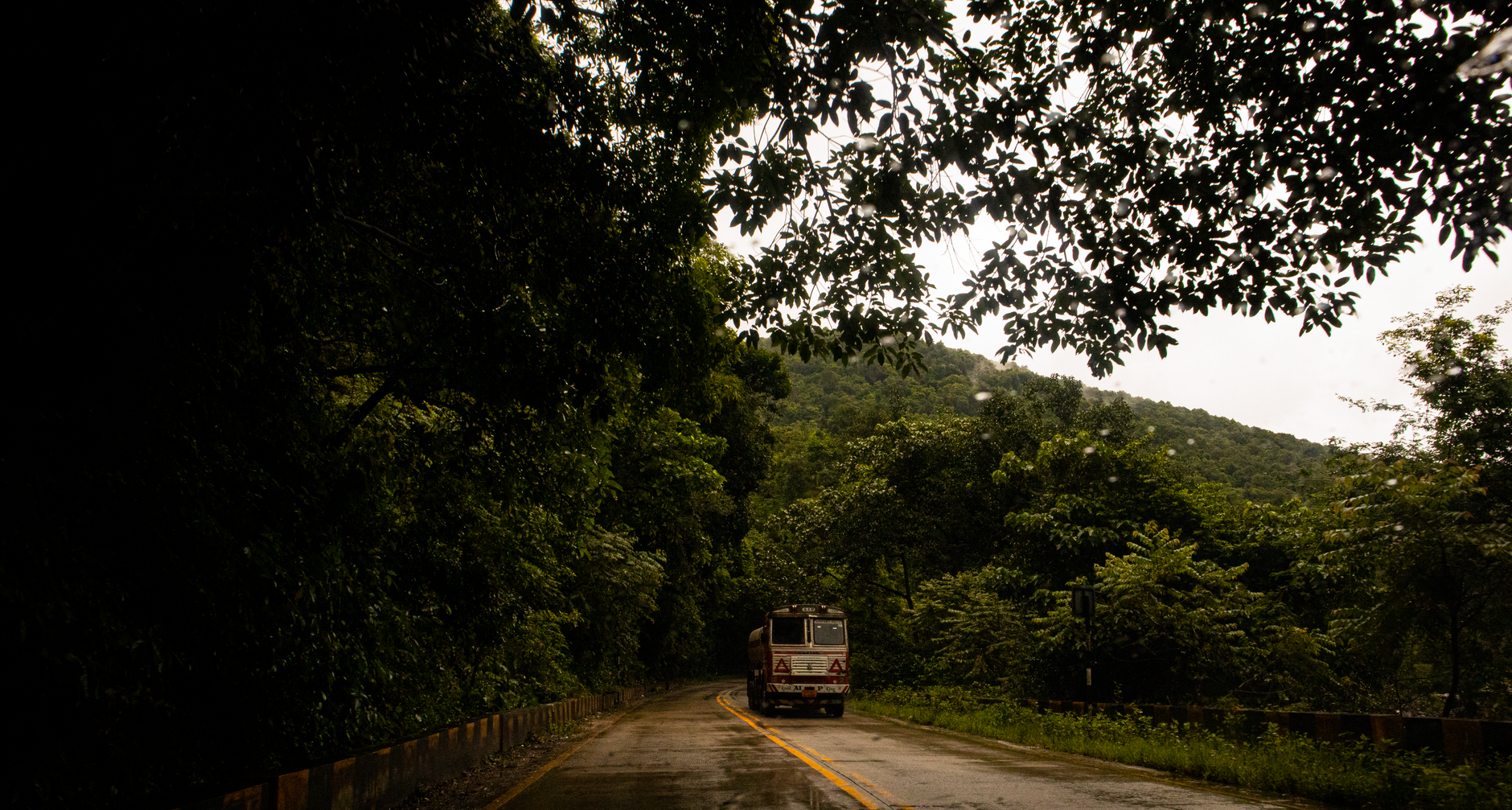
- Expect Delays: Roads can be slippery, flights might be delayed, and ferry services sometimes suspended. Build buffer time into your itinerary and embrace flexibility.
- Local Knowledge: For road conditions or public transport, always ask locals or your accommodation hosts for the most up-to-date information.
3. Health & Safety:
- Stay Hydrated: Even when it's cool, humidity can lead to dehydration.
- Food & Water Safety: Be extra vigilant with street food and water sources. Stick to bottled water or use a water filter.
- Leeches & Insects: Be prepared. Check yourself regularly after treks.
- Flash Floods/Landslides: In mountainous regions, be aware of local warnings and always follow advice from authorities. Avoid venturing into areas known for such risks.
- Travel Insurance: Absolutely essential. Ensure it covers adventure activities and potential trip interruptions due to weather.
4. Embrace the Pace: Monsoon travel often forces a slower pace, and that's a beautiful thing. It encourages you to linger longer, observe more deeply, and truly immerse yourself in the present moment. Don't try to cram too much in; let the rain dictate your rhythm.
Conclusion: Don't Just Avoid It, EMBRACE It!
My "ruined" Goa trip turned into one of my most cherished travel memories, all because I chose to lean into the unexpected. Monsoon season travel isn't about enduring bad weather; it's about discovering a different, often more profound, side of the world. It's about witnessing nature's raw power and serene beauty in equal measure. It's about finding authenticity when the crowds have gone home. It's about the feeling of cool mist on your face, the roar of a thousand waterfalls, and the quiet satisfaction of a journey truly earned.
So, the next time the travel bug bites, and you see "monsoon season" listed, don't just scroll past. Consider it an invitation. An invitation to challenge your perceptions, to step off the beaten path, and to experience adventures that will truly blow your mind.
What's your monsoon adventure dream? Have you ever embraced the rainy season for travel? Share your stories and plans in the comments below! Let's inspire each other to chase the storm, not run from it!
---