Monsoon Magic: Unveiling Trending Rainy Season Adventures Most People Avoid (But Shouldn't!)
I used to be one of those travelers. The ones who meticulously planned every trip around peak season, chasing endless sunshine and picture-perfect blue skies. Monsoon? That was the season for Netflix binges and dreaming of brighter days. The thought of mud, incessant rain, and potential travel disruptions was enough to send shivers down my spine.
Then came the trip that changed everything. A last-minute, slightly impulsive decision to visit Wayanad, Kerala, in the heart of July. My friends thought I was mad. "You'll be stuck indoors!" they warned. But something in me craved a different kind of adventure. And oh, what an adventure it was. The moment I stepped out of the car, the air was thick with the scent of wet earth and blooming jasmine. The hills, usually a dry brown, had transformed into a riot of emerald green, alive with the sound of unseen streams and the constant whisper of rain. I remember standing by a gushing waterfall, mist kissing my face, feeling more alive and connected to nature than ever before. It wasn't just a trip; it was a revelation.
That's when I realized: while most people are running from the monsoon, a growing tribe of savvy travelers is running towards it. They're discovering that the rainy season isn't just a challenge to be endured; it's an opportunity to witness destinations in their most authentic, vibrant, and often, most beautiful state. And trust me, these monsoon season adventures are not only trending but are about to redefine your entire travel narrative.
So, pack your waterproofs, ditch your inhibitions, and let's dive into the extraordinary world of monsoon travel!
1. The Symphony of Emerald: Chasing Gushing Waterfalls & Verdant Treks
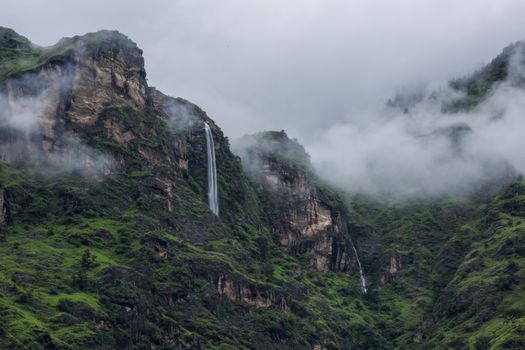
If there's one thing the monsoon season guarantees, it's water, and lots of it. This means waterfalls that were mere trickles in summer transform into roaring, majestic giants, and landscapes that were parched and dusty burst into an intense, almost fluorescent green. This isn't just a sight; it's an immersive experience.
Why it's trending: Imagine standing dwarfed by a powerful cascade, the air thick with mist, the roar of water a primal symphony. Trekking through rainforests where every leaf glistens, and the scent of damp earth fills your lungs. These are moments of pure, unadulterated nature that peak season simply can't offer. Plus, fewer crowds mean you often have these natural wonders almost entirely to yourself.
My Anecdote: I'll never forget my trek to Dudhsagar Falls on the Goa-Karnataka border. We hired a local jeep, bumping along a muddy, unpaved track through dense jungle. The initial apprehension about the mud quickly gave way to exhilaration. When we finally reached a vantage point, the sight took my breath away. The "Sea of Milk" – as its name translates – truly lived up to it, cascading down multiple tiers, framed by an impossibly green forest. The rain was sporadic, adding to the drama, and the railway track cutting across the falls added a surreal touch. It felt like stepping into a National Geographic documentary.
Where to go & What to Expect:
- Dudhsagar Falls, Goa/Karnataka, India: Best visited post-monsoon or during the tail end for accessibility, but even during the peak, the sheer volume of water is mesmerizing. Expect jeep safaris through muddy tracks (around INR 1500-2000 per person for a shared jeep, plus entry fees) and a short trek.
- Athirappilly Falls, Kerala, India: Known as the "Niagara of India," these wide, powerful falls are stunning during monsoon. You can easily access viewpoints and even trek down to the base. Entry is around INR 40-50.
- Jog Falls, Karnataka, India: India's second-highest plunge waterfall, Jog Falls is a spectacular sight when the Sharavathi River is full. Viewpoints are well-maintained, and the sheer scale is awe-inspiring.
- Nohkalikai Falls, Meghalaya, India: In the wettest place on Earth, Cherrapunji, Nohkalikai plunges dramatically into a blue-green pool. The surrounding misty hills create an ethereal landscape.
Practical Tips:
- Gear Up: Invest in a good quality waterproof jacket, quick-dry trekking pants, and waterproof hiking shoes with excellent grip. A waterproof backpack cover is a lifesaver.
- Safety First: Trails can be slippery. Consider hiring a local guide, especially for less-trodden paths. Always check local weather advisories and water levels before embarking on a trek.
- Embrace the Mud: It's part of the adventure! Don't let a little dirt deter you.
- Capture the Magic: A waterproof phone pouch or a GoPro is perfect for capturing those Instagram-worthy misty waterfall shots without risking your gear.
2. Whispers in the Wilderness: Unforgettable Wildlife Encounters
While many believe wildlife spotting is best in dry seasons when animals congregate around water sources, the monsoon offers a completely different, often more intimate, experience. The jungles are vibrant, the air is clean, and the animals, invigorated by the rains, are active and often less wary of human presence due to fewer tourists.
Why it's trending: The lush, dense foliage creates a magical backdrop for spotting creatures. The sounds of the jungle intensify – the chirping of crickets, the croaking of frogs, the rustle of leaves – making you feel truly immersed in nature's rhythm. You might spot deer grazing in emerald meadows, elephants enjoying a mud bath, or exotic birds flitting through glistening trees.
My Anecdote: During my Wayanad trip, we went on a jeep safari through the Muthanga Wildlife Sanctuary. The forest was so green it almost hurt my eyes. The highlight wasn't spotting a tiger (though that would have been incredible!), but rather a herd of elephants bathing in a rain-swollen river, their trumpets echoing through the mist. Later, we saw a Malabar giant squirrel, its vibrant colors popping against the wet leaves. It felt less like a tourist activity and more like observing a secret world. The quietness, broken only by the rain and animal sounds, was profound.
Where to go & What to Expect:
- Periyar National Park, Kerala, India: Famous for elephants, tigers, and a wide variety of birds. Boat safaris on Periyar Lake during monsoon offer excellent viewing opportunities with fewer boats. Entry is around INR 450 for foreigners, boat safaris extra (approx. INR 250).
- Bandipur National Park, Karnataka, India: Home to tigers, leopards, elephants, and deer. While some trails might be closed, the main safari routes often remain open, offering stunning views of animals against lush landscapes. Safari costs vary, usually around INR 300-500 for shared jeep.
- Jim Corbett National Park, Uttarakhand, India: While some zones close, others like Jhirna and Dhela remain open year-round. The greenery is spectacular, and it's a great time for birdwatching. Safaris usually cost around INR 4000-5000 per jeep (up to 6 people).
- Kaziranga National Park, Assam, India: While parts might be flooded during heavy monsoon, the fringes and higher grounds still offer chances to spot the one-horned rhinoceros in its green habitat. Check specific zone accessibility.
Practical Tips:
- Patience is Key: Wildlife spotting requires patience. The dense foliage can make it harder, but also more rewarding when you do spot something.
- Binoculars & Camera: Essential for getting a closer look and capturing distant shots. Ensure your camera gear is protected from rain.
- Muted Clothing: Blend in with nature to increase your chances of spotting animals.
- Respect Wildlife: Maintain a safe distance and follow your guide's instructions.
- Check Ahead: Always confirm which safari zones are open and operational during the specific monsoon period you plan to visit.
3. Cultural Canvas: Unveiling Heritage Sites & Local Life in a New Light
Monsoon season transforms historical sites and cultural hubs into dramatic, atmospheric settings. The crowds thin out, the air is cooler, and the rain adds a melancholic beauty, reflecting off ancient stones and bringing out the vibrant colors of local life.
Why it's trending: Imagine exploring ancient ruins without hordes of tourists jostling for space, or wandering through old town streets where the reflections of colorful buildings shimmer in puddles. Local festivals often take on a unique charm, and the opportunity to engage with communities is higher when the pace of life slows down. Plus, the dramatic skies make for incredible photography.
My Anecdote: My trip to Hampi, Karnataka, during a mild monsoon was unexpectedly magical. The usually scorching sun was replaced by soft, diffused light, and the iconic boulder-strewn landscape was a vibrant green. We rented bicycles (yes, even in the rain!) and explored the Virupaksha Temple and Vittala Temple without the usual throngs. The rain would come and go, washing the ancient stones clean, making the carvings seem more defined. I remember sheltering under a banyan tree, sipping hot chai from a local vendor, watching the rain fall on the Tungabhadra River – a moment of pure, unadulterated peace.
Where to go & What to Expect:
- Hampi, Karnataka, India: Less crowded, cooler weather, and the green landscape dramatically contrasts with the golden boulders. Rent a moped or bicycle (INR 150-300/day). Entry to monuments like Vittala Temple around INR 500 for foreigners.
- Udaipur, Rajasthan, India: The "City of Lakes" truly comes alive when its lakes are full. The palaces appear even more majestic against grey skies, and the city takes on a romantic, almost ethereal glow. Enjoy boat rides on Lake Pichola (around INR 400-800).
- Fort Kochi, Kerala, India: The rain adds to the colonial charm of Fort Kochi. Explore art galleries, cozy cafes, and Chinese fishing nets with fewer tourists. It's a great time for photography and soaking in the relaxed atmosphere.
- Orchha, Madhya Pradesh, India: A hidden gem with stunning palaces and temples along the Betwa River. Monsoon makes the surrounding Bundelkhand landscape incredibly lush and dramatic, enhancing the beauty of the ancient architecture.
Practical Tips:
- Waterproof Your Gear: Especially if you're a photographer. A good camera bag and rain cover are crucial.
- Comfortable Footwear: Opt for sandals or shoes that can handle getting wet and offer good grip on potentially slippery surfaces.
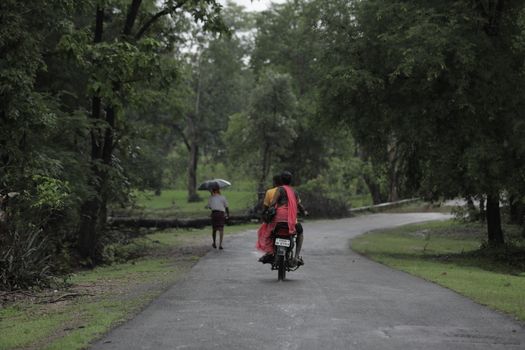
- Embrace Local Transport: Auto-rickshaws or local buses can be an adventure in themselves during the rains.
- Seek Shelter: Duck into local cafes, art galleries, or shops during heavy downpours – it's a great way to discover hidden gems and interact with locals.
- Check Festival Calendars: Some unique local festivals might occur during the monsoon, offering a deeper cultural insight.
4. The Monsoon Munchies: A Culinary Journey of Comfort & Warmth
Monsoon season is synonymous with comfort food. The cool, damp weather creates the perfect craving for hot, spicy, and hearty dishes. This is the time to dive deep into local culinary traditions, where seasonal ingredients shine, and street food stalls become beacons of warmth and flavor.
Why it's trending: Forget salads and cold drinks; monsoon calls for steaming curries, crispy pakoras, aromatic chai, and soul-satisfying broths. It's a chance to experience the true gastronomic heart of a region, often in cozy, atmospheric settings with fewer tourists.
My Anecdote: My most memorable monsoon meal was in Mumbai. The city gets notoriously wet, but its spirit remains undampened. I found myself sheltering from a sudden downpour under a small street food stall, sharing a plate of piping hot vada pav (potato fritter in a bun) with a group of locals. The spicy green chutney, the soft bun, the crispy vada – it was pure bliss. Each bite was a burst of flavor and warmth, perfectly countering the cool, damp air. That simple meal, amidst the chaos and beauty of Mumbai monsoon, felt more authentic and delicious than any fine-dining experience.
Where to go & What to Expect:
- Mumbai, Maharashtra, India: The street food scene thrives in monsoon. Vada pav, bhajias (fritters), pani puri, and hot chai are absolute must-tries. Expect bustling stalls and a lively atmosphere. A plate of vada pav costs around INR 20-30.
- Goa, India: While known for beaches, Goan cuisine truly shines during monsoon. Think spicy fish curries, prawn balchao, and local Feni (cashew apple liquor) to warm you up. Many shacks close, but local restaurants offer authentic fare. A good meal can cost anywhere from INR 300-800.
- Kerala, India: Indulge in traditional sadya (a vegetarian feast served on a banana leaf), rich fish curries with coconut milk, and the famous kappa (tapioca) with fish curry. The backwater houseboats often offer special monsoon menus.
- Darjeeling/Gangtok, Northeast India: The cool, misty weather is perfect for momos, thukpa (noodle soup), and steaming cups of local tea. The cozy cafes offer stunning views of the rain-kissed mountains.
Practical Tips:
- Local Eateries: Prioritize small, local restaurants and street food stalls (ensure they look clean and have high turnover). This is where the real flavors are.
- Hygiene First: While street food is amazing, always exercise caution. Look for freshly prepared food served hot.
- Ask Locals: Don't be shy to ask locals for their favorite monsoon dishes and where to find them.
- Spice it Up: The monsoon is the perfect time to experiment with spicy dishes – they help warm you from the inside out!
5. Rejuvenation in the Rain: Wellness & Ayurvedic Retreats
The monsoon season, particularly in places like Kerala, is traditionally considered the ideal time for Ayurvedic treatments and wellness therapies. The cool, humid climate is believed to open up the body's pores, allowing oils and herbs to penetrate deeper, maximizing the benefits of detoxification and rejuvenation.
Why it's trending: Escaping the frantic pace of modern life for a serene retreat amidst lush, rain-washed nature is the ultimate form of self-care. It's about disconnecting to reconnect, finding inner peace while the world outside is cleansed by the rain. Fewer tourists also mean more personalized attention and a truly tranquil environment.
My Anecdote: After a particularly hectic period, I booked myself into an Ayurvedic resort in Kovalam, Kerala, during late August. The rhythmic pitter-patter of rain on the tiled roof, the scent of medicinal herbs, and the soothing sound of the ocean created an unparalleled sense of calm. My daily massages, yoga sessions overlooking the rain-kissed gardens, and personalized diet felt like a profound reset. I returned home feeling not just relaxed, but deeply renewed, as if the monsoon had washed away all my stress.
Where to go & What to Expect:
- Kerala, India: The birthplace of Ayurveda, Kerala boasts numerous world-class Ayurvedic resorts and wellness centers. Expect personalized treatment plans, traditional massages (Panchakarma), yoga, meditation, and healthy, sattvic food. Prices can range from mid-range (INR 5,000-10,000 per night) to luxury (INR 15,000+ per night) depending on the resort and program length.
- Rishikesh, Uttarakhand, India: Known as the "Yoga Capital of the World," Rishikesh offers ashrams and wellness centers that provide yoga, meditation, and spiritual retreats amidst the lush Himalayan foothills, which are particularly beautiful during monsoon.
- Goa, India: Beyond the parties, Goa has a growing number of serene yoga and wellness retreats, especially in North Goa (Mandrem, Arambol). The quiet monsoon season makes these even more appealing.
Practical Tips:
- Research Reputable Centers: Choose certified Ayurvedic centers or resorts with experienced practitioners.
- Consultation: Most retreats begin with a detailed consultation to tailor treatments to your specific needs.
- Embrace the Lifestyle: Be prepared to follow a specific diet and routine – it's all part of the healing process.
- Pack Light & Comfortable: Loose, comfortable clothing is ideal for treatments and relaxation.
- Digital Detox: Use this time to truly disconnect from screens and reconnect with yourself and nature.
6. The Photographer's Paradise: Capturing Monsoon's Mystique
For photographers, the monsoon season is an absolute dream. The unique light, dramatic skies, misty landscapes, vibrant greens, and reflective surfaces offer unparalleled opportunities for stunning, evocative imagery that simply cannot be replicated at any other time of year.
Why it's trending: Instagram feeds are increasingly filled with moody, atmospheric shots of rain-soaked landscapes, misty mountains, and vibrant street scenes. The monsoon provides a constant, ever-changing canvas for capturing raw beauty and emotional depth. It's about telling a story through light and shadow, texture and reflection.
My Anecdote: I once spent a week in Coorg, Karnataka, during a particularly heavy monsoon spell, armed with just my camera and a sturdy tripod. The challenge of protecting my gear was real, but the rewards were immense. I captured rolling hills shrouded in mist, coffee plantations glistening with raindrops, and the powerful Abbey Falls at its peak. The diffused light created incredible softbox effects, and the reflections in puddles added another dimension to my street photography in Madikeri town. Every frame felt like a painting, each one telling a story of nature's power and beauty. It was exhilarating to capture moments that felt so unique and fleeting.
Where to go & What to Expect:
- Meghalaya, India: The "Abode of Clouds" lives up to its name. Cherrapunji and Mawsynram offer misty landscapes, living root bridges (like the Double Decker Living Root Bridge in Nongriat, which is an epic trek), and stunning waterfalls, all perfect for dramatic photography.
- Western Ghats, India: From the hills of Munnar (Kerala) to Mahabaleshwar (Maharashtra) and Coorg (Karnataka), the entire range becomes a photographer's paradise with lush valleys, rolling hills, and numerous waterfalls.
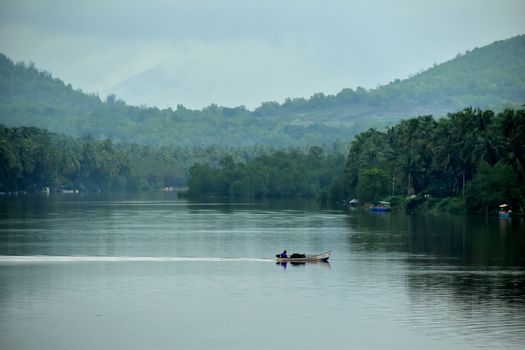
- Any Coastal Region: The dramatic storm clouds over the ocean, the crashing waves, and the vibrant fishing boats create powerful coastal imagery.
Practical Tips:
- Waterproof Your Kit: Essential! Rain covers for your camera, waterproof bags, and even a microfibre cloth to wipe lenses.
- Tripod: In low light and for capturing silky smooth waterfall shots, a sturdy tripod is indispensable.
- Focus on Details: Look for raindrops on leaves, reflections in puddles, textures of wet surfaces, and the play of light through mist.
- Embrace the Mood: Don't just chase sunny shots. Lean into the moody, atmospheric potential of the monsoon.
- Drone Photography: If you have a waterproof drone, the aerial views of rain-soaked landscapes are breathtaking. Always check local regulations.
General Tips for a Seamless Monsoon Adventure:
- Pack Smart: Quick-dry clothing, multiple pairs of socks, waterproof jacket and pants, sturdy waterproof shoes/sandals, insect repellent, a small umbrella, and a waterproof cover for your backpack are non-negotiable.
- Stay Healthy: Carry basic medicines for colds, fever, and stomach upsets. Drink only bottled or filtered water. Be extra cautious with street food hygiene. Mosquitoes are more prevalent, so use repellent diligently.
- Flexibility is Key: Weather can be unpredictable. Be prepared for slight delays or changes in plans. Embrace the spontaneity!
- Accommodation Check: Ensure your chosen accommodation is monsoon-ready – good drainage, no leaky roofs, and possibly heating options if you're in a cooler region.
- Local Insights: Engage with locals. They know the best routes, safe spots, and hidden gems during the rains.
Don't Just Dream It, Live It!
The monsoon season, once avoided, is now emerging as a secret passage to some of the most authentic, breathtaking, and soul-stirring travel experiences you can imagine. It’s a time when nature truly asserts its power and beauty, inviting us to slow down, listen, and marvel.
So, are you ready to trade the predictable for the profound? To swap crowded beaches for misty mountains, and scorching sun for refreshing rain? This trending wave of monsoon adventurers is discovering that the most rewarding journeys often lie beyond the path of least resistance.
Pack your bags, embrace the downpour, and redefine your travel narrative. Share your monsoon adventures with us using #TripsoraMonsoonMagic – we can't wait to see where the rain takes you!
---