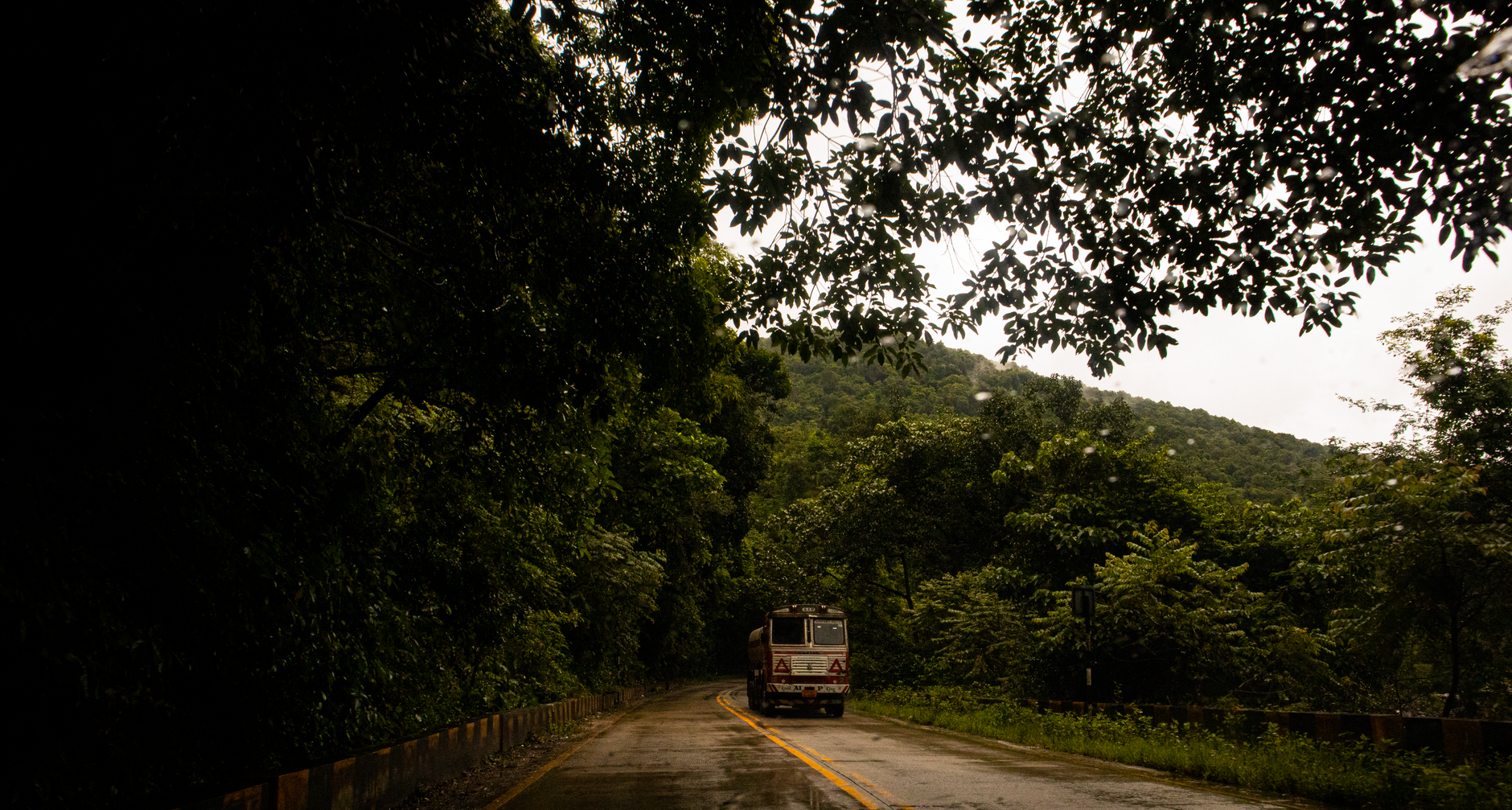
The year was 2018, and I was staring out of a rain-streaked window in a small guesthouse in Munnar, Kerala. The usually bustling tea plantations were shrouded in mist, the air thick with the scent of wet earth and fresh tea leaves. My initial plan for sunny hikes had dissolved into a constant drizzle, and a wave of traveler’s regret threatened to wash over me. I’d booked an off-season trip, hoping for fewer crowds and cheaper rates, but the monsoon had arrived with a vengeance.
Just as I was about to resign myself to a day of reading indoors, the guesthouse owner, a wizened old man named Raj, handed me a steaming cup of chai. “Don’t let the rain scare you, beta,” he chuckled, noticing my glum expression. “This is when Kerala truly lives. The mountains breathe, the forests sing. Come, I’ll show you a secret.”
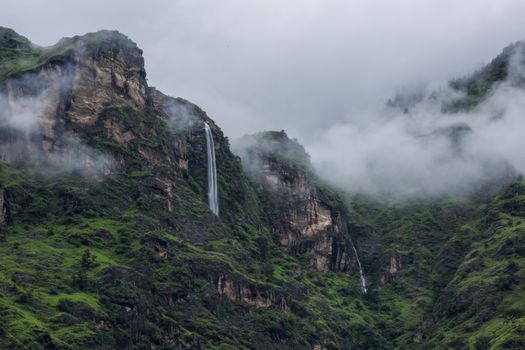
That afternoon, armed with a borrowed umbrella and a sense of hesitant curiosity, Raj led me down a muddy track, past gushing streams and through emerald-green tea bushes. We reached a waterfall I hadn't seen on any tourist map, thundering with a power I couldn’t have imagined in the dry season. The air was cool, the silence broken only by the roar of water and the chirping of unseen birds. There wasn’t another soul in sight. It was raw, wild, and utterly breathtaking.
That day changed my perspective forever. I realized I had stumbled upon a hidden truth: monsoon season travel, often avoided by the masses, is a goldmine of authentic experiences, unparalleled natural beauty, and genuine local connections. It's the secret locals cherish, the magic they protect from the tourist gaze. And today, I’m letting you in on it.
The Myth vs. The Magic: Why Monsoon Travel is Underrated
Most travel guides paint a bleak picture of the monsoon: incessant rain, flooded roads, leeches, and general misery. While it’s true that you’ll encounter rain, the reality is far from grim. The monsoon, particularly in tropical regions like India and Southeast Asia, isn’t a constant downpour. It often comes in intense, dramatic bursts, followed by periods of clear, fresh air and dramatic skies.
The Myths:
- Constant Rain: Not true. Showers are often intermittent, allowing plenty of time for exploration.
- Flooding Everywhere: While some low-lying areas might experience temporary flooding, major tourist routes and towns are generally well-equipped to handle the rain. Always check local news for specific advisories.
- Leeches & Insects: Yes, they exist, especially in dense jungles. But proper clothing and repellent can easily mitigate this.
- Damp & Dreary: The air is fresh, the landscapes are vibrant, and the atmosphere is often cooler and more pleasant than the oppressive heat of the dry season.
The Magic:
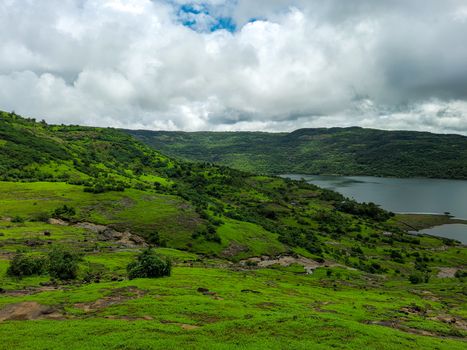
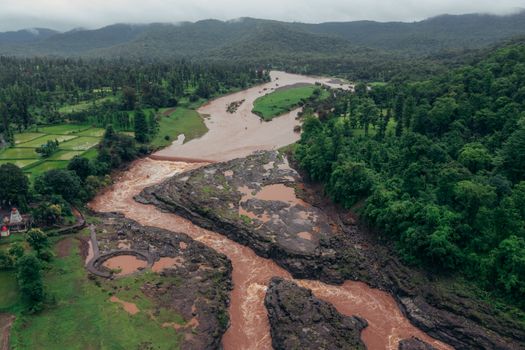
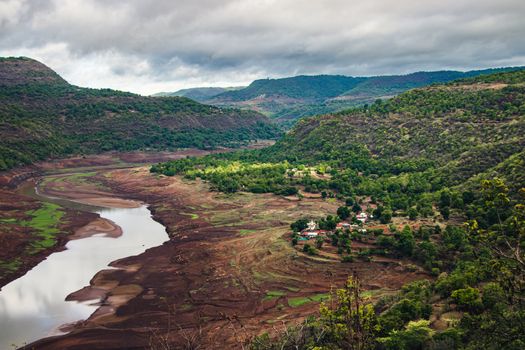
- Lush, Vibrant Landscapes: The world explodes in shades of green. Waterfalls are at their most spectacular, rivers swell, and every leaf gleams. It’s a photographer’s dream.
- Fewer Crowds: This is perhaps the biggest win. Popular spots that are normally swarming with tourists become tranquil havens. Imagine Angkor Wat without thousands of selfie sticks!
- Cooler Temperatures: Relief from the scorching heat is a welcome bonus, making exploration more comfortable.
- Dramatic Skies: The clouds and mist create incredible, ethereal vistas perfect for introspection and stunning photography.
- Authentic Local Life: With fewer tourists, locals are often more relaxed and open to genuine interactions. You get to see their daily life, not just the performance for visitors.
Chasing Waterfalls & Emerald Jungles: Nature's Grand Show
The monsoon breathes life into landscapes, transforming them into veritable paradises. If you’re a nature lover, this is your season.
India’s Emerald North-East: My absolute favorite monsoon destination is Meghalaya, India – literally meaning “abode of clouds.” This state, home to Cherrapunji (one of the wettest places on Earth), is a wonderland of cascading waterfalls, misty gorges, and living root bridges.
- Experience: Imagine hiking through dense, rain-kissed forests to witness the majestic Nohkalikai Falls plunging into a turquoise pool, or crossing the famous Double Decker Living Root Bridge in Nongriat, slick with moss and surrounded by the sounds of the jungle. I remember one trek where the mist was so thick, it felt like walking through clouds. The air was pure, the silence profound.
- Details: Stay in a homestay in Mawlynnong, "Asia's Cleanest Village," for around ₹1500-₹2500 ($18-$30) a night. Hire a local guide for the root bridge treks (around ₹800-₹1500/$10-$18 per day) – they know the safest routes and hidden spots. Don't miss the fresh pineapple and bamboo shoot pickles!
Vietnam’s Terraced Beauty: The rice paddies of Sapa and Ha Giang in northern Vietnam are breathtaking year-round, but during monsoon, they truly come alive. The terraces shimmer with water, reflecting the dramatic skies, and the surrounding mountains are often draped in ethereal mist.
- Experience: Take a motorbike loop through Ha Giang, navigating winding roads amidst impossibly green landscapes. The feeling of the cool rain on your face as you pass through a cloud-covered mountain pass is exhilarating. I recall stopping at a tiny roadside stall for a bowl of Pho, watching the rain fall over the fields, feeling completely at peace.
- Details: Motorbike rentals are around 150,000-200,000 VND ($6-$8) per day. Homestays in Sapa or Ha Giang offer rooms for 200,000-400,000 VND ($8-$16) with delicious home-cooked meals.
Thailand’s Less-Trodden Paths: While southern Thai islands might be iffy due to rough seas, the mainland offers incredible monsoon experiences. Khao Yai National Park, a UNESCO World Heritage site, is spectacular.
- Experience: Trekking through the park to discover waterfalls like Haew Narok and Haew Suwat (remembered from The Beach movie) in full flow is unforgettable. The dense jungle feels alive, and wildlife spotting is more common. I once saw a herd of wild elephants bathing in a river, a moment of pure magic that wouldn't have been possible with peak-season crowds.
- Details: Entry to Khao Yai is 400 baht ($12) for foreigners. You can hire a local guide for a half-day trek for around 1000-1500 baht ($30-$45).
Culinary Delights & Cozy Comforts: Foodie Adventures in the Rain
The monsoon season, with its cooler temperatures and a natural inclination to seek shelter, is the perfect time to dive deep into local cuisine and cozy up in charming cafes.
Warmth in a Bowl: There’s something incredibly comforting about hot, spicy food when it’s raining outside. In India, imagine sipping on a steaming cup of masala chai with crispy pakoras (vegetable fritters) from a roadside stall. The aroma of ginger, cardamom, and fried batter mingling with the scent of wet earth is an experience in itself. My favorite memory is huddling under a tiny tin roof, sharing laughter and stories with locals over these simple, perfect treats.
Southeast Asian Soups & Stews: In Vietnam, a bowl of rich Pho or a hearty Bun Bo Hue tastes even better when the rain is drumming on the roof. In Thailand, the tangy Tom Yum or creamy Tom Kha Gai are perfect antidotes to the chill. These are not just meals; they are warming rituals, often enjoyed in bustling local eateries where the camaraderie is as rich as the broth. Look for small, family-run restaurants – that’s where the real magic happens.
Cooking Classes & Cafe Culture: Monsoon is an excellent time to enroll in a local cooking class. With fewer tourists, instructors often have more time for personalized attention. Imagine learning to make authentic Thai curry or Vietnamese spring rolls while the rain patters outside. Afterward, seek out charming cafes. Many places, especially in cities like Chiang Mai, Hanoi, or even smaller hill towns, have fantastic coffee shops where you can spend hours reading, journaling, and watching the world go by. I’ve discovered some of my favorite local roasters this way, simply by ducking into a storefront to escape a sudden downpour.
Cultural Immersion & Local Living: When Tourist Crowds Disappear
This is perhaps the most profound benefit of monsoon travel. When the tourist throngs dissipate, a destination reveals its true self. Locals are less harried, more approachable, and often genuinely curious about the few intrepid travelers who venture out during the rainy season.
Genuine Connections: I’ve found that conversations flow more easily during the monsoon. In a small village in Coorg, Karnataka, I was invited into a family home for coffee after a chance encounter. We spent hours discussing everything from local politics to family traditions, sharing stories and laughter. This kind of authentic interaction, free from the transactional nature that sometimes pervades peak-season tourism, is priceless. You’re not just another face in the crowd; you’re a welcomed guest.
Local Festivals & Traditions: While some major festivals avoid the monsoon, many local, agricultural, or religious celebrations happen during this time. For instance, Onam in Kerala (August/September) is a vibrant harvest festival celebrated with elaborate feasts (Onasadya), traditional dances (Kathakali), and boat races. Experiencing such a festival without fighting for space, but rather participating alongside locals, offers a deeper understanding of the culture. Always research local calendars before you go.
Supporting Local Economies: By traveling during the off-season, you're providing much-needed income to local businesses during their quieter months. This kind of sustainable tourism helps communities thrive year-round, fostering a more balanced economic environment.
Budget-Friendly Bliss: Your Wallet Will Thank You
Let’s be honest, travel can be expensive. But monsoon season offers significant savings without compromising on experience.
Cheaper Flights: Airlines often drop prices during the shoulder and off-peak seasons to entice travelers. I’ve snagged return flights to Southeast Asia for nearly 40% less than peak season rates. Keep an eye on flight aggregators and set price alerts.
Accommodation Bargains: Hotels, guesthouses, and resorts, desperate to fill rooms, offer substantial discounts. That boutique guesthouse that costs $100 a night in December might be available for $30-$40 in July. I once stayed in a stunning villa in Bali for just $50 a night, complete with a private pool, a luxury I could never afford in the dry season. Don’t be afraid to negotiate directly with smaller establishments; they are often flexible.
Tour & Activity Discounts: Many tour operators offer reduced rates for excursions and activities. Local guides might be more willing to negotiate their daily fees. Even spa treatments and cooking classes can be found at a fraction of their usual cost. This allows you to indulge in experiences that might otherwise be out of budget.
Less Haggling, More Value: In busy tourist markets, haggling can be exhausting. During the monsoon, vendors are often more relaxed and willing to offer fair prices from the start, leading to a more pleasant shopping experience.
Essential Gear & Savvy Safety: Thriving, Not Just Surviving
While the monsoon offers incredible experiences, preparation is key to ensuring a comfortable and safe trip.
Pack Smart, Stay Dry:
- Waterproof Everything: A good quality, lightweight waterproof jacket is non-negotiable. A waterproof backpack cover is essential to protect your electronics and documents. Consider waterproof shoes or sandals (like Tevas or Crocs) that dry quickly. Avoid heavy leather or canvas shoes.
- Quick-Drying Clothes: Synthetics or travel-specific fabrics are your best friends. Cotton takes ages to dry in humid conditions.
- Insect Repellent: Especially important if you’re venturing into jungles or rural areas. Look for repellents with DEET or Picaridin.
- Dry Bags: Small dry bags are invaluable for protecting your phone, camera, and wallet during downpours or boat trips.
- Power Bank: Power outages can occur during heavy storms. A fully charged power bank will keep your devices alive.
- First-Aid Kit: Include band-aids, antiseptic wipes, pain relievers, anti-diarrhea medication, and any personal prescriptions.
- Small Umbrella: Handy for lighter drizzles or walking through markets.
Stay Safe, Stay Informed:
- Check Local Forecasts: Weather patterns can shift quickly. Stay updated on local news for road conditions, especially if you plan to travel to remote areas.
- Respect Local Advice: If locals advise against a certain trek or road, heed their warnings. They know the terrain and conditions best.
- Travel Insurance: Always, always get comprehensive travel insurance. It’s a small investment for peace of mind, covering everything from medical emergencies to trip cancellations due to weather.
- Leech Socks/Repellent: If you're hiking in dense, wet jungles, consider leech socks (available locally) or apply a strong repellent to your shoes and lower legs. They sound scary, but are more of a nuisance than a danger.
- Stay Hydrated: Even though it’s cooler, humidity can still lead to dehydration. Drink plenty of bottled water.
My most important safety lesson came during a trek in the Western Ghats. I had ignored a local's advice about a particular path being too slippery. I ended up taking a minor tumble, thankfully just scrapes and bruises. It taught me that while adventure is great, local wisdom is paramount.
Embrace the Rain, Embrace the Adventure
Monsoon season travel isn't about enduring the rain; it's about embracing it as an integral part of the experience. It’s about discovering destinations reborn, vibrant and alive, away from the tourist crush. It’s about connecting with nature in its rawest form and forging deeper bonds with the local culture.
So, next time you're planning a trip, don't shy away from the rainy season. Instead, pack your waterproofs, open your mind, and prepare for an adventure that most people miss – a secret shared only by the locals and now, by you. You’ll return with stories that are truly unique, photographs that pop with vibrant life, and a deeper appreciation for the magic that happens when the world gets a good wash.
Have you ever experienced the magic of monsoon travel? Share your stories and tips in the comments below! Let's inspire more travelers to embrace the rain!