Some experiences stay with you because they reveal how another community understands the world. Living rituals are among them. They are not museum pieces. They are practised by real people, often for reasons that matter deeply, and a visitor who watches with care can learn a great deal.
This guide describes seven traditions that travellers sometimes include on a meaningful trip, with notes on what to expect and how to behave. It is not a bucket-list race. If anything, the best approach is to choose one, learn about it properly, and go slowly. Access rules, dates and conditions vary and can change, so confirm everything with official or local sources before you plan.
What makes a ritual worth travelling for
Not every ceremony is a good fit for visitors. The ones worth travelling for tend to share a few qualities:
- Community ownership. The people who practise it control how it is shared.
- Open participation or viewing. There are public elements, designated spaces, or clear guidance for visitors.
- Context available. You can learn what is happening through a guide, a cultural centre or an interpretive sign.
- Local benefit. Money and attention support the community, not just outside operators.
Keep those four in mind as you read the examples below.
1. Tibetan Buddhist festivals in the Himalayas
In monasteries across Bhutan, Ladakh, Nepal and Sikkim, annual festivals bring masked dances called cham, performed by monks in elaborate costumes. In Bhutan these gatherings are called tsechu, and they are social events as well as religious ones, drawing local families in their finest clothes.
What to expect: a day of drumming, long horns, colourful dances and spectators sitting on the courtyard edge. Dates follow the Tibetan lunar calendar and differ each year.
How to go well:
- Check the festival date with the relevant tourism authority or monastery. In Bhutan, visitor arrangements are structured and usually require booking through licensed channels, and the rules may change.
- Dress modestly and remove hats in sacred spaces.
- Do not stand in front of dancers or block local people's view.
- Ask before photographing monks, and follow posted rules.
At altitude, take your time, drink water and acclimatise. Mountain weather can change quickly.
2. Maori welcome ceremonies in New Zealand
A powhiri is a formal Maori welcome that takes place on a marae, a communal meeting ground. It involves speeches, song, and the hongi, a pressing of noses and foreheads. For visitors, a powhiri is usually experienced through a cultural experience or by invitation, for example when a group is hosted by an iwi or a community.
How to go well:
- Choose experiences run by Maori operators or in partnership with local iwi.
- Learn the basics beforehand. In many protocols, the visitors' group is led by a speaker, and men and women may have different roles. Follow the host's instructions.
- Listen to the explanation of what is happening, and join in when invited.
- Treat the marae with respect: remove shoes at the entrance and avoid sitting on tables.
This is a good example of a ritual that is intentionally shared with visitors, where understanding the protocol makes the experience richer.
3. The Day of the Dead in Mexico
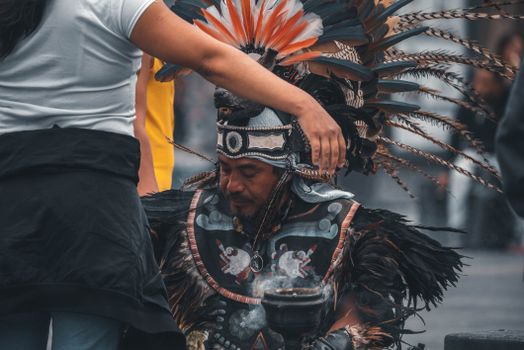
Dia de los Muertos, around 1 and 2 November, honours deceased loved ones with altars, marigolds, candles, food and music. In towns like Patzcuaro and Oaxaca, cemeteries fill with families who spend the night by the graves of relatives.
What to expect: colourful processions, decorated altars in homes and public spaces, and a mood that mixes remembrance with celebration.
How to go well:
- This is a family occasion, and cemetery vigils are intimate. Observe from a distance and ask before taking photos.
- Do not treat it as Halloween. Avoid costumes that mock the tradition.
- Visit public altars, parades and community exhibits where visitors are welcome.
- Buy from local artisans and food sellers.
Some communities have asked visitors to limit numbers or follow stricter rules because of overcrowding, so check local guidance.
4. Whirling ceremony of the Mevlevi in Turkey
The Mevlevi Sufi tradition features the sema, a ceremony of music, prayer and whirling in which dervishes turn as an act of devotion. Public performances take place in cities like Konya and Istanbul, often in cultural centres or heritage venues.
What to expect: a quiet, formal sequence with live music and a seated audience.
How to go well:
- Understand that this is a religious ritual presented publicly. Applause and talking are usually discouraged. Follow the venue's instructions.
- Photography may be restricted.
- Choose venues with a reputation for respecting the tradition, and read recent reviews.
Konya is the spiritual home of the order and hosts a major commemoration each December, which is a good reason to check dates and book well ahead.
5. Evening aarti and temple worship in India
Aarti ceremonies involve offering light to a deity, accompanied by bells and chanting. They occur daily at many temples and along river ghats. Famous examples exist at Varanasi and Haridwar, but smaller temples often provide a more intimate experience.
How to go well:
- Remove shoes, dress modestly, and follow the lead of worshippers.
- Avoid pointing your feet at shrines or people.
- Accept prasad, a blessed food offering, with your right hand when offered, if you wish.
- Be aware that some temples restrict entry by religion or require particular dress. Ask politely in advance.
6. Tea ceremonies and Zen practice in Japan
Japanese tea ceremony, known as chado, is a choreographed practice of preparing and serving matcha. Though not a religious ritual in the narrow sense, it has deep roots in Zen Buddhism and aesthetic discipline. Visitors can join introductory sessions in cities like Kyoto and Kanazawa.
Some temples also offer zazen meditation sessions and, occasionally, short stays with monastic routines.
How to go well:
- Choose a session that explains the steps in English or your language.
- Wear clean socks, sit as best you can, and follow the host's instructions. If kneeling is difficult, tell the host in advance.
- Move slowly, and accept that the pace is part of the experience.
7. Fire-walking and island ceremonies in the Pacific
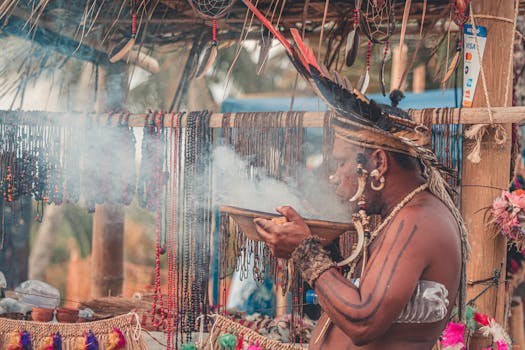
Several Pacific communities, including parts of Fiji, have fire-walking traditions with deep cultural meaning. Some are shared with visitors as part of cultural performances at resorts or villages, while others are private and ritual in nature.
How to go well:
- Ask whether the performance is a cultural presentation or a sacred rite. The answer shapes how you should behave.
- Do not attempt to join unless explicitly invited and instructed by the community. Fire-walking is physically risky.
- Support community-run experiences and pay a fair price.
- Respect village protocols, such as dress codes and requests for a welcome ceremony with kava before entering a village.
A note on pilgrimages that are closed to visitors
Some of the world's most sacred rituals are open only to members of the faith. The Hajj in Saudi Arabia, for example, is a pilgrimage for Muslims, and non-Muslims cannot enter the sacred sites in Mecca. This is not a limitation to work around. It is a boundary to respect. Look for other ways to learn, such as museums, cultural centres, books and conversations with people willing to share.
Choosing between the seven
If you can only pick one, think about what you want from the trip:
- Mountain scenery and colour: the Himalayan monastery festivals, with the caveat of altitude and booking rules.
- Hospitality and conversation: a Maori powhiri or a Pacific village welcome, where interaction is part of the experience.
- Reflection and memory: the Day of the Dead, which rewards a slow, observant visit.
- Music and stillness: the Mevlevi sema or a Zen tea session, both calm and structured.
- Spiritual energy and crowds: Indian aarti ceremonies, which are vivid and busy.
Also consider season, budget and travel time. A ritual that needs a long flight and a week of acclimatisation is a different commitment from a session you can join in a city you are already visiting. There is no ranking here, only fit.
Safety and health basics
Ceremonies often involve large crowds, open flames, uneven ground and long days outdoors. Keep valuables close in busy places, carry water and sun or cold protection, and know where the exits are. Check current official travel advice for your destination, and consider travel insurance that covers your plans. If you have health concerns, talk to a qualified professional before travelling to high altitude or remote areas. This is general information, not medical advice.
Giving something back
Responsible travel is not only about avoiding harm. It can also mean contributing. Consider staying at locally owned accommodation, eating in family-run restaurants, buying crafts directly from makers, and paying guides a fair rate. If a community runs a cultural centre or accepts donations for upkeep of a temple or marae, a modest contribution is often welcome. Ask a trusted local source what is appropriate instead of guessing.
Building a respectful trip around a ritual
- Research first. Read about the meaning and history, using community-authored sources where possible.
- Choose local guides. A guide from the community can explain the symbolism and keep you out of trouble.
- Travel outside peak crowds. Smaller gatherings can feel more genuine and are kinder to hosts.
- Leave time. Rituals do not always start on schedule. Build slack into the day.
- Reflect afterward. Consider what you learned and how you can support the community, for example by buying from local artisans.
Frequently asked questions
Do I need a guide? Not always, but a good local guide adds context and helps avoid mistakes, especially at less familiar ceremonies.
What if a ritual is closed to outsiders? Respect it. Look for related public events, museums or cultural centres instead.
Is it okay to donate? Many sites accept donations through official boxes or trusted channels. Avoid giving money to unofficial intermediaries.
Are children welcome? It depends on the ritual. Some events are family friendly, others are solemn. Check ahead.
Summary
Living rituals can be among the most memorable experiences a trip offers, but they work best when you approach them as a guest. Choose traditions that are shared by the community, learn the etiquette, travel with local guides, and accept boundaries without complaint. Confirm dates and rules with official sources, since they change. Pick one ritual, prepare properly, and let the experience unfold on its hosts' terms.