The Night I Bought a Palace for the Price of a Motel
I stepped off the vintage wood-paneled elevator at the Alvear Palace Hotel in Buenos Aires, and the scent of fresh beeswax, polished brass, and white lilies hit me instantly. Through the floor-to-ceiling French windows of my suite, the ornate stone mausoleums of the Recoleta Cemetery glowed under the amber streetlights.
I poured myself a glass of deep, ink-colored Malbec from the Valle de Uco, sink-deep into a velvet armchair that felt like a warm embrace, and checked my banking app.
The damage for this palatial suite, complete with a personal butler who had just unpacked my bags? Exactly $145 USD per night.
Three years ago, this same room would have easily commanded $850 USD. But thanks to a widening gap between the official exchange rate and the local parallel market, my purchasing power had effectively quadrupled overnight.
This isn't just lucky timing; it’s a sophisticated travel strategy. Understanding how macroeconomic shifts work makes the concept of currency crashes making luxury affordable worth considering for anyone who appreciates five-star hospitality on a three-star budget.
``` +------------------+-----------------------+---------------------+-------------------------+ | Destination | Local Currency Status | Luxury Index Cost | Best Time to Visit | +------------------+-----------------------+---------------------+-------------------------+ | Buenos Aires, AR | Peso (ARS) - Depressed| $ (Ultra-Low) | October to December | | Tokyo/Kyoto, JP | Yen (JPY) - 34-Yr Low | $$ (Moderate-Low) | March to May, Nov | | Istanbul, TR | Lira (TRY) - Volatile | $$ (Moderate) | September to November | | Hanoi, VN | Dong (VND) - High PPP | $ (Ultra-Low) | Northeast Monsoon (Nov) | +------------------+-----------------------+---------------------+-------------------------+ ```
---
1. The Mechanics of Geopolitical Arbitrage
Before we dive into the destinations, let’s strip away the dry economic jargon. Currency arbitrage in travel is simple: it is the exploitation of price differences between two distinct markets. When a country's local currency depreciates rapidly against dominant reserve currencies like the US Dollar (USD), the Euro (EUR), or the British Pound (GBP), your base currency suddenly buys vastly more local goods and services.
However, there is a catch. Luxury hotels that cater almost exclusively to international clientele often price their rooms in USD or EUR to protect themselves from local inflation.
To win this game, you must look for destinations where:
- The local service industry (fine dining, private guides, domestic transit) remains priced in the local currency.
- High-end boutique hotels maintain local pricing structures to attract regional elites.
- Dual exchange rates exist (such as Argentina's MEP or Blue Dollar rates), which reward cash-in-hand or specific foreign credit card transactions.
When these conditions align, you enter a golden window where high-end travel becomes incredibly inexpensive.
---
2. Buenos Aires, Argentina: Neoclassical Palaces and Ribeyes for Pennies
Argentina is the undisputed poster child for currency-driven luxury travel. The country has bounced between economic cycles for decades, creating a playground for travelers holding strong currencies.
The Vibe
Buenos Aires feels like Paris took a detour through Madrid and settled in South America. Think wide, jacaranda-lined avenues, Belle Époque architecture, and a late-night culture fueled by red wine and tango.
Where to Stay & Eat
Skip the standard business hotels and book a room at Palacio Duhau - Park Hyatt Buenos Aires. Located in the heart of Recoleta, this former aristocrat’s palace features private gardens, travertine marble baths, and a subterranean art gallery.
For dinner, bypass the tourist-heavy spots and secure a reservation at Don Julio, consistently ranked among the world’s best steakhouses. Here, a thick, perfectly charred ojo de bife (ribeye) paired with a premium bottle of Catena Zapata Malbec will cost you less than a mediocre pub meal in London.
- Pro-Tip: Do not bring crisp $100 bills to exchange on Calle Florida anymore. Thanks to recent banking regulations, foreign credit cards (Visa and Mastercard) now automatically use the MEP rate (an official electronic exchange rate very close to the blue dollar rate). You get the massive discount without carrying thick wads of cash.
---
3. Tokyo & Kyoto, Japan: The Historic Yen Slump
For decades, Japan was considered a prohibitively expensive bucket-list destination. But the Japanese Yen’s slide to historic 34-year lows against the USD has turned Tokyo and Kyoto into absolute steals for luxury seekers.
The Vibe
An intoxicating mix of ultra-modernism and ancient tradition. One hour you are navigating the neon-drenched streets of Shinjuku; the next, you are sipping matcha in a 400-year-old wooden temple garden in Kyoto.
Where to Stay & Eat
In Tokyo, book a room at the Aman Tokyo. Towering over the Otemachi district, its lobby features a soaring, 30-meter tensile paper lantern ceiling. Thanks to the weak Yen, rooms that once cost the equivalent of $2,000 USD now sit closer to $1,100—still premium, but a massive relative discount.
In Kyoto, head to The Mitsui Kyoto, where hot spring onsen waters flow directly into private stone baths.
For dining, book a multi-course kaiseki dinner at a three-Michelin-starred establishment like Hyotei. The meticulous presentation of seasonal ingredients—served on antique Edo-period ceramics—is currently priced at a steep discount compared to equivalent high-end dining in New York or Paris.
- Pro-Tip: Book your high-end dining through luxury hotel concierges rather than third-party booking sites. Hotel concierges hold exclusive relationships with elite, invite-only sushi counters in Ginza that do not take public reservations.
---
4. Istanbul, Turkey: Ottoman Grandeur on the Bosphorus
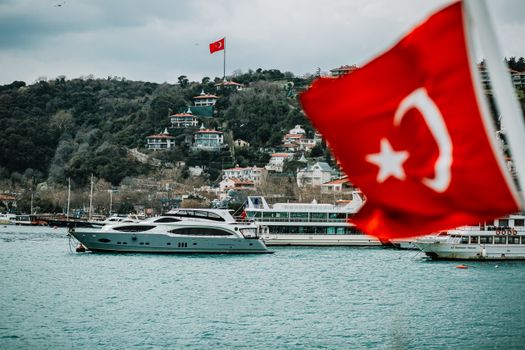
The Turkish Lira has experienced sustained downward pressure over the last several years. While local inflation is high, the exchange rate advantage for foreign travelers still outpaces rising prices, particularly in the ultra-luxury sector.
The Vibe
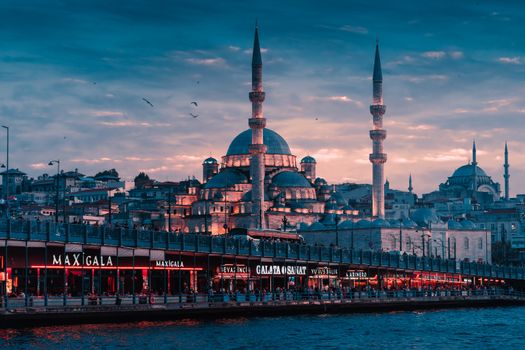
Where East meets West. The skyline is dominated by the majestic domes of the Hagia Sophia and the Blue Mosque, while the salty breeze from the Bosphorus carries the scent of roasted coffee and roasting sea bass.
Where to Stay & Eat
The ultimate luxury experience here is staying at the Çırağan Palace Kempinski, a restored 19th-century Ottoman imperial palace directly on the Bosphorus. Request a room in the historical palace wing, which features vaulted ceilings, hand-woven Turkish carpets, and private balconies overlooking the water.
For dinner, head to Mikla, located on the rooftop of the Marmara Pera hotel. The restaurant offers a modern take on Anatolian cuisine (try the slow-cooked lamb shoulder with salted yogurt) alongside panoramic views of the Golden Horn.
- Pro-Tip: Avoid booking Bosphorus yacht cruises through online agencies. Instead, walk down to the docks at Bebek or Karaköy at 8:30 AM and negotiate directly with private yacht captains. Offering payment in physical USD or EUR cash can easily slash the rental price by 50%.
---
5. Hanoi & Phu Quoc, Vietnam: High-End Indochine Chic
While Vietnam’s currency, the Dong (VND), hasn't "crashed" in the traditional sense, its steady peg against a dominant US dollar, combined with massive domestic purchasing power parity (PPP), makes it one of the most affordable luxury destinations on earth.
The Vibe
Hanoi offers a moody, romantic atmosphere characterized by French-colonial villas, lakes shrouded in morning mist, and a world-class culinary scene. Phu Quoc offers pristine, white-sand beaches and crystal-clear waters.
Where to Stay & Eat
In Hanoi, stay at Capella Hanoi, a boutique masterpiece designed by legendary architect Bill Bensley. The hotel is a theatrical tribute to the opera artists of the 1920s, featuring custom art pieces and private balconies.
In Phu Quoc, book a beachside villa at the Regent Phu Quoc, complete with a private infinity pool and personal butler service.
For food, reserve a table at Gia, a Michelin-starred establishment in Hanoi that elevates traditional Vietnamese flavors into modern culinary art. A full 12-course tasting menu here costs a fraction of what you would pay for a similar experience in Singapore or Hong Kong.
- Pro-Tip: Download the Grab app (Southeast Asia’s equivalent of Uber) before arriving. Link your credit card to lock in direct, local-rate luxury rides in premium vehicles, bypassing high airport taxi markups.
---
6. The Playbook: How to Execute This Strategy Safely
Navigating a country undergoing a currency devaluation requires tactical planning. Here is my personal checklist to ensure you maximize your savings without running into logistical headaches:
- Choose "Pay at Hotel" Options: When booking luxury properties months in advance during a currency slide, choose rates that allow you to pay on arrival. If the local currency continues to drop, your room will effectively become cheaper by the time you check in.
- Decline Dynamic Currency Conversion (DCC): When paying with your credit card at checkout, the terminal may ask if you want to be charged in your home currency or the local currency. Always choose the local currency. Choosing your home currency allows the merchant's bank to apply a terrible exchange rate loaded with hidden fees.
- Use Premium Travel Cards: Ensure your wallet is stocked with cards that charge zero foreign transaction fees. The small 3% fee charged by standard cards can quickly eat away at your currency arbitrage margins.
---
7. The Ethics of Arbitrage: Spending Responsibly
It is important to address the elephant in the room: a currency crash often brings economic hardship for local residents. Traveling to these destinations isn't about exploiting local struggles; rather, it is about injecting valuable foreign currency directly into the local economy when it needs it most.
To practice ethical luxury travel:
- Tip Generously: If a service was excellent, tip well above the local standard. A $20 USD tip might feel like pocket change to you, but it can make a significant difference to a local waiter, driver, or housekeeper.
- Support Local Artisans: Instead of buying mass-produced souvenirs at airport duty-free shops, seek out local master craftsmen, boutique fashion designers, and independent art galleries.
- Hire Private Guides: Hire local, independent guides rather than booking tours through large international conglomerates. This ensures your travel spend directly benefits the community you are visiting.
---