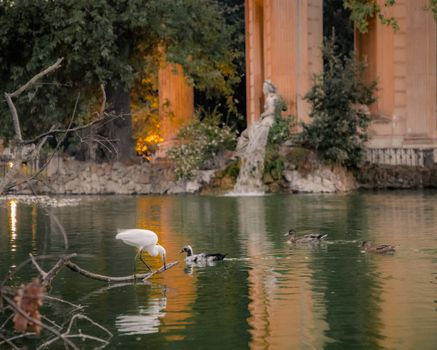
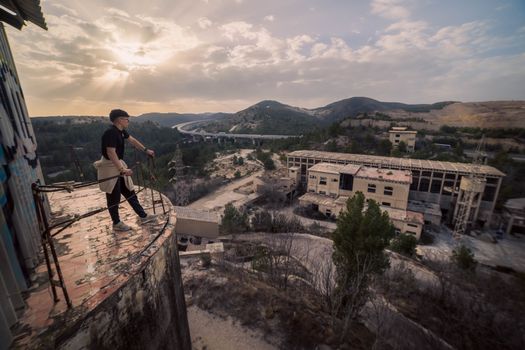
Urban exploration, in its broadest sense, is the habit of noticing and visiting the overlooked parts of a city: former industrial buildings, quiet courtyards, forgotten staircases, murals tucked into service lanes and unusual vantage points. The term is often linked with entering places without permission, and that version of the activity can lead to fines, criminal charges, serious injury or damage to historic structures. This guide describes a different approach, one that treats your own city as a destination worth studying and keeps every step within public access and clear rules.
The appeal is easy to understand. Most residents walk the same few routes every week and rarely look up. A deliberate approach, with a theme, a map and a little background reading, can turn familiar streets into something closer to a travel experience. The aim here is to show how to build that habit using public routes, guided programs and open-access days, along with the checks that keep each outing legal, safe and respectful.
Start with public routes and architecture
The simplest starting point is the public realm. Streets, parks, bridges, markets and riverside paths often reveal layers of history through their buildings, signage, paving and street furniture. Look for changes in materials, dates carved above doorways, old tram or rail alignments that survive as curved curbs, and shopfronts that retain traces of earlier uses. None of this requires entering anything, and most of it is visible from the pavement.
Architecture walks led by local historians, heritage groups or university departments can add context that is hard to gather alone. Many cities also hold digitized archives, historic maps and photographs that you can compare with current views. Matching an old street photograph to the same corner today is a simple exercise that often leads to new questions about how the district changed over time.
Guided walks and heritage programs
Guided tours are one of the most reliable ways to reach places that are normally closed. Cities and heritage organizations sometimes run tours of historic districts, former industrial sites, public underground passages, transport infrastructure and military installations that have been opened to visitors. Guides can explain the context, point out features you would otherwise miss and answer questions about how a place was used. Their knowledge often matters more than the building itself.
Some heritage bodies also hold open days, when buildings that are usually closed welcome visitors for a limited time. These events are commonly advertised through municipal or preservation websites. Schedules, ticketing rules and capacity limits can change by season and by event, so check the latest information before you plan a route around any single date.
Viewpoints and legitimate access to heights
Many cities have elevated viewpoints that are open to the public. These can include observation decks, public stairs, hilltop parks, lookouts on bridges, library roof gardens and some cultural venues with terraces. Some private buildings allow access on tour days or through advance booking. These arrangements are worth looking for because they offer a perspective that is not available from street level.
Never climb fences, enter construction sites or use improvised ladders to reach a roof. These actions carry serious risks, including falls and exposure to unstable structures, and they can have legal consequences. A public viewpoint frequently gives a better overall perspective anyway, with safer footing, seating and sometimes information boards that explain what you are looking at.
Laws, property and respect
Trespass law varies by country, state and sometimes by city, so the same action can be treated differently in different places. In many systems, entering a building or site without permission can lead to a fine or charge even when no damage occurs. Signs, fences, gates and staff instructions are generally treated as clear indicators of where access ends. If you are unsure whether a route is open, the safe assumption is that it is not until you confirm otherwise.
Respect applies to people as well as property. If you photograph residents, workers or interiors, follow local rules on public photography and be considerate about privacy, especially in residential streets and inside businesses. Ask before photographing people directly, and avoid filming in places where staff have asked you not to. Leaving a place as you found it, with no litter and no damage, is a basic principle that protects both the city and the people who maintain it.
Staying safe while exploring
Plan routes that use well-lit streets and busy paths, particularly after dark. Tell someone where you are going and when you expect to return, and carry a charged phone with an offline map. Old buildings can have unstable floors, broken glass, exposed wiring and hidden drops, so keep to marked paths and avoid any area that looks structurally compromised. Wildlife, such as nesting birds or rodents in disused yards, can also be a hazard.
Weather changes quickly on exposed bridges, rooftops and hilltops, so bring a layer, water and a small first-aid kit. Keep valuables out of sight, use a bag that closes securely and stay alert in crowded areas. If a site feels unsafe, or if a person or situation makes you uneasy, leave and rejoin a public route. Turning back is always an acceptable choice.
A decision framework and who this approach suits
Before you set out, ask four questions. First, is the place open to the public today, through a route, a tour or a scheduled event? Second, does reaching it require any action that is not permitted, such as climbing, crossing barriers or entering a restricted area? Third, could the approach be dangerous given the light, the weather and your own fitness? Fourth, would the people who live or work nearby be affected by your presence or your noise? If any answer is uncertain, choose a different target.
This framework suits residents who want a steady, low-risk hobby. It is less suitable for anyone looking for thrills, anyone who plans to enter places that are closed, or anyone uncomfortable with long walks. Families with young children may prefer guided tours and daytime routes, while people with mobility limits should check step-free access and seating before committing to a route.
Common mistakes to avoid
A frequent mistake is assuming that because a gate is unlocked, the area is open. Access and legality are separate questions, and unlocked fences often still mark private land. Another mistake is relying on old online posts for directions, since routes change after construction, closures and redevelopment. People also tend to underestimate walking time and daylight, which can turn a short outing into a difficult return.
Some visitors overlook the impact of noise, litter and crowds at quieter spots. Groups that gather in residential areas or on narrow stairs can cause real inconvenience. Finally, many people forget to check opening times for museums, towers and heritage sites, which can close for maintenance or private events without much notice.
What to check before you go
Confirm opening hours and any booking rules on the official website of the operator or city. Check the weather forecast and any local advisories, and look at a map that shows transit links and the nearest toilets or cafes. Read the sign at the entrance if there is one. For guided tours, confirm the meeting point, the duration and whether the route involves stairs or uneven ground.
Also consider the journey home. Note the last departure times for buses, trams and trains, and have a backup plan if a service is cancelled. Pack a small bag with water, a charged power bank, a notebook or a camera and comfortable shoes. If you are visiting a heritage building, check whether bags, tripods or flash photography are allowed.
Frequently asked questions
Is urban exploration legal? Exploring public streets, parks and open-access programs is generally legal. Entering closed or private sites without permission is not, and rules vary by jurisdiction. When in doubt, use guided or booked access.
Do I need a guide? A guide is not required for public routes, but one can add context and access to places that are otherwise closed. For a first outing, a guided walk is often a useful introduction to a district.
How do I find less obvious places? Start with local archives, heritage society publications, architecture guides and open-day listings. Staff at libraries and tourist offices can also suggest routes that suit your interests.
Exploring your own city does not require breaking rules or taking risks. Public routes, guided programs and open-access days can reveal much of what makes a place interesting, and they let residents bring the same curiosity they would bring to a trip abroad. A patient, respectful approach tends to produce the most rewarding finds.