Border Hacks: 7 Customs Tricks That Will BLOW Your Mind & Save Hours!
Picture this: You’ve just landed after a long-haul flight, muscles stiff, brain foggy, and all you want to do is get to your hotel, shower, and maybe grab a local bite. You spill out of the plane, follow the herd, and then… BAM! A serpentine queue at immigration that stretches as far as the eye can see. Two hours. Three hours. Your precious vacation time ticking away, one agonizing shuffle at a time.
Sound familiar? It’s a scene I know all too well. My worst memory? Landing in Bangkok, jet-lagged and wired, only to spend nearly four hours in a suffocatingly hot customs hall. By the time I finally got through, my pre-booked taxi had left, my phone battery was dead, and my carefully planned first evening was completely shot. I vowed then and there: never again.
That experience ignited a quest. A quest to uncover every possible trick, hack, and secret to bypass the dreaded border bottleneck. And guess what? I found them. Not just minor tweaks, but mind-blowing strategies that have consistently saved me hours, transformed my travel experiences, and made me feel like I’m operating on a whole different level of travel savvy.
So, ditch the dread and get ready to upgrade your travel game. Here are 7 customs tricks that will blow your mind and save you hours at borders, straight from my personal travel playbook.
---
1. The Digital Fast Lane: Your Smartphone is Your New Passport
Forget fumbling with paper forms on a cramped tray table. The future of border crossing is digital, and your smartphone is your golden ticket. Many countries now offer pre-arrival registration, digital declarations, or dedicated apps that can shave significant time off your wait.
My "Aha!" Moment: I remember my first trip to Canada post-pandemic. Everyone around me on the plane was scrambling for pens and paper declaration cards. I, however, had already filled out my ArriveCAN declaration days before landing. As I breezed past the paper-form-fillers straight to an e-gate, I felt like I'd discovered a cheat code. It was glorious!
Actionable Tips:
- Research Pre-Arrival Forms: Before every international trip, check the official government website of your destination country for any mandatory pre-arrival forms or declarations. Countries like Canada (ArriveCAN), Australia (Digital Passenger Declaration – DPD, though now mostly phased out for COVID-19 related reasons, but keep an eye out for similar future requirements), and many others have implemented these. Filling them out online or via an app before you even board your flight can mean walking straight to an automated gate or a much shorter "pre-processed" line.
- Mobile Passport Control (MPC) for the USA: If you're a U.S. citizen or Canadian visitor, download the official Mobile Passport Control (MPC) app. You can submit your passport and customs declaration information digitally before you even deplane. When you land, look for the dedicated MPC lines – they are often significantly shorter than the regular queues. I've personally walked through customs at JFK and LAX in under 10 minutes using MPC while the regular lines stretched for over an hour. It's truly a game-changer for re-entering the States.
- Airline Apps & Travel Portals: Some airlines integrate pre-check features into their apps, or you might find links to official government portals through your booking confirmation. Always explore these options.
Details: MPC is free for download on iOS and Android. ArriveCAN is also free. Always ensure you're using official government apps or websites to avoid scams.
---
2. Trusted Traveler Programs: Your VIP Pass to the World
This isn't just a hack; it's a lifestyle upgrade for frequent travelers. Trusted Traveler Programs are designed to expedite clearance for pre-approved, low-risk travelers. Think of it as having a VIP pass to the customs hall.
My Personal Testimony (and a small splurge): Applying for Global Entry was one of the best travel investments I've ever made. For a relatively small fee ($100 for five years), it includes TSA PreCheck, meaning I bypass long security lines and immigration lines. The first time I used it, flying into Miami from Colombia, I watched hundreds of people queue for an hour while I scanned my fingerprints, collected my bag, and was out the door in under 15 minutes. The feeling of walking past those endless queues? Pure, unadulterated triumph. It pays for itself in saved time and reduced stress after just one or two trips.
Actionable Tips:
- Global Entry (USA): For U.S. citizens and certain foreign nationals, this is the gold standard. It grants expedited clearance upon arrival in the U.S. and includes TSA PreCheck for domestic flights. The application involves an online form, a background check, and an in-person interview. Many premium credit cards offer a statement credit for the application fee, making it essentially free!
- NEXUS (USA/Canada): If you frequently cross the U.S.-Canada border (by air, land, or sea), NEXUS is your best friend. It offers even faster processing than Global Entry for this specific corridor.
- EES (Europe): While not a "trusted traveler program" in the same vein, the upcoming Entry/Exit System (EES) for the Schengen Area will automate border checks for third-country nationals, similar to e-gates. Stay informed about its implementation.
- Explore Local Programs: Many countries have their own versions. For example, the UK has "Registered Traveller" (though currently paused for new applications), and Australia has SmartGate. Research your most frequent destinations for similar programs.
Details: Global Entry costs $100 for 5 years. NEXUS is $50 for 5 years. Check eligibility requirements carefully, as they vary by citizenship. The application process can take a few months, so apply well in advance of your travels.
---
3. Mastering the Paperwork Game: Organization is Your Superpower
Even with digital advancements, some paperwork is inevitable. The trick isn't to avoid it, but to master its organization. A lost visa, a forgotten vaccination record, or an expired passport can unravel your entire trip.
My Near Miss: I once almost missed a flight from Vietnam because I couldn't find my physical visa letter. My heart was pounding! Luckily, I had a digital copy on my phone, but the panic taught me a valuable lesson: organization isn't just about efficiency; it's about peace of mind.
Actionable Tips:
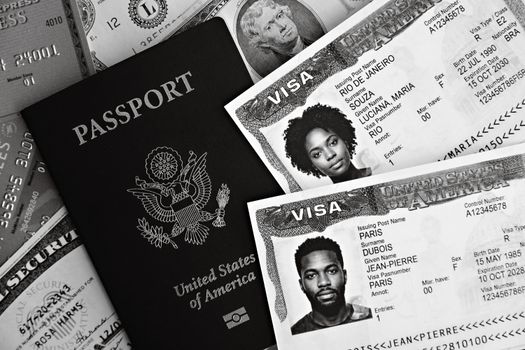
- The "Travel Folder" (Physical & Digital): Create a dedicated physical folder for all your essential documents: passport, visas, vaccination cards, flight/hotel confirmations, travel insurance details, and two spare passport photos (for visa-on-arrival situations). Crucially, also create a digital folder on your phone (Google Drive, Dropbox, or a secure app like TripIt or a password manager) with scanned copies of everything. Email copies to yourself and a trusted contact.
- Check Visa Requirements Religiously: Before booking any international trip, double-check visa requirements for your nationality. Don't assume. Some countries offer e-visas (like Turkey, India, Vietnam), which are usually quick and easy online. Others require embassy visits. Apply early!
- Passport Validity: Many countries require your passport to be valid for at least six months beyond your intended departure date. Don't get caught out at check-in!
- Vaccination & Health Certificates: Post-pandemic, many countries still require proof of certain vaccinations (e.g., Yellow Fever for certain regions) or health declarations. Keep these readily accessible.
Details: Apps like TripIt Pro can store all your travel docs and itineraries. Cloud storage like Google Drive (15GB free) or Dropbox (2GB free) are excellent for digital backups.
---
4. Beyond the Documents: The Art of Presentation & Strategy
It's not just what you have, but how you present yourself and navigate the physical space of the border. This might sound subtle, but it can significantly impact your experience.
My Observation in Action: I once witnessed a traveler, visibly flustered and dressed in crumpled clothes, loudly complaining about the wait. When it was their turn, the customs officer scrutinized their documents for an unusually long time. Contrast that with a calm, well-presented couple who were through in minutes. Perceptions matter.
Actionable Tips:
- Dress the Part: While you don't need a suit, appearing tidy and put-together can subtly convey respect and responsibility. Avoid overly casual or provocative clothing, especially in more conservative countries.
- Be Polite, Honest, and Confident: A friendly "Hello" and a smile can go a long way. Answer questions truthfully and concisely. Avoid fidgeting or appearing nervous, even if you are tired. Customs officers are trained to spot suspicious behavior.
- Know Your Itinerary: Be able to articulate your reason for travel, where you're staying, and your departure date without hesitation. Have your return ticket and accommodation details ready if asked.
- Choose Your Line Wisely: This is where strategy comes in.
- E-Gates: If your passport is eligible, always use the automated e-gates (common in the UK, EU for EU citizens). They are almost always faster.
- "Locals" vs. "Foreigners": Sometimes, the "foreign passport" line is shorter than the "local" line, especially in countries with a lot of returning residents. Observe and pick wisely.
- Families: Lines with families often take longer due to multiple passports and children.
- Avoid the "Chatty" Officer: If you see an officer engaged in a long conversation with a traveler, choose another line if possible.
Details: E-gates are increasingly common in major hubs like London Heathrow, Amsterdam Schiphol, and many other European airports.
---
5. The Power of Pre-Clearance: Landed Before You've Landed!
This trick is truly mind-blowing because it allows you to clear customs and immigration for your destination country before you even depart! Imagine landing internationally and walking out of the airport like a domestic passenger.
My Dublin Delight: My first experience with U.S. Customs and Border Protection (CBP) pre-clearance was flying from Dublin to the U.S. I went through U.S. immigration and customs in Dublin. When my flight landed in Chicago, I simply collected my bags and walked straight out. No lines, no fuss, just pure freedom. It felt like cheating!
Actionable Tips:
- What is Pre-Clearance? It's a service where a country's border control officers are stationed in another country's airport, allowing travelers to complete immigration and customs formalities before boarding their flight.
- Where to Find It: The most prominent example is U.S. CBP pre-clearance, available at various airports in Canada (Vancouver, Toronto, Montreal, etc.), Ireland (Dublin, Shannon), Bermuda, Aruba, Nassau, and Abu Dhabi. If you're flying to the U.S. from one of these locations, you arrive as a domestic passenger.
- Plan for Extra Time: While it saves time on arrival, you'll need to factor in extra time at the departure airport for the pre-clearance process. It can be like going through customs twice (once for the departure country, once for the destination).
Details: Always check if your specific flight route offers pre-clearance. This is a huge time-saver for U.S.-bound travelers.
---
6. "What to Declare?" - Honesty is the Best Policy (and Fastest)
Customs declarations can be a source of anxiety for many travelers. Undeclared items, even seemingly innocent ones, can lead to lengthy delays, fines, or even confiscation. The mind-blowing trick here is simple: be honest and prepared.
My Witnessed Woe: I once saw a traveler get pulled aside at an Australian airport because they "forgot" to declare an apple in their carry-on. While it seems minor, Australia has strict biosecurity laws. That simple apple led to a full bag search and a significant delay, all for a piece of fruit!
Actionable Tips:
- Know the Rules: Before you pack, research what's prohibited or restricted in your destination country. Common culprits include certain foods (fruits, meats, dairy), plant materials, large quantities of alcohol or tobacco, and specific medications.
- When in Doubt, Declare It: If you're unsure whether an item needs to be declared, declare it. It's almost always better to declare something and have it cleared than to hide it and face penalties. Most customs officers appreciate honesty.
- Keep Receipts: If you've purchased items abroad that might be close to duty-free limits (e.g., electronics, expensive gifts), keep the receipts handy. This makes the declaration process smoother.
- Medication Declarations: Always carry prescription medication in its original packaging with a copy of the prescription, especially for controlled substances. Declare it if required.
Details: Countries like Australia, New Zealand, and the U.S. have extremely strict biosecurity laws regarding food and agricultural products. Check their specific regulations before you travel.
---
7. The "Local" Advantage & Smart Scheduling: Timing is Everything
Sometimes, the trick isn't a program or a document, but simply smart planning around when and where you cross a border.
My Land Border Lesson: Crossing from Costa Rica to Nicaragua by land, I noticed the main border post was swarming with buses. A local suggested a smaller, lesser-known crossing just 30 minutes away. The difference was night and day – instead of a 3-hour wait, I was through in 45 minutes, feeling like I'd stumbled upon a secret passage.
Actionable Tips:
- Check Border Wait Times: For land borders (e.g., U.S./Canada, U.S./Mexico), there are often official apps or websites (like the CBP Border Wait Times app) that provide real-time estimates. Use them! Avoid peak times like national holidays, weekends, or rush hours if possible.
- Off-Peak Hours: Airports and land borders often have peak periods (e.g., early morning, late afternoon). If your itinerary allows, arriving during off-peak hours (mid-day, late evening, or even very early morning) can significantly reduce wait times.
- Smaller Crossings: For land travel, research if there are smaller, less-trafficked border crossings nearby. While they might add a little drive time, they can save hours in queues.
- Connecting Flights & Layover Time: If you have an international connection that requires you to clear customs and re-check bags (especially in the U.S.), always build in ample layover time – at least 3-4 hours. Don't underestimate how long customs can take, even with some of these hacks.
Details: The "CBP Border Wait Times" app is free for iOS and Android and provides real-time updates for land crossings into the U.S.
---
Your Passport to a Seamless Journey Awaits!
There you have it, fellow travelers – the customs tricks that have genuinely blown my mind and saved me countless hours, turning potential travel nightmares into seamless transitions. From digital declarations to trusted traveler programs, smart organization, and strategic thinking, these aren't just minor conveniences; they're fundamental shifts in how you approach international travel.
Imagine the feeling: effortlessly gliding through lines, snapping an Instagram-worthy shot of your baggage carousel without the usual stress, and arriving at your destination refreshed and ready to explore. That's the power of these hacks.
Don't let border anxieties steal your precious travel time. Start implementing these tips on your next adventure, and prepare to be amazed.
Which of these tricks will you try first? Do you have any mind-blowing border hacks of your own? Share your thoughts and tips in the comments below! Let's build a community of savvy, stress-free travelers!
---