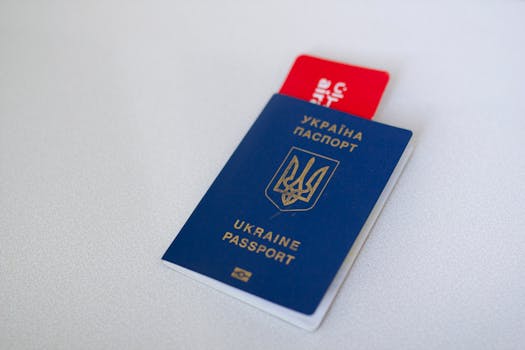
The Border Beatdown: How I Learned to Fight Back Against the Lines
I remember it like it was yesterday: a brutal 14-hour flight from Singapore to Los Angeles, landing at LAX around 9 PM. My body was screaming for sleep, my brain was a hazy mess, and all I wanted was to get to my hotel. But fate, or rather, the universe's cruel joke on international travelers, had other plans. As I shuffled off the plane, I was met with a sight that made my heart sink faster than a lead balloon: a snaking, endless queue for U.S. Customs and Border Protection. It wrapped around stanchions, disappeared into the distance, and felt less like a line and more like a human centipede of despair.
Two and a half hours. Two and a half soul-crushing hours later, I finally stumbled through, missing my connecting flight and nearly dissolving into tears of exhaustion. That night, I vowed never again. Never again would I surrender precious travel time – or my sanity – to the whims of a border queue.
And so began my quest. A quest to uncover every legitimate, legal, and downright brilliant trick to beat the border blues. What I discovered fundamentally changed the way I travel. These aren't just tips; they're game-changers, time-savers, and frankly, experiences every serious traveler needs to master before they die. Ready to reclaim your travel hours? Let's dive in.
1. The Golden Ticket: Pre-Approved Traveler Programs
Imagine this: you land after a long flight, walk past hundreds of weary travelers stuck in lines, and head straight to a self-service kiosk or a dedicated lane, breezing through immigration in minutes. This isn't a dream; it's the reality for travelers enrolled in pre-approved programs. Think of them as your VIP pass to faster border crossings.
Global Entry (USA): Your Ultimate Time-Saver For U.S. citizens and permanent residents (and citizens of certain other countries like Canada, Mexico, India, UK, Germany, South Korea, etc.), Global Entry is non-negotiable. For a mere $100 (USD), valid for five years, you get expedited clearance upon arrival into the U.S. You apply online, undergo a background check, and then have a quick in-person interview.
My Experience: The first time I used Global Entry at JFK, I landed with a massive international flight contingent. The regular line was easily 200 people deep. I walked to the Global Entry kiosks, scanned my passport and fingerprints, answered a couple of questions, got my receipt, and was out the door in under five minutes. The look on the faces of the people in the regular line was priceless. It felt like I’d discovered a cheat code for life. This program also includes TSA PreCheck, meaning faster security lines for domestic flights too. Double win!
NEXUS (USA/Canada) & SENTRI (USA/Mexico): North American Border Hacks If you frequently cross the land borders with Canada or Mexico, NEXUS and SENTRI are your best friends.
- NEXUS: For $50 (CAD or USD) for five years, it grants expedited processing at U.S. and Canadian land, air, and marine ports of entry. It also includes Global Entry and TSA PreCheck benefits.
- SENTRI: For $122.25 (USD) for five years, it's designed for frequent travelers crossing the U.S.-Mexico border by land, also including Global Entry and TSA PreCheck.
APEC Business Travel Card: The Elite Pass If you're a business traveler frequently visiting APEC economies (like Australia, China, Japan, Singapore, etc.), the APEC Business Travel Card (ABTC) is the ultimate flex. It grants you visa-free entry and fast-track immigration lanes in participating countries for five years. The application process is rigorous and typically handled through your home country's government, but if you qualify, it's pure magic.
The Takeaway: These programs require planning and an initial investment of time and money, but the hours, stress, and missed connections they save are priceless. Apply now, thank me later.
2. E-Gates & Mobile Magic: Your Digital Fast Pass
Even if a full pre-approved program isn't for you, technology offers incredible shortcuts at borders worldwide.
The Rise of the E-Gate: Many countries now offer automated passport control (e-gates) for eligible passport holders. The UK, EU countries (Schengen Area), Australia, New Zealand, Singapore, Japan, UAE, and many others have rolled these out. You simply scan your passport, look into a camera for facial recognition, and the gate opens. It's usually faster than a human agent, especially if you're traveling solo or as a couple.
Pro Tip: Always check your specific passport's eligibility for e-gates in your destination country before you fly. For example, UK e-gates are open to citizens of the UK, EU, EEA, Switzerland, Australia, Canada, Japan, New Zealand, Singapore, South Korea, and the USA.
My Experience: Landing at London Heathrow (LHR) used to be a gamble. Sometimes it was quick, sometimes it was an hour-plus wait. Now, with my U.S. passport, I just glide through the e-gates. On my last trip, I was from plane to Piccadilly Line in under 20 minutes. The efficiency is astounding and a true game-changer for short trips.
Mobile Passport Control (MPC) App (USA): The Freebie Fast Lane For U.S. citizens and Canadian visitors, the U.S. Customs and Border Protection (CBP) has a fantastic free app called Mobile Passport Control (MPC). You submit your passport and customs declaration information via the app upon arrival. Once you land, you get a QR code, which you then present to a dedicated MPC lane agent.
My Experience: I've used MPC countless times, particularly at airports like Miami (MIA) and Chicago O'Hare (ORD) where Global Entry kiosks can sometimes get busy. The MPC line is often shorter than the regular line, sometimes even shorter than Global Entry! At MIA once, the Global Entry kiosks were having a technical glitch, causing delays. I quickly pulled up my MPC app, submitted my details, and walked to the MPC lane, bypassing the chaos entirely. It’s like having a secret backdoor. Always have it downloaded and ready to go!
3. Strategic Timing: Outsmarting the Crowds
Sometimes, the best trick is simply knowing when not to show up. Border queues ebb and flow, and with a little strategic planning, you can often avoid the worst of the crowds.
Avoid Peak Hours & Days: Just like traffic, border crossings have rush hours. Generally, early mornings (6 AM - 9 AM) and late evenings (6 PM - 10 PM) at major international hubs tend to be the busiest, especially on weekends and Mondays/Fridays. Mid-week (Tuesday-Thursday) and mid-day arrivals often see lighter queues.
Specifics:
- Major U.S. Hubs (LAX, JFK, MIA, ORD): These airports are notorious for long lines during peak arrival times from Europe and Asia. If possible, consider flights that land mid-afternoon.
- Mexico & Caribbean Resorts (Cancun, Punta Cana): Weekends are brutal. If your vacation allows, fly in on a Tuesday or Wednesday.
Choose Your Entry Point Wisely: If you have a choice of where to first enter a country, consider smaller international airports. While major hubs handle more flights, smaller ones often have fewer concurrent arrivals, meaning less competition for customs agents.
Example: Instead of flying directly into London Heathrow (LHR) if your final destination is elsewhere in the UK, consider landing at a regional international airport like Manchester (MAN) or Edinburgh (EDI) if your itinerary allows. You might find significantly shorter immigration lines.
My Experience: I once had a choice between flying into Toronto Pearson (YYZ) or Buffalo Niagara (BUF) for a quick trip to Niagara Falls. Knowing YYZ's reputation, I opted for BUF, a smaller U.S. airport. The border crossing was virtually empty, and I was through in minutes, saving me potentially an hour or more compared to YYZ. Always research your options!
4. The Paperwork Playbook: Flawless Documentation
You wouldn't show up to a job interview without your resume, so why show up at a border without your documents in order? Being perfectly prepared is a simple, yet incredibly effective, trick to avoid delays.
The "Document Dossier" Method:
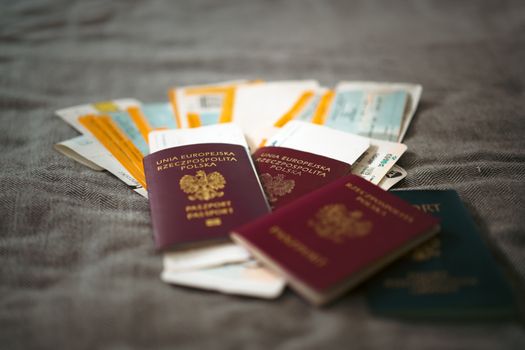
- Passport Validity: Ensure your passport is valid for at least six months beyond your intended stay. This is a non-negotiable rule for many countries.
- Visas & ESTAs/ETAs: Double-check visa requirements for your destination well in advance. Many countries (like the USA, Canada, Australia) require electronic travel authorizations (ESTA/ETA) even for visa-exempt nationalities. Apply for these days, if not weeks, before your flight.
- Onward/Return Tickets: Have proof of an onward or return ticket. Many countries require this to ensure you're not planning to overstay.
- Accommodation Details: Printouts or screenshots of your hotel bookings, Airbnb confirmations, or host's address.
- Travel Insurance: While not always asked for, having your travel insurance details handy shows preparedness.
- Physical & Digital Copies: Keep physical copies of everything in a dedicated travel wallet. Also, store digital copies (photos on your phone, cloud storage, email) as a backup.
My Experience: I once saw a traveler denied boarding for a flight to Thailand because they didn't have proof of an onward ticket. The airline agent wouldn't budge. The traveler had to frantically book a cheap flight out of Bangkok right there at the check-in counter, delaying their entire journey. It's a simple detail, but critical. For my part, I always keep a dedicated folder in my travel bag with all printouts, and a "Travel Docs" album on my phone. When an agent asks, I can pull it up instantly, projecting an aura of calm competence.
Customs Declaration Forms: If your destination still uses paper customs forms, fill them out accurately and completely on the plane. Don't wait until you're in line. Have a pen ready. If there's an option for an electronic declaration (like in some parts of Australia or New Zealand), use it.
5. Projecting Poise: Your Border Persona
Believe it or not, how you present yourself and interact with border agents can subtly influence the speed and ease of your crossing. This isn't about deception; it's about being an ideal, non-suspicious traveler.
Dress for Success (or at least, for "Not Suspicious"): While you don't need a suit, avoid looking disheveled or like you've just rolled out of bed after a week-long rave. Clean, casual attire that says "tourist" or "business traveler" rather than "potential smuggler" can subtly help.
Be Polite, Concise, and Truthful:
- Eye Contact & Politeness: A simple "Hello," "Good morning," and "Thank you" go a long way. Make polite eye contact.
- Answer Directly: Answer questions clearly, concisely, and truthfully. Don't volunteer extra information unless asked. "Why are you visiting?" "Tourism." "How long?" "Seven days." That's it.
- No Jokes: Border agents are not there for your stand-up routine. Keep it professional. Humor can easily be misinterpreted, especially across cultures.
- Be Prepared to Explain: Know your itinerary. If asked about your plans, be able to articulate them clearly.
My Experience: I once witnessed a traveler trying to be "funny" with a U.S. CBP officer, making a sarcastic remark about their luggage. The officer's face immediately hardened, and the traveler was pulled aside for secondary screening, adding at least an hour to their delay. I, on the other hand, was through in minutes with a simple "Welcome home." It taught me a valuable lesson: respect the process and the authority.
6. The Luxe Lane: When Speed is a Splurge
Sometimes, time truly is money, and for those moments, there are premium options that can significantly expedite your border experience.
First/Business Class Perks: While not a direct customs trick, flying in premium cabins often comes with benefits that lead to faster border crossings.
- Priority Deboarding: You're usually among the first off the plane, giving you a head start to immigration. This can be huge, especially on wide-body jets.
- Dedicated Lanes: Some airports (like Dubai, Singapore Changi, or specific terminals at other major hubs) offer dedicated immigration lanes for First and Business Class passengers.
Specifics: Check with your airline or airport website. For example, at Singapore Changi Airport (SIN), premium passengers often get access to faster lanes or even concierge services.
Airport Meet & Greet Services: At many international airports, you can pay for a "Meet & Greet" service. A representative will meet you at the gate, escort you through immigration (often to a dedicated fast-track lane), help with luggage, and guide you to your onward transportation.
Prices: These services vary wildly, from $50-$200+ USD depending on the airport and level of service.
- Examples: At Bangkok's Suvarnabhumi Airport (BKK), numerous companies offer fast-track immigration services for around $60-80. Bali's Denpasar Airport (DPS) is another popular spot for these services, often bundled with visa-on-arrival assistance.
- My Experience: After a particularly grueling series of flights to Bali, I splurged on a meet & greet. The attendant met me with a sign, whisked me past a very long visa-on-arrival queue, and then through a separate immigration lane. I was through in under 15 minutes while hundreds waited. It was an absolute luxury and well worth the cost for the sheer relief and speed.
7. Mindset Matters: Navigating the Unexpected
Even with all the tricks, sometimes things go wrong. Flights are delayed, systems crash, or you just hit an unlucky rush. Your mindset in these moments is key.
Stay Calm and Patient: Panicking or getting aggressive will only make things worse. Take a deep breath. Understand that agents are doing their job, often under pressure.
Honesty is the Best Policy: If there's an issue or a misunderstanding, be honest and cooperative. Trying to conceal something or argue will only escalate the situation and lead to longer delays or worse.
Know Your Rights (But Don't Be Confrontational): Be aware of what border agents can and cannot do, but always approach discussions respectfully. If you feel your rights are being violated, calmly ask to speak to a supervisor.
Pack Smart: Avoid packing prohibited items that will trigger secondary inspections and lengthy explanations. This includes certain foods, agricultural products, large amounts of cash without declaration, or items that might be deemed suspicious (e.g., novelty weapons).
My Experience: Once, my passport chip wasn't reading correctly at an e-gate. Instead of freaking out, I calmly waited for an agent to assist. They reset the system, and I was through in a few extra minutes. Had I gotten frustrated or tried to force it, it could have caused a bigger issue. A calm demeanor often diffuses potential problems.
Your Border-Breezing Future Awaits!
The days of soul-crushing border queues don't have to be your reality. With these customs tricks, you're not just saving hours; you're reclaiming your precious travel time, reducing stress, and arriving at your destination refreshed and ready to explore. From pre-approved programs to digital fast passes, strategic timing, and a savvy mindset, you now have the tools to transform your border crossings from a dreaded ordeal into a seamless part of your adventure.
Which of these tips will you implement on your next trip? Have you experienced a border hack that saved your day? Share your stories and tips in the comments below! Let's build a community of smart travelers who conquer borders, not get conquered by them.
Don't let endless lines steal another moment of your wanderlust. Bookmark this post, share it with your travel buddies, and subscribe to Tripsora for more insider secrets that will elevate your journeys!
---