Desert Secrets: The Untouched Expeditions Locals Really Don't Want Tourists to Commercialize
The relentless hum of the city, the ever-present glow of screens, the concrete canyons that stretch as far as the eye can see... Sound familiar? For years, I found myself caught in this urban rhythm, my soul yearning for a silence deeper than any noise-cancelling headphones could provide. I craved vastness, a place where the horizon wasn't blocked by skyscrapers, and the only light pollution came from a galaxy of stars.
My first attempt at a "desert escape" was, to be frank, a bit of a bust. A packaged tour to a well-known desert destination: a hurried camel ride, a crowded "authentic" dinner with a loud sound system, and a campsite packed with other tourists, all vying for the perfect sunset selfie. It was beautiful, yes, but it lacked soul. It felt... staged. I returned to the city feeling a little more tired, and still deeply unsatisfied.
That's when I started hearing whispers – whispers of places, experiences, and traditions that existed just beyond the reach of conventional tourism. Places where the sand wasn't churned by a thousand quad bikes daily, where the stars were so bright they cast shadows, and where the silence truly resonated. These were the desert expeditions locals knew, cherished, and subtly protected from the commercial gaze. And after years of careful research, respectful engagement, and more than a few wrong turns, I'm finally ready to share how you, too, can discover these extraordinary, untouched desert secrets.
This isn't about sneaking into forbidden lands. It's about finding authentic connections, supporting local communities directly, and experiencing the desert in its purest, most profound form. It's about being a guest, not just a tourist. And trust me, the difference is monumental.
The Irresistible Lure of the Unseen Desert: Why Go Off-Grid?
For us city dwellers, the desert offers an antidote to almost everything our daily lives throw at us. It's a grand, open canvas that forces you to slow down, to look up, and to listen. But an unseen desert? That's where the magic truly unfolds.
Imagine this: you're not just seeing dunes; you're feeling the ancient, shifting sands beneath your bare feet, each grain a tiny testament to geological time. You're not just observing a sunset; you're witnessing the sky bleed from fiery orange to deep indigo, painting the vast expanse with hues that photos can never truly capture. And when night falls, it’s not just dark; it’s an ink-black canvas ablaze with a million diamonds, the Milky Way a shimmering river overhead, so bright it feels like you could reach out and touch it.
This isn't just a trip; it's a recalibration. It’s where your senses reawaken, your priorities shift, and your perspective expands. The absence of Wi-Fi, the lack of immediate demands, the sheer scale of the landscape – it all conspires to strip away the unnecessary, leaving you with a profound sense of peace and connection. This is the desert that truly calls to the soul, the one that locals know can heal and inspire.
Decoding the "Locals' Secret": How to Find These Hidden Gems Responsibly
The phrase "locals don't want tourists to know" isn't about exclusion; it's about preservation. It implies a desire to protect cultural integrity, environmental sanctity, and the very essence of what makes these places special. So, how do you find these hidden gems without contributing to their commercialization?
- Seek Out Small, Local Operators: Forget the big tour companies. Look for family-run businesses, independent guides, or community-based tourism initiatives. These individuals often have deep ancestral ties to the land, understand its rhythms, and are invested in sustainable practices. A simple Google search for "[Region] community tourism" or "[Region] local desert guide" can be a start, but often, the best connections come from word-of-mouth recommendations from other responsible travelers.
- Go Beyond the Obvious Gateways: If a desert destination has a major international airport and countless hotels, chances are you're in a highly commercialized area. Research smaller towns or villages on the fringes of well-known deserts. For instance, in Morocco, while Merzouga and Zagora are popular, look towards areas like Foum Zguid or the less-visited fringes around Erg Chigaga for truly remote experiences. In Jordan, beyond the main Wadi Rum camps, there are Bedouin families offering more intimate stays deeper in the protected area.
- Harness the Power of Responsible Travel Communities: Online forums, specialized travel blogs (like this one!), and social media groups dedicated to sustainable or adventure travel can be goldmines. Ask specific questions about ethical operators and less-trafficked routes.
- Embrace Flexibility and Patience: These aren't trips you book with a few clicks. They require more research, more communication, and often, adapting to local rhythms. The journey itself is part of the experience.
My Tip: When you find a potential guide, engage them in conversation. Ask about their connection to the land, their philosophy on tourism, and how they support their community. A genuine passion for their heritage and environment is a huge green flag.
Beyond the Dunes: Experiences You Won't Find on Brochures
Once you've connected with the right local guide, prepare for an expedition that transcends typical tourist offerings. These are the moments that stick with you, the memories that truly make the desert come alive:
- Stargazing with an Ancient Perspective: Forget telescopes. Imagine lying on a traditional rug, a local elder pointing out constellations, not by their Greek names, but by the stories and legends passed down through generations. Learning about celestial navigation used for millennia, under a sky so clear you feel like you could touch the stars – it's humbling. I remember one night in the Jordanian desert, my Bedouin guide, Salem, pointed out the 'camel's hump' and the 'shepherd's fire' in the Milky Way. It wasn't just astronomy; it was poetry, history, and a profound connection to the land.
- Hidden Oases and Secret Wadis: Beyond the famous springs, there are often smaller, secluded oases known only to local communities. These might be seasonal wadis (riverbeds that fill with water after rain), offering lush pockets of life amidst the arid landscape. Discovering these verdant havens, perhaps even taking a dip in a natural pool, feels like finding a true miracle.
- Traditional Nomad Camps & Lifestyle Immersion: This isn't a staged "Bedouin experience." This is an invitation into a working nomad camp, sharing tea, learning about their daily rhythms, perhaps even helping with chores or crafts. It's an authentic glimpse into a resilient way of life that has thrived in the desert for centuries. You might learn how to bake bread in the sand, identify medicinal plants, or track desert animals.
- Desert Flora & Fauna Tracking: With an expert local guide, the seemingly barren desert transforms into a vibrant ecosystem. Learn to identify the tracks of fennec foxes, gazelles, and scorpions. Understand how resilient plants survive and thrive in extreme conditions. It's a masterclass in adaptation and survival.
- Ancient Rock Art & Geological Wonders: Many deserts hold millennia of human history etched into their rocks. Discovering ancient petroglyphs or incredible geological formations that are rarely visited by outsiders offers a tangible link to the past, a silent testament to those who walked these sands before us.
- Desert Wellness & Meditation: The profound silence and vastness of the desert naturally lend themselves to introspection. Some local guides offer guided meditation sessions, or simply create the space for you to sit in quiet contemplation, allowing the desert's energy to cleanse and rejuvenate your spirit.
Gear Up, Respect Up: Practicalities for the Off-Grid Explorer
Venturing into the truly remote desert requires preparation and a deep sense of respect. This isn't a place for casual unpreparedness.
Essential Packing List:
- Water, Water, Water: More than you think you'll need. Always.
- Sun Protection: Wide-brimmed hat, sunglasses, high SPF sunscreen, lightweight long-sleeved clothing.
- Layers: Desert temperatures can swing dramatically. Warm evenings can turn into chilly nights. Pack breathable fabrics for day, warmer layers for night.
- Sturdy, Closed-Toe Shoes: For walking on uneven terrain and protection from insects/scorpions.
- Navigation Tools: A reliable GPS device (and knowing how to use it), map, and compass – even if you have a guide. Cell service is often non-existent.
- First-Aid Kit: Comprehensive, including anti-diarrhea medication, pain relievers, blister treatment, antiseptic wipes.
- Headlamp/Flashlight: With extra batteries.
- Power Bank: To charge essential electronics (camera, phone for emergencies).
- Reusable Water Bottle & Bag for Trash: Absolutely crucial for Leave No Trace.
Safety First:
- Never Go Alone: Even experienced desert travelers should not venture into remote areas without a local guide or at least one knowledgeable companion.
- Inform Others: Share your itinerary with someone reliable, including your expected return time.
- Listen to Your Guide: They are the experts on the terrain, weather, and potential hazards.
- Stay Hydrated: This cannot be stressed enough. Dehydration can quickly become life-threatening.
Cultural Sensitivity & Leave No Trace: These are not just good practices; they are foundational to being invited into these spaces and preserving them.
- Dress Modestly: Especially when interacting with local communities. Respect local customs.
- Ask Before You Photograph: Always seek permission before photographing people, especially children.
- Leave No Trace: Pack out everything you pack in, including organic waste. Do not disturb wildlife or remove any natural objects. Stay on designated paths or follow your guide's lead to avoid damaging fragile ecosystems.
- Support Ethically: Ensure your money directly benefits the local communities you visit. Avoid haggling excessively with small vendors.
Choosing the Right Local Guide: This is paramount. Look for guides who:
- Have deep local knowledge and often speak multiple languages.
- Prioritize safety and environmental protection.
- Are genuinely interested in sharing their culture, not just selling a service.
- Have excellent references from other responsible travelers.
- Are transparent about costs and what's included.
Destination Deep Dive: Whispers from the Sands (Examples of Regions)
While I won't give away exact coordinates to protect these precious places, I can guide you towards regions where these authentic experiences are still possible, if you connect with the right local guides:
- Morocco's Pre-Saharan Oases & Deep Sahara: Beyond the popular Erg Chebbi (Merzouga) and Erg Chigaga (Zagora) dunes, head deeper south or west into the pre-Saharan regions. Look for small villages and communities near Foum Zguid or around the Draa Valley that offer multi-day treks into the less-visited fringes of the Sahara. Expect to pay anywhere from $100-$250 USD per person per day for a well-organized, small-group, multi-day expedition including guide, food, water, and traditional accommodation.
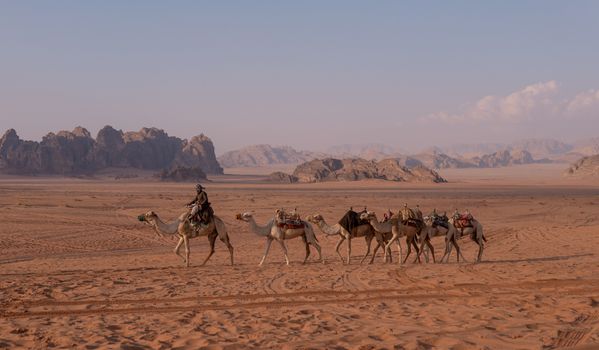
- Jordan's Lesser-Known Wadi Rum Extensions: While Wadi Rum is stunning, its main tourist areas can get busy. Seek out Bedouin families who operate deeper within the protected area, or in adjacent, less-visited wadis. These might involve longer jeep treks to reach the truly secluded spots. Prices could range from $80-$180 USD per person per day for a private guide, all meals, and an overnight stay in a traditional camp.
- USA's Remote Southwest Wilderness: Places like parts of Anza-Borrego Desert State Park (California), Mojave National Preserve (California), or sections of Grand Staircase-Escalante National Monument (Utah) offer vast, undeveloped wilderness. While you might not find "local guides" in the same traditional sense, connecting with local outdoor outfitters or indigenous cultural centers can reveal unique perspectives and less-trafficked routes. Backcountry permits are often required, and costs vary widely depending on gear rental, permits, and any guided services (e.g., $50-$150 USD per day for specialized guided hikes or multi-day backpacking trips, excluding gear).
- Oman's Empty Quarter (Rub' al Khali Fringes): For the truly adventurous, parts of Oman bordering the vast Empty Quarter offer unparalleled solitude. This is an expedition for experienced desert travelers, often requiring specialized 4x4 vehicles and highly experienced local Omani guides. Expect higher costs, potentially $300-$600+ USD per person per day for multi-day, fully supported expeditions.
Remember, these are starting points. The real "secret" is the effort you put into finding the right people and respecting their knowledge.
The Digital Detox & Soul Recharge
One of the most profound gifts of these hidden desert expeditions is the forced digital detox. No Wi-Fi, no signal, just you and the vastness. It's initially unsettling for many of us, but quickly becomes liberating.
- Reclaiming Your Attention: Without the constant ping of notifications, your mind clears. You start noticing the subtle shifts in light, the patterns in the sand, the distant call of a bird.
- Deep Reflection: The silence is a powerful catalyst for introspection. Problems that seemed insurmountable in the city often gain clarity or simply fade into insignificance against the backdrop of ancient sands.
- Restorative Sleep: After a day of fresh air and physical activity, and under a sky bursting with stars, sleep comes easily and deeply. You wake feeling genuinely refreshed, not just rested.
I still vividly recall a moment in the Omani desert, perched on a dune crest at sunrise. The silence was absolute, broken only by the whisper of the wind. I felt utterly insignificant, yet profoundly connected to something ancient and immense. It was a spiritual reset button I didn't even know I needed.
Your Role as a Responsible Explorer
Experiencing these hidden desert gems is a privilege, not a right. Your actions have a direct impact on the environment and the communities that call these places home.
- Be an Advocate for Sustainable Tourism: Share your experiences, but also share the message of responsible travel. Encourage others to seek out ethical operators and practice Leave No Trace principles.
- Support Local Economies Directly: Buy crafts directly from artisans, hire local guides, eat at local establishments. Your money makes a tangible difference.
- Educate Yourself: Learn about the local culture, history, and environmental challenges before you go.
- Leave Only Footprints, Take Only Photos (and Memories): This is the golden rule. Protect these fragile ecosystems and cultures for future generations.
Are You Ready to Answer the Desert's Call?
The desert, in its purest form, is a profound teacher. It teaches humility, resilience, and the sheer beauty of simplicity. These aren't just trips; they are transformative journeys that will leave an indelible mark on your soul. They are the secrets locals guard, not to keep you out, but to ensure that when you do enter, you do so with respect, wonder, and an open heart.
So, are you ready to trade the city's clamor for the desert's whisper? Are you prepared to seek out the authentic, the untouched, the truly breathtaking? The hidden sands are calling. It's time to answer.
Share your desert dreams in the comments below! What kind of untouched desert expedition would you embark on? Tag a friend who needs to escape the concrete jungle!
---