The Future is Now: Unearthing Sustainable Travel Gear That Outperforms
I remember standing on a remote beach in Thailand, the kind with powdery white sand and water so clear it looked like liquid glass. It was idyllic, truly. But then, a rogue wave brought in a broken plastic water bottle, its label faded by sun and sea, and my heart sank. It wasn't just a bottle; it was a symbol of the impact our choices, even as travelers, have on these pristine paradises.
That moment was a turning point. I’d always considered myself a conscious traveler, but seeing that plastic relic made me question everything I packed. Was my gear contributing to the problem, or could it be part of the solution? For years, "sustainable" often meant compromise – less durable, less stylish, or simply less performant. But what if I told you that narrative is outdated? What if the cutting-edge, innovative gear of tomorrow is not just eco-friendly, but genuinely better than anything you’ve used before?
Welcome, fellow wanderlusters, to the exciting frontier of sustainable travel gear that performs so well, it's destined for mainstream stardom – but you get to be an early adopter. This isn't just about reducing your footprint; it's about enhancing your journey, making it smoother, lighter, and more resilient. Forget greenwashing; we're talking about genuine game-changers that will transform how you explore the world.
The "Why" Behind the "What": Beyond Greenwashing and Towards True Innovation
Before we dive into the juicy details of specific gear, let’s talk about the paradigm shift. For too long, the travel industry, like many others, has been built on a linear model: extract, produce, consume, dispose. This has led to mountains of waste, reliance on fossil fuels, and often, exploitative labor practices. Traditional gear, while sometimes durable, often uses virgin plastics, harmful chemicals, and contributes to microplastic pollution.
The new wave of sustainable innovation is different. It’s not just about slapping a "green" label on something. It’s about:
- Circular Economy Principles: Designing products that can be repaired, reused, or recycled at the end of their life, keeping materials in play.
- Bio-based & Recycled Materials: Utilizing materials like recycled ocean plastic, upcycled textiles, hemp, organic cotton, or cutting-edge bio-plastics derived from plants or algae.
- Reduced Environmental Impact: Minimizing water usage, energy consumption, and chemical pollutants in manufacturing.
- Ethical Production: Ensuring fair labor practices and safe working conditions.
- Durability & Longevity: Creating products that last, reducing the need for frequent replacements.
- Performance Enhancement: Crucially, these sustainable choices are often improving on traditional performance, offering lighter weight, better weather resistance, or enhanced functionality.
My personal quest for better gear started after that Thai beach epiphany. I began scrutinizing every item in my pack, asking: "Is there a better, more responsible version of this?" What I discovered was a treasure trove of brands and innovations that were not only kind to the planet but also incredibly effective. Let's explore some of these unsung heroes.
The Backpack Revolution: Smarter Materials, Lighter Footprint
Your backpack is your mobile home, your trusty companion. For years, the standard was heavy nylon and polyester, often with questionable coatings. But a new generation of packs is changing the game.
The Innovation: Brands like GOT BAG are leading the charge, crafting sleek, durable backpacks entirely from ocean plastic. Yes, you read that right – plastic pulled from our seas and transformed into something beautiful and functional. Their Rolltop Backpack (around €149-169) isn't just a statement; it's incredibly practical. It's waterproof, surprisingly lightweight for its capacity (23-31L), and its minimalist design makes it perfect for urban adventures or short treks. I took my GOT BAG on a kayaking trip through the fjords of Norway, and not only did it keep my gear bone dry through unexpected downpours, but the thought of carrying a piece of cleaned-up ocean on my back felt incredibly empowering.
Other Contenders: Patagonia has long been a pioneer, and their Refugio Daypack (around $100-120) and Black Hole Duffels (starting around $130) are now made with 100% recycled body fabric. They’ve also invested heavily in PFC-free DWR (Durable Water Repellent) coatings, ditching harmful chemicals while maintaining excellent water resistance. These packs are known for their rugged durability – I’ve seen Black Hole duffels survive baggage handlers that look like they’re training for the Olympics!
Performance Perks:
- Enhanced Durability: Recycled materials are often just as strong, if not stronger, than virgin ones.
- Superior Water Resistance: Advanced, eco-friendly coatings mean your gear stays dry without the toxic chemicals.
- Lighter Weight: Innovative designs and materials can shave off precious ounces, making long travel days easier.
- Peace of Mind: Knowing your gear actively cleans up the planet or reduces waste is priceless.
Pro Tip: When choosing your next pack, look for certifications like Bluesign® (ensures sustainable production processes) or GRS (Global Recycled Standard). Also, consider brands that offer repair programs – a sign of true commitment to longevity.
Apparel That Adapts & Endures: Beyond Fast Fashion
Fast fashion has no place in a conscious traveler's wardrobe. We need clothing that can handle diverse climates, pack small, resist odors, and last for years. The good news? Sustainable apparel is now outperforming its conventional counterparts in every single one of these categories.
The Innovation: Forget scratchy wool; modern Merino wool (from brands like Icebreaker or Smartwool) is a miracle fiber. It’s naturally odor-resistant (seriously, you can wear a Merino tee for days and it won't stink!), temperature-regulating (cools you in heat, warms you in cold), and incredibly soft. While not new, what's innovative is the increasing transparency in sourcing (mulesing-free wool) and blends with materials like Tencel (a cellulose fiber made from sustainably sourced wood pulp) for enhanced durability and drape. My Icebreaker Merino base layers have been through humid Southeast Asian jungles and freezing Patagonian winds, performing flawlessly in both. They dry quickly and let me pack less, which is a huge win for any traveler.
Beyond Merino: Brands are also innovating with recycled synthetics and natural fibers. Patagonia's Capilene® Cool Daily line, for example, uses recycled polyester and has a HeiQ® Fresh durable odor control treatment, meaning you stay fresh and dry without contributing to new plastic waste. For warmer climates, look for hemp-blend fabrics. Hemp is incredibly durable, uses minimal water to grow, and becomes softer with each wash. It’s naturally UV-resistant and breathable, perfect for exploring vibrant markets in Mexico or hiking ancient ruins in Greece.
Performance Perks:
- Odor Resistance: Go longer between washes, pack less, and always feel fresh.
- Temperature Regulation: Adapt to changing climates with fewer items.
- Quick-Drying: Essential for hand-washing on the road and multi-day treks.
- Durability: Made to withstand the rigors of travel, reducing wear and tear.
Pro Tip: Invest in versatile, multi-purpose items. A good Merino wool long-sleeve can be a base layer, a standalone top, or even pajamas. Look for brands with take-back programs or repair services to extend the life of your garments.
The Tech & Gadget Game-Changers: Powering Adventures Responsibly
Our reliance on gadgets is undeniable, but it doesn't have to come at an environmental cost. The next generation of travel tech is all about self-sufficiency, durability, and minimizing waste.
The Innovation: Portable solar chargers have existed for a while, but their efficiency and portability have skyrocketed. Brands like Goal Zero and BioLite are creating incredibly compact and powerful solar panels (e.g., Goal Zero Nomad 7 Plus for around $80-100) that can charge your phone, camera, or power bank directly from the sun. I once spent a week in a remote Amazon lodge with no electricity, and my small solar panel kept my essential devices alive, allowing me to capture breathtaking wildlife photos and stay connected (when signal permitted!). It felt like magic.
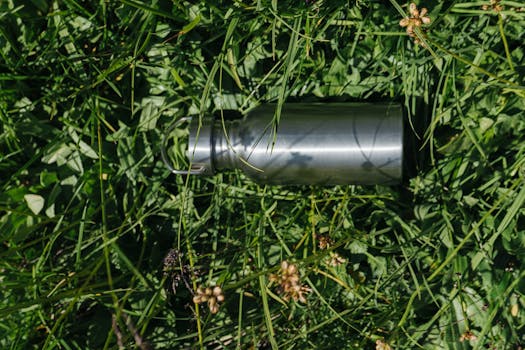
Water Purification: Single-use plastic water bottles are an environmental disaster. Enter innovative water purifiers that go beyond simple filters. The Grayl GeoPress Purifier Bottle (around $90-100) is a marvel. It not only filters out particulates but also purifies against viruses and bacteria, all with a simple press. It’s a game-changer for international travel, especially in places where tap water isn't safe. I used my GeoPress religiously during a backpacking trip through Vietnam, saving countless plastic bottles and never once getting sick. The peace of mind is invaluable, and the water tastes surprisingly good!
Compact Coffee Solutions: For coffee lovers, the AeroPress Go (around $40) is a compact, durable, and highly efficient coffee maker that produces delicious coffee with minimal waste. Pair it with a collapsible silicone cup (like those from Stojo or Hydro Flask Journey Series) and you've eliminated daily single-use coffee cups.
Performance Perks:
- Self-Sufficiency: Charge devices and purify water anywhere, reducing reliance on infrastructure and single-use items.
- Reliability: Built for the road, these gadgets are often more rugged than their mainstream counterparts.
- Waste Reduction: Drastically cut down on plastic bottle and coffee cup waste.
- Cost Savings: Over time, purifying your own water and making your own coffee saves serious cash.
Pro Tip: Prioritize devices that use rechargeable batteries and are designed for repairability. Look for multi-functional items to reduce your overall tech footprint.
Beyond the Obvious: Small Wonders with Big Impact
Sometimes, the biggest impact comes from the smallest changes. These are the unsung heroes of sustainable travel that often go unnoticed but make a huge difference in waste reduction and personal well-being.
The Innovation:
- Solid Toiletries: Shampoo, conditioner, and even body wash bars (like those from Ethique, starting around $15-20 per bar) are concentrated, plastic-free, and last much longer than liquid versions. They're also leak-proof – a traveler's dream! My toiletry bag has never been lighter or less prone to explosive accidents since I switched to bars.
- Toothpaste Tablets: Brands like Bite or Georganics offer toothpaste in chewable tablet form, eliminating the need for plastic tubes. They’re mess-free and perfectly portioned.
- Reef-Safe Sunscreen: Traditional sunscreens contain chemicals like oxybenzone and octinoxate that are toxic to coral reefs and marine life. Brands like Stream2Sea or Badger Balm offer mineral-based, reef-safe options (around $15-25) that protect your skin without harming the ocean. This is non-negotiable for any coastal or island adventure, especially in places like the Maldives or the Great Barrier Reef.
- Reusable Cutlery & Straw Sets: A compact bamboo or stainless steel cutlery set (around $10-20) with a cleaning brush and canvas pouch can live in your daypack, ready for street food or take-out. Say goodbye to flimsy plastic forks!
- Biodegradable Wet Wipes (use sparingly!): While not a perfect solution, if you absolutely need wipes, opt for truly compostable, plant-based options from brands like Wipeys or Combat Wipes. Remember, even "biodegradable" doesn't mean flushable – always dispose of them properly.
Performance Perks:
- Space-Saving & Lightweight: Concentrated and bar forms drastically reduce bulk.
- Leak-Proof: No more messy spills in your luggage.
- Chemical-Free & Ocean-Friendly: Protect your skin and the environment simultaneously.
- Waste Reduction: Eliminate single-use plastics from your daily routine.
Pro Tip: Start small. As your current products run out, replace them with a sustainable alternative. You'll be surprised how quickly your travel routine becomes plastic-free.
The Future is Circular: What to Look For Next
The innovation pipeline for sustainable travel gear is buzzing. As travelers, our demand fuels this progress. Here’s a peek at what’s on the horizon and what to keep an eye out for:
- Bio-fabricated Materials: Imagine backpacks made from mushroom leather (mycelium) or pineapple leaf fibers. These materials are already being developed and will soon offer incredibly durable, animal-free, and biodegradable alternatives to traditional leather and synthetics.
- Advanced Recycling Technologies: Beyond simply melting down plastic bottles, new technologies are emerging that can break down complex textiles into their raw components, allowing for infinite recycling loops for clothing and gear.
- Rental & Subscription Models: Why buy when you can rent? Services for high-performance gear (tents, skis, specialized jackets) are becoming more prevalent, promoting shared resources and reducing individual consumption.
- AI-Powered Repair Guides & Services: Imagine a future where your gear can tell you exactly what’s wrong and how to fix it, or connect you with local repair services globally. Longevity is the ultimate sustainability.
To identify truly innovative gear from clever marketing, dig deeper. Look for transparency reports from brands, third-party certifications, and genuine testimonials from adventurers. Ask questions about their supply chain, their end-of-life solutions for products, and their commitment to ethical practices.
Embrace the Upgrade: Travel Better, Live Lighter
My journey from that plastic-strewn beach to a fully kitted-out sustainable traveler has been incredibly rewarding. It’s not about being perfect; it’s about making conscious choices, one item at a time. The exciting truth is that sustainable travel gear isn’t a sacrifice – it’s an upgrade. It performs better, lasts longer, and allows you to explore our magnificent planet with a clear conscience.
You have the power to be an early adopter, to support the brands pushing the boundaries, and to inspire others to follow suit. Imagine a world where every traveler chooses gear that gives back more than it takes. That’s the future I’m traveling towards, and I invite you to join me.
So, what are you waiting for? Take a look at your current gear. Is there an item you can upgrade to a more sustainable, high-performing alternative? Start small, experiment, and get ready to experience travel like never before.
Share your favorite sustainable travel gear finds in the comments below! What innovations have you discovered that outperform the mainstream? Let's inspire each other!
---