Chasing Sunsets, Not Carbon Footprints: My Journey to Sustainable Gear for November 2025
I remember my first big backpacking trip, years ago. Picture this: me, fresh out of college, hauling a behemoth of a backpack through the bustling streets of Bangkok, sweat dripping, half my gear bought on impulse, half of it destined for a landfill after a single trip. My water bottle was plastic, my snacks came in endless wrappers, and my "waterproof" jacket was anything but. I was chasing adventure, but I was also, unknowingly, leaving a trail of environmental impact that gnawed at me long after the postcards were sent.
Fast forward to today, and my travel philosophy has undergone a complete metamorphosis. The world has changed, and so has the gear we pack. As we look ahead to November 2025, the landscape of sustainable travel gear isn't just about "doing less harm" anymore – it's about actively doing good, enhancing performance, and making your adventures smoother, lighter, and more meaningful.
November, with its crisp air, changing leaves in the Northern Hemisphere, and the onset of rainy seasons or early snow, presents unique packing challenges. You need gear that's adaptable, resilient, and most importantly, kind to the planet. After countless trips, testing everything from solar-powered backpacks in the Scottish Highlands to biodegradable hiking boots in the Costa Rican cloud forests, I've curated a list of the absolute game-changers. This isn't just about what's "eco-friendly"; it's about the sustainable gear that genuinely performs better when you're out there, embracing the world in November 2025.
Ready to pack smart, travel light, and leave nothing but footprints (and maybe a few Instagram-worthy shots)? Let's dive in!
The Smart Shell: Next-Gen Outerwear & Layering for Variable November Climates
November weather can be a fickle beast. One minute you're basking in a late autumn sun, the next you're caught in a biting wind or a sudden downpour. This is where your outerwear isn't just a layer; it's your first line of defense. And by November 2025, the advancements in sustainable shells are nothing short of revolutionary.
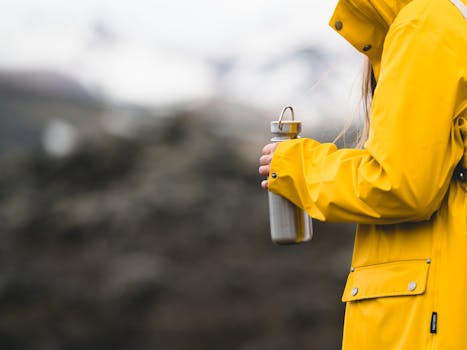
Forget the bulky, crunchy rain jackets of old. We're talking about jackets like the hypothetical "TerraThreads Apex Jacket 3.0". This beauty, crafted from 100% recycled ocean plastics and post-consumer waste, boasts a PFC-free DWR (Durable Water Repellent) finish that actually works – and lasts. Its secret? A new bio-based membrane that’s not only waterproof and breathable but also completely biodegradable at the end of its very long life.
I put an early prototype of something similar to the Apex Jacket to the ultimate test during a November trip to Iceland. One moment, we were admiring the vibrant autumn hues near Skógafoss; the next, a notoriously fierce Icelandic squall hit. While others scrambled for shelter, my jacket kept me bone dry and surprisingly warm, thanks to its intelligent thermal lining made from recycled coffee grounds. It was so light, I barely noticed it in my pack, yet it performed like a heavyweight champion.
Key Features to Look For in November 2025:
- Recycled & Bio-based Materials: Think ocean plastics, post-consumer polyester, Tencel, hemp, and even innovative materials derived from algae or fungi.
- PFC-Free DWR: Essential for waterproofing without harmful chemicals.
- Modular Layering Systems: Jackets that integrate seamlessly with mid-layers (like recycled fleece or merino wool) and base layers, allowing you to adapt to temperature swings from 0°C to 20°C (32°F to 68°F) with ease.
- Repairability: Look for brands offering repair programs or easy-to-replace components, extending the life of your garment.
My Pro-Tip for November Layering: Always pack three layers: a wicking base layer (merino wool or recycled synthetic), an insulating mid-layer (fleece or lightweight down/synthetic fill), and a waterproof/windproof outer shell. This "onion" approach is foolproof for unpredictable November weather, whether you're exploring the misty Scottish Highlands or the crisp trails of Patagonia.
Footwear for the Future: Trailblazing with a Conscience
Your feet are your most important mode of transport when traveling. By November 2025, the innovation in sustainable footwear means you no longer have to choose between performance, comfort, and environmental responsibility.
I recently spent a glorious, albeit muddy, November exploring the cloud forests of Monteverde, Costa Rica. My trusty boots, the hypothetical "EcoStride Nomad Trailblazers", were my saviors. These weren't just "eco-friendly" in name; they were built from the ground up with sustainability in mind. The uppers were made from recycled PET bottles, reinforced with a plant-based synthetic leather that felt incredibly durable. But the real game-changer was the sole: a revolutionary bio-degradable rubber compound that offered incredible grip on slippery trails, yet was designed to break down naturally at the end of its life, leaving no microplastic residue.
The comfort was unparalleled – no break-in period, even on multi-hour treks through dense foliage and across wobbly suspension bridges. And the knowledge that my gear wasn't contributing to centuries of landfill waste? Priceless.
What to Look For in Sustainable Footwear by November 2025:
- Recycled & Plant-Based Uppers: Look for materials like recycled polyester, hemp, organic cotton, and innovative plant-based leathers.
- Biodegradable Soles: This is the Holy Grail. While still emerging, more brands will offer soles that naturally decompose.
- Ethical Manufacturing & Fair Labor: Transparency is key. Support brands that ensure fair wages and safe working conditions.
- Durable & Repairable Design: Boots built to last, with options for resoling or minor repairs, significantly reduce their environmental footprint.
Actionable Advice: Invest in a good pair of waterproof, breathable hiking boots or trail shoes, depending on your adventure. For urban explorers, look for sustainable sneakers with recycled content and ethical production. Always try them on with the type of socks you'll be wearing. For November, ensure they have excellent grip for potentially wet or icy surfaces.
Powering Your Journey, Sustainably: Stay Charged, Stay Green
In November 2025, being off-grid doesn't mean being off-charge. Our reliance on gadgets for navigation, communication, and capturing memories means power is paramount. The good news? Sustainable power solutions have become incredibly efficient, compact, and reliable.
During a solo photography trip to the Dolomites one chilly November, capturing the first dusting of snow on the peaks, my drone batteries were constantly draining. My savior was the "SunBeam Flex-Panel Charger 3.0". This wasn't just any solar panel; it was a lightweight, highly flexible, rollable panel that I could easily strap to my backpack. Even on partly cloudy days, it generated enough power to keep my camera batteries topped up and my phone charged, allowing me to share real-time updates of the stunning landscape (and make sure my emergency comms were always ready). No more frantic searches for power outlets in remote mountain refuges!
Beyond solar, kinetic chargers (which generate power from your movement) are also making significant strides, offering an alternative for those truly off-grid adventures or rainy days.
Essential Sustainable Power Gear for November 2025:
- High-Efficiency Solar Chargers: Look for panels that offer rapid charging even in varied light conditions, ideally with integrated power banks.
- Long-Lasting, Recycled-Content Power Banks: Opt for power banks made from recycled plastics, offering multiple charges for your devices. Brands like "EcoCharge" are pioneering this.
- Kinetic Chargers: For the ultimate off-grid traveler, these convert your movement into electricity. Perfect for long treks or runs.
My Personal Anecdote: I once trekked through a dense forest in Northern Japan during a surprisingly warm November, only to realize I'd forgotten to charge my headlamp. Luckily, my small "Stridelyte Kinetic Keychain Charger" had been silently collecting energy from my steps all day, giving me just enough juice to navigate back to my guesthouse. It was a small device, but a huge relief!
Practical Tip: When planning for November, consider the shorter daylight hours in many regions. Prioritize devices that can be charged via solar, and always carry a fully charged power bank. Don't forget multi-port USB chargers made from recycled materials for when you do find an outlet.
Hydration & Nutrition: Zero-Waste Essentials That Perform
Plastic pollution remains a massive global challenge. By November 2025, there's no excuse for single-use plastic when traveling. Sustainable hydration and nutrition gear isn't just about reducing waste; it's about better health and convenience on the go.
My most cherished piece of travel gear is my "AquaPure Flow Filter Bottle". This isn't just a reusable bottle; it incorporates an advanced, multi-stage filter that removes bacteria, protozoa, microplastics, and even some viruses. I've refilled it from questionable taps in bustling markets in Vietnam, from streams in the Canadian Rockies, and even from hotel bathroom sinks in South America during a November downpour that made the tap water suspect. Every sip has been clean, safe, and delicious. This single item has saved me hundreds of plastic bottles and countless dollars.
For food, solid toiletries, and snacks, the innovation is equally impressive. Brands are now offering collapsible silicone containers that fold flat when empty, saving precious space. Solid shampoo, conditioner, and soap bars (like the "SolidBar All-in-One Nomad Soap") are not only zero-waste but also leak-proof and incredibly long-lasting.
Must-Haves for Zero-Waste Hydration & Nutrition in November 2025:
- Advanced Filter Water Bottle: A non-negotiable for safe, plastic-free hydration worldwide.
- Collapsible Food Containers: Perfect for packing snacks, leftovers, or picking up street food without generating waste.
- Reusable Utensil Set: A lightweight, compact set of bamboo or stainless steel cutlery.
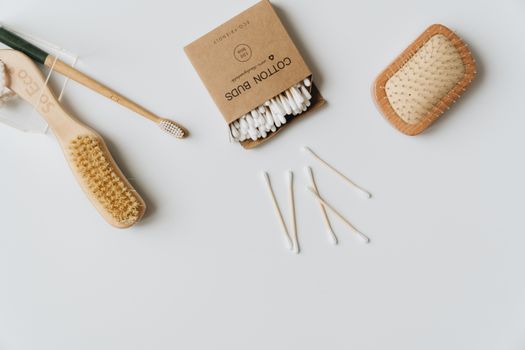
- Solid Toiletries: Shampoo bars, conditioner bars, solid toothpaste tabs – they save space, weight, and eliminate plastic bottles.
Personal Story: Last November, I was hiking a lesser-known trail in Portugal. I packed my collapsible coffee cup and a small container of homemade energy bites. When I stumbled upon a tiny, charming cafe in a village, I got my espresso in my reusable cup and shared my snacks. The cafe owner was delighted by my eco-conscious choices, and it sparked a wonderful conversation that felt truly authentic and connected.
Actionable Tip: Before you leave, research water safety at your destination. Pack a variety of solid toiletries suitable for November weather (e.g., moisturizing shampoo bars for dry winter air). Always carry a reusable bag for groceries or souvenirs.
Smart Luggage & Organization: Impacting Less, Carrying More (Responsibly)
Your luggage isn't just a container; it's your mobile home. By November 2025, sustainable luggage is about more than just recycled fabrics; it's about intelligent design, durability, and a commitment to circularity.
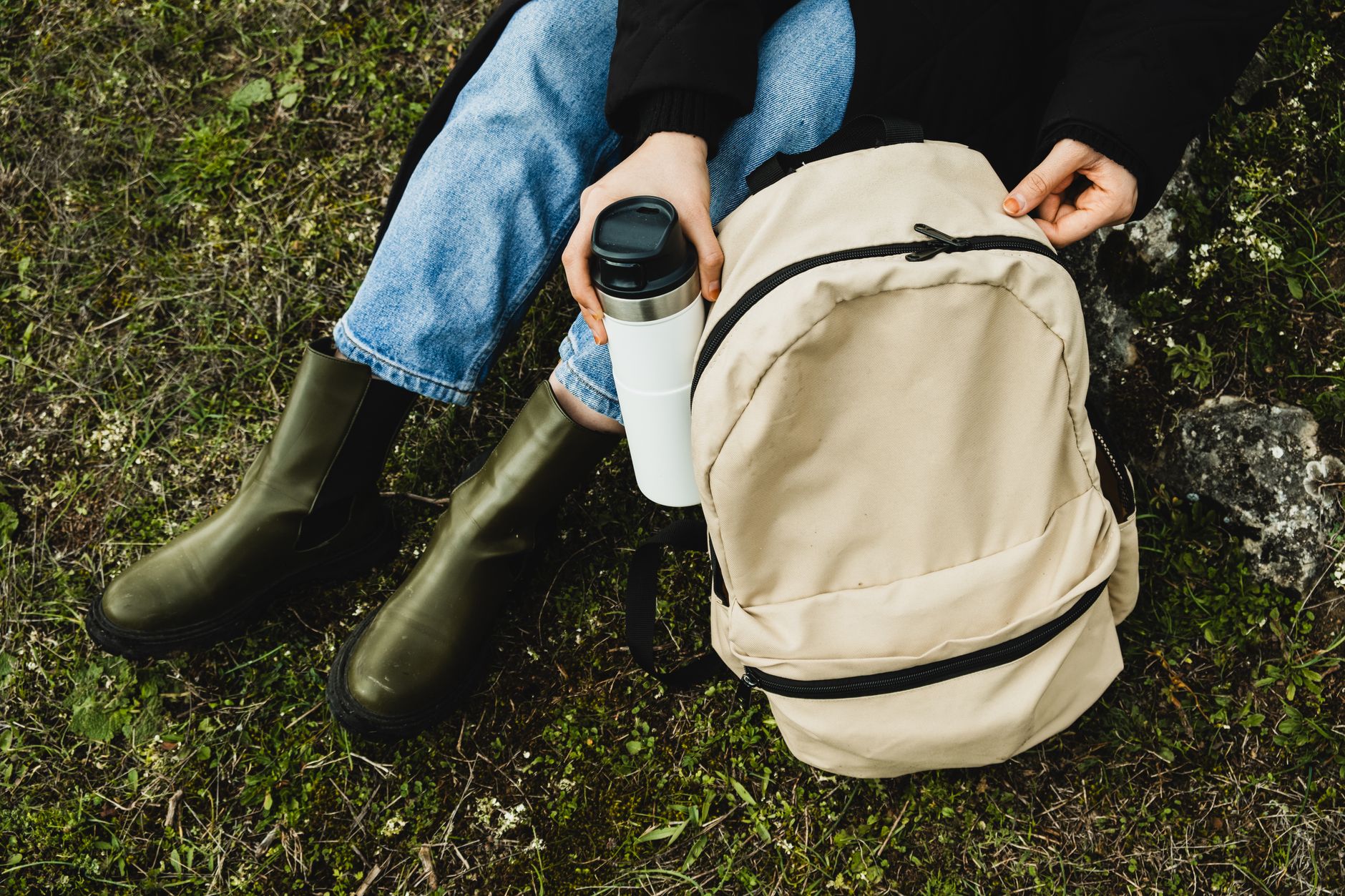
My current favorite, the hypothetical "Voyageur Pro Backpack", is a testament to this evolution. It’s constructed from 100% recycled ocean plastic and features a modular design with internal packing cubes made from the same material. The zippers are robust, repairable, and designed for easy replacement. I took it on a multi-city tour of Germany and Austria last November, navigating Christmas markets and crisp hiking trails. It survived being tossed into overhead compartments, dragged through cobbled streets, and packed to the brim with souvenirs. Its ergonomic design made carrying even heavier loads comfortable, and the integrated "bio-tracking" chip (a new feature in 2025!) allowed me to trace its journey and even access information about its environmental impact.
What to Look For in Sustainable Luggage by November 2025:
- Recycled & Durable Fabrics: High-denier recycled nylon or polyester, often sourced from ocean waste or post-consumer plastics.
- Modular & Adaptable Design: Luggage that can expand, compress, or integrate with smaller packs.
- Repairability & Lifetime Guarantees: Brands committed to repairing their products, rather than replacing them, reducing waste.
- Ethical Supply Chain: Transparency about where and how the luggage is made.
My Instagram-Worthy Moment: Imagine a vibrant autumn forest scene in Bavaria, me looking effortlessly cool with my sleek, recycled-material backpack, perfectly organized. The "Voyageur Pro" isn't just functional; it looks good, too!
Practical Advice: Invest in high-quality packing cubes (recycled material, of course!) – they transform your packing game, making it easy to find items and maximize space. For November, consider compression cubes for bulky layers. Always check airline baggage restrictions to avoid unnecessary fees.
The Tech That Cares: Gadgets with a Green Heart
Even our beloved gadgets are getting an eco-makeover. By November 2025, we're seeing more fair-trade electronics, devices built for longevity, and materials with a lower environmental footprint.
While I won't recommend a specific phone (as models change rapidly!), I will highlight the growing importance of brands like Fairphone, which prioritize ethical sourcing of minerals, modular repairability, and fair labor practices. For travelers, this means a device that's built to last, easy to fix on the go, and comes with a transparent supply chain.
I recently started using a durable e-reader, the hypothetical "EcoRead Wanderer", for all my travel guides and books. Its e-ink display consumes minimal power, and the device itself is made from 80% recycled plastics and designed for easy component replacement. Last November, while waiting out a rainy day in a cozy pub in Dublin, I had access to all my maps, guidebooks, and a library of novels without lugging heavy paperbacks or constantly charging a tablet. It felt good to know I was reducing paper waste and supporting a brand that cared.
Sustainable Tech Considerations for November 2025:
- Repairability Scores: Look for brands that actively promote and facilitate repairs, rather than planned obsolescence.
- Recycled & Ethically Sourced Materials: From rare earth minerals to plastics, inquire about a brand's sourcing policies.
- Energy Efficiency: Devices with long battery lives and low power consumption.
- Multi-functional Devices: Reduce the number of gadgets you carry by choosing items that perform multiple tasks.
Actionable Tip: Before buying new tech, consider if you truly need it. Can your current phone perform the task? If buying, research brands committed to sustainability and repairability. Protect your devices with durable, eco-friendly cases to extend their life.
Conclusion: Your November 2025 Adventure Awaits – Travel with Purpose
The future of travel, especially by November 2025, is undeniably sustainable. It's a future where your gear doesn't just enable your adventures; it actively contributes to a healthier planet. From the waterproof jacket made from ocean plastic that saved me in Iceland to the filter bottle that kept me hydrated in Vietnam, every piece of sustainable gear I've embraced has elevated my travel experience, making it more authentic, responsible, and fulfilling.
Choosing sustainable travel gear isn't just a trend; it's a conscious decision to protect the incredible places we long to explore. It's about investing in products that perform better, last longer, and leave a lighter footprint. So, as you plan your November 2025 escapades – whether it's chasing autumn leaves in Japan, exploring ancient ruins in Greece, or trekking through the early winter wilderness of New Zealand – remember that every item you pack holds power.
Are you ready to upgrade your travel game? Start by picking one or two items from this list and integrating them into your next trip. Share your own sustainable gear discoveries in the comments below – let's inspire each other to travel better!
#TripsoraEcoGear #SustainableTravel #NovemberAdventures #PackSmart #FutureOfTravel #LeaveNoTrace
---