The Gear That Changed My Life: How Sustainable Choices Made Me a Better Traveler (and Human)
There’s a moment etched into my memory, clear as the turquoise waters of El Nido, Philippines. I was on a remote island hopping tour, surrounded by breathtaking limestone karsts and vibrant coral reefs. As our boat pulled into a pristine cove, my gaze drifted from the mesmerizing underwater world to a grim reality: plastic bottles, wrappers, and discarded flip-flops bobbing gently in the tide, an unwelcome garnish on paradise.
That wasn't my first encounter with plastic pollution, but something about seeing it in such an otherwise untouched, fragile ecosystem hit differently. It was a gut punch, a stark reminder of the footprint we leave behind, even as we seek to escape it. I looked at my own backpack – a mishmash of cheap, quickly-bought items, each likely destined for a similar fate – and felt a pang of guilt. I considered myself an eco-conscious person, but my travel habits, particularly my gear choices, weren't aligning with my values.
That day, bobbing in the South China Sea, was my epiphany. I decided then and there to embark on a radical overhaul of my travel kit. My goal wasn't just to find "eco-friendly" alternatives, but to seek out sustainable travel gear that performed better than anything I’d used before. Gear that would last longer, work harder, and ultimately, make my adventures more seamless, more enjoyable, and truly guilt-free. What I discovered didn't just change my packing list; it changed my entire approach to travel, and in many ways, my life forever.
The Epiphany: Beyond "Eco-Friendly" – Why Performance Matters
Before that moment in El Nido, "sustainable gear" often conjured images of hemp sacks and compromise. I imagined sacrificing durability, aesthetics, or functionality for the sake of the planet. I was wrong. Terribly, wonderfully wrong.
The truth is, true sustainability often demands higher performance. A product designed to last longer, withstand harsher conditions, and be repaired rather than replaced is inherently more sustainable. Better materials, ethical manufacturing, and thoughtful design often translate directly into superior performance. My journey became about finding that sweet spot where environmental responsibility met peak functionality. It wasn't just about saving the planet; it was about elevating my travel experience.
This shift in mindset led me down a rabbit hole of research, testing, and a few initial missteps. But through it all, I curated a collection of gear that I now swear by – items that have survived everything from the humid jungles of Costa Rica to the icy winds of Iceland, always performing, always inspiring.
My Backbone: The Backpack That Carries More Than Just Stuff
Let's start with the foundation of any trip: the backpack. For years, I cycled through various brands, each promising the world and delivering mediocre comfort and questionable durability. They'd rip, zippers would break, and my back would ache after a long day.
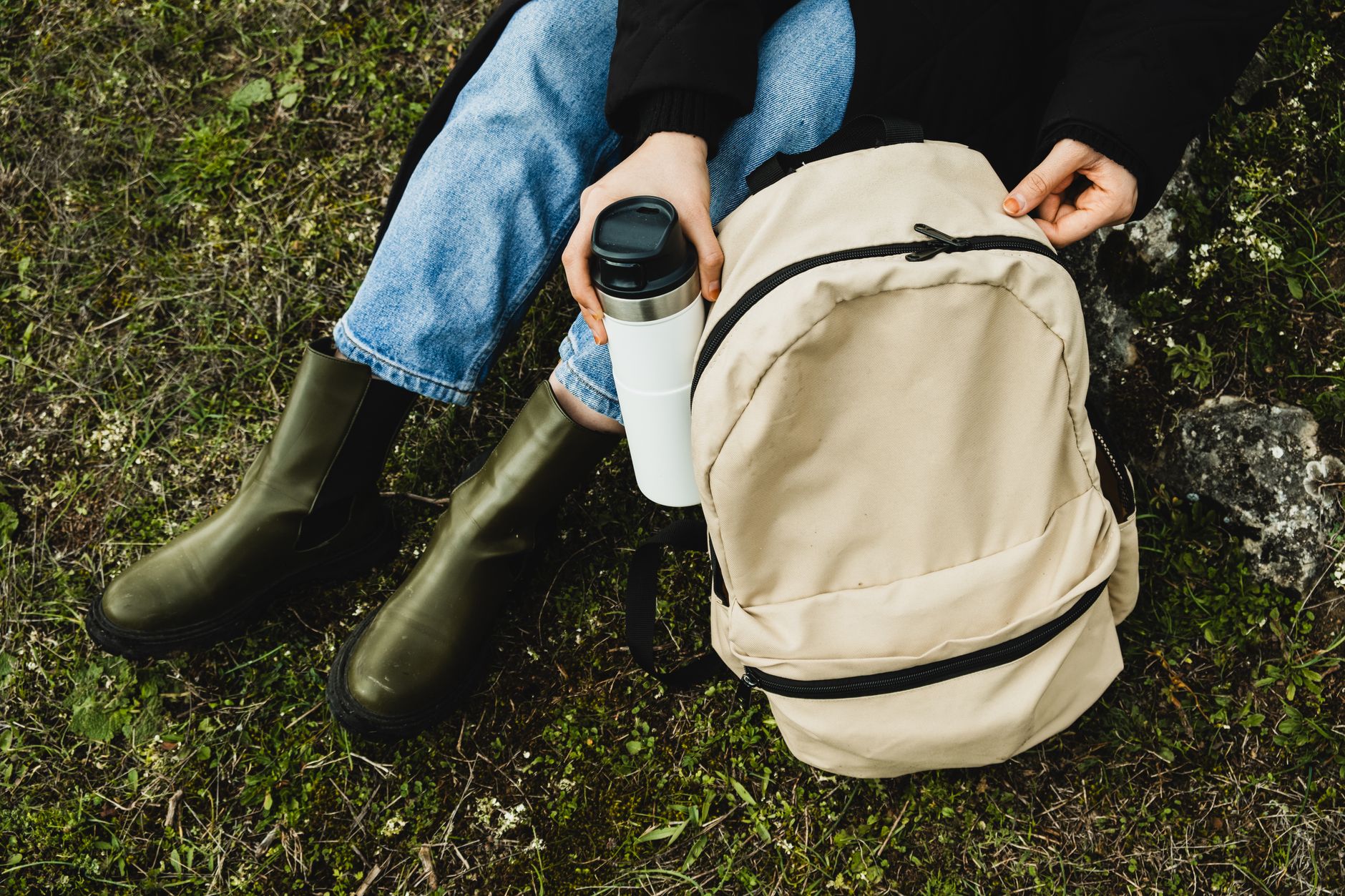
Then I discovered the Cotopaxi Allpa 35L travel pack (around $200-$220). This wasn't just a backpack; it was a statement. Made from repurposed fabric scraps, each Allpa is unique, a vibrant tapestry of colors that always sparks conversations at airports and hostels. But its beauty is more than skin deep.
Why it performs better:
- Durability: The highly durable 1000D polyester and 1680D ballistic nylon paneling are built like a tank. I've dragged it across cobblestones, crammed it into overhead bins, and thrown it onto countless buses – not a single tear or frayed seam in over three years.
- Organization: Its clamshell opening and internal mesh compartments are a game-changer. No more digging for items; everything has its place. This makes packing and unpacking a breeze, saving precious time (and sanity) on the road.
- Comfort: The padded hip belt and shoulder straps distribute weight incredibly well. I once hiked 10 miles through the cloud forests of Monteverde, Costa Rica, with a fully loaded pack, and my back felt surprisingly fresh.
- Sustainability: Beyond the repurposed materials, Cotopaxi is a certified B Corp, committed to ethical manufacturing, fair labor practices, and giving back to communities. They also offer a fantastic warranty and repair program, ensuring longevity.
Personal Anecdote: I remember scrambling onto an overcrowded chicken bus in Guatemala, my Allpa snug on my back, while other travelers struggled with bulky, ill-fitting packs. Its compact design and easy access meant I could grab my water bottle or passport without needing to remove it, a small but significant victory in chaotic situations. It’s not just a backpack; it’s a reliable travel companion.
Smart Layers for Any Climate: From Merino to Mushroom Leather (Almost!)
Clothing is where performance and sustainability truly intertwine. Fast fashion is a major polluter, and synthetic fabrics often shed microplastics. My solution? Investing in high-quality, natural fibers and recycled synthetics that outperform their cheap counterparts.
Merino Wool Base Layers (Icebreaker, Smartwool):
- Why it performs better: Merino wool is a miracle fiber. It's incredibly soft, naturally odor-resistant (you can wear it for days without it smelling!), temperature-regulating (cools in heat, warms in cold), and quick-drying. This means I pack fewer items, reducing my load and laundry frequency.
- Sustainability: Merino is a natural, renewable fiber. Brands like Icebreaker and Smartwool are committed to ethical sourcing and animal welfare.
- Specifics: I own a couple of Icebreaker Merino 150g Tech Lite II Short Sleeve Tees (around $80-100) and a Smartwool Merino 250 Base Layer Crew (around $100-120). These have been my go-to for everything from humid treks in Southeast Asia to chilly evenings in the Scottish Highlands.
Recycled Synthetic Outerwear (Patagonia):
- Why it performs better: Patagonia is a pioneer in sustainable outdoor gear, and their recycled synthetic jackets (like the Nano Puff Jacket, around $200-250) are lightweight, incredibly warm, and highly compressible. They offer excellent weather resistance and durability.
- Sustainability: Made with 100% recycled polyester fabric and insulation, Patagonia also offers an extensive repair program through their Worn Wear initiative, actively encouraging customers to fix rather than replace.
- Personal Anecdote: During a sudden downpour while exploring the ancient city of Petra, Jordan, my lightweight Patagonia rain shell kept me completely dry, while others scrambled for cover. It packs down to almost nothing, making it an essential layer for unpredictable weather.
The Zero-Waste Wonders That Simplify My Life
This category is where I saw the most immediate and profound impact on my daily travel habits and my environmental footprint. These aren't just sustainable; they genuinely make travel easier and more enjoyable.
1. Reusable Water Bottle with Filter (Grayl GeoPress/LifeStraw Go):
- Why it performs better: Access to safe drinking water anywhere is priceless. The Grayl GeoPress (around $90-100) filters viruses, bacteria, and protozoa, and removes particulates and microplastics. The LifeStraw Go (around $40-50) is also excellent for bacteria/protozoa. This means I never buy single-use plastic bottles, saving money and reducing waste.
- Sustainability: Eliminates thousands of single-use plastic bottles.
- Personal Anecdote: Trekking through the Peruvian Amazon, I confidently refilled my Grayl from streams and village taps, knowing I had clean water. Others were paying exorbitant prices for bottled water or risking illness. It’s a literal lifesaver and a budget saver!
2. Solid Toiletries (Ethique, Lush):
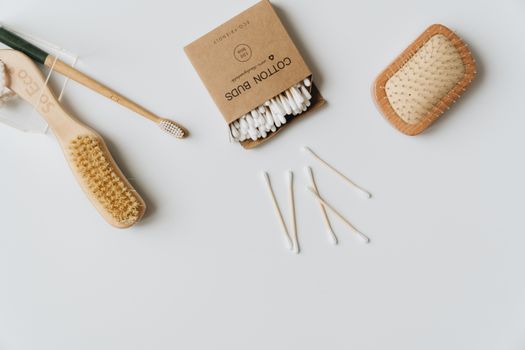
- Why it performs better: No leaks, no liquid limits at airport security, and they last forever! Shampoo bars, conditioner bars, and solid toothpaste tabs are concentrated, lightweight, and incredibly efficient.
- Sustainability: Zero plastic packaging, often made with natural ingredients.
- Specifics: I swear by Ethique's shampoo and conditioner bars (around $15-20 each). One bar lasts me months, even with daily use.
- Travel Hack: Store them in a reusable tin or a breathable mesh bag.
3. Collapsible Silicone Containers/Bags (Stasher, Stojo):
- Why it performs better: These are incredibly versatile. I use Stasher silicone bags (around $12-25) for snacks, toiletries, or even wet swimwear. My Stojo collapsible coffee cup (around $15-20) means I can grab coffee on the go without contributing to cup waste. They're lightweight, durable, and easy to clean.
- Sustainability: Replaces countless plastic bags and disposable cups.
- Personal Anecdote: On a cross-country train trip in Vietnam, my Stasher bag held fresh fruit from a market, keeping it safe and preventing me from needing plastic bags. My Stojo cup was a constant companion for roadside coffee, always ready for the next refill.
Footwear That Walks the Talk: Durability & Ethics
My feet are my primary mode of transport when traveling. Comfortable, durable, and ethically made shoes are non-negotiable.
Allbirds Tree Runners/Wool Pipers:
- Why it performs better: Allbirds (around $100-140) are incredibly comfortable, breathable, and lightweight. Their Tree Runners (made from eucalyptus fibers) are perfect for warm climates, while the Wool Pipers (made from merino wool) are cozy for cooler weather. They're machine washable, making them easy to keep fresh.
- Sustainability: Made from innovative, natural, and recycled materials like eucalyptus tree fiber, merino wool, and sugarcane-based EVA foam. Allbirds is also a certified B Corp.
- Personal Anecdote: I once walked 15 miles exploring the winding streets of Rome in my Allbirds Tree Runners. My feet, usually aching after such a feat, felt remarkably good. They’re stylish enough for city exploration but comfortable enough for long days on my feet.
Vivobarefoot Primus Lite III:
- Why it performs better: For more active travel or hiking, I turn to Vivobarefoot Primus Lite III (around $160-180). These minimalist, "barefoot" shoes offer incredible ground feel, promoting natural foot strength and balance. They're surprisingly durable and incredibly lightweight.
- Sustainability: Made from recycled PET plastic and other sustainable materials. Vivobarefoot also champions repair and repurposing, aiming for circularity.
- Personal Anecdote: Hiking through the volcanic landscapes of the Azores, these shoes provided excellent grip and allowed me to truly feel the terrain, enhancing the connection with nature. They’re a game-changer for anyone looking to strengthen their feet and improve their posture on the go.
The Tech & Gadgets That Power My Sustainable Journey
Even our gadgets can be chosen with sustainability in mind, focusing on longevity, repairability, and responsible power sources.
1. Solar Charger (Goal Zero Nomad 10 Solar Panel):
- Why it performs better: Being able to charge my phone, camera, or power bank off-grid is incredibly liberating. The Goal Zero Nomad 10 Solar Panel (around $100-120) is compact, durable, and surprisingly efficient, even on partially cloudy days.
- Sustainability: Harnesses renewable energy, reducing reliance on grid power or disposable batteries.
- Personal Anecdote: During a multi-day trek in the Himalayas, I strapped my Nomad 10 to my backpack. It kept my phone charged for navigation and photos, even when no outlets were available. It felt amazing to be self-sufficient.
2. Reusable Batteries (Eneloop Pro AA/AAA):
- Why it performs better: Investing in high-quality rechargeable batteries like Panasonic Eneloop Pros (around $25-35 for 4 AA with charger) means I never have to buy disposable batteries again. They hold their charge for a long time and perform excellently in various temperatures.
- Sustainability: Drastically reduces toxic waste from disposable batteries.
- Practical Tip: Always carry a small battery charger that can plug into a USB port.
3. Durable, Repairable Phone Cases (Pela Case):
- Why it performs better: My phone is my lifeline on the road. A Pela Case (around $40-50) offers excellent protection while being completely compostable. It's surprisingly grippy and feels great in hand.
- Sustainability: Made from flax shive, a bioplastic material that decomposes in a compost environment, leaving no permanent microplastics.
- Personal Anecdote: I'm notoriously clumsy. My Pela Case has saved my phone from countless drops on various terrains, from rocky trails to airport floors. Knowing it won't end up in a landfill for centuries gives me peace of mind.
Practical Tips for Your Sustainable Gear Journey
Ready to transform your travel? Here’s how to start:
- Research, Research, Research: Don't just buy the first "eco-friendly" item you see. Look into certifications (B Corp, Fair Trade), material sourcing, manufacturing processes, and brand transparency. Websites like Outdoor Gear Lab or ethical consumer guides are great resources.
- Invest in Quality, Not Quantity: Sustainable gear often comes with a higher upfront cost, but it pays off in longevity. A well-made item will last years, even decades, saving you money and reducing waste in the long run. Think of it as an investment in your adventures and the planet.
- Prioritize Multi-Functional Items: A sarong can be a towel, a blanket, a scarf, or a dress. A solid shampoo bar can often double as body soap. Every item you can make work harder means less to pack.
- Repair Before Replacing: Many sustainable brands offer repair services (Patagonia is legendary for this). Learn basic mending skills yourself. A small tear shouldn't mean a new purchase.
- Buy Used When Possible: Check out second-hand stores, online marketplaces, or gear swap groups. You can often find high-quality, durable gear that still has plenty of life left.
- Support Companies with Strong Ethics: Vote with your wallet. Choose brands that prioritize fair labor, environmental protection, and circular design.
- Start Small: You don't need to replace everything overnight. Pick one category – your water bottle, your backpack, or your base layers – and make a conscious, sustainable upgrade. Each small step makes a difference.
The Journey Continues: A Greener Path, a Richer Life
My journey into sustainable travel gear began with a moment of environmental guilt, but it evolved into something far more profound. It became a quest for excellence, for items that not only minimized my impact but actively enhanced my experiences. The gear I now carry is a testament to the fact that you don't have to compromise performance for principles. In fact, when you prioritize sustainability, you often discover superior quality, innovative design, and a deeper connection to the places you explore.
These items haven't just changed my packing list; they've changed my perspective. They’ve made me a more conscious consumer, a more prepared adventurer, and a more responsible global citizen. They’ve allowed me to travel lighter, save money, and feel a profound sense of alignment between my values and my actions.
So, are you ready to upgrade your adventures? To swap fleeting trends for lasting quality? To embrace gear that not only performs better but also helps preserve the very wonders you travel to see? Take that first step. Your future self, and the planet, will thank you.
Join the movement: What’s one piece of sustainable travel gear that you swear by, or are eager to try? Share your thoughts and tips in the comments below! Let's inspire each other to travel better.
---