The Day the Giant Ships Vanished
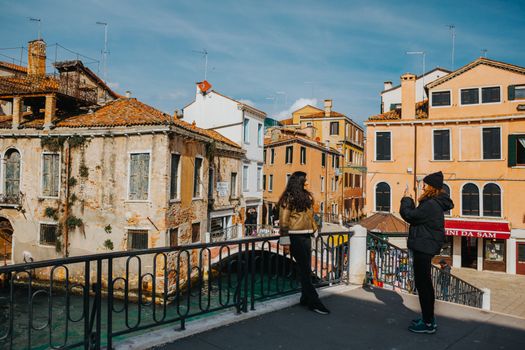
I stepped off the regional train onto the slick Istrian limestone of Venice’s Santa Lucia station at 7:15 AM. In years past, this exact moment was accompanied by the deafening hum of marine diesel generators and a wall-to-wall human tide surging off a 17-story cruise ship anchored in the Giudecca Canal.
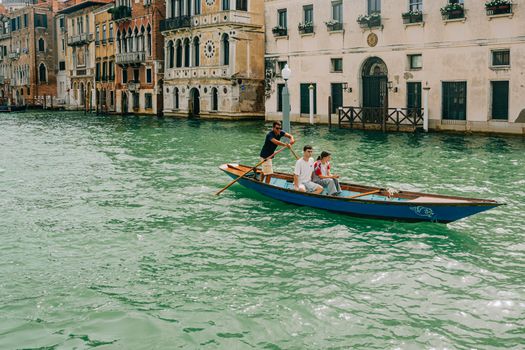
This time, the air smelled uniquely of damp morning lagoon brine, dark espresso crema, and warm frittelle pastry dough. The only sound was the rhythm of wooden oars against water and the morning bell of San Giorgio Maggiore.
By banning massive cruise ships from their delicate centers, historic ports across the globe aren't dying—they are breathing again. Local artisans are returning to historic centers, water quality is leaping back, and travelers who stay overnight are discovering the authentic soul of places long choked by day-tripper gridlock.
Travel experts agree: these restriction zones have created the single greatest slow-travel comeback of our generation. Here is where the megaships were ousted, how these destinations are thriving, and how to explore them correctly.
---
1. Venice, Italy: The Pioneer of the Megaship Ban
What Happened
In 2021, after years of UNESCO warnings and structural erosion from massive boat wakes, Italy officially banned ships over 25,000 gross tons from entering the historic Giudecca Canal and passing near St. Mark’s Square.
Why It’s Thriving Now
Venice without floating skyscrapers is a revelation. The lagoon water clarity has dramatically improved, bringing seahorses and native fish back to the inner canals. Instead of 30,000 day-trippers rushing through the Rialto Bridge between 10 AM and 4 PM, local markets like the Mercato di Rialto are packed with Venetians buying fresh soft-shell crab (moeche) and artichokes from Sant'Erasmo.
Insider Pro-Tip
- Where to eat: Skip the sit-down tourist traps near St. Mark’s. Walk into Cantina Do Mori (San Polo 429) at 11:30 AM for traditional cicchetti (small Venetian tapas). Order a plate of baccalà mantecato (creamed salt cod on crisp polenta) washed down with an ombra (a small glass of local white wine).
- Timing: Visit St. Mark’s Basilica at 4:30 PM, right after daytime excursion crowds disperse, when the interior mosaics catch the low late-afternoon sun.
``` [Venice Lagoon Waterway Restricted Zone] ============================================== | [X] Megaships (>25k tons) -> BANNED | | [✓] Vaporetti & Gondolas -> PERMITTED | | [✓] Small Craft (<25k tons) -> DOCK AT MARGHERA | ============================================== ```
---
2. Dubrovnik, Croatia: The Wall City That Reclaimed Its Soul
What Happened
In 2019, Dubrovnik launched its "Respect the City" initiative, limiting the number of cruise ships allowed to dock to a maximum of two per day, carrying no more than 4,000 total passengers.
Why It’s Thriving Now
Previously, up to 10,000 passengers would disembark simultaneously into a pedestrian zone no larger than a few football fields, turning the marble-paved Stradun into human gridlock. Today, the ancient walled city feels spacious, atmospheric, and walkable even at mid-day. Local musicians now play classical violin in acoustic alleyways without being drowned out by ship horns.
Insider Pro-Tip
- Secret Entrance: Avoid the bottleneck at the main Pile Gate. Enter the city through the northern Buža Gate. It leads straight down steep, narrow stone staircases lined with bitter orange trees.
- Cultural Experience: Head to Konoba Dubrava on Mount Srđ for a dinner of traditional peka (octopus or veal slow-cooked beneath an iron bell buried in burning embers). Must be ordered 3 hours in advance.
---
3. Amsterdam, Netherlands: Pushing Terminals Out of the Canals
What Happened
The Amsterdam city council voted to shut down its central cruise ship terminal (PTA) near the main train station, banning ocean liners from docking near the city center to reduce pollution and curb low-yield mass tourism.
Why It’s Thriving Now
Without thousands of cruise passengers pouring directly into the narrow Red Light District and canal belts, Amsterdam's historic center is pivoting back to boutique, culture-forward travel. The historic 17th-century canal ring (Grachtengordel) is regaining its tranquil neighborhood feel.
Insider Pro-Tip
- Alternative Neighborhood: Rent a bicycle and take the free ferry across the IJ river to Amsterdam-Noord. Visit the NDSM Wharf, a former shipyard turned into a sanctuary for indie art galleries, vintage flea markets, and waterfront dining.
- Local Drink: Skip generic Heineken bars. Walk into Wynand Fockink, an authentic 1679 tasting room behind Dam Square, and order an aged genever (Dutch gin). Lean over the counter to take your first sip without touching the glass—as local tradition dictates.
---
4. Bar Harbor, Maine: Grassroots Coastal Preservation
What Happened
In 2022, residents of this iconic New England harbor town voted to pass a strict limit of 1,000 cruise passengers disembarking per day—a massive reduction from the 4,000+ per day seen in previous peak autumn seasons.
Why It’s Thriving Now
Bar Harbor was in danger of becoming a seasonal cruise theme park. The passenger cap has restored sanity to Mount Desert Island and Acadia National Park. Local shuttle buses are no longer overloaded, trailheads are accessible, and the historic downtown retains its maritime village charm.
Insider Pro-Tip
- Avoiding Acadia Crowds: Instead of fighting for parking at Cadillac Mountain at sunrise, head to Gorham Mountain Trail at 2:00 PM. It offers sweeping ocean views through pitch pine forests with a fraction of the foot traffic.
- Food Secret: Skip downtown lobster halls and drive 15 minutes to Thurston's Lobster Pound in Bernard. Sit on the working dock overlooking Bass Harbor and order hard-shell lobster served with sweet corn and blueberry pie.
---
5. French Polynesia (Bora Bora): The Gold Standard of Island Limits
What Happened
French Polynesia set an unprecedented rule: ships with a capacity over 1,200 passengers are completely banned from calling at Bora Bora and surrounding islands, while ships larger than 3,500 passengers are barred from all territorial waters.
Why It’s Thriving Now
Massive liners were damaging sensitive lagoon coral ecosystems and overwhelming small island infrastructure. By enforcing small-capacity ships, French Polynesia preserved its hyper-exclusive, serene lagoon experience. Marine life, including stingrays, blacktip reef sharks, and living coral heads, is blooming across the shallow lagoons.
Insider Pro-Tip
- Where to Stay: Pass on corporate resort chains and book a stay at an authentic family-run pension (guesthouse) on the main island, such as Pension Alice et Raphaël.
- Local Cuisine: Dine at roadside food vans known as Les Roulottes in Vaitape. Order a plate of Poisson Cru—fresh red tuna marinated in lime juice, tossed with cucumber, tomatoes, and freshly squeezed coconut milk.
---
Strategic Travel Logistics: Quick Facts & Budget Guide
Plan your land-based or small-ship alternative itinerary using our quick-reference guide below:
| Destination | Best Slow-Travel Window | Daily Budget ($ USD) | How to Get There (Cruiseless) | | :--- | :--- | :--- | :--- | | Venice, Italy | Oct – April (Shoulder/Winter) | $180 – $350 | Direct train via Milan or Frecciarossa high-speed rail. | | Dubrovnik, Croatia | May or September | $140 – $280 | Direct flights to DBV or coastal ferry from Split. | | Amsterdam, Netherlands | April – June | $200 – $400 | Eurostar train directly from London, Paris, or Brussels. | | Bar Harbor, Maine | Late August – Early October | $160 – $320 | Fly to Bangor (BGR), rent a vehicle or take the Downeast Express. | | Bora Bora | May – October | $400 – $900+ | Flight to Tahiti (PPT), then domestic Air Tahiti hop to BOB. |
---
The Slow Travel Playbook: How to Experience These Ports Right
If you want to experience these destination powerhouses in their restored glory, throw out the old mass-tourism playbook. Here is how experts recommend traveling to restricted ports:
1. The "Reverse Hours" Strategy
Cruise ships (and even land tours) operate on a rigid 9:00 AM to 4:00 PM schedule. To experience complete magic:
- 06:30 AM – 09:00 AM: Walk the streets when local bakeries unlock their doors and street sweepers clean the stone corridors.
- 12:00 PM – 03:30 PM: Retreat inside museums, shaded courtyards, or take an afternoon riposo / nap.
- 06:00 PM onwards: The city belongs entirely to land-based travelers and locals. This is when real authentic nightlife begins.
2. Choose Micro-Cruises or Sailing Expeditions
If you love ocean travel, switch from 5,000-passenger mega-resorts to small-ship expedition vessels (under 150 passengers) or private catamaran charters. These smaller vessels can anchor in shallow waters, access small community ports, and contribute directly to regional island economies without suffocating small towns.
3. Sleep Inside the Historic Core
Day-trippers leave at 5:00 PM. By booking a boutique hotel, historic guesthouse, or apartment rental directly inside the historic town center, your tourist taxes stay local, directly funding local municipal restoration efforts.
---
The Future of Travel Belongs to the Patient
The era of floating mega-cities crushing historic ports is coming to a close—and that is a good thing for real travelers. By curbing the overwhelming impact of megaships, destinations like Venice, Dubrovnik, and Bar Harbor are preserving their unique cultural heritage for generations to come.
When you strip away the chaos of mass tourism, you aren't left with empty streets; you're left with real life. Choose slow travel, respect local caps, and prepare to fall in love with these thriving spots all over again.
---