The Silence of the Lagoon: A New Era of Travel
I stepped off the vaporetto at the San Marco Vallaresso stop at 6:30 AM, and for the first time in a decade, I didn’t hear the low-frequency thrum of a 100,000-ton diesel engine vibrating through my boots. Instead, I heard the rhythmic slap-slap of the tide against the salt-crusted Istrian stone. I smelled the briny, sharp scent of the Adriatic, no longer masked by the sulfurous exhaust of a ship towering over the Doge’s Palace.
Venice is breathing again.
For years, the travel industry whispered that banning cruise ships would be the death knell for local economies. They were wrong. Today, the destinations that had the "audacity" to say no to mass-market cruising are not just surviving; they are evolving into high-value, high-authenticity havens for the discerning traveler. If you’re tired of shuffling through crowds of 6,000 day-trippers to see a single landmark, this is your roadmap to the world’s most successful "reclaimed" cities.
---
1. Venice, Italy: The Reclaimed Queen
In 2021, Italy officially banned large cruise ships from the Giudecca Canal and the heart of the Venetian lagoon. The result? A city that feels like a city again, not a theme park.
Without the "hit and run" crowds that arrive at 10 AM and vanish by 5 PM, the evening passeggiata has returned to its former glory. You can actually find a seat at a bacaro in Cannaregio without being elbowed by someone looking for a chain pharmacy.
- The Vibe: Sophisticated, quiet, and unapologetically local.
- Pro-Tip: Skip the €80 gondola ride. Take the Traghetto (a public gondola ferry) across the Grand Canal for just €2. It’s how the locals do it, and the view of the Rialto is just as stunning.
- The Insider Spot: Head to Libreria Acqua Alta during high tide. It’s a bookstore where the books are kept in bathtubs and boats to keep them dry—a testament to Venetian resilience.
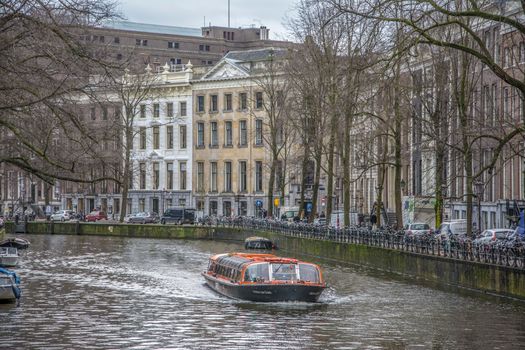
2. Amsterdam, Netherlands: Moving the Horizon
Amsterdam recently made headlines by voting to close its central cruise terminal, effectively pushing the massive ships to the outskirts of the city. The goal? To reduce pollution and reclaim the "Old Center" for residents and slow-travelers.
The city is pivoting toward "quality over quantity." By discouraging the "party boat" atmosphere, Amsterdam has seen a surge in boutique hotel openings and a renewed focus on its world-class museum district.
- The Vibe: Artistic, bike-centric, and increasingly green.
- Pro-Tip: To see the canals without the crowds, rent an electric "whisper boat" in the Jordaan district. You pilot it yourself, and the silence allows you to hear the bells of the Westerkerk clearly.
- The Insider Spot: Visit De Kas in Park Frankendael. It’s a restaurant located in a 1920s greenhouse where the menu changes daily based on what’s harvested from their own garden that morning.
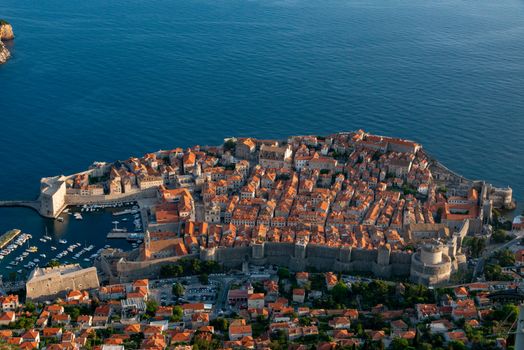
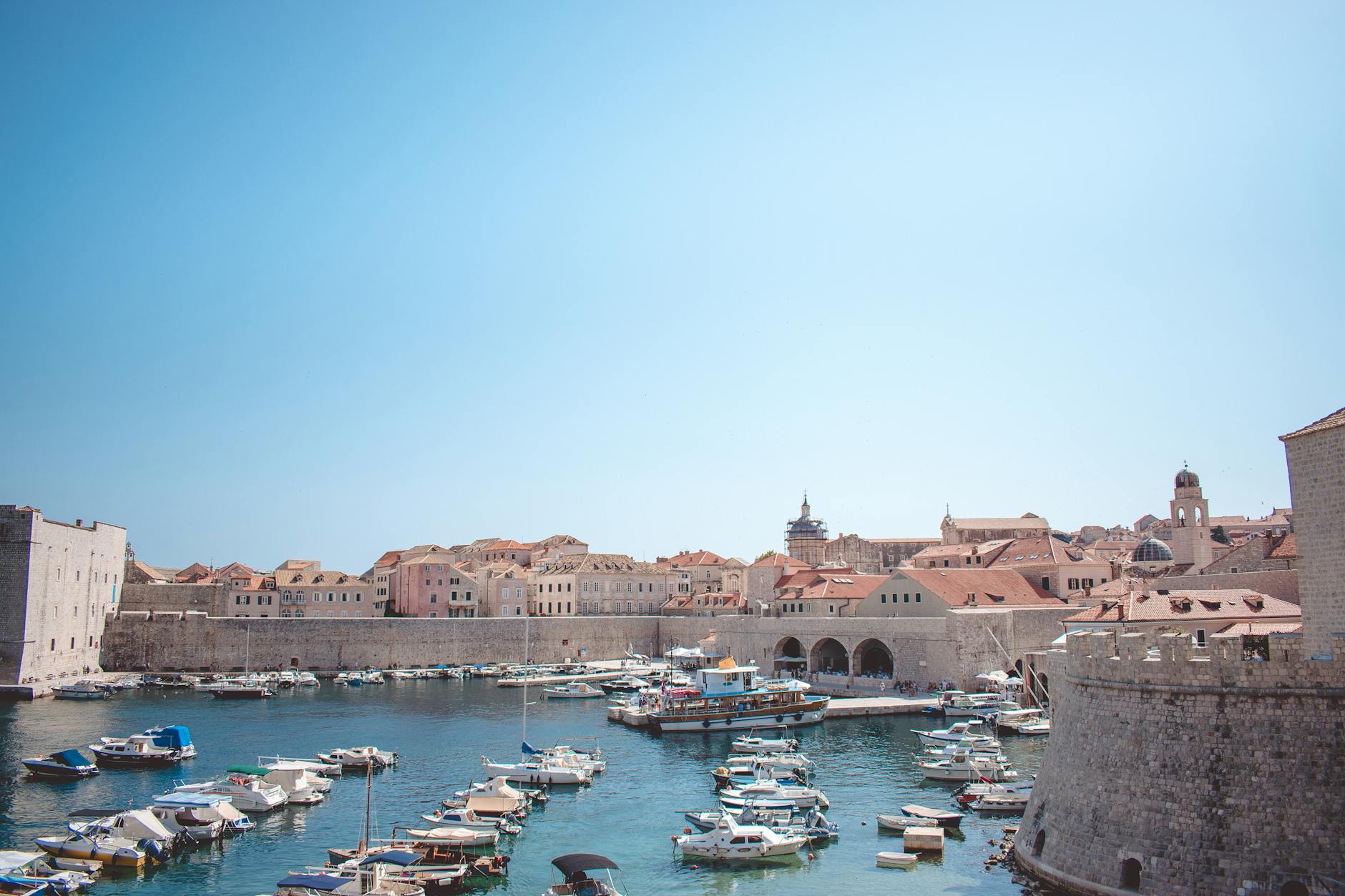
3. Dubrovnik, Croatia: Beyond the Walls
The "Pearl of the Adriatic" was once the poster child for overtourism. At its peak, five mega-ships would dock simultaneously, dumping 10,000 people into a medieval walled city the size of a few football fields.
Under the "Respect the City" initiative, Dubrovnik has strictly limited the number of ships and arrivals. The difference is palpable. The limestone-slicked Stradun now glows under the moonlight rather than being obscured by selfie sticks.
- The Vibe: Regal, historical, and sun-drenched.
- Pro-Tip: Most tourists walk the walls at noon. Don't. Be there at 8:00 AM sharp when the gates open. You’ll have the terracotta rooftops and the shimmering sea views almost entirely to yourself.
- The Insider Spot: Find the "hole in the wall" bar, Buža II. You have to walk through a literal hole in the city ramparts to find a cliffside bar where you can jump straight into the sea between sips of Ožujsko beer.
4. Bar Harbor, Maine: The New England Rebellion
It’s not just Europe. Bar Harbor, the gateway to Acadia National Park, recently voted to impose a strict 1,000-passenger-per-day limit—a massive drop from the 4,000+ passenger ships that used to dominate the harbor.
The locals fought for this because they wanted to preserve the "quiet side" of the island. Now, the air is clearer, the traffic on Main Street is manageable, and the local lobster shacks are serving people who actually have time to sit down and enjoy a meal.
- The Vibe: Rugged, salty, and cozy.
- Pro-Tip: Instead of driving to Cadillac Mountain for sunrise (which requires a reservation), hike the Beehive Trail at dawn. The iron rungs and steep cliffs offer a far more rewarding view of the Atlantic.
- The Insider Spot: Grab a blueberry soda and a "Lobster Roll" at Beal’s Lobster Pier in Southwest Harbor—it’s further away from the tourists and much more authentic.
5. Santorini, Greece: Capping the Caldera
Santorini has implemented a 8,000-passenger daily cap to protect its fragile infrastructure. While that sounds like a lot, it’s a significant reduction from the chaotic days of the past.
The island is shifting its focus toward luxury oenotourism (wine tourism). Instead of crowding the Oia sunset point with 4,000 ship passengers, visitors are now spending their afternoons in the volcanic vineyards of Megalochori, tasting Assyrtiko grapes.
- The Vibe: High-end, romantic, and volcanic.
- Pro-Tip: Everyone goes to Oia for the sunset. For a better (and quieter) view, hike to the Akrotiri Lighthouse at the southern tip of the island.
- The Insider Spot: Eat at Metaxi Mas in Exo Gonia. It’s tucked behind a church and serves the best Cretan-Santorinian fusion on the island. Order the baked asparagus with local cheese.
6. Bora Bora, French Polynesia: The 1,200 Rule
Bora Bora has taken one of the boldest stances in the Pacific, banning any ship with a capacity of more than 1,200 passengers. They realized that a single mega-ship could double the island's population in an hour, straining the coral reefs and the local water supply.
This move has preserved the "Tahitian Dream." The lagoon remains a pristine shade of cerulean, and the marine life—including blacktip reef sharks and stingrays—is thriving without the heavy siltation caused by massive propellers.
- The Vibe: Tropical, exclusive, and pristine.
- Pro-Tip: Skip the overpriced resort excursions. Hire a local Tahitian guide for a private pirogue (outrigger canoe) tour. They’ll take you to "secret" sandbars the big boats can't reach.
- The Insider Spot: Head to Matira Beach at sunset. It’s the only public beach on the main island and offers the most spectacular colors as the sun dips behind Mount Otemanu.
---
Quick Facts: The "Post-Cruise" Travel Guide
| Destination | Why the Ban? | Best Time to Visit | Estimated Daily Cost ($) | | :--- | :--- | :--- | :--- | | Venice | Structural damage & pollution | May or September | $180 - $350 | | Amsterdam | Overtourism & air quality | April (Tulips) or October | $150 - $300 | | Dubrovnik | UNESCO heritage protection | June or September | $120 - $250 | | Bar Harbor | Preservation of local character | Late September (Fall foliage) | $200 - $400 | | Santorini | Infrastructure strain | May or October | $250 - $600 | | Bora Bora | Marine eco-protection | May to October | $500 - $1,200+ |
---
The Economic Pivot: Why Less is More
Critics of cruise bans often point to "lost revenue." However, the data from these thriving hubs suggests a different story.
When a mega-ship docks, passengers often have pre-paid meals on board. They spend very little on the ground—perhaps a magnet or a gelato. Conversely, "stay-over" tourists stay in local hotels, eat three meals a day in local restaurants, and hire local guides. In Venice, stay-over tourists contribute nearly 75% of the tourism revenue despite making up only 20% of the visitors.
By banning the ships, these cities are attracting a wealthier, more engaged traveler who stays longer and respects the local culture. This is the "Tripsora" way: traveling with intention, not just for the check-list.
How to Get There (Without the Ship)
- The Rail Route: For Venice and Amsterdam, the European high-speed rail network (Frecciarossa and Thalys) is faster and more scenic than any cruise arrival.
- The Small-Ship Alternative: If you love the water, look for "Expedition" or "Boutique" cruises (under 200 guests) like Aqua Expeditions or Ponant. They are often exempt from these bans because their environmental footprint is negligible.
- The Local Hub: Fly into regional airports (like Marco Polo in Venice or Čilipi in Dubrovnik) and use local ferries to arrive at your destination with your luggage and your dignity intact.
---
Final Thoughts: The Soul of a City
There is a specific kind of magic that happens when a city decides its heritage is worth more than a docking fee. You feel it in the way the shopkeepers greet you. You see it in the preservation of ancient crafts that aren't being mass-produced for a four-hour window.
These destinations aren't "closing" their doors; they are finally opening them to the right people. Are you one of them?
---