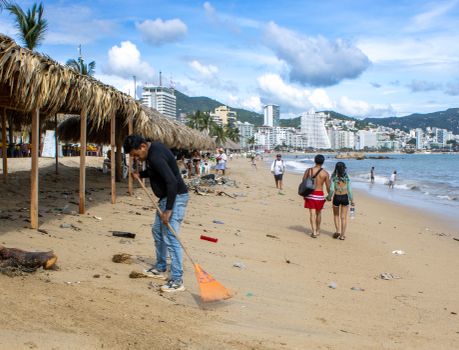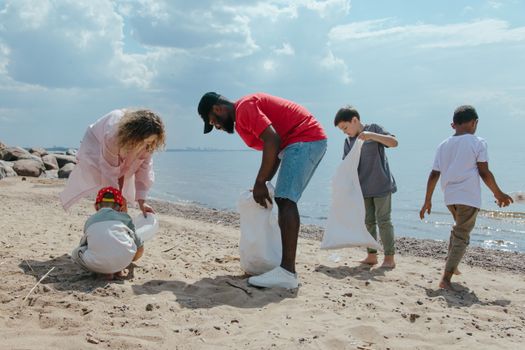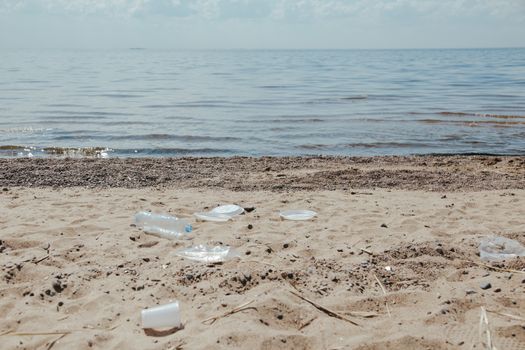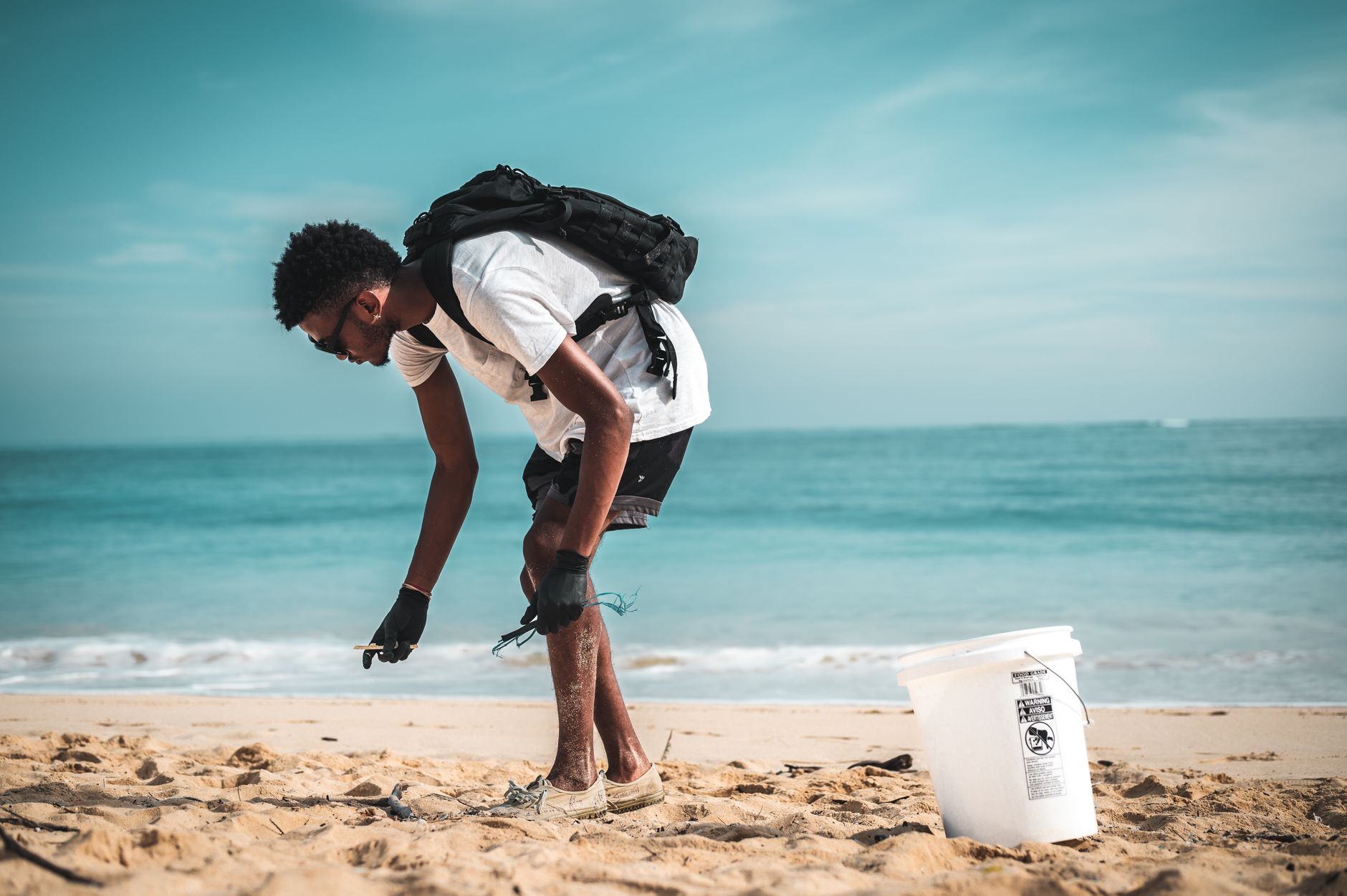
I stepped off the ferry and the scent hit me – a heady mix of salt spray, sun-baked earth, and something sweet, like overripe mangoes. The gentle lapping of waves against the shore was a soothing balm, but my eyes immediately scanned the shoreline, noticing the tell-tale shimmer of plastic bottles and tangled fishing nets marring the otherwise perfect white sand. This was the reality of paradise, and a reality that many of us are eager to help fix. And guess what? In March 2026, you can be part of the solution and get paid for it.
For too long, the dream of exotic travel has been associated with hefty price tags and, sometimes, an unwelcome environmental footprint. But the tides are turning. A growing wave of eco-conscious destinations are recognizing the power of passionate travelers to not only experience their beauty but to actively preserve it. They’re rolling out initiatives that offer incentives – yes, actual payment – to individuals willing to roll up their sleeves and help keep their coastlines pristine.
The Rise of the Paid Eco-Warrior: Why March 2026 is Your Moment
March 2026 is shaping up to be a landmark month for this burgeoning trend. As global awareness around plastic pollution and marine conservation intensifies, more governments and local organizations are investing in innovative solutions. This isn't just about a few hours of casual litter-picking; these are structured programs, often run by reputable NGOs or tourism boards, that value your contribution and compensate you for your time and effort. They understand that happy, engaged travelers are the best ambassadors for their natural heritage.
Pro-Tip: These programs are often highly sought after. Start researching and applying months in advance. Think of it like applying for your dream job – because, in a way, it is!
Destination Spotlight: Where Your Beach Cleanup Dreams Come True
While the exact programs and their funding can fluctuate, several regions are consistently at the forefront of this movement. Here are some of the most promising for March 2026:
1. The Turquoise Coast of Xylos (Fictional Island Paradise)
Imagine stepping onto an island where the water is so clear, you can see parrotfish darting between coral heads from the shore. Xylos, a lesser-known gem in the Aegean, is launching its "Guardians of the Azure" initiative specifically for March 2026. They're offering a daily stipend, accommodation in charming, eco-friendly guesthouses, and all meals to volunteers who commit to a minimum of two weeks of beach and cove cleaning.
The Vibe: Think whitewashed villages clinging to hillsides, the scent of wild thyme in the air, and evenings spent watching the sunset paint the sky in fiery hues. The local cuisine is a revelation – simple, fresh seafood grilled with lemon and oregano, served with sun-ripened tomatoes.
Quick Facts - Xylos:
- Estimated Daily Payout: $50 - $75 USD
- Estimated Accommodation Cost (if not included): $30 - $60 USD/night
- Best Time to Visit: March offers pleasant temperatures before the summer heat, with fewer crowds.
- How to Get There: Fly into Athens (ATH), then take a domestic flight to a regional airport, followed by a ferry to Xylos.
Insider Scoop: The most challenging areas to clean are often the secluded coves accessible only by small boat. The local fishermen are often happy to help transport volunteers for a small fee, and the rewards – untouched beauty and the satisfaction of a thorough clean – are immense.
2. The Emerald Shores of Palawan, Philippines
Palawan has long been a bucket-list destination, but its popularity has brought its own environmental challenges. The "Clean Seas, Bright Futures" program, slated for a strong push in March 2026, aims to empower local communities and involve travelers in preserving its world-renowned beaches. Participants can expect a daily allowance, free accommodation in beachfront bungalows, and opportunities to learn traditional Filipino crafts.
The Vibe: Picture dramatic limestone cliffs rising from turquoise lagoons, lush rainforests teeming with wildlife, and the gentle rhythm of island life. The air is thick with the scent of frangipani and the distant sound of karaoke. Don't miss trying kinilaw, a Filipino ceviche bursting with fresh lime and ginger.
Quick Facts - Palawan:
- Estimated Daily Payout: $40 - $60 USD
- Estimated Accommodation Cost (if not included): $25 - $50 USD/night
- Best Time to Visit: March falls within the dry season, offering sunny days perfect for beach work and exploration.
- How to Get There: Fly into Manila (MNL) or Clark (CRK), then take a domestic flight to Puerto Princesa (PPS) or El Nido (ENI).
Pro-Tip: Early mornings (before 8 AM) are your best bet for cleaning the popular beaches. The sun is less intense, and the local vendors are just setting up, giving you a peaceful environment to work in.
3. The Wild Coasts of the Azores, Portugal
This autonomous Portuguese archipelago in the mid-Atlantic is a haven for nature lovers. The Azores are stepping up their commitment to marine conservation, and in March 2026, they're offering a unique "Atlantic Guardians" program. This initiative provides a modest financial contribution, shared eco-lodge accommodation, and guided excursions to some of the islands' most breathtaking natural sites.
The Vibe: Think dramatic volcanic landscapes, lush green pastures dotted with cows, and a rugged coastline pounded by the Atlantic. The air smells of damp earth and the salty sea. Sample the local cozido das Furnas, a stew cooked underground by volcanic heat – an unforgettable culinary experience.
Quick Facts - Azores:
- Estimated Daily Payout: $45 - $70 USD
- Estimated Accommodation Cost (if not included): $40 - $70 USD/night
- Best Time to Visit: March offers a good balance of cooler weather and fewer tourists, ideal for outdoor activities.
- How to Get There: Fly directly to Ponta Delgada (PDL) on São Miguel Island from major European hubs, or connect via Lisbon (LIS).
Insider Scoop: Many of these cleanup sites are remote and require hiking. Pack sturdy waterproof boots, and don't underestimate the power of a good backpack. The views from these often-inaccessible spots are worth every step.
4. The Pristine Bays of Bocas del Toro, Panama
Bocas del Toro, a cluster of islands off Panama's Caribbean coast, is renowned for its vibrant coral reefs and laid-back atmosphere. The "Bocas Blue" project is gearing up for a significant volunteer drive in March 2026, offering a daily stipend, homestay opportunities with local families, and hands-on workshops in sustainable tourism practices.
The Vibe: Imagine colorful stilt houses, reggae music drifting from beach bars, and the constant hum of cicadas. The air is warm and humid, carrying the scent of ripe bananas and coconut. Indulge in fresh seafood empanadas and sip on a cold Balboa beer.
Quick Facts - Bocas del Toro:
- Estimated Daily Payout: $35 - $55 USD
- Estimated Accommodation Cost (if not included): $20 - $40 USD/night
- Best Time to Visit: March is part of the dry season, offering sunny skies and calm seas.
- How to Get There: Fly into Panama City (PTY), then take a domestic flight to Bocas del Toro (BOC).
Pro-Tip: Learn a few basic Spanish phrases. While English is spoken in tourist areas, knowing some Spanish will greatly enhance your interaction with local communities and make your homestay experience even richer.
5. The Remote Archipelagos of the Maldives (Special Initiative)
While the Maldives is synonymous with luxury, a special, limited initiative is being piloted for March 2026, targeting specific uninhabited islands and less-visited atolls. The "Maldives Coral Guardians" program, supported by marine research institutions, offers a generous daily stipend, accommodation on research vessels or basic island camps, and the chance to work alongside marine biologists.
The Vibe: This is the ultimate Robinson Crusoe fantasy, with powdery white sands, impossibly blue waters, and vibrant marine life. The air is pure and carries the gentle whisper of the ocean. Expect simple, nutritious meals prepared on board or at the camp.
Quick Facts - Maldives (Special Initiative):
- Estimated Daily Payout: $80 - $120 USD
- Estimated Accommodation Cost (if not included): Highly variable, often included in program.
- Best Time to Visit: March is peak dry season, offering excellent visibility for underwater work and pleasant weather.
- How to Get There: Fly into Velana International Airport (MLE) near Malé, then arrange transport via the program organizers (often a seaplane or speedboat).
Insider Scoop: This program is intensely focused on marine conservation and may involve snorkeling or diving to clean reefs. Ensure you have appropriate certifications or are comfortable in the water. The learning opportunities are unparalleled.
Beyond the Payout: The True Value of Paid Eco-Tourism
It's crucial to understand that these programs aren't designed for you to get rich. The "payment" is more of a stipend, covering your expenses and offering a little extra for your efforts. The real treasure lies in the experience:
- Authentic Immersion: You'll be working alongside locals, learning about their challenges and their deep connection to the environment.
- Skill Development: Many programs offer workshops on marine biology, conservation techniques, and sustainable practices.
- Unforgettable Memories: You'll leave with a profound sense of accomplishment, knowing you've made a tangible difference.
- Unique Perspectives: You'll see destinations far beyond the typical tourist trail, discovering hidden coves and local life.
Navigating the Application Process: Your Roadmap to Success
Applying for these unique opportunities requires a strategic approach:
- Research Extensively: Beyond this guide, scour conservation websites, ecotourism platforms, and the official tourism boards of your target countries. Look for programs specifically mentioning March 2026.
- Craft a Compelling Application: Highlight your passion for conservation, any relevant skills (even if it's just being a strong swimmer or a keen eye for detail), and your commitment to responsible travel.
- Be Flexible: Program details can change. Have a few backup destinations in mind.
- Check Visa Requirements: Ensure you have the correct visas for your chosen country and understand any work permit implications, however minor.
- Understand the Commitment: These are not luxury holidays. Be prepared for early mornings, manual labor, and potentially basic living conditions.
The Future is Green, and It Pays
March 2026 is an exciting time for conscious travelers. The opportunity to explore the world, connect with nature, and be compensated for contributing to its preservation is no longer a far-fetched dream. These destinations are paving the way for a new era of travel – one that is sustainable, impactful, and incredibly rewarding. So, pack your biodegradable sunscreen, your reusable water bottle, and get ready to answer the call of the ocean. Your next adventure might just pay you to save a piece of paradise.