The New Era of Eco-Arbitrage: Getting Paid to Save the Planet
I stepped off the single-prop plane in Koror, Palau, and the air hit me like a warm, salt-crusted towel. It smelled of crushed wild hibiscus, damp volcanic earth, and the sharp, clean tang of the open Pacific. I wasn’t just here to dive the legendary Blue Corner; I was here to test a wild premise: that my conscious footprints could actually fund my itinerary.
For decades, travel was purely transactional. You paid, you consumed, you left. But a quiet revolution is taking place along the world's coastlines. Driven by recent data on overtourism and marine plastic pollution, forward-thinking destinations have realized that guilt-tripping tourists doesn't work. Incentivizing them does.
Today, governments and luxury hospitality brands are offering hard financial incentives—ranging from complimentary $500-a-night resort stays to free scuba charters and local dining currencies—in exchange for beach reclamation. Welcome to the era of regenerative travel, where your labor is the hottest new global currency.
---
1. Hawaii’s Mālama Hawaii Program: Trade Sweat for Luxury Stays
``` [ Voluntourism Cleanup ] ===> [ Earn Free Nights / Discounts ] (Surfrider / Beach Clean) (Ritz-Carlton, Sheraton, etc.) ```
Hawaii is notoriously expensive. A standard ocean-view room in Maui can easily drain $700 a night from your wallet. Enter the Mālama Hawaii program ("Mālama" means to care for, protect, and preserve). In partnership with the Hawaii Tourism Authority, dozens of high-end resorts are offering a free extra night, massive room discounts, or complimentary resort credits to guests who participate in dedicated beach cleanups or reforestation efforts.
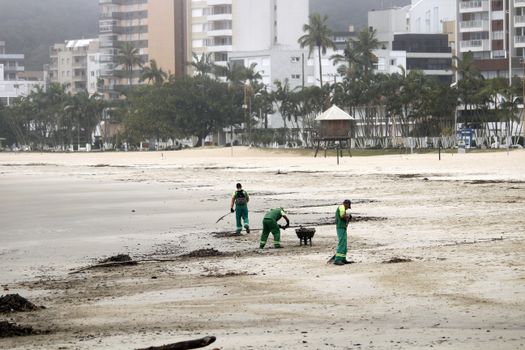
This isn't a token discount; it is a highly structured financial incentive. When you volunteer to clear microplastics and derelict fishing nets from the windward shores of Oahu or Maui, you are directly offsetting the steep cost of a Hawaiian vacation.
- The Ins and Outs: You partner with local non-profits like the Surfrider Foundation or Sustainable Coastlines Hawaii. They provide the clean-up kits, track your hours, and log your contribution.
- The Reward: Participating hotels—including the prestigious Ritz-Carlton Maui, Kapalua, and the Alohilani Resort in Waikiki—will wipe the cost of your final night off your bill or waive resort fees entirely.
- Pro-Tip: Schedule your volunteer cleanup for the second morning of your stay. Not only does this get the "work" out of the way, but it also acclimatizes you to the island's timezone early in the morning when the trade winds are calmest and the beaches are coolest.
---
2. Palau’s Ol’au Palau: The Gamified Eco-Currency That Unlocks Secret Paradises
Palau, a pristine archipelago in Micronesia, became world-famous for its "Palau Pledge," a mandatory environmental promise stamped into your passport. But they’ve recently taken it a massive step further by launching Ol’au Palau, an app-based gamified rewards system that acts as a parallel eco-currency.
``` [ Eco-Actions on App ] ===> [ Earn Points ] ===> [ Unlock Secret Experiences ] (Reef-safe sunscreen, (Private dives, elder lunches) beach cleanups, etc.) ```
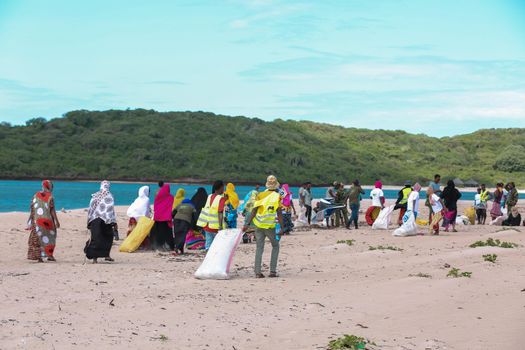
By uploading proof of sustainable actions—such as cleaning up plastic debris on the beaches of Babeldaob, using certified reef-safe sunscreen, and eating sustainably sourced local fish—you earn points. These points are not just for show; they unlock highly exclusive, money-can't-buy experiences across the islands.
- The Payout: In Palau, the most precious experiences are fiercely guarded by local clans. The points you earn from beach cleanups can be "spent" to access pristine dive sites normally closed to the public, join local fishers on traditional night-fishing excursions, or share a private, authentic taro-leaf lunch prepared by village elders in a traditional bai (meeting house).
- Pro-Tip: Download the Ol’au Palau app before you land. The local cellular provider at Roman Tmetuchl International Airport offers data packages that include bonus data specifically for running the app.
---
3. Miyakojima, Japan: The "Yui" System and Coral Reef Vouchers
Miyakojima, located in the subtropical Okinawa Prefecture, is famous for its blindingly white sand and "Miyako Blue" waters. However, ocean currents deposit significant amounts of marine debris from the East China Sea onto its northern shores.
To combat this, local tourism cooperatives have instituted the Yui Project. Tourists who collect beach plastic are rewarded with physical vouchers or digital "Yui" points.
- How it Works: Head to designated eco-stations on beaches like Maehama or Yoshino. Grab a biodegradable collection sack, fill it with marine debris, and return it to the station coordinator.
- The Payout: For every bag of trash collected, you receive vouchers redeemable at local izakayas (traditional Japanese pubs) and noodle shops. You can literally trade a sack of plastic for a steaming bowl of Okinawa Soba topped with tender, slow-braised pork belly, or a cold glass of locally brewed Orion draft beer.
- Pro-Tip: The hidden entrance to the Yoshino Beach eco-station is behind the small blue storage shed near the main parking lot. Show up at 8:00 AM; the local coordinators are incredibly friendly and will often point you toward the best snorkeling spots of the day as a thank-you.
---
4. Thailand’s Koh Tao: Free Scuba Dives and Craft Beer for Marine Cleanups
Koh Tao is the beating heart of the global diving community. But high tourist density means its fringing reefs and sandy bays require constant maintenance. To keep the island pristine, a coalition of dive shops and local businesses have created a highly successful circular eco-economy.
``` [ 1 Bucket of Marine Trash ] ===> [ Free Craft Beer / Dive Discounts ] ```
- The Incentive: Organizations like Get Wet for Clean Oceans and Trash Hero Koh Tao host weekly beach and reef cleanups. If you participate, dive schools like Roctopus Dive or Big Blue Conservation offer steep discounts on fun dives or advanced certification courses.
- The Beachfront Payoff: After a long afternoon of sifting microplastics out of the sand at Sairee Beach, you can take your collected trash bucket to participating beachfront bars (such as the Maya Beach Club). They will trade your bucket of plastic for a free craft beer, fresh coconut water, or a plate of fiery Pad Krapow.
- Pro-Tip: Focus your cleanup efforts around the rocky tidepools of Hin Wong Bay. Ocean currents trap high concentrations of colorful microplastics here. It’s tedious work, but the dive shops value this highly and will often award double eco-points for microplastics compared to larger plastic bottles.
---
5. Copenhagen, Denmark: CopenPay’s Coastal and Harbor Rewards
While not a tropical beach destination, Copenhagen’s harbor baths and coastal beaches are central to its summer culture. The city recently made global headlines with CopenPay, a brilliant green initiative designed to transform environmental action into cold, hard cultural currency.
``` [ Clean Harbor/Beaches ] ===> [ CopenPay Voucher ] ===> [ Free Kayak / Free Lunch ] ```
- The Deal: If you collect plastic waste along the city’s urban beaches or waterways, you are paid in high-value urban experiences.
- The Payout: Show your bag of collected trash at participating spots to receive free organic lunches, complimentary museum entries (including the National Museum of Denmark), or free rentals of GreenKayaks—which normally cost around $40 per hour. You get to paddle the scenic canals for free, provided you keep your onboard bucket filled with any trash you spot along the way.
- Pro-Tip: Pick up your GreenKayak near the bustling docks of Nyhavn. Paddle out toward the quieter channels of Christianshavn where wind-blown debris accumulates near the historic houseboats. It’s an incredibly scenic route that pays for itself in under an hour.
---
The Budget & Logistics Blueprint
To help you plan your next high-impact, low-cost trip, here is a breakdown of how these beach-cleaning incentive programs stack up globally:
| Destination | Primary Incentive | Estimated Value ($ Equivalent) | Best Time to Visit | How to Get There | | :--- | :--- | :--- | :--- | :--- | | Maui & Oahu, Hawaii | Free luxury hotel nights / waived resort fees | $300 - $700 per night | April to May (shoulder season) | Fly into Kahului (OGG) or Honolulu (HNL); book direct Mālama packages. | | Koror, Palau | Exclusive cultural access & private dive sites | Priceless (money cannot buy) | November to April | Fly to Roman Tmetuchl Int'l (ROR) via Taipei, Guam, or Manila. | | Miyakojima, Japan | Local food, drink, and transport vouchers | $25 - $50 per day | October to November | Fly to Naha (Okinawa), then take a 45-minute domestic flight to Miyako (MMY). | | Koh Tao, Thailand | Discounted scuba diving & free food/beers | $40 - $80 per cleanup | Direct ferry from Chumphon or Koh Samui; accessible via Bangkok. | January to April | | Copenhagen, Denmark | Free kayak rentals, museum entries, and meals | $50 - $120 per day | June to August | Fly into Copenhagen Airport (CPH); take the metro directly to the city center. |
---
How to Maximize Your Eco-Payouts: The Insider’s Playbook
If you want to successfully travel the world using your environmental efforts to offset your costs, you need to approach it strategically. Here is my personal playbook for maximizing your returns:
1. Document Everything
Always take clear, timestamped photos of your cleanup efforts. Many local tourism boards and hotels don't have seamless digital integrations yet. Having a photo of yourself with three bags of ocean trash on a specific beach is often all the "receipt" a front-desk manager or restaurant owner needs to honor a discount or voucher.
2. BYO Gear (Bring Your Own Gear)
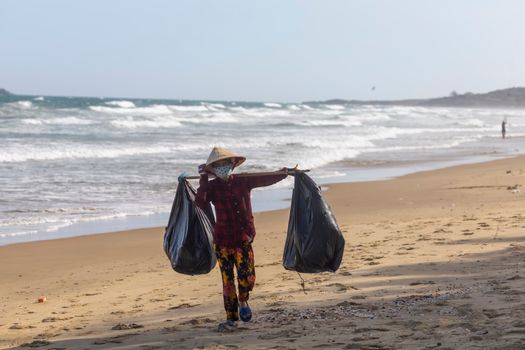
While most organized cleanups provide bags and gloves, they can run out during peak tourist seasons. Pack a pair of lightweight, puncture-resistant utility gloves and a couple of heavy-duty, reusable mesh bags in your luggage. They take up zero space and ensure you are always ready to collect trash whenever you spot it.
3. Stack Your Rewards
Don't settle for just one incentive. In places like Hawaii, you can stack your Mālama Hawaii hotel discount with local beach cleanups organized by independent surf shops that offer free surfboard rentals to volunteers. Always ask local business owners: "Do you offer any perks for beach cleanups?" You will be surprised by how often the answer is a warm, enthusiastic yes.
---
The Final Verdict: Why This Matters
As travelers, we have spent decades treating the world like a giant, disposable theme park. But the data is clear: the destinations we love are pushing back. By aligning our financial desires (cheaper travel, exclusive experiences) with the ecological needs of these fragile coastal ecosystems, we create a win-win scenario.
You aren't just saving money when you clean a beach in Palau, Hawaii, or Miyakojima. You are actively buying into the survival of that destination. You are ensuring that the vibrant coral reefs, the pristine white sands, and the rich local cultures remain intact for the next generation of wanderers.
Pack your gloves, download the apps, and get ready to earn your way to paradise. The beaches are waiting—and they are ready to pay you for your help.
---