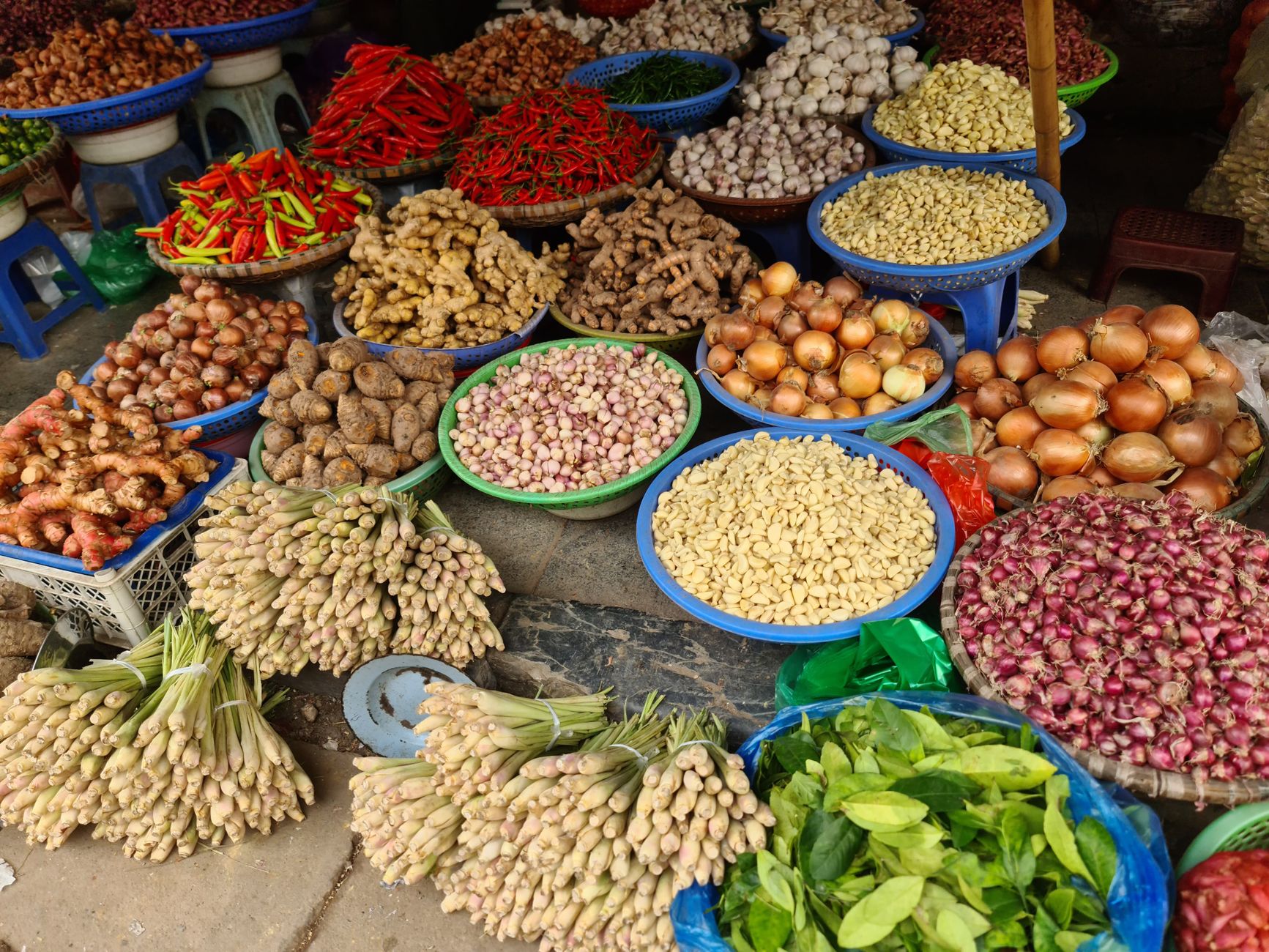
Many of the spices in a typical kitchen travel a long way before they reach a shelf. Pepper, cardamom, cinnamon, vanilla and saffron each come from specific plants grown in particular climates, and their cultivation involves careful labor at every stage. Spice plantations and farm visits give travelers a chance to see how these ingredients grow and how they are processed. This guide introduces several well-known spices and their origins, explains what plantation visits typically include, and offers advice on timing and responsible shopping.
Pepper and cardamom in southern India
The Western Ghats of southern India, particularly parts of Kerala and Karnataka, are associated with the cultivation of black pepper and cardamom. Pepper vines are often grown up support trees, and berries are harvested and dried to produce black peppercorns. Cardamom is typically grown as an understory plant in shaded hill plantations, and the pods are harvested by hand and dried. Many plantations offer guided walks that explain cultivation, shade management and processing. The landscape itself, with its mix of trees, spices and hills, is often part of the appeal.
Vanilla and cinnamon
Vanilla comes from orchids, and it is most commonly associated with Madagascar and Mexico, where traditional curing methods are used to develop flavor. Pollination is often done by hand in many plantations, and the curing process takes months. Cinnamon is harvested from the inner bark of certain trees, and Sri Lanka is well known for its cinnamon production. Visits to cinnamon gardens and vanilla farms can show the peeling, drying and curing stages, which many visitors find surprising. Check whether a farm is open to visitors, as many are working operations.
Saffron and specialist crops
Saffron comes from the stigmas of a crocus flower and is traditionally grown in a number of regions, including parts of Iran, Spain and India. Harvesting is labor intensive, because each flower must be picked by hand and the stigmas separated carefully. Some producers host visits during the harvest season, which is typically in autumn, although timing varies by region. Other specialist crops, such as allspice, nutmeg and star anise, have their own histories and growing conditions, and some islands and regions are known for particular products.
What a plantation visit typically includes
Plantation visits vary in format, from short walks with a guide to multi-day farm stays. Typical activities include walking through the fields, learning about planting and harvesting, seeing how the crop is dried or cured and tasting the finished product. Some farms offer cooking demonstrations or meals made with local spices. Guides often explain the climate and soil needs of each crop and the history of its trade. Ask what is included, whether there are steps or uneven paths, and how long the visit will take.
Seasons and timing
Harvest seasons determine when a plantation is most active. Pepper, cardamom and vanilla harvests occur at different times of the year depending on the region, and rainfall can affect both growth and access to the land. Monsoon periods can limit visits in some areas, while dry seasons may offer easier walking conditions. Check with the farm or local tourism office before planning, and consider the weather when choosing a time to travel. Harvest periods can be busy, so ask whether visits are possible during the work.
Shopping responsibly
Spice prices and labor conditions depend on complex supply chains. Many buyers look for transparent sourcing, fair pay for growers and clear information about origin. Some producers carry certifications related to organic or fair trade standards, though the meaning of these labels depends on the scheme. When buying directly from a plantation, ask how the farm is run, how workers are paid and how the product is processed. Buying whole spices and grinding them at home can preserve aroma, and storing spices away from heat and light helps them keep their flavor longer.
Practical tips
- Check whether the plantation is open to visitors, and book guided visits in advance.
- Plan for walking on uneven ground, and wear sturdy, breathable footwear.
- Ask about harvest seasons, and consider the weather for your chosen dates.
- Buy from producers who explain their sourcing and labour practices clearly.
- Store whole spices in airtight containers away from heat and light.
Common mistakes to avoid
A frequent error is expecting a single plantation to show every stage of production for every spice. Many farms specialize in one or two crops, so you may need to visit several places to see the full picture. Another mistake is assuming that all vanilla, saffron or cinnamon is equal in quality, when growing and curing methods differ widely and affect the final product. Some visitors buy large quantities of ground spice that will lose aroma over time. Others arrive at harvest time without checking whether visits are possible, and find that the farm is too busy to host them. It is also easy to assume that an organic or fair trade label tells the whole story, when the details of the scheme may be more limited than they appear. Asking specific questions usually gives a clearer picture.
Who this suits and who it doesn't
Spice plantation visits can suit food enthusiasts, slow travelers and families who enjoy seeing where ingredients come from. They often appeal to cooks who want to understand how flavors are developed and to visitors interested in agriculture and rural history. They may be less suitable for people who find uneven ground hard to manage, who react strongly to spices or to dust and pollen, or who have only a few hours available. Those who prefer urban sightseeing may find a farm visit too quiet, while people who want a hands-on cooking experience may need to look for a farm that offers one. Checking the plan before you travel helps match the visit to your interests.
Frequently asked questions
Can I buy spices directly from a plantation? Often yes, and many farms sell fresh or dried products on site. Ask how the product was processed and whether you can see the drying or curing areas.
Are plantation visits free? Costs vary. Some farms charge a small fee for a guided walk or tasting, while others include it in a meal or stay. Confirm the price and what it covers in advance.
Do I need knowledge of spices to enjoy a visit? No. Guides usually explain the crop from planting to processing, and the tasting stages are often the most memorable part for beginners.
Spice plantations reveal the labor and landscapes behind everyday ingredients. A visit can make cooking feel more connected to its origins, and responsible buying helps support the growers who produce these crops. Planning around harvest seasons and asking thoughtful questions will make the experience richer for you and for the people who work the land.