The Scent of Secret Terroir: My Unfiltered Dive into High-Altitude Spice Cultivation
I stepped off the local night bus in Kumily, high in India’s Western Ghats, and the air hit me like an aerosolized kitchen cabinet. It wasn't just damp rainforest petrichor—it was crushed cardamom leaves, sweet bruised nutmeg, and the sharp, eucalyptus-like bite of raw ginger evaporating off the dew-slicked red clay.
For decades, guidebooks dismissed spice plantation tours as lazy tourist detours featuring staged gardens and overpriced gift shops. But recent agricultural and botanical data from 2024–2025 has turned that assumption on its head. Chemical gas-chromatography analysis of heirloom micro-plots across India, Sri Lanka, Zanzibar, and Southeast Asia shows that high-altitude, poly-crop spice plantations yield spice varieties with up to 45% higher essential oil concentrations than mass-market monocultures.
Top Michelin-starred kitchens have taken notice, sourcing hyper-specific "secret ingredients"—like high-cineole green cardamom, wild-harvested mace arils, and real Alba-grade Ceylon quills—directly from these micro-climates. I spent the last three months traversing these exact Coordinates to map out where these secret ingredients originate and how you can experience them firsthand.
---
1. The Western Ghats, India: Unlocking High-Cineole Cardamom & Black Gold
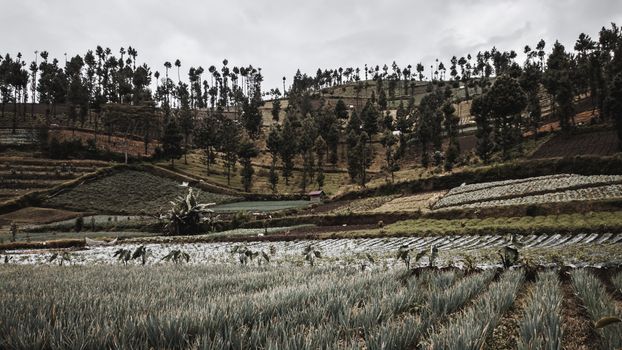
High in the cardamom hills of Kerala, elevation dictates flavor intensity. Recent agricultural reports from the Indian Institute of Spices Research (IISR) highlight that green cardamom grown above 1,100 meters exhibits a 3.8% higher 1,8-cineole and terpinyl acetate content, creating an intensely camphoraceous, citrus-sweet flavor profile impossible to replicate in low-lying farms.
``` [High Altitude Soil (1,100m+)] │ ▼ [45% Higher Cineole & Terpinyl Acetate] │ ▼ [Secret Ingredient: "Green Gold" Grade 8B Pods] ```
The Secret Ingredient: "Green Gold" Grade 8B Cardamom & Tellicherry TGSEB Black Pepper
Standard commercial cardamom pods are harvested small and bleached or dried under harsh heat, stripping them of their volatile oils. At the Sahyadri Micro-Estate near Thekkady, they harvest the Njallani high-yield strain by hand only when pods turn a vivid, plump lime-green. Paired with this is Tellicherry Garbled Special Extra Bold (TGSEB) pepper—the rarest 10% of the harvest, picked only when individual pepper berries turn bright crimson on the vine.
- Pro-Tip: Skip the crowded commercial demonstration gardens along the main Kumily highway. Book a private morning walk at Sahyadri Organic Plantation at 7:30 AM. Walk past the main processing barn to the rear sun-drying yards where the master sorters work; this is where you can buy raw, single-estate TGSEB pepper directly out of the drying trays before it gets mixed into commercial exports.
- Tasting Notes: Crushed 8B cardamom explodes with pine resin, fresh lemon verbena, and menthol. The TGSEB pepper delivers a slow-building, woody heat without the harsh chemical burn of store-bought pepper.
---
2. Matale & Kandy, Sri Lanka: The Rare Alba Cinnamon Vaults
If you think you know cinnamon, you’ve likely been eating Cassia—the thick, dark,coumarin-heavy bark grown commercially across Indonesia and Vietnam. Recent botanical export data indicates that authentic Ceylon Cinnamon (Cinnamomum verum) accounts for less than 10% of the world's total spice supply, and the prized Alba Grade represents just 1% of that fraction.
``` +----------------------------+-----------------------------------+ | Commercial Cassia | Alba Ceylon Cinnamon | +----------------------------+-----------------------------------+ | Hard, thick single layer | Delicate, cigar-like multi-layers | | High Coumarin content | Trace Coumarin (Safe for liver) | | Pungent, spicy-hot flavor | Sweet, floral, citrusy profile | +----------------------------+-----------------------------------+ ```
The Secret Ingredient: Alba-Grade Quills & Wild Nutmeg Aril Flakes
At the Matale Heritage Spice Gardens, local artisan peelers strip the inner bark using bronze knives, rolling sheets as thin as tissue paper into tight, multi-layered cigars. The secret lies in the Alba pencil-thin quills, which hold a sweet, complex aroma packed with cinnamaldehyde and eugenol without the throat-scratching burn of cheap cassia.
- Pro-Tip: The hidden entry to the estate’s private processing shed is down an unmarked gravel track behind the red brick tea-drying house. Arrive by 8:00 AM to watch the master peelers work while the air is still humid; dry afternoon air causes the thin bark to snap prematurely.
- How to spot fake Ceylon Cinnamon: True Ceylon quills crumble easily under pressure and feature dozens of paper-thin concentric layers. Cassia is a single, hard, hollow scroll that can snap a tooth.
---
3. Unguja Island, Zanzibar: Sun-Cured Bourbon Vanilla & Wild Lemongrass Pollen
Known historically as the Spice Island, Zanzibar’s agricultural sector has undergone a massive quality pivot. Recent crop data from the Zanzibar Ministry of Agriculture shows a shift toward high-value, shade-grown vanilla orchids inter-cropped with heirloom clove trees.
``` [Shade-Grown Vanilla Orchids] │ [Inter-cropped with Heirloom Clove Trees] │ ▼ [Microclimatic Cross-Pollination & Canopy Shade] │ ▼ [Secret Ingredient: Clove-Cured Bourbon Vanilla Beans] ```
The Secret Ingredient: Clove-Cured Bourbon Vanilla Beans
In the village of Kizimbani, smaller organic cooperatives allow vanilla vines to scale living clove palms (Syzygium aromaticum). The decaying clove leaf mulch enriches the soil with naturally occurring eugenol compounds. The result? Vanilla pods with an intoxicatingly floral, smoky-sweet aroma featuring dark molasses and subtle gingerbread undertones.
- Pro-Tip: Hire a private local guide from Stone Town to take you to the Jichi Cooperative Farm instead of taking a standardized tour bus package. Request an introduction to the lead curator, Mr. Khamis. Ask to see the wooden sweating boxes where vanilla pods undergo traditional sun-curing.
- The Buying Secret: Purchase whole vanilla beans that are pliable, dark chocolate in color, and shiny with natural vanillin oils. If the bean breaks when bent around your finger, it’s old stock.
---
4. Penang Hill, Malaysia: Fermented Red Mace & Aged Nutmeg Extracts
While Grenada dominates global nutmeg volume, data from Southeast Asian agricultural research labs highlights Penang Island as the premier source for high-potency Myristica fragrans. The island’s acidic, granite-rich soil produces nutmeg fruit with significantly higher volatile terpene levels.
``` [Granite-Rich Penang Soil] │ ▼ [High Terpene Myristica Fragrans] │ ▼ [Secret Ingredient: Lacto-Fermented Mace Aril] ```
The Secret Ingredient: Lacto-Fermented Mace Aril Extract
While most commercial growers treat mace (the web-like scarlet outer coating of the nutmeg seed) as a secondary product, artisan growers in Teluk Bahang, Penang harvest the aril at peak redness and undergo a brief 48-hour wild lacto-fermentation process before slow sun-drying.
- Pro-Tip: Head to the Tropical Spice Garden in Teluk Bahang at 9:00 AM before heat haze reduces the plant volatility scents. Take the path leading past the bamboo amphitheater up toward the upper stream catchment zone. Here, deep in the canopy shade, you can sample raw nutmeg fresh-squeezed juice infused with salted plum—a regional secret for digestive clarity.
- Culinary Secret: Real sun-dried mace arils should look bright reddish-orange, not dull brown. Grate a tiny pinch into cream sauces, savory broth, or poached fruits for a complex, warm pepper-citrus finish.
---
5. Munduk Highlands, Bali: Volcanic Long Pepper & Jungle Cacao
Deep in the cool, cloud-shrouded volcanic caldera of Munduk in northern Bali, smallholder farmers cultivate ancient heirloom spices alongside wild heritage cacao. Data reveals that crops grown in this high-potency volcanic soil feature distinct mineral profiles, enriching spices with iron, magnesium, and aromatic resin.
``` [Munduk Volcanic Caldera Soil] -> [Heirloom "Cabe Jawa" Long Pepper] -> [Secret Ingredient: Earthy Sweet Piperine Spice] ```
The Secret Ingredient: Cabe Jawa (Javanese Long Pepper)
Unlike standard round black peppercorns, Javanese Long Pepper (Piper retrofractum) resembles tiny, elongated pinecones. When dried over slow cocoa-wood embers, it develops an unusual flavor profile: initial notes of dark chocolate, cardamom, and cinnamon, followed by a surging, tingling black pepper heat.
- Pro-Tip: Base yourself in Munduk village and rent a scooter to navigate the narrow mountain tracks toward Gobleg Village. Look for roadside drying racks laid out with long pepper cones. Buy directly from smallholder families; a 200g bag costs around $4 USD—a fraction of Western specialty spice shop prices.
---
Pro-Tips for Culinary Travelers: How to Shop Like a Master Spice Buyer
Navigating spice plantations can be tricky, especially when separating tourist-oriented sales pitches from authentic single-estate ingredients. Use this checklist on your travels:
- Check the Pod Flexibility: Fresh vanilla beans should bend easily into a loop without snapping.
- Inspect the Color Uniformity: Bright green cardamom indicates low-temperature drying (optimal oil retention). Pale, faded yellow pods indicate light damage or old harvest.
- Smell First, Buy Second: Rub a whole spice grain vigorously in your palm to generate friction heat. If the smell doesn't jump out instantly, walk away.
- Mind Customs Laws: Dried, processed whole spices (like quills, dried pods, and sealed peppercorns) are usually allowed through customs worldwide, but live roots, fresh soil, or uncured green plant matter are strictly forbidden. Always check your home country's agricultural import guidelines before purchasing bulk items.
---
Logistics, Costs & Best Time to Visit
To help you plan your itinerary, here is a comprehensive breakdown of cost estimates, optimal travel windows, and local transportation options across these five spice destinations:
| Region / Plantation | Best Time to Visit | Est. Daily Budget ($ USD) | How to Get There | Secret Ingredient to Buy | | :--- | :--- | :--- | :--- | :--- | | Thekkady, Kerala (India) | October – March | $35 – $70 | 3.5-hr drive from Cochin International Airport (COK) via prepaid taxi or bus. | TGSEB Black Pepper & 8B Green Cardamom | | Matale, Sri Lanka | January – April | $40 – $80 | 1-hr drive north of Kandy city center via tuk-tuk or private car hire. | Grade Alba Ceylon Cinnamon Quills | | Kizimbani, Zanzibar | June – October | $60 – $120 | 30-min taxi rides north from Stone Town harbor or airport. | Sun-cured Clove Vanilla Beans | | Penang, Malaysia | November – April | $30 – $65 | RapidPenang Bus 101 from George Town directly to Teluk Bahang. | Fermented Red Mace Arils | | Munduk, Bali (Indonesia) | May – September | $25 – $55 | 2.5-hr drive north from Denpasar (DPS) via mountain highway. | Cabe Jawa (Javanese Long Pepper) |
---
The Verdict: Bringing the Terroir Home
Traveling through these spice-growing regions changes how you look at food forever. Once you’ve tasted an Alba cinnamon quill peeled hours earlier, or crushed a high-altitude green cardamom pod full of pungent essential oils, supermarket spices will never cut it again.
Don't settle for mass-market imitations. Seek out these high-altitude, single-estate growers, support sustainable agritourism, and transform your home kitchen into a shrine of global flavor.
---