Remember that feeling of genuine discovery? Not just seeing something new, but truly understanding it? For years, my travel style revolved around chasing iconic landmarks and ticking off bucket-list destinations. And don't get me wrong, there’s a certain thrill to standing before the Eiffel Tower or gazing at the Grand Canyon. But one sweltering afternoon in a remote Costa Rican village, knee-deep in mangrove mud, everything shifted.
I wasn’t on a planned eco-tour or a luxury retreat. I’d simply taken a detour, curious about a local conservation project, and found myself helping a family replant vital coastal mangroves. What started as a casual afternoon became a masterclass in ecosystem restoration, community resilience, and the sheer, unadulterated joy of hands-on learning. My hands were caked in mud, sweat dripped into my eyes, and my Spanish was a hilarious mess, but I felt more connected, more alive, and more educated than any museum visit had ever made me feel.
That day sparked a revelation: travel doesn't have to be just about seeing; it can be about doing, learning, and contributing. It can be about finding those raw, authentic experiences that transform you, long before they become Instagram-famous and overrun with tour buses.
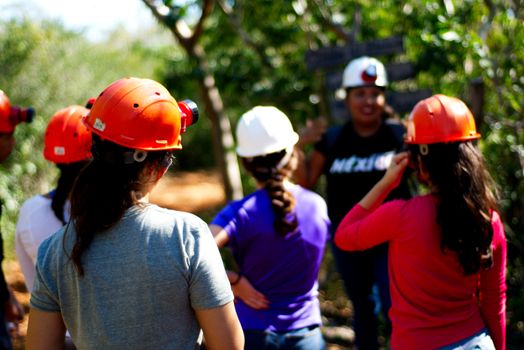
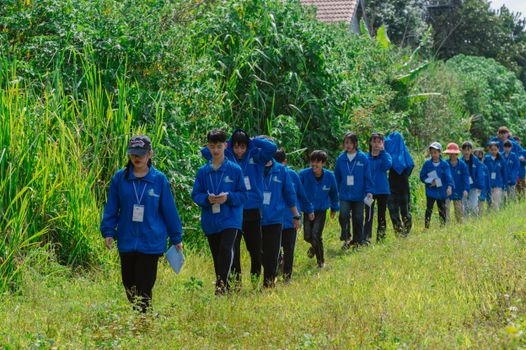
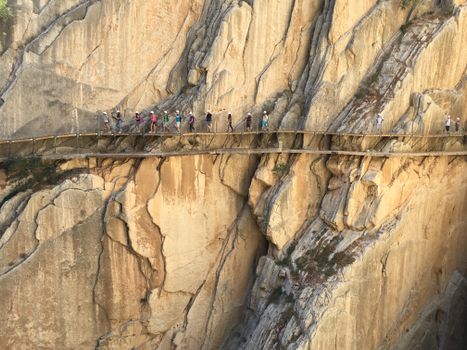
Welcome to the world of educational trips that feel like adventures – the kind of journeys that teach you invaluable skills, immerse you in cultures, and connect you with the planet in profound ways. These aren't your typical classroom excursions; they're living laboratories, cultural deep dives, and wilderness classrooms, waiting for you to discover them before the rest of the world catches on.
Unearthing History: The Call of the Archaeological Dig
Forget reading about ancient civilizations in dusty textbooks. What if you could actually unearth them? Archaeological digs offer an unparalleled opportunity to get your hands dirty and contribute to real scientific discovery, literally digging into the past.
I once met Sarah, a history buff who’d always dreamed of being Indiana Jones. Instead of just visiting ruins, she spent a summer in Cyprus on a university-led dig. Her mornings began not with a coffee shop run, but with a trowel in hand, meticulously scraping away layers of earth, searching for pottery shards, tools, or even structural remains. "It's not glamorous," she told me, laughing, "but the thrill of finding something that hasn't seen the light of day in two thousand years? That's pure magic."
What You'll Experience: You'll learn the painstaking process of excavation, stratigraphy (understanding layers of soil), artifact handling, documentation, and perhaps even basic conservation. You'll work alongside professional archaeologists, historians, and students, gaining insights into ancient cultures that no documentary could ever provide. The physical demands are real – expect long hours in the sun, lots of bending, and careful, repetitive work – but the mental reward is immense.
Where to Go: Many universities run summer field schools open to the public (like the American School of Classical Studies at Athens, or projects through the Archaeological Institute of America). Organizations like DigVentures in the UK offer crowdfunding-supported digs that welcome citizen archaeologists. Imagine uncovering Roman villas in England, Mayan temples in Belize, or ancient Greek settlements in the Mediterranean.
Budget & Details: These trips can range from a few hundred dollars for a week-long local project to several thousand for an international expedition (often $2,000-$5,000+ for 2-4 weeks, excluding flights). This usually covers on-site accommodation, meals, training, and equipment.
Instagram-Worthy Moments: Dust-covered hands carefully brushing away soil from a delicate artifact; panoramic views from atop an ancient mound; the camaraderie of your fellow diggers over a shared meal; a stunning sunset painting the sky over a millennia-old site.
Practical Tip: Look for programs affiliated with reputable universities or archaeological societies. Read reviews from past participants and ensure the project aligns with ethical archaeological practices.
Guardians of the Wild: Citizen Science & Conservation Expeditions
Do you dream of protecting endangered species or preserving fragile ecosystems? Citizen science and conservation expeditions allow you to be an active participant in environmental research and protection efforts. This isn't just nature watching; it's hands-on contribution.
My own experience tracking sea turtles in a remote part of the Caribbean was a game-changer. For two weeks, I joined a small team, patrolling beaches at night to monitor nesting mothers, carefully collecting data, and helping to relocate vulnerable nests. One unforgettable dawn, I watched a tiny hatchling, which I’d helped protect, make its perilous dash to the sea. It was a visceral reminder of our planet's delicate balance and my small role in safeguarding it.
What You'll Experience: Depending on the project, you might track wildlife (from primates in Uganda to marine mammals in the Arctic), monitor coral reef health, collect botanical samples, or assist with reforestation efforts. You'll learn scientific methodologies, data collection techniques, and gain a deep understanding of specific ecosystems and the challenges they face. Be prepared for rustic living conditions, early mornings, and a deep immersion in nature.
Where to Go: Organizations like Earthwatch Institute offer a wide array of projects globally, from studying jaguars in the Amazon to conserving ancient olive groves in Italy. Smaller, independent NGOs often run specific projects – imagine a marine conservation project in the pristine waters of Raja Ampat, Indonesia, or a primate research initiative in the cloud forests of Ecuador.
Budget & Details: These expeditions can range from $1,500 to $6,000+ for 1-4 weeks, often including accommodation, food, and expert guidance, but excluding international flights. Many are tax-deductible.
Instagram-Worthy Moments: A close-up of a tagged sea turtle (with permission and ethical distance); stunning natural landscapes – a lush rainforest, a vibrant coral reef, or a misty mountain peak; working alongside passionate scientists; a vibrant sunset over your research camp.
Practical Tip: Research reputable NGOs and scientific organizations. Look for projects with clear objectives and a proven track record of impact. Be honest about your physical fitness and comfort with basic living conditions.
Weaving Worlds: Indigenous Arts & Cultural Immersion
True cultural immersion goes beyond observing; it involves participating. Learning traditional crafts, languages, or practices directly from indigenous communities offers a profound connection to human heritage and a unique insight into different ways of life.
I remember a trip to Oaxaca, Mexico, where I spent a week with a Zapotec family, learning natural dyeing techniques and how to weave on a backstrap loom. My initial attempts were clumsy, but with the patient guidance of my maestra, I eventually created a small, imperfect but deeply meaningful piece. More than the craft itself, it was the shared stories, the rhythm of daily life in their village, and the feeling of respect and connection that resonated most deeply.
What You'll Experience: You might learn traditional pottery in Japan, practice ancient healing arts with a shaman in the Amazon, master a local language with a homestay in Guatemala, or participate in traditional cooking classes in a Thai village. These experiences foster deep respect for cultural traditions, promote understanding, and often directly support local economies.
Where to Go: Look for community-led initiatives or ethical tour operators that prioritize fair trade and direct benefit to indigenous communities. Consider a weaving workshop in the highlands of Peru with Quechua artisans, a pottery apprenticeship in Acoma Pueblo, New Mexico, or a language and cultural exchange with the Maasai in Kenya.
Budget & Details: Costs vary widely. A week-long workshop might be $500-$1,500, often including materials, instruction, and sometimes accommodation/meals. Longer homestay programs with language instruction could be $1,000-$3,000 per month.
Instagram-Worthy Moments: Hands-on craft photos, vibrant textiles and finished products; candid portraits (always ask for permission and respect privacy); shared meals and laughter; bustling local markets; the beautiful, intricate details of traditional art.
Practical Tip: Prioritize programs that are community-owned or have transparent ethical guidelines ensuring fair compensation and cultural respect. Learn a few basic phrases in the local language – it goes a long way!
The Art of Sustenance: Farm-to-Table & Permaculture Retreats
Ever wondered where your food truly comes from? Or dreamed of living a more sustainable life? Farm-to-table experiences and permaculture retreats offer hands-on learning about organic agriculture, food systems, and traditional culinary arts.
My friend Liam, a city slicker with a burgeoning interest in sustainable living, spent a month WWOOFing (Worldwide Opportunities on Organic Farms) on an olive farm in Tuscany. He learned about soil health, pruned trees, harvested olives, and, of course, helped press the oil. His evenings were spent cooking incredible meals with fresh, local ingredients, paired with conversations about land stewardship. He returned not just with new skills, but with a profound appreciation for the effort behind every meal.
What You'll Experience: Depending on the program, you could be planting, harvesting, caring for livestock, learning about composting, natural pest control, or designing sustainable landscapes. Many programs also include traditional cooking classes, teaching you how to transform fresh produce into delicious, regional dishes. You'll gain practical skills, a deeper connection to nature's cycles, and an understanding of food security.
Where to Go: WWOOFing is a global network offering work-exchange opportunities (work for room/board) on organic farms. For more structured learning, consider permaculture design courses (PDC) offered in diverse locations from Costa Rica's rainforests to Portugal's drylands. Culinary retreats focused on local ingredients are popular in regions like Provence, France; Emilia-Romagna, Italy; or the Mekong Delta, Vietnam.
Budget & Details: WWOOFing is budget-friendly (often just travel costs). Structured permaculture courses or culinary retreats can range from $800-$3,000+ for a week or two, usually including tuition, accommodation, and meals.
Instagram-Worthy Moments: Harvesting vibrant, fresh produce; rustic farm-to-table meals; beautiful farm landscapes under golden hour light; hands-on cooking classes; happy animals roaming free.
Practical Tip: For WWOOFing, carefully read host reviews and communicate clearly about expectations. For structured courses, check instructor credentials and curriculum. Be prepared for physical work and potentially simple living conditions.
Wilderness Wisdom: Bushcraft & Survival Skill Training
In an increasingly digitized world, reconnecting with our primal skills can be incredibly empowering. Bushcraft and survival training teach you to thrive in the wilderness, fostering self-reliance, resilience, and a deep respect for nature.
I vividly recall my brother’s story of a multi-day bushcraft course in the Canadian wilderness. He learned to purify water using natural filters, build a debris hut for shelter, navigate by the stars, and even start a fire using only friction. "There's something incredibly humbling and empowering about realizing you can provide for yourself with just what nature offers," he told me, "It completely shifts your perspective on what's truly essential."
What You'll Experience: You'll learn essential wilderness skills: fire starting, shelter building, water purification, foraging for edible plants, navigation without a compass, tracking, and wilderness first aid. These courses are highly immersive and often physically demanding, pushing you to adapt and problem-solve in natural environments. You'll gain confidence, practical skills, and a profound appreciation for the natural world.
Where to Go: Reputable bushcraft schools exist worldwide. Consider a multi-day course in the Pacific Northwest of the USA, the Scottish Highlands, the Canadian Rockies, or the Swedish Lapland. Look for programs led by experienced, certified instructors.
Budget & Details: A weekend course might be $300-$600, while a more intensive 5-7 day program could range from $1,000-$2,500, often including instruction, equipment use, and sometimes basic meals.
Instagram-Worthy Moments: Campfires under a canopy of stars; hand-crafted tools and shelters; stunning wilderness vistas; triumphant smiles after mastering a challenging skill; wildlife encounters (from a respectful distance).
Practical Tip: Choose certified instructors and schools with a strong safety record. Be honest about your fitness level and pack appropriate gear for the climate and terrain. Embrace the challenge – it's where the growth happens.
The Language of Connection: Deep Dive Immersion Programs
Learning a new language is one thing; living it is another. Deep dive immersion programs go beyond classroom walls, integrating intensive language study with a complete cultural immersion, often through homestays and community engagement.
My friend Elena wanted to truly learn Spanish, not just study it. She moved to Medellín, Colombia, for three months, enrolling in a small language school but, crucially, living with a local family and volunteering at a community center. Her classroom was the bustling market, the lively salsa clubs, and the dinner table conversations. She returned not just fluent, but with a nuanced understanding of Colombian culture, friendships that spanned continents, and a newfound confidence.
What You'll Experience: You'll typically have daily intensive language classes, but the real learning happens outside, practicing with your host family, navigating local markets, engaging in cultural activities, and simply living life in another language. This accelerates fluency, builds cultural competence, and fosters genuine connections.
Where to Go: Popular destinations include Antigua, Guatemala (Spanish); Florence, Italy (Italian); Kyoto, Japan (Japanese); or Essaouira, Morocco (Arabic). Look for schools that emphasize cultural integration, offer homestay options, and have small class sizes.
Budget & Details: These programs can be a significant investment, ranging from $1,000-$3,000 per month or more, often including tuition, homestay accommodation, and some meals. However, the return on investment in terms of linguistic fluency and cultural understanding is immense.
Instagram-Worthy Moments: Bustling local markets; vibrant street art; shared meals and laughter with your host family; practicing phrases with friendly locals; charming cityscapes and hidden alleyways.
Practical Tip: Research schools thoroughly, looking for those with strong cultural programs and excellent homestay coordination. Be prepared to step out of your comfort zone and fully embrace the local way of life.
Your Blueprint for Transformative Travel
These educational adventures aren’t just trips; they’re investments in yourself, in your skills, and in your understanding of the world. They offer a chance to connect on a deeper level, to contribute meaningfully, and to learn lessons that extend far beyond any classroom.
Here are a few final tips to help you plan your own pre-mainstream adventure:
- Research Relentlessly: Dive deep into organizations, read reviews, and check their ethical practices and sustainability credentials. Look for transparency in how they operate and how your contribution truly makes a difference.
- Budget Beyond the Ticket: Factor in program fees, specialized gear, travel insurance (non-negotiable for these types of trips!), and a contingency fund for unexpected expenses.
- Pack Smart, Not Heavy: Each adventure will have specific gear requirements. Prioritize functional, durable items over fashion. Layers are always your friend!
- Embrace the Uncomfortable: Growth often happens outside your comfort zone. Be open to new experiences, different customs, and challenging situations. That's where the real learning lies.
- Be a Responsible Traveler: Leave no trace, respect local customs and traditions, support local economies directly, and engage with humility and an open mind.
- Document Your Journey (But Don't Live Through Your Lens): Take photos and journal, but also remember to put the camera down and simply be in the moment. The most profound memories are often those you experience without a screen.
So, what knowledge will you seek? What skills will you master? What adventure will shape your next chapter? The world is a classroom, and your syllabus awaits. These are the journeys that will fill your soul, expand your mind, and provide stories you'll tell for a lifetime – long before they become everyone else's highlight reel.
Which educational adventure calls to you first? Share your dream transformative journey in the comments below, or better yet, start planning it now! The world is waiting for you to learn, grow, and explore.
---