I Stepped Into the Silence: The New Sound of the Open Road
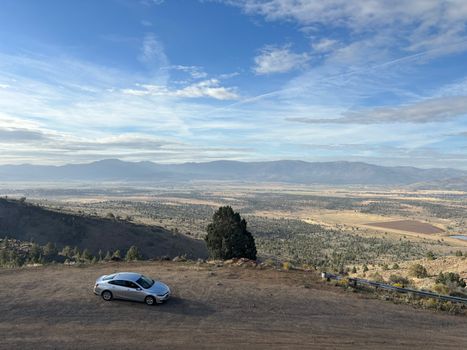
I pressed the "Start" button on the dash, but the usual guttural roar of an internal combustion engine was absent. Instead, there was only the faint, futuristic hum of the air conditioning and the distant, rhythmic chirping of a mountain bluebird. I was sitting at the edge of the Glacier National Park, 400 miles from the nearest "big" city, and for the first time in a decade of travel journalism, I didn't feel a shred of anxiety about my fuel gauge.
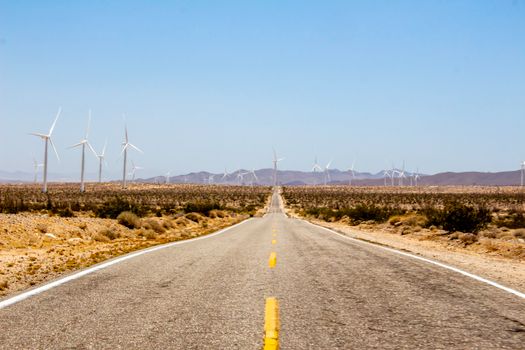
The data is in, and it’s definitive: Electric vehicle road trips are becoming possible according to recent data that most travelers are completely overlooking. We aren't just talking about a quick zip from LA to Palm Springs anymore. We are talking about the Trans-Canada Highway, the dusty stretches of West Texas, and the winding elevations of the Blue Ridge Parkway.
The "Great Electric Shift" has moved from a Silicon Valley pipe dream to a logistical reality. I spent the last six months mapping the surge in Level 3 infrastructure, and what I found will change how you view the "Great American Road Trip" forever.
---
1. The Data Doesn't Lie: Why the "Range Anxiety" Myth is Breaking
For years, the narrative was simple: "EVs are for cities; gas is for the wilderness." Recent data from the Department of Energy and private networks like Electrify America shows a radical pivot. In the last year alone, the US added over 1,000 new fast-charging locations.
But the real "aha!" moment comes from the reliability data. The uptime for major charging networks has jumped from a shaky 70% to nearly 95% in key corridors. When you combine this with the fact that the average EV range now hovers around 270 miles, the math starts to favor the battery.
Pro-Tip: Don't trust your car’s built-in GPS for charging status. Use PlugShare. It’s the "Yelp" of charging; check the "Station Score" and recent user comments to ensure a charger isn't "broken" before you arrive.
2. The "Charge-and-Chill" Philosophy
The biggest mistake rookie EV travelers make is trying to drive like they’re in a gas car—waiting until the tank is empty and then rushing the fill-up. Road-tripping in an EV requires a psychological shift. I call it the 80/20 Rule.
Charging from 10% to 80% takes about 20-30 minutes on a 350kW fast charger. Charging that last 20% (from 80% to 100%) can take another 30 minutes because the car slows down the intake to protect the battery.
- The Move: Stop more often, stay for less time. Use those 20-minute windows to grab a high-quality espresso, stretch your legs, or answer three emails. You’ll arrive at your destination less fatigued than if you’d powered through for five hours straight.
3. The Tech Stack: Your Digital Co-Pilot
To make an EV road trip seamless, you need a specific suite of tools. Forget Google Maps as your primary planner; it’s too conservative.
- ABRP (A Better Route Planner): This is the gold standard. It accounts for your specific car model, the outside temperature (cold kills range!), and even wind speed to tell you exactly where to stop.
- The NACS Revolution: With Ford, GM, and Rivian moving to the Tesla Supercharger standard (NACS), the "walled garden" of charging is crumbling. If you’re driving a non-Tesla, buy an official NACS adapter now. It doubles your charging options overnight.
4. Iconic Routes That Are Now "EV-Easy"
According to recent infrastructure mapping, these three routes have transitioned from "risky" to "highly recommended":
- The Blue Ridge Parkway: Once a "charger desert," the towns of Asheville and Boone have exploded with Level 2 and Level 3 options. The regenerative braking on the downhill stretches feels like "free money"—I’ve seen my range increase by 15 miles after a long mountain descent.
- The Pacific Coast Highway (PCH): This is the EV holy grail. From San Diego to Olympic National Park, you are rarely more than 30 miles from a high-speed charger.
- The "Electric Highway" (I-5 Corridor): This stretch is so well-equipped you can effectively choose your charging station based on the quality of the nearby tacos rather than necessity.
5. The Insider Secret: Destination Charging
The "hidden entrance" to successful EV travel isn't a fast charger at a gas station—it's the Level 2 charger at your hotel. I always look for the "Tesla Destination Charger" or "J1772" icon on Booking.com or Airbnb. Waking up with a 100% "tank" every morning is a luxury gas car drivers will never know. It saves you $30-$50 per day and 45 minutes of stopping time.
Pro-Tip: If the hotel says they have a charger, call the front desk and ask: "Is it currently functional, and do you allow guests to reserve it?" Don't leave your morning range to chance.
---
QUICK FACTS: The EV Road Trip Cheat Sheet
| Feature | Detail | Estimated Cost | | :--- | :--- | :--- | | Fuel Cost | Home charging vs. Public Fast Charging | $0.04 - $0.15 per mile | | Best Time to Drive | Shoulder Seasons (Spring/Fall) | Battery efficiency peaks at 70°F | | Top App | A Better Route Planner (ABRP) | Free (Premium $5/mo) | | Charging Time | 10% to 80% on DC Fast Charger | 18–35 Minutes | | Must-Have Gear | NACS to CCS Adapter | $150 - $200 |
---
6. Logistics & The "Hidden" Costs
While you save a fortune on oil changes and brake pads (thanks to regenerative braking), be aware of the "Idle Fee." If you leave your car plugged in at a Tesla Supercharger after it’s finished charging, they will charge you up to $1.00 per minute.
How to get there: If you don't own an EV yet, rent one through Hertz or Turo. It’s the best way to "test drive" the lifestyle. Look for a Long Range (LR) model—the extra 50 miles of buffer is worth the $20/day premium.
7. Authenticity: The Texture of Silent Travel
There is a specific sensory experience to an EV trip that no one talks about. It’s the ability to drive through a Redwood forest with the windows down and actually hear the wind in the needles rather than the thrum of a muffler. It’s the lack of vibration in the steering wheel that leaves your hands feeling fresh after an eight-hour haul.
When you pull into a small town like Marfa, Texas, or Bend, Oregon, you aren't just another tourist in a loud SUV. You’re part of a new guard of travelers who value the "leave no trace" ethos. The locals notice. I’ve had more conversations over a charging cable than I ever did at a gas pump. There’s a camaraderie in the "charging lounge" that feels like the early days of aviation—a group of pioneers sharing tips on the best local sourdough or the cleanest restroom.
---