Paris is often the reference point when people talk about beautiful cities, but it is far from the only European city with grand architecture, historic squares and a strong sense of place. Many travelers find that cities such as Vienna, Prague, Porto, Bruges and Edinburgh offer a comparable experience, sometimes with fewer visitors and a different pace. The question of which city is more beautiful is subjective, and any ranking should be read as one opinion among many. A more useful approach is to decide what kind of beauty you value and then test candidate cities against those criteria.
Defining what beauty means for your trip
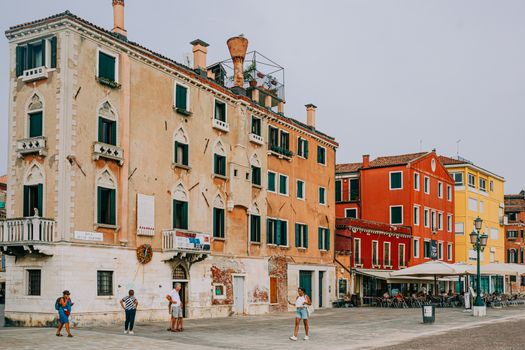
Beauty in a city can mean very different things. For some travelers it is monumental architecture: boulevards, palaces and cathedrals arranged to impress. For others it is the texture of everyday life, such as tiled facades, quiet courtyards or a riverfront where locals gather in the evening. Before comparing destinations, write down two or three qualities you care about most. A short list of this kind keeps you from being swayed by a single photograph or a headline ranking.
Useful criteria include the age and consistency of the old town, how well public spaces are maintained, access to green areas or water, and the balance between historic character and modern life. You can also consider whether a city's appeal is concentrated in a small center or spread across several neighborhoods, since that affects how much walking or transit you will need.
Cities often compared with Paris
Vienna is frequently praised for its ring boulevard, its coffeehouse culture and its strong classical music traditions. Its layout is orderly and its museums are numerous, which suits travelers who enjoy planned, grand spaces. Prague offers a medieval and Baroque skyline best appreciated from the river or from the castle hill, with narrow lanes that reward slow exploration. Porto is known for its riverside setting, its azulejo tile work and the port wine cellars across the river in Vila Nova de Gaia. Its steep streets give it a more irregular, lived-in character than many of its larger counterparts.
Bruges is often described as a well-preserved medieval center with canals and brick gabled houses, and it is compact enough to explore on foot. Edinburgh combines a dramatic castle on volcanic rock with Georgian New Town terraces and a strong literary identity. Each of these cities has its own rhythm, so the best match depends on whether you want energy, calm or a blend of both.
Comparing practical factors
Beauty is only part of the experience. Travel conditions shape how much of a city you actually enjoy. Check how easy it is to reach the city center from the airport or rail station, since some destinations are well connected while others require connections. Consider the season: many European cities are busiest in late spring and summer, and outdoor features such as terraces and river walks are most pleasant in mild weather. Opening hours for major attractions and museums can change, so check current schedules before you commit to a fixed itinerary.
Accommodation and daily costs also vary between cities and between neighborhoods. Rather than relying on any single figure, look at current listings and recent reviews for the dates you have in mind. Finally, consider how walkable the historic core is, and whether steep streets or cobblestones will be a concern for you or for anyone traveling with you.
Making your own comparison
A practical method is to choose three cities and spend a short session on each, reviewing architecture, public spaces, transit, weather and walkability. Look at photographs taken on ordinary days rather than only at famous viewpoints, because they show what the city looks like when it is not staged. Read recent visitor reviews that mention specific streets or neighborhoods, and note recurring complaints as well as praise. Where possible, open a map of the city center, mark the sights you consider essential and check how far apart they are.
This approach also helps you avoid treating beauty as a contest. Two cities can both be extraordinary while offering completely different experiences, and the most satisfying choice is often the one that matches your interests and travel style.
Practical tips
Plan at least two or three nights in any city you want to appreciate in depth, so that you can see it in both daylight and evening. Walk without a fixed destination for part of each day, since memorable views are often found on side streets. Book popular attractions in advance when the site offers timed entry, and confirm current hours before you go. Pack comfortable shoes, because many historic centers involve long walks on uneven surfaces. If you are interested in architecture, a short guided walk can explain what you are seeing, though independent exploration with a good map works well too.
Paris will remain a reference point for many travelers, and that is reasonable. A wider look across European cities, however, often reveals places that suit your preferences more closely. Choosing a destination on the basis of your own criteria, rather than on a single list, tends to produce a trip you remember for the right reasons.