Paris draws enormous numbers of visitors for good reasons: its wide boulevards, large museums, cafe culture and carefully planned nineteenth-century streetscapes are hard to match. Yet many travelers who have already seen the best-known sights start asking whether another European city might suit them better. Beauty is a personal judgment, so no list can settle which city is more beautiful than Paris. What can be done is to identify the European cities that are often recommended as alternatives, explain what sets each one apart, and offer a practical way to compare them against your own priorities.
What Travelers Usually Mean by an Alternative
Recommendations for Paris alternatives tend to rest on a few recurring qualities. Some people want a smaller historic center that can be explored on foot in a day or two. Others are drawn to a particular architectural style, such as Gothic, Baroque or Art Nouveau, that is present in the French capital but can feel less crowded elsewhere. Price, pace and the character of local neighborhoods also matter a great deal. Before choosing, it helps to decide which of these you value most, because a city that excels in one area may feel very different in another.
It is also worth being clear about what you hope to do on the trip. A traveler who mainly wants museums and fine dining will weigh cities differently from someone who wants long walks along rivers, cycling routes or a slower rhythm of cafe mornings. Writing down three or four priorities before looking at specific places keeps the comparison focused and prevents you from being swayed by a single attractive photograph.
Cities Often Mentioned in These Lists
Porto, in northern Portugal, is frequently recommended for its riverside setting, azulejo tilework and port wine cellars on the opposite bank of the Douro. Vienna is valued for its imperial architecture, its coffeehouse tradition and a strong calendar of concerts and opera. Ghent in Belgium offers medieval waterfront buildings, canals and a lively university atmosphere, and it often feels less busy than nearby Bruges. Seville combines Moorish, Gothic and Renaissance layers with a strong tradition of outdoor life in squares and gardens. Kraków, Ljubljana, Bologna and Lisbon are also regularly suggested, each for different reasons.
No single city fits everyone. The best choice depends on whether you want grand monuments, relaxed streets, a university-town energy or a blend of several. Reading a short description of each city and then looking at a map of its historic core usually gives a clearer picture than any ranking.
Comparing Architecture and Atmosphere
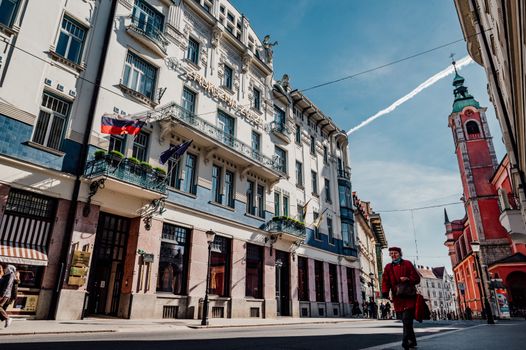
Paris is widely known for its uniform stone facades and wide avenues, many of which were created during a major urban redesign in the 1800s. Other cities often show a more varied skyline, with buildings from several centuries standing close together. Vienna's Ringstrasse holds a long row of grand public buildings, while Bologna's arcaded porticoes provide shade and shelter and give walks a distinctive rhythm. Ghent and Bruges share brick Gothic architecture and canals, though Ghent tends to feel more like a working city with a strong student presence. Seville's narrow streets, courtyards and orange trees give it a warmer, more enclosed feel than the open boulevards of the French capital.
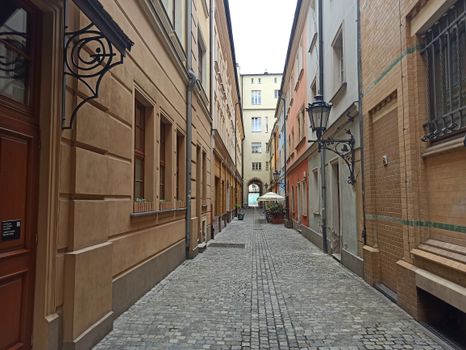
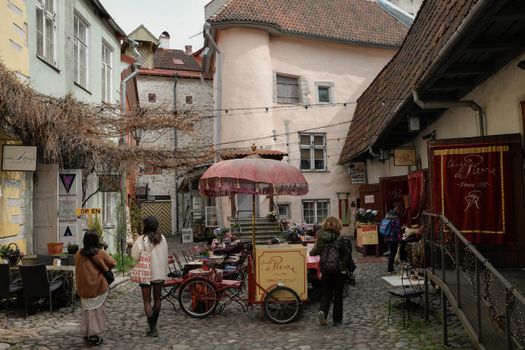
Photographs can help narrow the field, but they flatter almost every place. Where possible, look at street-level images from several angles, and check whether the attractions you care about are concentrated in one district or spread across the whole city. A city with a compact center may be more rewarding for a short stay, while a larger one may suit a longer trip with day excursions.
Practicality: Walking, Transport and Crowds
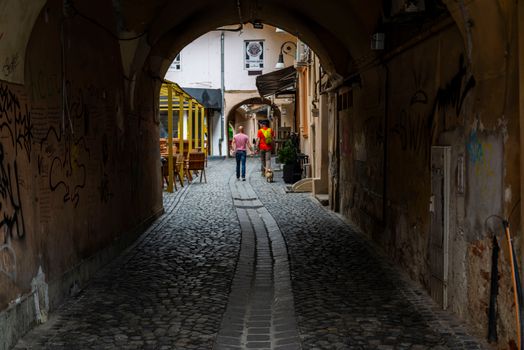
A city's appeal also depends on how easily you can enjoy it. Historic centers in many European cities are compact and largely walkable, but some have steep hills, cobbled surfaces or narrow pavements that can be tiring with luggage or for travelers with limited mobility. Lisbon's hills suit its trams and funiculars, while Vienna has an extensive public transport network that is straightforward to use. Ghent's center is small enough to cover on foot, although regional trains connect it well to other cities.
Crowd levels also change with the season. Major cities can feel congested in the middle of summer, so spring and autumn often provide a more relaxed experience, though weather, daylight hours and opening times should be checked for the specific dates you plan to travel. Visiting popular museums early in the day or on weekday mornings is a common way to reduce waiting.
Planning Your Comparison
To compare cities fairly, make a short list of three or four options and check each against the same criteria: how long you plan to stay, the type of museums or neighborhoods you want to see, where accommodation is located relative to the sights, and your likely budget range. Official tourism websites are a sound starting point for opening hours, transport passes and event calendars, which change regularly and should be confirmed close to your travel dates.
Recent traveler reviews can reveal how a city feels in practice, such as how noisy the old town is at night or how easy it is to find a quiet cafe. Reviews reflect individual taste, however, so they work best when read alongside more objective information about distances, transport and seasonal conditions.
Practical Tips
Check whether your preferred museums use timed entry or advance booking, as these rules often change. Consider staying two or three nights in a second city rather than trying to cover several in one trip, since travel between cities takes time and can be tiring. Look at train connections early, especially for routes within Spain, Italy or Central Europe, where timetables can shift seasonally. Keep a buffer day for rest, because a city that looks compact on a map can feel demanding after many hours of walking. Finally, verify any entry or documentation requirements for your nationality before booking.
Paris will remain a favorite for many travelers, and it does not need to be replaced in order to be enjoyed. Looking at other European cities simply widens the options. A calm canal city, a river town with a strong wine culture or a grand imperial capital may offer the experience you were hoping to find in Paris, or something you did not expect. The most useful question is not which city is more beautiful, but which one matches the way you like to travel.