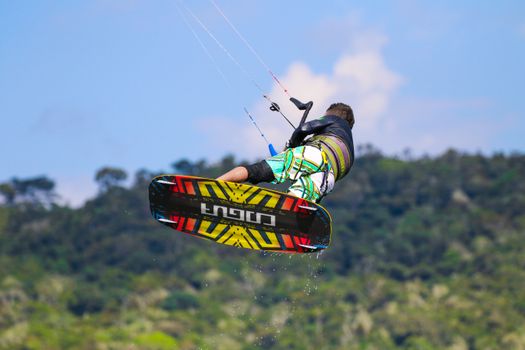
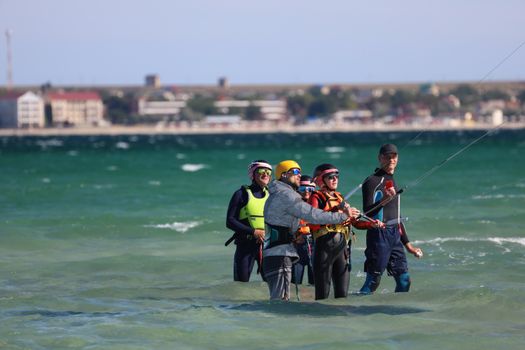
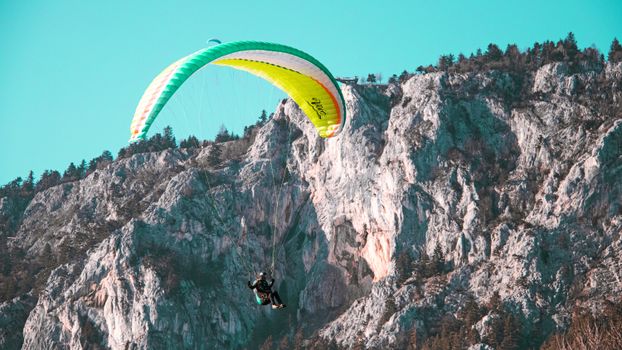
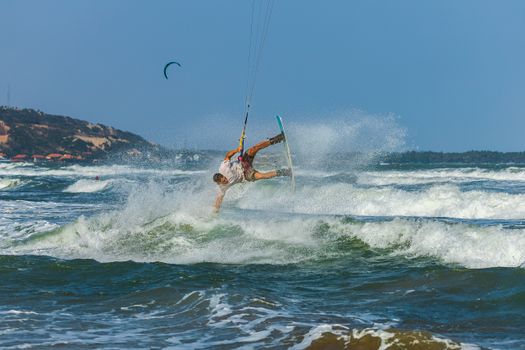
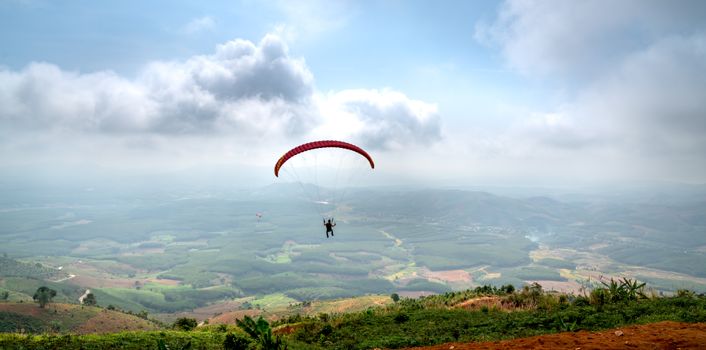
The wind whips past your ears, a spray of water splashes your face, and your heart pounds a rhythm against your ribs. You’re laughing, a pure, unadulterated sound of joy and triumph. This isn’t a perfectly choreographed Instagram reel with a professional athlete; this is you, on your first-ever extreme sports adventure.
For years, I scrolled through my feed, admiring the daring feats of pro climbers, surfers catching monstrous waves, and wingsuit flyers soaring through canyons. "That's not for me," I'd sigh, convinced that adrenaline-fueled adventures were reserved for the genetically blessed, the fearlessly reckless, or those with bottomless wallets and years of training. My own travel adventures felt... tame in comparison. A hike here, a scenic drive there. Pleasant, yes, but lacking that raw, visceral thrill.
Then came the trip to Costa Rica. I’d reluctantly agreed to a "beginner" white water rafting trip, mostly to appease a friend. My palms were sweaty, my mind conjured images of capsizing and being swept away. But from the moment our raft hit the first bouncy rapid, a switch flipped. The fear didn't vanish entirely, but it was overshadowed by exhilaration, teamwork, and an incredible sense of accomplishment. I wasn't just observing adventure; I was living it. And that's when I realized: the extreme sports Instagram influencers show us are often the tip of the iceberg, the highly polished, intimidating peak. Below the surface lies a whole world of accessible, unforgettable adventures perfect for beginners like you and me.
This isn't about becoming the next viral sensation (though you might just inspire a few!). It's about pushing your personal boundaries, discovering hidden strengths, and experiencing the world in a whole new, heart-pounding way. Forget what you think you know about "extreme." It's time to redefine it.
Redefining 'Extreme': Your Thrill, Your Skill Level
Let's be clear: we're not talking about jumping out of planes solo or scaling Everest without training. The "extreme" in these activities comes from the personal challenge and the rush you feel, not necessarily from inherent danger or requiring years of practice. It's about stepping outside your comfort zone, embracing the unknown, and feeling truly alive.
Why don't influencers always highlight these beginner-friendly options? Perhaps they don't look as 'epic' for a 15-second reel. A Class II rapid doesn't have the same visual drama as a Class V. But what these experiences lack in immediate visual shock, they more than make up for in authentic, deeply personal triumph. They're about the journey, the learning, the shared laughter, and the story you'll tell for years – not just a fleeting moment for likes.
Safety is paramount, always. Every activity listed here requires professional guides, proper equipment, and a commitment to following instructions. These are organized tours designed for safety and fun, even for first-timers. So, let's dive into some of the most exhilarating, yet surprisingly accessible, extreme sports that are waiting for you!
1. Conquer the Rapids: White Water Rafting (Class I-II)
My first white water rafting experience on Costa Rica's Pacuare River (the lower, gentler sections for beginners) was a revelation. I remember the guide, a sun-weathered local named Mateo, with a mischievous grin, telling us, "No worries, amigos! We make splashes, we make fun!" And he was right. The initial apprehension quickly melted into pure, joyful adrenaline as our raft navigated the gentle currents and occasional bouncy rapids. We paddled in sync, shouted with glee as cold water splashed over us, and marveled at the lush rainforest scenery rushing by.
What it is: White water rafting involves navigating a river in an inflatable raft, typically with a team and a professional guide. River rapids are classified from I (easiest) to VI (most dangerous). For beginners, Class I and II rapids offer plenty of excitement without overwhelming risk. It's a fantastic team sport, offering incredible views and a refreshing dip (sometimes intentional, sometimes not!).
Why it's beginner-friendly: Class I and II rapids are characterized by small waves, clear passages, and minimal obstacles. They focus on the thrill of the ride, the beauty of the surroundings, and learning basic paddle commands. Your guide does most of the heavy lifting when it comes to navigation and safety.
Where to try it & costs:
- Pacuare River, Costa Rica: While it has intense sections, many operators offer beginner-friendly half-day trips on the lower river. Expect to pay around $80-$120 USD for a half-day or full-day trip, often including transport and a meal.
- Nantahala River, North Carolina, USA: A classic beginner river, perfect for families and first-timers. Guided trips are plentiful. Prices range from $50-$90 USD.
- Ottawa River, Ontario, Canada: Offers a mix of rapids, with excellent beginner sections. Full-day trips often include lunch and range from $100-$150 CAD.
- Rafting on the Ayung River, Bali, Indonesia: A scenic and relatively gentle river, perfect for a tropical adventure. Often around $30-$60 USD.
Tripsora Tip: Listen intently to your guide! Their commands are crucial for safety and fun. Wear quick-dry clothing, secure your sunglasses, and prepare to get wet. Most importantly, embrace the splashes and the laughter!
2. Reach New Heights: Via Ferrata
My first Via Ferrata was in the stunning Dolomites of Italy. I remember looking up at the sheer rock face, seeing the tiny rungs and cables disappearing into the clouds, and feeling a familiar knot of fear. But with a harness securely clipped to a steel cable, a helmet on my head, and a seasoned guide ahead, I took the first step. The views were immediately breathtaking – jagged peaks, verdant valleys, and a sense of immense scale. Each rung, each ladder, each wobbly bridge felt like a small victory. By the time I reached the summit, my legs were a little shaky, but my chest swelled with an exhilarating sense of accomplishment. I wasn't rock climbing, but I was definitely climbing a mountain.
What it is: Italian for "iron path," a Via Ferrata is a protected climbing route. It uses steel cables, rungs, ladders, and bridges fixed to the rock, allowing climbers to traverse otherwise inaccessible terrain. You wear a harness with two lanyards, each equipped with a carabiner, which you clip and unclip to the cable as you ascend.
Why it's beginner-friendly: Unlike technical rock climbing, Via Ferrata requires minimal training. It's more akin to a vertical hike. If you have a reasonable level of fitness and a decent head for heights, you can do it. The fixed cables provide constant security, making falls highly unlikely when used correctly.
Where to try it & costs:
- Dolomites, Italy: The birthplace of Via Ferratas, offering routes from easy to expert. Many towns like Cortina d'Ampezzo offer guided tours and equipment rentals. Rentals are typically €20-€40 for a full kit, guided tours €100-€200+ depending on duration.
- Banff National Park, Alberta, Canada: Mt. Norquay offers an incredible Via Ferrata experience with varying difficulty levels and breathtaking views of Banff. Prices start around $180 CAD for a 2.5-hour tour.
- Ouray, Colorado, USA: Home to one of North America's first free public Via Ferratas. You can rent gear locally and go self-guided (with experience) or hire a guide. Rentals around $25-$50 USD.
- Lake District, UK (Honister Slate Mine): Offers a unique Via Ferrata experience on a former slate mine. Prices around £45-£60.
Tripsora Tip: Rent or buy gloves – the steel cables can be rough on your hands. Go with a certified guide for your first time to learn proper technique and safety. Don't forget your camera (secured, of course!) for those epic summit selfies.
3. Leap into the Wild: Coasteering
The first time I went coasteering in Pembrokeshire, Wales, the air was crisp, the water a shocking turquoise, and the cliffs loomed above. Our guide, a jovial local named Gareth, walked us through the safety brief, then led us to our first "jump." It was only about 5 feet, but my stomach did a flip. "Just like a pencil!" Gareth encouraged. I jumped, the cold water enveloping me, and surfaced with a gasp and a huge grin. The rest of the afternoon was a blur of scrambling over barnacled rocks, swimming through sea caves, and leaping from progressively higher ledges into the churning ocean. It felt incredibly primal and exhilarating.
What it is: Coasteering is an adventure activity that involves traversing a rocky coastline by climbing, scrambling, jumping, and swimming. It's an immersive way to explore the rugged beauty of the intertidal zone, experiencing the power of the ocean up close.
Why it's beginner-friendly: Reputable coasteering operators always provide wetsuits, buoyancy aids, and helmets. Guides assess the conditions and choose routes suitable for the group's ability, offering different jump heights and challenges. You don't need to be a strong swimmer, just comfortable in water.
Where to try it & costs:
- Pembrokeshire Coast, Wales, UK: Widely considered the birthplace of coasteering, offering stunning scenery and numerous operators. Expect to pay around £40-£60 for a half-day session.
- Cornwall, UK: Another fantastic coastal region for coasteering, with similar pricing.
- Algarve, Portugal: Explore sea caves and dramatic cliffs. Tours often range from €30-€50.
- Big Sur, California, USA: While less formally organized than in the UK, some adventure tour companies offer guided coastal exploration that borders on coasteering. Prices vary.
Tripsora Tip: A good, thick wetsuit is essential for warmth and buoyancy. Water shoes with good grip are also a must. Always follow your guide's instructions, especially when it comes to jumping – they know the safe spots!
4. Ride the Dunes: Sandboarding
My pilgrimage to Huacachina, Peru, an oasis town surrounded by towering sand dunes, had one main goal: sandboarding. I opted for a dune buggy tour that included sandboarding. The buggy ride itself was an extreme sport, careening up and down the dunes like a roller coaster. Then came the boards. I started lying down, belly-first, head pointing downhill. The guide gave a push, and suddenly I was flying, a rooster tail of sand spraying behind me, the desert blurring into a streak of gold. I screamed with laughter, my mouth filling with sand. Standing up was harder, but even a few wobbly seconds felt like a triumph.
What it is: Sandboarding is essentially snowboarding on sand dunes. You can do it standing up (requiring more skill) or lying down on your stomach, which is often called sand sledding and is incredibly easy and fun for anyone.
Why it's beginner-friendly: Lying down is almost foolproof and provides an incredible rush. The sand offers a softer landing than snow, making falls less intimidating. You can control your speed by dragging your feet.
Where to try it & costs:
- Huacachina, Peru: The most famous sandboarding spot. Dune buggy tours with sandboarding typically cost $15-$25 USD for a few hours.
- Swakopmund, Namibia: Offers some of the highest dunes in the world, with options for both standing and lying down. Prices for a half-day tour are around N$500-N$700 (approx. $30-$45 USD).
- Dubai, UAE: Many desert safari tours include sandboarding as an activity. Safari packages vary widely but often start around $50-$100 USD.
- Florence, Oregon, USA (Oregon Dunes National Recreation Area): You can rent boards and explore the dunes. Rentals are around $20-$30 USD for a day.
Tripsora Tip: Wax your board frequently for better glide. Wear sunglasses to protect your eyes from sand and a bandana to cover your mouth and nose. Prepare for sand to get everywhere – it's part of the fun!
5. Catch a Wave: Beginner Surfing
I'd always dreamed of surfing, but the images of pros carving massive waves made it seem impossible. My first lesson in Tamarindo, Costa Rica, changed that. My instructor, a patient local named Diego, started me on a massive foam longboard in knee-deep water. For what felt like an eternity, I paddled, missed waves, got tumbled, and swallowed a lot of saltwater. But then, it happened. A small wave pushed the board, I popped up (awkwardly, for maybe two seconds), and rode it all the way to the shore. It wasn't graceful, it wasn't long, but it was pure magic. The struggle made the success so much sweeter.
What it is: Surfing involves riding ocean waves on a surfboard. It's an iconic water sport that connects you directly with the power and rhythm of the sea.
Why it's beginner-friendly: Beginner surfing focuses on small, gentle waves, long, stable foam boards, and patient instructors who push you onto waves. The goal isn't to become a pro in one day, but to understand the ocean, learn to paddle, and experience the incredible feeling of catching your first wave, even for a few seconds.
Where to try it & costs:
- Kuta Beach, Bali, Indonesia: Famous for its gentle, rolling waves perfect for beginners, and countless surf schools. A 2-hour group lesson is typically $30-$50 USD.
- Tamarindo, Costa Rica: Another excellent beginner spot with consistent, small waves and a vibrant surf culture. Lessons are around $40-$60 USD.
- Waikiki Beach, Hawaii, USA: The birthplace of modern surfing offers incredibly gentle waves ideal for learning. Lessons can be a bit pricier, around $70-$100 USD.
- Bundoran, Ireland: Known as Ireland's surf capital, with beginner-friendly beaches. Lessons are around €30-€45.
- Byron Bay, Australia: Offers several beaches with gentle breaks perfect for learning. Lessons are typically $50-$70 AUD.
Tripsora Tip: Invest in a good group lesson or two. A knowledgeable instructor will teach you about ocean safety, paddling technique, and how to "pop up." Don't get discouraged by wipeouts – they're part of the learning process! Sunscreen and a rash guard are your best friends.
6. Dive into the Depths: Beginner Canyoning
My most recent "extreme" beginner adventure took me to the lush canyons of the Sierra de Guara in Spain. I'd never rappelled before, let alone jumped into natural pools from small ledges. Our guide, Elena, was a marvel of calm and expertise. The first rappel down a mossy rock face, water trickling beside me, felt terrifyingly slow. But with Elena's clear instructions and the safety rope, I descended, feet bracing against the rock, into a crystal-clear pool below. The jumps, initially intimidating, became exhilarating leaps of faith. It was like a natural water park, but with a serious dose of adrenaline and stunning scenery.
What it is: Canyoning (or Canyoneering) involves descending natural canyons using a variety of techniques including walking, scrambling, climbing, jumping, sliding (down natural water slides), and rappelling (abseiling) into natural pools.
Why it's beginner-friendly: Many canyoning tours are specifically designed for beginners, focusing on shorter rappels, smaller jumps, and beautiful, accessible canyons. All necessary safety equipment (wetsuits, helmets, harnesses, ropes) is provided, and professional guides meticulously set up and manage all technical aspects. You just need to be comfortable with heights and water.
Where to try it & costs:
- Sierra de Guara, Aragon, Spain: A world-renowned canyoning destination with a huge range of canyons, including many suitable for beginners. Full-day guided tours typically cost €60-€90.
- Interlaken, Switzerland: Famous for its adventure sports, Interlaken offers several beginner canyoning tours in picturesque gorges. Expect to pay around CHF 120-150 (approx. $130-$165 USD).
- Cairns, Australia (Crystal Cascades or Behana Gorge): Tropical rainforest canyoning with natural slides and jumps. Half-day tours are often around $120-$160 AUD.
- Arenal Volcano Region, Costa Rica: Combine canyoning with the lush rainforest scenery. Tours are around $70-$100 USD.
Tripsora Tip: A good pair of sturdy, closed-toe shoes that can get wet and have good grip is essential (some operators provide these, others require you to bring your own). Don't hesitate to ask your guide questions, and trust their expertise. The natural beauty of the canyons is often as breathtaking as the adrenaline rush!
Your Adventure Awaits: Step Out, Live Boldly!
The world of adventure is far more accessible than those perfectly edited Instagram feeds might lead you to believe. These beginner-friendly extreme sports aren't just about the thrill; they're about pushing your personal boundaries, discovering resilience, and creating stories that are uniquely yours. They offer a profound connection with nature and a rush of self-discovery that a thousand curated posts can never replicate.
So, ditch the scroll and grab your passport. Which of these exhilarating adventures will be your first step into the world of 'extreme'? Don't let fear hold you back from experiencing the raw, unfiltered joy of true adventure. The best stories often begin where your comfort zone ends.
Share your beginner extreme sport stories with #TripsoraAdventures! We can't wait to see where your journey takes you!