Unleash Your Winter: Extreme Sports Now Possible for Disabled Travelers!
I stepped off the train and the air hit me – crisp, clean, and carrying the faint, sweet scent of pine. It was the kind of cold that invigorates, the kind that whispers promises of adventure. Below my feet, the platform was dusted with a fresh layer of snow, and in the distance, the jagged peaks of the mountains, dusted in white, seemed to beckon. For years, the idea of experiencing this raw, untamed winter beauty felt like a distant dream, a postcard I’d admire but never truly inhabit. But this year, things are different. This year, the mountains are calling, and they’re welcoming everyone.
The narrative around winter travel, especially for those with disabilities, has been shifting dramatically. What was once a landscape of barriers is rapidly transforming into a playground of possibilities. Thanks to incredible innovations in adaptive equipment, dedicated accessibility programs, and a growing awareness within the adventure tourism industry, extreme sports that were once the exclusive domain of the able-bodied are now thrillingly within reach for disabled travelers. This isn't about settling for less; it's about experiencing the full, unadulterated exhilaration of winter.
The Dawn of Adaptive Thrills: Redefining Winter Adventure
Gone are the days of observing from the sidelines. This winter, the focus is on active participation, on feeling the wind whip past your face, the thrill of speed, and the sheer joy of conquering a challenge. The advancements in adaptive technology are nothing short of revolutionary, opening up a spectrum of activities that cater to diverse needs and desires.
Adaptive Skiing & Snowboarding: Carving New Paths
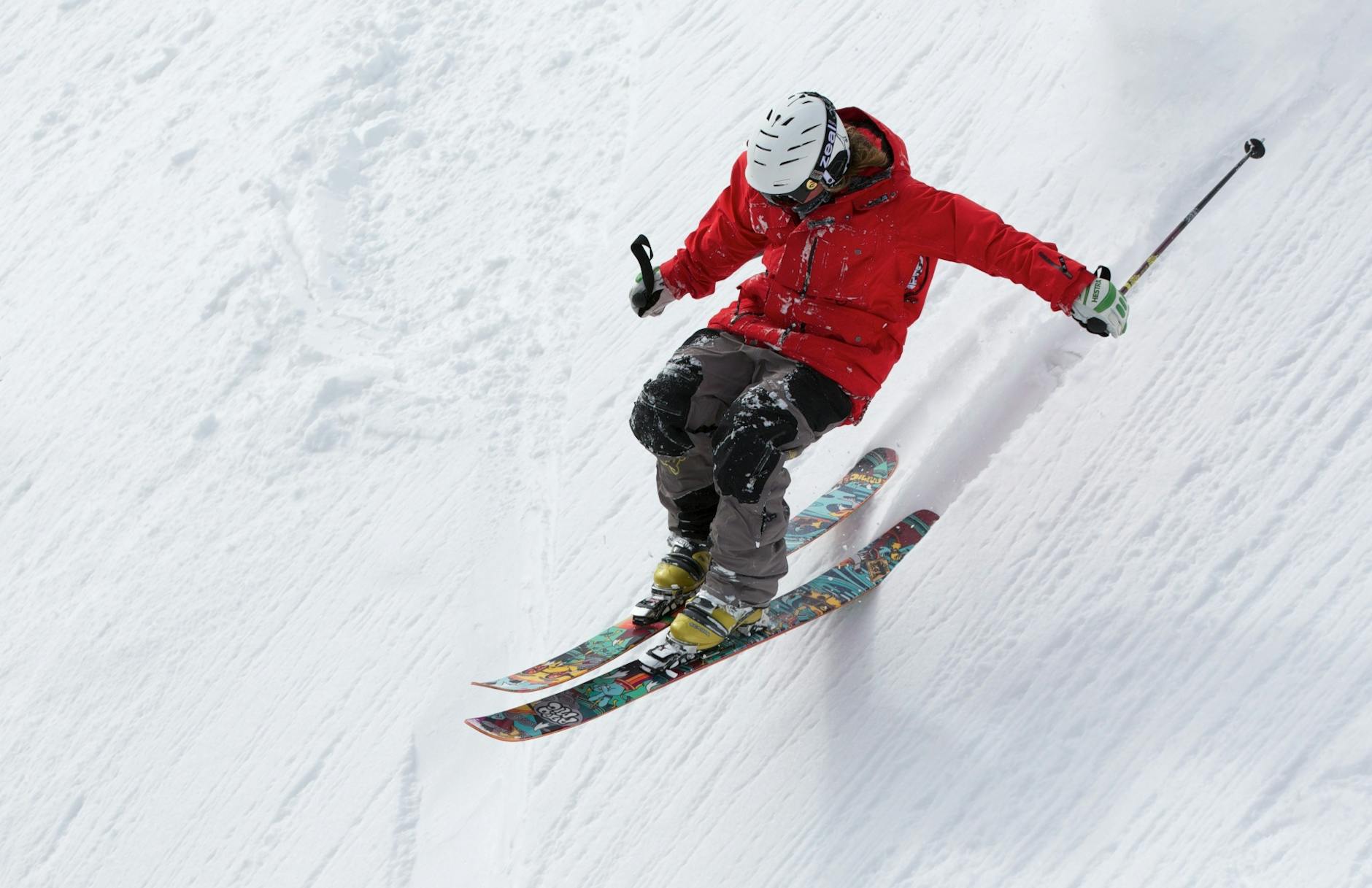
This is perhaps the most well-known, yet continuously evolving, adaptive winter sport. The magic lies in the specialized equipment. For skiers, this often means sit-skis – ingeniously designed chairs mounted on skis, controlled by outriggers (short, ski-like poles with handgrips). These allow for incredible balance and maneuverability. I’ve seen firsthand the sheer elation on the faces of skiers using sit-skis, leaning into turns with a grace that belies the complexity of the technology.
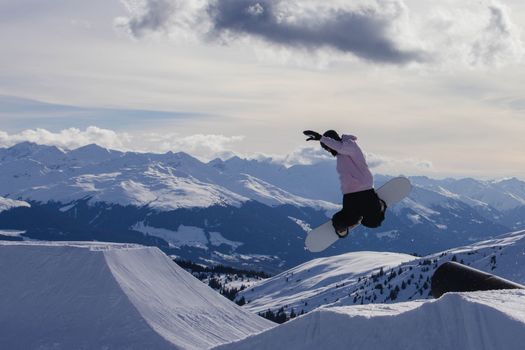
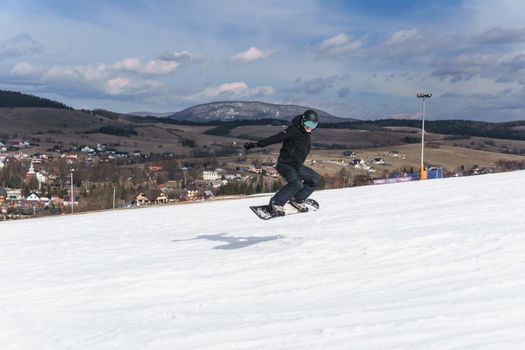
For snowboarders, adaptive boards and bindings are making waves. These can offer increased stability or allow for a different stance, ensuring that the thrill of gliding down a snowy slope is accessible. It’s not just about the equipment; it’s about the dedicated instructors who are trained in adaptive techniques, patiently guiding you through each movement.
Pro-Tip: Many ski resorts now have dedicated adaptive sports centers. Research these centers before booking your trip. Look for certifications like Professional Ski Instructors of America (PSIA) Adaptive Snowsports. Booking lessons in advance is crucial, especially during peak season.
Beyond the Slopes: High-Octane Adventures for All
While skiing and snowboarding often steal the spotlight, this winter is buzzing with other extreme sports that are embracing inclusivity:
1. Snowmobiling: Roaring Through Winter Wonderland
Imagine the rumble of the engine beneath you, the vast expanse of pristine snow stretching out before you, and the exhilaration of navigating through breathtaking landscapes. Snowmobiling, once thought to be a high-impact activity, is becoming increasingly accessible. Specialized adaptive snowmobiles are available, featuring modified controls for hand or foot operation. Some even offer tandem seating, allowing for a guide or companion to share the experience.
The feeling of freedom on a snowmobile is unparalleled. It's about covering ground, experiencing the raw power of nature, and feeling the crisp air on your skin as you traverse frozen lakes and snow-laden forests. It’s a visceral connection to the winter environment.
Pro-Tip: Seek out tour operators who specifically advertise adaptive snowmobiling tours. They will have the right equipment and experienced guides who understand how to adapt the experience for different needs. Always wear appropriate warm layers and eye protection.
2. Ice Climbing: Scaling Frozen Giants
This might sound like the ultimate extreme sport, and for good reason. But with the right guidance and adaptive techniques, ice climbing is no longer an impossible dream. Specialized harnesses and equipment can be adapted to provide support and stability. The focus shifts to strategic placement of ice axes and crampons, with instructors working closely with climbers to develop personalized ascent plans.
The visual is stunning: you, a vibrant splash of color against a towering wall of shimmering ice, the sound of your axe biting into the frozen surface, and the incredible sense of accomplishment as you ascend. It’s a mental and physical challenge that offers a profound sense of empowerment.
Pro-Tip: This is an activity that requires expert guidance. Look for guided ice climbing tours that explicitly mention adaptive options. A good level of upper body strength and a keen sense of balance are beneficial.
3. Fat Biking on Snow: Rolling Through Winter Trails
Fat biking, with its oversized tires designed for soft terrain, has exploded in popularity. This winter, adapted versions are making it accessible for disabled travelers. Think specialized handcycles or adapted trikes that can navigate snowy trails. The experience is about the joy of pedaling through serene winter landscapes, the crunch of snow under the tires, and the quiet beauty of snow-covered forests.
It’s a more meditative yet still exhilarating way to experience winter. You can explore trails at your own pace, stopping to admire the scenery and breathe in the pure, cold air.
Pro-Tip: Contact local bike rental shops or adventure outfitters that specialize in fat biking. Inquire about their adaptive options or if they can recommend partners who do. Be prepared for varied trail conditions.
4. Adaptive Dog Sledding: A Symphony of Paws and Snow
There's something truly magical about dog sledding. The powerful, eager huskies, the rhythmic gliding of the sled, and the vast, silent wilderness create an unforgettable experience. Adaptive dog sledding ensures that everyone can feel the thrill of being pulled by a team of incredible canine athletes. Modified sleds with seating and specialized steering mechanisms are available.
It's a chance to connect with nature and animals in a profound way. The bond you form with the dogs, even for a short ride, is palpable. The sheer power and enthusiasm of the team pulling you through the snow is awe-inspiring.
Pro-Tip: Book with reputable dog sledding outfitters who clearly state their adaptive offerings. They’ll have the appropriate sleds and experienced mushers who can ensure a safe and enjoyable ride. Listen carefully to all safety instructions from the musher.
Planning Your Accessible Winter Escape: The Logistics
Embarking on an extreme winter adventure requires careful planning, especially when accessibility is a key consideration. It’s about meticulous research, open communication, and choosing the right partners.
Quick Facts: Accessible Extreme Winter Sports
| Activity | Estimated Cost ($) | Best Time to Visit | How to Get There | |---|---|---|---| | Adaptive Skiing/Snowboarding | $150 - $500+ (per day, includes lessons & rentals) | December - March | Major ski resorts with adaptive centers (e.g., Winter Park, CO; Aspen, CO; Whistler, BC) | | Adaptive Snowmobiling | $200 - $400+ (per tour) | December - April | Northern regions known for snow (e.g., Alaska, Canada, Scandinavia) | | Adaptive Ice Climbing | $300 - $700+ (per guided day) | January - March | Mountainous regions with frozen waterfalls (e.g., Ouray, CO; Banff, AB) | | Adaptive Fat Biking | $50 - $150+ (per day, rentals & guided tours) | November - March | Areas with groomed snow trails (e.g., national parks, mountain towns) | | Adaptive Dog Sledding | $150 - $350+ (per tour) | December - April | Locations with consistent snowfall (e.g., Alaska, Canada, Finland) |
Insider Knowledge for Seamless Travel:
- Accessibility First: When booking accommodation, always confirm the specific accessibility features. Don't just rely on "accessible room" descriptions. Ask about bathroom grab bars, roll-in showers, ramp access, and available transfer equipment.
- Communicate Your Needs: Be upfront and detailed with tour operators and activity providers about your specific requirements. The more information they have, the better they can prepare and tailor the experience for you.
- Travel Insurance is Your Best Friend: Invest in comprehensive travel insurance that covers adventure activities and any specific medical needs you may have. Read the fine print carefully.
- Pack Smart, Pack Warm: Layering is key for winter sports. Invest in high-quality thermal base layers, insulating mid-layers, and a waterproof/windproof outer shell. Don't forget insulated gloves, a warm hat, and goggles.
- Embrace the Local Flavors: After a day of exhilarating activity, indulge in the local cuisine. In mountain towns, expect hearty stews, rich hot chocolate, and perhaps some local craft beers. Ask locals for their favorite off-the-beaten-path eateries.
The Spirit of Adventure: It’s About More Than Just the Sport
What truly makes these extreme sports accessible and trending for disabled travelers this winter is the underlying shift in mindset. It’s about recognizing that adventure is a universal human desire. It’s about breaking down stigmas and fostering an environment where everyone feels empowered to pursue their passions.
The feeling of accomplishment after pushing your boundaries, of experiencing the raw beauty of winter in a profound way, is transformative. It’s about creating memories that last a lifetime, about proving to yourself and others that limitations are often just perceptions.
This winter, the mountains are waiting. The snow is falling. And the call to adventure is louder than ever. It’s time to answer it.
---