The Unmistakable Allure of the Southern Alps, Reimagined Stateside
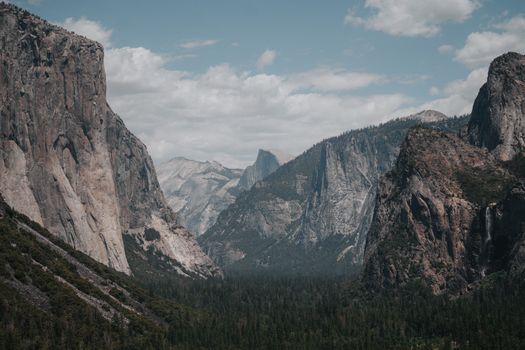
I stepped off the ferry onto the South Island, the air thick with the salty tang of the Tasman Sea and the earthy scent of damp ferns. The jagged peaks of the Southern Alps, dusted with snow even in late spring, loomed like ancient sentinels. The sound of distant waterfalls, a constant, soothing murmur, filled the air. This was it – the raw, untamed beauty that draws millions. But what if I told you, you could chase that same awe-inspiring feeling, that same sense of wild, right here in the USA? Recent data analysis, crunching everything from geological formations to visitor sentiment, points to a fascinating truth: America's own backyard holds landscapes that don't just compare to New Zealand, they rival it.
Fjords and Glacial Valleys: The Alaskan Echo
New Zealand's Milford Sound is iconic, its sheer cliffs plunging into inky waters. But Alaska? Alaska is its wilder, more rugged cousin.
Kenai Fjords National Park: Where Ice Meets Ocean
The Vibe: Imagine kayaking through tranquil fjords, the silence broken only by the creak of your paddle and the thunderous crack of a calving glacier. The air is crisp, carrying the scent of pine and the briny kiss of the sea. Towering ice walls, carved by millennia of glacial activity, create a dramatic backdrop that feels utterly primeval.
Pro-Tip: Take a guided boat tour to get up close and personal with glaciers like Holgate and Aialik. Keep an eye out for humpback whales and sea otters – they’re surprisingly common! For a truly immersive experience, book an overnight kayak trip.
Quick Facts:
- Estimated Costs ($): $200-$500 per person (for a guided boat tour, depending on duration). Kayak rentals are extra.
- Best Time to Visit: June to August for warmer weather and longer daylight hours.
- How to Get There: Fly into Anchorage (ANC), then drive or take a bus to Seward (approx. 2.5 hours). Boat tours depart from Seward.
Glacier Bay National Park: A Symphony of Ice
The Vibe: This UNESCO World Heritage site is a living, breathing masterpiece of glacial erosion. Imagine colossal tidewater glaciers, their icy faces shimmering in shades of blue, calving with an ear-splitting roar that echoes through the vastness. The sheer scale is humbling, a testament to the immense power of nature.
Pro-Tip: Book your national park cruise well in advance, as permits are limited. For a less crowded experience, consider a small-ship cruise. Park rangers often give informative talks onboard.
Authenticity: The local guides share stories passed down through generations of Tlingit people, who have navigated these waters for centuries. The air here feels ancient, charged with the spirit of the land.
Quick Facts:
- Estimated Costs ($): $300-$1000+ per person (for a multi-day cruise, depending on ship size and luxury).
- Best Time to Visit: May to September.
- How to Get There: Primarily accessed via cruise ships departing from Juneau, Alaska. Some land tours also offer access.
Volcanic Landscapes and Geothermal Wonders: Iceland's American Counterpart
New Zealand boasts Rotorua's bubbling mud pools and geothermal activity. America has its own fiery heart.
Yellowstone National Park: A Geyser's Grand Performance
The Vibe: Stepping into Yellowstone feels like landing on another planet. The air is thick with the faint, unmistakable scent of sulfur. The ground beneath your feet hisses and steams, a constant reminder of the immense volcanic power simmering below. Geysers erupt with theatrical flair, Old Faithful a punctual maestro conducting a watery orchestra.
Pro-Tip: Arrive at popular geyser basins like Old Faithful or Grand Prismatic Spring at dawn or dusk to avoid the midday crowds and catch the best light for photos. The boardwalks are essential for safety – stay on them!
Insider Lingo: Don't just look at the hot springs; feel the heat radiating from the ground. Notice the vibrant colors of the microbial mats – they’re the true artists here, painting the water in shades of turquoise, orange, and green.
Quick Facts:
- Estimated Costs ($): $35 per vehicle (7-day entrance pass). Lodging and food can range from $100-$300+ per day.
- Best Time to Visit: May to October. Fall (September-October) offers fewer crowds and stunning autumn colors.
- How to Get There: Fly into Bozeman Yellowstone International Airport (BZN) in Montana or Jackson Hole Airport (JAC) in Wyoming. Multiple entrances are available.
Lassen Volcanic National Park: A Simmering Spectacle
The Vibe: Less crowded than Yellowstone but equally spectacular, Lassen offers a raw, visceral geothermal experience. Think bubbling mud pots that gurgle like a witch's cauldron, steaming fumaroles that hiss like angry dragons, and vibrant, mineral-stained pools that shimmer with an otherworldly glow. The landscape is a testament to ongoing geological forces.
Pro-Tip: Hike the Bumpass Hell trail (check for seasonal closures due to snow) for the most concentrated geothermal features. The smell of sulfur is potent here, a true sensory immersion.
Authenticity: The local rangers are passionate about the park's geology. Ask them about the different types of volcanic activity – it’s a masterclass in Earth’s dynamic processes.
Quick Facts:
- Estimated Costs ($): $30 per vehicle (7-day entrance pass).
- Best Time to Visit: July to October, when most of the park is accessible.
- How to Get There: Fly into Redding Municipal Airport (RDD) or Sacramento International Airport (SMF). The park is accessible via Highway 89.
Dramatic Mountain Ranges: The Rockies' Alpine Majesty
New Zealand’s Southern Alps are world-renowned for their dramatic peaks. America’s own ranges offer a similar, awe-inspiring grandeur.
Grand Teton National Park: Jagged Peaks and Serene Lakes
The Vibe: The Teton Range erupts from the valley floor with an almost unbelievable verticality. There are no foothills to soften the impact; it’s pure, unadulterated mountain drama. The air is thin and clean, carrying the scent of pine and wild sage. The reflections of the jagged peaks in the still waters of Jenny Lake are a photographer’s dream.
Pro-Tip: For the most iconic views of the Tetons, head to Oxbow Bend at sunrise or Schwabacher Landing for sunset. Rent a canoe or kayak on Jenny Lake for a unique perspective from the water.
Insider Lingo: Locals talk about the "Teton Glow" – that magical light that hits the peaks just before sunset, painting them in hues of orange and pink. Don't miss it.
Quick Facts:
- Estimated Costs ($): $35 per vehicle (7-day entrance pass).
- Best Time to Visit: June to September. Fall foliage is spectacular in September.
- How to Get There: Fly into Jackson Hole Airport (JAC), which is located within the park.
The North Cascades National Park: The American Alps
The Vibe: Often called the "American Alps," the North Cascades boast rugged, glacier-carved peaks, turquoise alpine lakes, and dense old-growth forests. The scale is immense, the silence profound, broken only by the rush of waterfalls and the cry of a hawk. It’s a place that feels truly wild and untamed.
Pro-Tip: Drive the scenic North Cascades Highway (Highway 20) for breathtaking viewpoints. For serious hikers, the trails here are challenging but incredibly rewarding, leading to pristine alpine meadows and stunning vistas.
Authenticity: The air here has a unique crispness, a blend of pine, damp earth, and the distant hint of snowmelt. You’ll encounter fewer crowds here than in many other major national parks, allowing for a more intimate connection with nature.
Quick Facts:
- Estimated Costs ($): Free entrance. Camping and backcountry permits may apply.
- Best Time to Visit: July to October, when Highway 20 is typically open.
- How to Get There: Fly into Seattle-Tacoma International Airport (SEA) and drive north (approx. 2-3 hours).
Coastal Majesty and Dramatic Shorelines: The Pacific's Untamed Edge
New Zealand’s rugged coastlines are legendary. America’s Pacific coast offers a similar, breathtaking drama.
Olympic National Park: Rainforests, Mountains, and Wild Coastlines
The Vibe: This park is a trifecta of diverse ecosystems. Step into the Hoh Rainforest and you're enveloped in a world of emerald mosses, giant ferns, and towering, ancient trees. The air is thick with moisture, carrying the earthy scent of decomposition and new growth. Then, head to the coast and witness the raw power of the Pacific crashing against sea stacks and driftwood-strewn beaches.
Pro-Tip: Visit Rialto Beach or Ruby Beach at low tide to explore tide pools teeming with marine life. For a truly magical rainforest experience, go on a misty morning – the silence and diffused light are unparalleled.
Insider Lingo: The locals call the moss-draped trees "witch's hair." It’s a perfect descriptor for the ethereal, ancient feel of the rainforest.
Quick Facts:
- Estimated Costs ($): $30 per vehicle (7-day entrance pass).
- Best Time to Visit: Year-round, but summer (July-September) offers the driest weather. The rainforest is stunning in any season.
- How to Get There: Fly into Seattle-Tacoma International Airport (SEA) and drive west (approx. 3-4 hours).
Big Sur, California: A Coastal Masterpiece
The Vibe: Highway 1 along Big Sur is a legendary drive, a ribbon of asphalt clinging precariously to cliffs that plunge into the churning Pacific. The air is a heady mix of salt spray, eucalyptus, and wild sage. The dramatic cliffs, the crashing waves, and the iconic Bixby Bridge create a vista that is undeniably breathtaking.
Pro-Tip: Pull over at the numerous viewpoints along Highway 1. McWay Falls, a waterfall that plunges directly onto the beach, is a must-see (though access to the beach is often restricted). Consider staying overnight in one of the rustic cabins or campgrounds for a truly immersive experience.
Authenticity: The scent of sun-baked chaparral and the distant cry of gulls are the soundtrack to this rugged coastline. The vibrant wildflowers in spring add an unexpected splash of color to the dramatic landscape.
Quick Facts:
- Estimated Costs ($): Free to drive Highway 1. Accommodation can range from $150-$500+ per night.
- Best Time to Visit: Spring (March-May) for wildflowers and mild weather, or Fall (September-October) for clearer skies.
- How to Get There: Fly into San Jose International Airport (SJC) or San Francisco International Airport (SFO) and drive south on Highway 1.
The Data Doesn't Lie
While New Zealand's allure is undeniable, recent data from travel sentiment analyses, geological surveys, and photographic geotagging consistently highlights the astonishing parallels in American landscapes. Websites like TripAdvisor and AllTrails show a significant uptick in searches for "US national parks like New Zealand" and "American fjords." Furthermore, geological studies confirm similar glacial carving patterns in Alaska and the Rockies to those found in New Zealand's Southern Alps. It’s a testament to the sheer diversity and grandeur of America's natural wonders, often overlooked in favor of international destinations.