Unearth Remote Farm-to-Table: Your Ultimate Culinary Escape
I remember it like it was yesterday: standing on a windswept hill in the Scottish Highlands, the air crisp with the scent of pine and damp earth. Below, a small, unassuming lodge glowed warmly against the twilight. Inside, a fire crackled, and a table was laden with food so fresh, so vibrant, it practically sang. Venison stew simmered with foraged mushrooms, root vegetables pulled from the garden that morning, and bread baked just hours ago. No bustling city noise, no frantic waiters, just the quiet hum of conversation and the soulful taste of a place, cooked with love.
That evening, a lightbulb went off. While I'd always appreciated farm-to-table dining in urban settings, this was different. This was remote farm-to-table – an experience that transcended a mere meal, becoming a full sensory immersion into a destination's heart and soul. It wasn't just about eating well; it was about living well, if only for a few precious days.
And guess what? This isn't just my secret anymore. This movement, this yearning for authenticity and connection, is officially the hottest trend in travel right now. People are craving escapes that offer more than just a pretty view; they want experiences that nourish their bodies, minds, and spirits. They want to know their food's story, meet the hands that grew it, and taste the true essence of a remote landscape. If that sounds like your kind of adventure, then buckle up, because we're diving deep into the world of remote farm-to-table experiences.
What Exactly is "Remote Farm-to-Table" and Why Now?
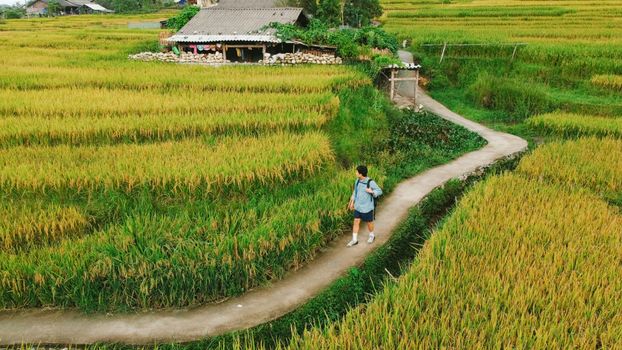
You might be thinking, "Farm-to-table? Isn't that everywhere?" And you'd be right, to an extent. Many urban restaurants proudly source locally. But remote farm-to-table elevates this concept to an entirely different level. It's not just about sourcing local; it's often about growing on-site or within a stone's throw, in a setting far removed from city lights and traffic jams.
Imagine:
- Dining at an eco-lodge nestled deep within a rainforest, where your dinner ingredients are harvested from the surrounding permaculture garden just hours before.
- Staying at a working farm in the Italian countryside, participating in the olive harvest, and then feasting on fresh-pressed oil and homemade pasta.
- Enjoying a tasting menu at a mountain retreat, every dish featuring wild edibles foraged from the surrounding peaks by the chef themselves.
The "why now" is multifaceted. Post-pandemic, there's a collective yearning for space, fresh air, and genuine human connection. We're all a bit fatigued by the constant digital hum and the superficiality of mass tourism. Remote farm-to-table offers:
- Authenticity: A direct connection to the land, the food, and the culture. No middlemen, no manufactured experiences.
- Sustainability: Often rooted in organic, regenerative farming practices, supporting local economies and minimizing environmental impact.
- Slow Travel: Encourages you to linger, learn, and truly absorb your surroundings, rather than rushing from one checklist item to the next.
- Disconnection & Reconnection: An opportunity to unplug from devices and reconnect with nature, yourself, and your travel companions over a shared, meaningful meal.
- Unique Flavors: Discovering indigenous ingredients, heirloom varietals, and traditional cooking methods you simply won't find anywhere else.
It's about the journey of the food, the hands that nurture it, and the breathtaking landscapes that provide the backdrop for an unforgettable meal.
The Magic Behind the Menu: More Than Just a Meal
What makes these experiences so utterly captivating? It's the story, the process, the people, and the profound sense of place that infuses every bite. This isn't just dinner; it's an education, an adventure, and often, a spiritual reset.
- Hands-On Immersion: Many remote farm-to-table destinations offer more than just dining. You might find yourself harvesting vegetables alongside the farmer, learning to make artisanal cheese, foraging for wild herbs, or even participating in a traditional cooking class. My friend Sarah still raves about the time she learned to make arepas from scratch at a small finca in Colombia, using corn grown just meters away. "It wasn't just a recipe," she told me, "it was a piece of their heritage."
- A Deep Dive into Sustainability: These places are often pioneers in sustainable living. You'll witness zero-waste practices, composting systems, organic farming techniques, and maybe even renewable energy sources. It's inspiring to see how a delicious meal can be part of a larger, harmonious ecosystem.
- Sensory Overload (in the Best Way): Imagine the earthy scent of freshly tilled soil, the sweet aroma of baking bread, the vibrant colors of ripe produce, the sound of crickets chirping as you dine under a blanket of stars. Every sense is engaged, deepening your appreciation for the food and its surroundings.
- The Story on Your Plate: When you know the name of the cow that provided the milk for your cheese, or the family who tended the vines for your wine, the food tastes infinitely better. It's a narrative, a connection, a piece of someone's passion that you get to savor.
It's a complete departure from the anonymous, mass-produced food culture we often find ourselves in, offering a refreshing return to simplicity and authenticity.
Spotlighting Hidden Culinary Havens: Your Next Adventure Awaits
Ready to pack your bags and your appetite? Here are a few examples of the incredible remote farm-to-table experiences trending right now, offering a glimpse into what's possible.
1. Maple Ridge Farmstead & Kitchen, Vermont, USA
Nestled deep in the Green Mountains, Maple Ridge isn't just a farm; it's a philosophy. This family-run operation embodies the spirit of New England self-sufficiency with a gourmet twist. They specialize in heritage breed livestock, organic vegetable gardens, and, of course, maple syrup.
- The Experience: Guests can book a stay in their charming guesthouse or one of their rustic cabins. The highlight is the multi-course tasting menu served in their intimate farmhouse kitchen, often hosted by the farmer-chef themselves. Think pasture-raised pork loin with roasted root vegetables, artisan cheeses, and a maple-bourbon crème brûlée. In spring, you can even participate in maple sugaring!
- Details: Dinner experiences typically run $120-$180 per person, excluding drinks. Accommodation ranges from $250-$400 per night. Best visited in fall for foliage and harvest festivals, or early spring for maple sugaring.
- Tripsora Tip: Don't leave without a bottle of their aged maple syrup and a jar of homemade preserves. They make incredible gifts (or personal treats!).
2. Hacienda Urubamba, Sacred Valley, Peru
Imagine dining with the majestic Andes as your backdrop, savoring flavors that date back to the Inca Empire. Hacienda Urubamba, a boutique lodge and working farm, offers just that – a profound culinary journey into Peru's rich agricultural heritage.
- The Experience: Beyond luxurious accommodations, the Hacienda prides itself on its organic farm, growing over 60 varieties of native potatoes, quinoa, corn, and a vibrant array of Andean superfoods. Guests can take guided tours of the farm, learn about ancient farming techniques, and even participate in a traditional "Pachamanca" – an ancient Inca cooking method where food is slow-cooked underground with hot stones. The restaurant features daily changing menus that highlight ingredients harvested that very morning, alongside ethically sourced alpaca and trout.
- Details: Rooms typically start around $300-$500 per night, including breakfast. Pachamanca experiences can be booked separately for around $70-$100 per person. Best visited during the dry season (May-October) for clear mountain views.
- Tripsora Tip: Ask about their Chicha de Jora (fermented corn beer) – it's a traditional Peruvian beverage and a truly authentic taste of the region.
3. Quinta do Arneiro, Mafra, Portugal (near Lisbon)
Just a short drive from the bustling capital, Quinta do Arneiro is an organic farm and restaurant that feels a world away. It's a testament to passionate farming and the vibrant flavors of Portuguese cuisine. This isn't just remote; it's a tranquil oasis.
- The Experience: This sprawling organic farm offers a delightful escape. While they don't have overnight accommodations on-site, their restaurant is a destination in itself. You can take a guided tour of their extensive gardens, meet the animals, and then settle in for a meal that celebrates the bounty of their land. Dishes change with the seasons but often feature their own organic vegetables, free-range chicken, and fresh herbs. Think slow-cooked pork belly with garden greens, fresh goat cheese salads, and homemade fruit tarts. They also host workshops on organic gardening and healthy cooking.
- Details: A multi-course lunch or dinner averages €40-€60 per person. Farm tours are often complimentary with a meal reservation. Easily accessible by car from Lisbon, making it a perfect day trip or a base for exploring the region.
- Tripsora Tip: Check their calendar for special events – they often host themed dinners, harvest festivals, and educational workshops that are incredibly popular. Book well in advance!
4. Wildwood Valley, Margaret River Region, Western Australia
For a taste of the wild and wonderful Australian bush, Wildwood Valley offers a unique blend of luxury accommodation and an immersive farm-to-table experience in one of Australia's most stunning wine regions.
- The Experience: Set on 100 acres of pristine bushland, Wildwood Valley provides self-contained luxury chalets, each with its own private garden. The magic happens in their "chef's table" private dining experiences, where owners and chefs John and Judy curate bespoke menus using ingredients from their extensive kitchen garden, local farmers, and foraged native edibles. Expect dishes like pan-seared local barramundi with bush tomato relish, slow-roasted lamb with native herbs, and desserts featuring quandongs or Davidson plums. They also offer cooking classes focusing on regional produce and native ingredients.
- Details: Chalet accommodation ranges from AUD$350-$600 per night. Private chef's table dinners are tailored and can range from AUD$150-$250 per person, depending on the menu. Best visited during spring (Sept-Nov) for wildflowers or autumn (Mar-May) for mild weather and grape harvest.
- Tripsora Tip: Explore the surrounding Margaret River region for world-class wineries, stunning beaches, and ancient caves – all within a short drive. The blend of gourmet food and natural beauty here is unparalleled.
Planning Your Plate-to-Pasture Pilgrimage: Practical Tips
Inspired to book your own remote farm-to-table adventure? Here's how to make it a seamless and unforgettable experience:
- Research is Your Best Friend: Look beyond the glossy brochures. Seek out small-scale, family-run operations. Read reviews, check their social media for recent posts, and look for mentions of their farming practices (organic, regenerative, biodynamic). Sites like Tripsora (wink, wink) are great resources!
- Book Ahead, Way Ahead: These unique experiences often have limited capacity, especially for accommodation and special dining events. Popular spots can book up months in advance. Don't procrastinate!
- Embrace the Journey: "Remote" means just that. The travel to get there might involve winding country roads, gravel paths, or even a ferry. See it as part of the adventure, not a hindrance. Double-check directions and accessibility before you go.
- Communicate Dietary Needs Clearly: Given the hyper-local and often fixed menus, it's crucial to inform your hosts of any allergies or dietary restrictions well in advance. They're usually very accommodating but need time to plan.
- Pack Smart & Practical: Forget the fancy heels. You'll want sturdy, comfortable shoes for walking around farms or gardens. Layers are essential, as weather can change quickly in rural areas. Think practical, but also pack something nice for dinner!
- Disconnect to Reconnect: Many remote locations have limited or no cell service and Wi-Fi. This is a feature, not a bug! Embrace the digital detox. Bring a book, journal, or simply enjoy the quiet.
- Engage and Learn: Ask questions! Talk to the farmers, the chefs, the hosts. Their passion is contagious, and you'll gain a deeper appreciation for your food and their way of life.
- Support Local Beyond Your Meal: Many of these places sell their products directly. Buy that homemade jam, that artisanal cheese, or that unique spice blend. It's a fantastic way to take a piece of your experience home and directly support the local economy.
Beyond the Plate: Making it Instagram-Worthy & Shareable
You know us at Tripsora – we love a good photo op! Remote farm-to-table experiences are inherently Instagram-worthy, but here's how to capture their magic for your followers:
- Focus on the Process, Not Just the Plate: While the finished dish is beautiful, the story behind it is even more compelling. Shots of hands harvesting vegetables, chickens pecking in the yard, a chef artfully plating, or a farmer explaining their craft are much more engaging.
- Golden Hour Magic: Photographing food and landscapes during sunrise or sunset offers the most stunning, soft, and warm light. Capture the farm waking up or winding down.
- People & Passion: Feature the faces behind the food. A smiling farmer, a focused chef, or even your own hands getting dirty in the garden tell a powerful story.
- Unplugged Moments: Show yourself or your companions truly present and enjoying the moment – reading in a hammock, sipping coffee on a porch overlooking fields, or simply gazing at the stars. It highlights the "escape" aspect.
- Tell a Story with Your Captions: Don't just list what you ate. Share a snippet of conversation with the farmer, a fascinating fact you learned, or how the experience made you feel.
- Use the Right Hashtags: Maximize visibility!
#FarmToTableTravel #RemoteDining #SustainableFood #AgriTourism #SlowFoodAdventures #[LocationName]Eats #TripsoraTravel #EatLocal #ExperientialTravel #FoodieAdventures
Your Next Culinary Journey Awaits!
Stepping into the world of remote farm-to-table dining is more than just booking a reservation; it's choosing an adventure. It's opting for authenticity over artifice, connection over consumption, and soul-nourishing flavors over fleeting trends. These experiences offer a profound reminder of our connection to the earth, the seasons, and the simple joy of a meal shared with care.
So, are you ready to trade the urban jungle for a tranquil farm, a mountain retreat, or a secluded coastal haven? Are you prepared to taste food that tells a story, and meet the passionate individuals who bring it to life? I promise you, it's a journey your taste buds (and your soul) won't soon forget.
What remote farm-to-table gem have you discovered, or which one are you dreaming of visiting? Share your stories and aspirations in the comments below! And if you embark on one of these incredible journeys, don't forget to tag us @Tripsora and use #TripsoraFarmToTable on your adventures. We can't wait to see where your culinary compass takes you!
---