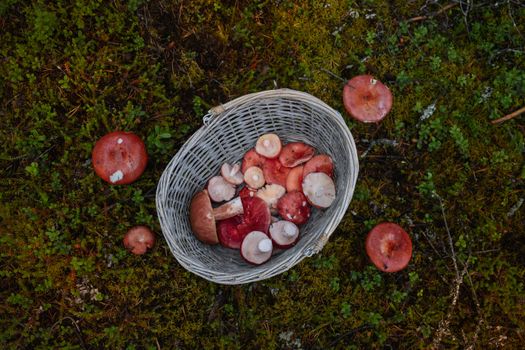
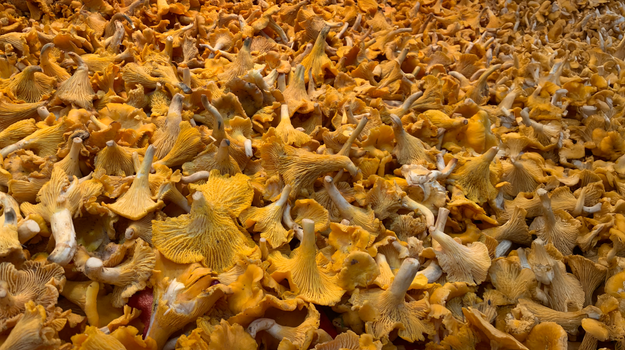
The crisp morning air nipped at my cheeks, carrying the damp scent of pine and rich earth. My boots crunched softly on a carpet of fallen leaves as I scanned the forest floor, a wicker basket swinging gently from my hand. Beside me, a man with a weathered face and eyes that sparkled with an almost childlike wonder pointed to a cluster of vibrant chanterelle mushrooms peeking from beneath a mossy log. "Bingo!" he whispered, his voice hushed as if not to disturb the forest's secrets.
That moment, deep in a Norwegian forest, wasn't just a hike; it was the preamble to one of the most extraordinary meals of my life. This wasn't a typical restaurant experience. There was no maître d', no linen tablecloths, just the raw, untamed beauty of nature, and the exhilarating thrill of knowing that I was helping gather the very ingredients that would soon grace my plate.
Welcome, fellow adventurers and food fanatics, to the world of forage-to-table dining – an intimate, immersive, and utterly unforgettable culinary journey that’s still a whispered secret among the most discerning travelers. Forget your tired "farm-to-table" clichés; this is about connecting with the wild, understanding the true origins of your food, and tasting flavors so fresh, so primal, they’ll redefine your palate. And trust me, you want to experience this before it becomes mainstream.
What Exactly Is Forage-to-Table Dining? The Ultimate Wild Feast
You’ve heard of farm-to-table, where ingredients come directly from local farms. Forage-to-table takes that concept and throws it into the wilderness. Imagine this: instead of simply ordering from a menu, you embark on a guided expedition with a seasoned local expert (often the chef or a dedicated forager). Together, you traverse forests, coastlines, mountains, or even urban green spaces, identifying and carefully harvesting edible wild plants, mushrooms, berries, sea vegetables, and sometimes even shellfish.
Once your basket is brimming with nature's bounty, you return to a kitchen – sometimes a rustic outdoor setup, sometimes a sophisticated restaurant – where a chef transforms your freshly gathered treasures into an exquisite, multi-course meal. It's a culinary experience that’s equal parts adventure, education, and gourmet indulgence.
Why is it gaining traction? In an increasingly homogenized world, people crave authenticity and connection. Forage-to-table offers a profound sense of place, an intimate understanding of local ecosystems, and a direct hand in creating your meal. It’s sustainable, hyper-seasonal, and utterly unique. It’s not just food; it’s a story, an adventure, and a memory you'll cherish long after the last bite.
My First Taste of the Wild: A Norwegian Forest Feast at "Skogsmåltid"
My journey into the world of forage-to-table began in the heart of Norway, specifically in a serene, almost mystical corner near Lillehammer. I'd heard whispers about a place called "Skogsmåltid" (meaning "Forest Meal"), a pop-up experience run by a passionate chef, Lars, and his equally passionate foraging guide, Ingrid. Booking was a challenge – only small groups, and dates were dictated by the season and availability of wild edibles. I snagged a spot on a late summer afternoon, eager for anything new.
We met Ingrid at a designated forest edge, a small group of six eager participants. She was a whirlwind of energy, her eyes constantly scanning the undergrowth. For two hours, she led us through sun-dappled glades and dense thickets, teaching us about everything from wild bilberries and lingonberries (so much more intense than their cultivated cousins!) to edible ferns, wood sorrel, and an array of fascinating mushrooms. I learned to distinguish the subtle differences between various fungi, the importance of sustainable harvesting, and the sheer abundance of food hidden in plain sight.
The highlight was finding a patch of delicate, earthy chanterelles – that moment I mentioned earlier. The triumph of discovery was immense! We filled our baskets with vibrant greens, jewel-toned berries, and earthy fungi.
Back at a clearing, a rustic outdoor kitchen awaited, complete with a roaring fire pit and a sturdy wooden table. Chef Lars, a quiet artisan, took our collected treasures. With minimal fuss, he transformed our haul: the chanterelles were pan-fried with wild garlic and a touch of local butter; the berries became a vibrant compote for a smoked trout dish; the wood sorrel added a tangy kick to a fresh salad. The simplicity of the cooking allowed the natural flavors to sing.
The meal itself was a revelation. Each dish tasted like the forest itself – pure, unadulterated, and bursting with life. The chanterelles, which I had personally plucked from the earth, felt like a trophy. We dined under the canopy of ancient trees, the crackle of the fire and the distant birdsong forming the perfect soundtrack. It wasn't just a meal; it was an act of communion with nature.
Details & Cost: Experiences like Skogsmåltid are often seasonal and exclusive. Expect to pay anywhere from €200-€400 per person for a full day's foraging and a multi-course meal, including expert guidance. It’s an investment, but for an experience this unique, it's absolutely worth every penny. Keep an eye on local tourism boards or niche culinary websites for similar pop-ups in Scandinavia.
From Coastal Tides to Desert Sands: Diverse Foraging Adventures Around the Globe
The beauty of forage-to-table is its incredible diversity. Depending on the ecosystem, the ingredients – and thus the experience – change dramatically.
1. The Salty Bounty of the Pacific Northwest: "The Tide's Table"
Imagine pulling on waders and heading out to the low-tide line on a blustery morning, the air thick with the scent of salt and seaweed. In places like Vancouver Island, British Columbia, or the Oregon Coast, a new wave of chefs and foragers are tapping into the ocean's larder.
At a hypothetical experience called "The Tide's Table" (inspired by real coastal foraging tours), you might spend hours with a guide identifying edible seaweeds like kombu and wakame, digging for razor clams, or spotting tiny wild oysters clinging to rocks. The sheer abundance of life in a tide pool is mesmerizing.
The subsequent meal could feature fresh-caught Dungeness crab steamed with sea beans, a vibrant salad of kelp and local greens dressed with a wild berry vinaigrette, and pan-seared lingcod served with a side of foraged wild mushrooms from the nearby forest. The flavors are bright, briny, and incredibly fresh.
What to expect: Coastal foraging requires sturdy, waterproof footwear and layers. Be prepared for mud and unpredictable weather. Prices are similar to forest foraging, often around $250-$500 CAD/USD depending on the duration and exclusivity.
2. The Resilient Flavors of the Sonoran Desert: "Desert Bloom Bistro"
My mind was blown when I learned about desert foraging. My preconceived notions of barren landscapes were shattered in Arizona, where I joined a small group exploring the Sonoran Desert with a guide from a hypothetical spot called "Desert Bloom Bistro."
The desert, far from being lifeless, is a treasure trove of resilient, flavorful ingredients. We learned about the saguaro cactus fruit, prickly pear pads and fruit, mesquite pods (which can be ground into a flour), cholla buds, and various wild herbs like creosote and desert lavender. It's a masterclass in survival and sustainable living.
The "bistro" itself might be a shaded ramada with a wood-fired oven. Here, the chef transforms the day's harvest: mesquite-flour tortillas, grilled prickly pear salad with local cheeses, saguaro fruit jam, and perhaps slow-cooked local game (like javelina) seasoned with desert herbs. The flavors are earthy, subtly sweet, and surprisingly complex, reflecting the harsh beauty of their origin.
What to expect: Desert foraging demands sun protection (hat, sunscreen), plenty of water, and sturdy closed-toe shoes to avoid thorns. Respect for the delicate ecosystem is paramount. These experiences can range from $150-$350 USD, sometimes including a cooking class component.
The Chefs Behind the Wilderness Kitchen: Masters of the Unconventional
The unsung heroes of the forage-to-table movement are the chefs and guides themselves. They are not just cooks; they are botanists, ecologists, storytellers, and culinary artists rolled into one. Their expertise is what truly elevates the experience.
They possess an encyclopedic knowledge of local flora and fauna, understanding not just what’s edible, but when it’s at its peak, how to harvest it sustainably, and where to find it without disturbing the ecosystem. This deep respect for nature is palpable in every dish.
Take Chef Elena from "The Wild Hearth" in the Scottish Highlands (another inspiring hypothetical). She meticulously studies historical texts and local folklore to rediscover ancient uses for wild ingredients. Her passion isn't just about cooking; it's about preserving cultural heritage and connecting diners to the land in a profound way. She might serve venison with juniper berries and wild bog myrtle, or a dessert featuring dandelion root coffee and sweetened rowan berries.
These chefs are innovators, constantly experimenting with wild flavors, pushing the boundaries of gastronomy, and creating dishes that are both deeply rooted in tradition and boldly modern. They understand that every ingredient has a story, and they are masters at telling it through taste.
Planning Your Own Wild Culinary Expedition: Tips for the Aspiring Forager-Diner
Ready to trade your usual dining experience for an epic outdoor adventure? Here’s how to plan your own forage-to-table journey:
- Do Your Research (and then some!): Start by looking for "foraging tours," "wild food experiences," or "chef-led foraging dinners" in your desired region. Websites like Tripsora and local tourism boards are great starting points. Look for experiences led by certified foragers or reputable chefs.
- Seasonality is Key: Foraging is entirely dependent on the season. Wild garlic in spring, berries in summer, mushrooms in autumn. Plan your trip around what you hope to find.
- Safety First, Always: Never, ever eat anything you forage without 100% certainty of its identification by an expert. Many edible plants have poisonous look-alikes. This is why a professional guide is non-negotiable for these experiences.
- Book Well in Advance: These are often small-group, exclusive experiences that sell out quickly. Some pop-ups only run a few times a year.
- Dress for the Outdoors: Expect to be walking off-trail, potentially in mud, rain, or sun. Sturdy, waterproof hiking boots are a must. Layers are your friend. A small backpack for water, snacks, and personal items is also recommended.
- Embrace the Unknown: The beauty of foraging is its unpredictability. You might not find exactly what you expected, but your guide and chef will adapt, creating something wonderful from whatever nature provides that day.
- Budget Accordingly: As mentioned, these are premium, immersive experiences. Expect prices to reflect the expertise of the guides and chefs, the exclusivity, and the sheer uniqueness of the offering. Think of it as an adventure package, not just a meal.
- Practice Sustainable Foraging: If you're inspired to try foraging on your own (after extensive training!), always follow ethical guidelines: never over-harvest, leave plenty for wildlife and future growth, and forage only in areas where it's permitted. The best guides will always emphasize this.
- Bring Your Camera (and an empty stomach!): The scenery will be breathtaking, the ingredients vibrant, and the dishes Instagram-worthy. You'll want to capture every moment. And trust me, after all that walking and discovering, you'll have quite the appetite!
Why This Is More Than Just a Meal: The Deeper Connection
Beyond the thrill of discovery and the exquisite flavors, forage-to-table dining offers something profoundly deeper. It's a reconnection to the natural world that modern life often distances us from. You learn to see your environment with new eyes, identifying potential ingredients where you once saw only "weeds."
It fosters a greater appreciation for where food comes from, the effort involved in acquiring it, and the delicate balance of ecosystems. It’s a powerful lesson in mindfulness, slowing down to observe, listen, and truly engage with your surroundings.
For me, harvesting those chanterelles in Norway wasn't just about getting an ingredient; it was about understanding the cycle of the forest, the subtle signs of nature, and the incredible generosity of the earth. Eating that meal, prepared with ingredients I had personally gathered, felt like a celebration of life itself.
This isn't just a trend; it's a movement towards more conscious, adventurous, and sustainable dining. It's about experiencing food in its purest, most authentic form, creating memories that linger long after the last bite. So, step out of your comfort zone, swap the menu for a map, and prepare to unearth a culinary adventure that will nourish your body, mind, and spirit.
---
Are you ready to forage your own feast? Have you tried a forage-to-table experience, or are you dreaming of one? Share your stories, tips, or destination ideas in the comments below! And don't forget to tag #TripsoraForages on Instagram when you embark on your own wild dining adventure – we can't wait to see what you discover!