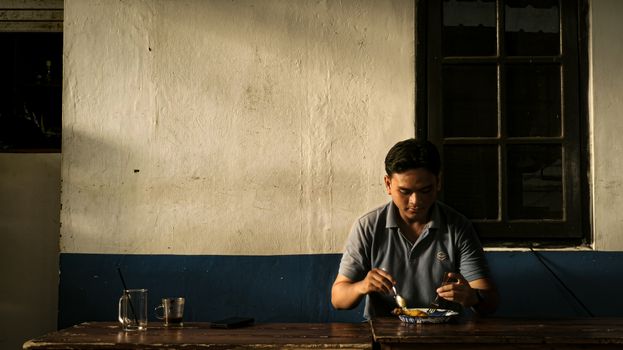
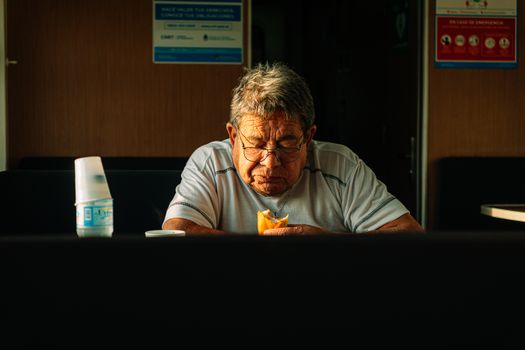
Master Solo Dining: Your Ultimate Guide to Eating Alone Like a Pro (and Loving Every Bite!)
I remember it like it was yesterday: my first solo trip to Rome. The Colosseum had taken my breath away, the Vatican left me speechless, but as evening descended, a familiar knot tightened in my stomach. It wasn’t hunger, but dread. The dreaded "table for one" anxiety. While other travelers giggled over shared pasta and clinked wine glasses, I found myself holed up in my Airbnb, shamefully devouring a sad grocery store sandwich. The thought of walking into a bustling Roman trattoria alone, asking for a table, and enduring the pitying glances was just too much.
Fast forward a decade, countless stamps in my passport, and more solo meals than I can count, and that anxious girl is a distant memory. Now, dining alone is not just something I do; it's something I cherish. It’s an act of self-love, a declaration of independence, and often, the most insightful part of my travel day. From slurping ramen in a Tokyo alleyway to lingering over a multi-course meal in a Michelin-starred restaurant in Paris, I’ve learned the secrets to not just tolerating solo dining, but absolutely loving it. And today, I’m going to share them with you, so you too can blow your mind and transform your solo dining game forever.
Ready to ditch the awkwardness and embrace the pure joy of a meal for one? Let’s dive in!
1. The Mindset Shift: Your Table, Your Kingdom
Before we even talk about choosing a restaurant or what to do with your hands, we need to talk about what’s happening in your head. The biggest hurdle to solo dining isn't external; it's internal. We've been conditioned to associate dining out with social connection, with sharing. But when you’re traveling solo, or even just out for a meal alone in your hometown, you have a unique opportunity to redefine this experience.
Think of it this way:
- It’s not "lonely," it’s "luxurious." When you dine alone, the entire experience is tailored to you. Your pace, your choices, your thoughts. No compromises on where to eat, what to order, or how long to linger. It’s the ultimate self-indulgence.
- It’s not "awkward," it’s "empowering." You’re confidently navigating the world on your own terms. That’s powerful. You’re showing up for yourself, prioritizing your needs, and enjoying a meal without needing external validation.
- It’s not "missing out," it’s "tuning in." Instead of being distracted by conversation, you have the rare chance to fully immerse yourself in the culinary experience. Taste every nuance, appreciate the presentation, soak in the ambiance. It’s mindful eating at its finest.
My personal revelation came during a trip to Lisbon. I was at a small, bustling seafood place, and for the first time, instead of feeling self-conscious, I felt like a secret agent. I was observing, absorbing, and enjoying my grilled octopus with a glass of crisp vinho verde, completely present. It was then I realized: no one cares as much as I think they do. And if they do, that’s their problem, not mine. My table was my kingdom, and I was the queen of my own delicious destiny.
Actionable Tip: Before you even leave for your meal, take a moment to set an intention. Tell yourself: "Tonight, I am treating myself to a beautiful, peaceful, and delicious experience, all for me." This small mental shift makes a huge difference.
2. Strategic Seating: The Art of the Perfect Spot
Where you sit can make or break your solo dining experience. It's not about hiding; it's about optimizing for comfort, observation, and enjoyment.
- The Bar/Counter Seat: Your Secret Weapon. This is my absolute go-to, especially in lively restaurants or when I want a more casual, interactive experience.
- Pros: Bartenders are often friendly and a great source of local recommendations. You're part of the action without being the center of attention. It's perfect for people-watching, and you usually get quicker service.
- Example: In New York City, I once snagged a spot at the bar at Gramercy Tavern (a splurge at around $150-$200 for a tasting menu, but totally worth it for the experience!) and had an incredible conversation with the bartender while enjoying exquisite dishes. It felt less like dining alone and more like an exclusive show. Similarly, in Japan, ramen bars often have counter seating designed specifically for solo diners – like Ichiran Ramen (around ¥1000-¥1500), where you sit in individual "flavor concentration booths." Pure genius!
- The Window Seat: Your Personal Theater. If a bar isn't an option or you prefer a quieter vibe, a window seat is fantastic.
- Pros: You get to watch the world go by. It’s inherently engaging and prevents you from feeling like you’re staring at a wall.
- Example: Imagine sipping an espresso and nibbling a croissant at a café in Paris, like Café de Flore (around €8-€15 for breakfast items), gazing out at the bustling Boulevard Saint-Germain. It's not just a meal; it's an immersive cultural experience.
- Outdoor Seating: Embrace the Ambiance. Patios and sidewalk tables are wonderful for absorbing the local atmosphere.
- Pros: You’re part of the street life, making you feel connected rather than isolated. Great for warmer evenings.
- Example: Enjoying a pizza and Aperol Spritz at a small trattoria in Florence, like Trattoria Mario (cash only, around €10-€20 for a main dish), with the sounds of Italian chatter and vespas buzzing by. It’s pure magic.
- The Booth/Corner Table: For Introspection. Sometimes, you just want a bit more privacy.
- Pros: Offers a sense of coziness and seclusion, ideal for reading, journaling, or deep thought.
- Consideration: Make sure it's not tucked away in a sad, forgotten corner. Aim for a booth that still offers a good view of the restaurant.
Actionable Tip: When you arrive, don't just wait to be seated. Politely ask, "Do you have a spot at the bar, a window seat, or a quiet corner available?" Be proactive about finding your perfect spot.
3. The Gadget vs. The Gaze: Smart Engagement Strategies
One of the biggest anxieties of solo dining is, "What do I do?" The natural instinct is to bury your face in your phone. And while there's nothing wrong with a little screen time, it can also be a crutch that prevents you from truly enjoying the moment.
- The Phone as a Tool (Not a Crutch): Yes, use your phone! But use it intentionally.
- Research: Look up tomorrow's itinerary, read about the history of the dish you're eating, or find nearby attractions.
- Connect (Briefly): Send a quick message to a loved one, but avoid endless scrolling that disconnects you from your surroundings.
- Capture: Take a beautiful photo of your meal for Instagram, but then put the phone away. #solodininggoals
- Example: I often use my phone to translate menu items in non-English speaking countries. In Vietnam, at a street food stall in Hanoi (prices are typically $1-$5), I used Google Translate to ensure I was ordering the correct bun cha, which led to a delightful exchange with the vendor!
- Embrace the Analog: This is where the magic happens.
- Journaling: Carry a small notebook. Jot down your thoughts, observations, travel plans, or even just what you're eating and how it tastes. This turns your meal into a productive, reflective experience.
- Reading: A physical book or e-reader is a fantastic companion. It signals that you’re purposefully engaged and not just waiting for someone.
- People-Watching: This is my absolute favorite. Observe the dynamics of other tables, the interactions between staff, the fashion choices of passersby. It’s free entertainment and a fascinating way to immerse yourself in local culture.
- Mindful Eating: Put everything down and just focus on your food. Notice the colors, textures, aromas, and flavors. Chew slowly. Savor every bite. This is the ultimate form of self-care.
- Example: In a quaint café in Salzburg, Austria (a coffee and pastry might be €5-€10), I once spent an hour simply observing families, couples, and other solo travelers, inventing backstories for them in my head, all while enjoying the most divine Sachertorte. It was more entertaining than any Netflix show.
Actionable Tip: Try a "phone-free first 15 minutes" challenge. Order your food, take a moment to look around, and truly be present before you even think about reaching for your device. You might be surprised by what you notice.
4. Engaging the World (or Not): Interaction on Your Terms
One of the fears of dining alone is feeling isolated. But you don't have to be! You can choose your level of interaction, from a polite nod to a full-blown conversation.
- Befriend Your Server/Bartender: These folks are your allies. A friendly smile, a genuine "How are you?" or a simple question about the menu can open doors. They often have the best local recommendations, from hidden gems to must-try dishes.
- Example: At a charming tapas bar in Seville, Spain, I asked the bartender for his favorite off-menu sherry. He not only brought me a fantastic glass but also shared stories about the bodega it came from, turning a simple drink into a mini cultural lesson. (Tapas and a drink typically cost €10-€20).
- Don't Be Afraid to Ask for Recommendations: "What's a local specialty I absolutely must try?" "What wine pairs best with this dish?" This shows interest and can spark a pleasant exchange.
- Observe Other Diners (Respectfully): While people-watching is great, sometimes you might strike up a conversation with a fellow solo diner or even a friendly couple. A simple compliment on their dish or a question about the area can be a natural icebreaker.
- Embrace the Solitude: And sometimes, you just want to be left alone. That’s perfectly fine! Don't feel obligated to interact if you're not in the mood. A book or a journal is a good signal that you're happily occupied.
Actionable Tip: Practice making eye contact and smiling genuinely with your server. It's a small gesture that can make a big difference in how you feel and how you're treated.
5. Beyond the Restaurant: Exploring Diverse Solo Dining Experiences
Solo dining isn't just about sitting at a table in a formal restaurant. Expand your horizons and discover the myriad of ways to enjoy food alone.
- Cafes & Coffee Shops: The quintessential solo dining spot. Perfect for breakfast, lunch, or a snack. They are designed for lingering, reading, and people-watching.
- Example: A pain au chocolat and café crème at a local boulangerie in Montmartre, Paris, watching artists set up their easels. Bliss. (Around €5-€10).
- Food Markets: A feast for the senses! Wander through stalls, sample local delicacies, and piece together your own gourmet meal.
- Example: Borough Market in London or La Boqueria in Barcelona. Grab some artisan cheese, fresh bread, olives, and a glass of wine, then find a bench to enjoy your spread. This is often more affordable too, typically £10-£20 or €10-€20 for a substantial meal.
- Street Food Stalls: Often the most authentic and delicious way to eat, and perfectly suited for one. No awkward table setup, just deliciousness on the go.
- Example: Tacos from a cart in Mexico City (around $1-$2 per taco), satay skewers in Bangkok (around $0.50-$1 per stick), or falafel in Amman.
- Picnics: Buy local ingredients from a market or grocery store – cheese, bread, fruit, a bottle of wine – and find a beautiful spot to enjoy.
- Example: A picnic by the Eiffel Tower in Paris as the sun sets, or overlooking the Arno River in Florence. It's romantic, budget-friendly, and nobody judges your cheese-to-bread ratio.
- Food Tours: While not strictly "dining alone," many food tours are excellent for solo travelers. You get to sample lots of different foods, learn about the local cuisine, and meet other food enthusiasts in a relaxed group setting.
- Example: A "Taste of Rome" food tour might cost €50-€100, but you'll eat your way through multiple neighborhoods and discover hidden culinary gems.
Actionable Tip: Don't limit yourself to traditional restaurants. Seek out local markets, street food vendors, and charming cafes. These often provide the most memorable and least intimidating solo dining experiences.
6. Conquering the Bill & Tipping: Smooth Exits
The end of the meal should be as smooth and confident as the beginning.
- Signal Confidently: Don't hover awkwardly. Make eye contact with your server and give a clear, polite signal (a slight hand raise, or simply saying "check, please" or "il conto, per favore").
- Payment Preparedness: Have your payment method ready. If paying by card, have it out. If cash, know roughly what you'll need.
- Tipping Etiquette: Be aware of local tipping customs.
- USA: 15-20% is standard.
- Europe: Often a service charge is included, or a small tip (rounding up or 5-10%) is appreciated but not mandatory.
- Asia: Tipping is less common or even considered rude in some places. Research before you go!
- Don't Rush, Don't Linger Too Long: Find a comfortable pace. You don’t need to vacate the second you finish, but also be mindful if the restaurant is busy and there’s a queue.
Actionable Tip: A quick Google search for "[City Name] tipping etiquette" before your trip can save you any awkwardness at the end of a meal.
Your Solo Dining Journey Starts Now!
Dining alone isn't just about sustenance; it's about empowerment, self-discovery, and truly savoring the present moment. It's about taking ownership of your experiences, whether you're halfway across the world or just down the street. The fear of "awkwardness" is a self-imposed prison, and it's time to break free.
So, the next time you find yourself alone, don't retreat to your hotel room or settle for takeout. Instead, choose a restaurant, find your perfect spot, engage with your surroundings (or your thoughts!), and enjoy a meal that is truly, unapologetically, yours.
I promise you, once you master this art, your travels – and your daily life – will never be the same. You'll unlock a new level of confidence and self-reliance that will blow your mind.
What's your favorite solo dining memory or tip? Share it in the comments below! And don't forget to tag #TripsoraSoloDining on Instagram with your next solo culinary adventure. Let's inspire each other!
---