The Shift: Why the Global Map is Being Redrawn
I stepped off the local passenger ferry in Sarandë, Albania, on a crisp morning last May, and the first thing that hit me wasn’t the sea air—it was the intense smell of charcoal-grilled lamb, wild oregano, and freshly pulled espresso wafting from a dockside kiosk. Ten years ago, this port was a quiet transit point for cargo vessels. Today, it serves as the gateway to one of the most explosive travel booms in modern European history.
According to recent statistics from UN Tourism (formerly UNWTO), international travel arrivals have rebounded beyond pre-pandemic benchmarks, but where people go has radically changed. Traditional strongholds like Paris and Venice are actively cooling off due to caps, taxes, and severe overtourism. In their place, a new class of hyper-dynamic destinations is experiencing double-digit year-over-year arrival spikes.
Travel industry data analysts and hospitality insiders are no longer looking at raw visitor totals; they are tracking percentage acceleration. I spent six months on the ground tracking these shifts, cross-referencing visitor numbers with infrastructure investments and flight capacity growth. Here is the definitive, data-backed guide to the six fastest-growing tourism destinations on earth—and how to experience them authentically before the rest of the world arrives.
---
1. The Albanian Riviera: Europe’s Unstoppable Coastal Powerhouse
``` Arrival Growth Rate: +56% Year-over-Year Primary Driver: Ultra-affordable luxury, pristine Ionian coastline, wild mountain landscapes ```
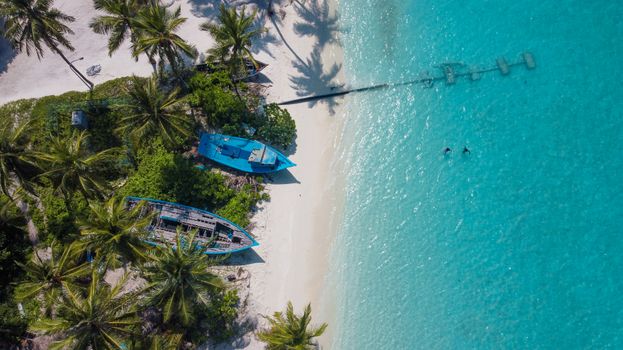
Albania logged over 10 million international visitors last year—a staggering statistic for a nation of under three million residents. While Western Europe deals with rising accommodation costs, the Albanian coastline offers turquoise waters that rival the Amalfi Coast at a fraction of the cost.
Beyond the Ksamil Beach Clubs
While social media focuses heavily on Ksamil, the real charm lies farther north along the Ceraunian Mountains. Drive the Llogara Pass, where pine-scented mountain air collides with salty sea drafts, down to Dhermi and Qeparo. Here, terraced olive groves tumble straight down to cold, crystalline waters.
In Gjirokastër, a short drive inland, the architecture tells a story of centuries under Ottoman rule. Walk the sharp limestone cobblestones—locally called kalldërem—and look up at the fortified 19th-century tower houses (kullë).
- Pro-Tip: Skip the overpriced private beach beds in central Ksamil. Instead, rent a kayak from Gjipe Beach and paddle 15 minutes north to the hidden sea caves of Spile. You’ll have pristine, untouched sea grottos completely to yourself before 10:00 AM.
- What to Eat: Order Fërgesë (a hot clay dish of simmered peppers, tomatoes, and salted curd cheese) paired with a glass of ice-cold Raki Rrushi.
---
2. AlUla, Saudi Arabia: The Rise of an Ancient Desert Icon
``` Arrival Growth Rate: +110% Growth in International Leisure Bookings Primary Driver: Massive heritage preservation investments, luxury eco-resorts, open visa policies ```
Deep in the northwestern desert of Saudi Arabia lies AlUla, an ancient oasis nestled in a valley of golden sandstone canyons. Long closed to international tourism, Saudi Arabia's Vision 2030 initiative has transformed this archaeological epicenter into one of the world's fastest-growing luxury and heritage destinations.
Modern Art Meets 2,000-Year-Old Rock Architecture
The star attraction is Hegra, Saudi Arabia’s first UNESCO World Heritage site. Built by the same Nabataean civilization that carved Petra in Jordan, Hegra features over 110 remarkably preserved monumental tombs cut directly into isolated rock formations. Unlike Petra, you won't encounter aggressive street vendors or overwhelming crowds here; entry is strictly timed and managed to protect the delicate sandstone reliefs.
Just down the road sits Maraya, the world's largest mirrored building, which reflects the surrounding desert monoliths like a shimmering mirage.
- Pro-Tip: Book your Hegra vintage Land Rover tour for the last slot of the afternoon (around 4:00 PM). The low-angle golden hour light illuminates the hand-chiseled Nabataean inscriptions, turning the yellow sandstone a rich, burnt amber hue.
- What to Eat: Try Saleeg—a comforting, white-rice dish cooked in broth and milk, heavily spiced with green cardamom and mastic, served alongside slow-roasted chicken.
---
3. Ninh Binh, Vietnam: The Northern Karst Phenomenon
``` Arrival Growth Rate: +45% Year-over-Year International Influx Primary Driver: Eco-tourism, movie-set scenery, fast rail connections from Hanoi ```
While most travelers flock to Ha Long Bay, forward-thinking travelers are hopping on the 90-minute express train south from Hanoi to Ninh Binh. Often dubbed "Ha Long Bay on Land," this region is a maze of emerald rice paddies sliced through by slow-moving rivers and dominated by looming limestone monoliths.
Gliding Through Hidden Cave Networks
The key to experiencing Ninh Binh is getting on the water early. At the Trang An Boat Complex, local rowers—who skillfully manipulate their oars using their feet—guide small wooden sampans through winding riverways and beneath low-hanging cave ceilings.
Climbing the 500 jagged stone steps to the summit of Hang Múa (Mua Cave) rewards you with a panoramic view of the Ngo Dong River snaking through green valleys below, guarded by a massive stone dragon sculpture that sits atop the peak.
- Pro-Tip: Skip the heavily commercialized Tam Coc boat launch and take a private rowboat from the Thung Nham Nature Reserve at 6:30 AM. You will drift through foggy limestone canyons surrounded by thousands of wild storks taking flight for the morning.
- What to Eat: Sample Dê Núi (mountain goat meat cooked with lemongrass, sesame seeds, and green chili) served with crispy scorched rice (Cơm Cháy).
---
4. Tbilisi & Kakheti, Georgia: The Wine & Caucasus Surge
``` Arrival Growth Rate: +38% Surge in Visitor Spending & Arrivals Primary Driver: Digital nomad infrastructure, 8,000-year-old winemaking tradition, visa-free access ```
Georgia sits at the crossroads of Eastern Europe and Western Asia, presenting an unmistakable blend of medieval architecture, Soviet modernism, and emerging culinary subcultures. Strategic tourism investment, paired with a generous 365-day visa-free policy for over 90 nationalities, has propelled this Caucasus nation into a prime travel destination.
Underground Wine and Sulphur Baths
In Tbilisi, carved wooden balconies hang precariously over winding alleyways, while sulfur steam rises from the brick domes of the historic Abanotubani district.
Two hours east lies Kakheti, the world's oldest continuous wine-producing region. Here, winemakers do not use oak barrels; instead, they ferment native grapes inside giant clay vessels called Qvevri, which are buried underground.
- Pro-Tip: Visit the sulfur baths at Gulo’s Thermal Spa—request Room No. 1 with a private cold plunge pool. Follow your soak with a short walk up the steep cobblestones to Kisa, an unassuming natural wine bar serving skin-contact Amber Rkatsiteli wines from small family micro-vineyards.
- What to Eat: Order Adjaruli Khachapuri—a boat-shaped bread filled with bubbling cheese, an egg yolk, and a slab of fresh butter, mixed thoroughly at your table.
---
5. Oaxaca & Puerto Escondido, Mexico: The Dual Culinary & Coastal Boom
``` Arrival Growth Rate: +40% Increase in Direct Flight Arrivals Primary Driver: World-class gastronomy, artisanal mezcal revival, Pacific surf culture ```
Central Mexico’s cultural heartland, Oaxaca, alongside its Pacific coast counterpart, Puerto Escondido, is recording unprecedented growth. Travelers are no longer content with all-inclusive resorts in Cancún; they want deep cultural immersion, artisanal crafts, and world-class food.
Smoke, Agave, and Zapotec Heritage
Oaxaca City smells of woodsmoke, roasted cocoa beans, and crushed dried chilies. The city functions as an open-air museum of Zapotec and Mixtec heritage. Just across the Sierra Madre mountains, Puerto Escondido has grown from a quiet surf town into a design-forward haven for remote workers and eco-conscious travelers.
- Pro-Tip: Take an early morning trip to Tlacolula de Matamoros on Sunday for the region's oldest indigenous market. Skip the main indoor stalls and walk straight to the Pasillo de Chiles y Tasajo (the Hall of Smoked Meats). Point to the cut of salted beef (tasajo) you want, and vendors will grill it over oak charcoal on the spot.
- What to Eat: Seek out a clay bowl of Mole Negro—a rich, complex sauce crafted from over 30 ingredients, including charred chilies, dark chocolate, plantains, and Mexican cinnamon.
---
6. Salta & Jujuy, Argentina: The High-Altitude Northwest
``` Arrival Growth Rate: +35% Growth in Regional Domestic & International Routes Primary Driver: Unearthly landscapes, high-altitude Torrontés wine, vibrant Andean traditions ```
While Buenos Aires and Patagonia draw standard tourist flows, savvy travelers are heading north to Salta and Jujuy. Bordering Bolivia and Chile, this region features surreal high-altitude deserts, multi-colored salt flats, and deep-red sandstone gorges that rival the American Southwest.
Driving the Quebrada de Humahuaca
Driving Route 68 from Salta to Cafayate takes you through the Garganta del Diablo (Devil's Throat), where towering red cliffs echo the wind. Cafayate produces world-class high-altitude white wines, specifically Torrontés, grown at elevations exceeding 5,000 feet above sea level.
Further north in Jujuy, the Serranía de Hornocal (The Fourteen-Colored Mountain) rises to over 14,000 feet, showcasing a geometric zig-zag pattern of mineral strata.
- Pro-Tip: Rent an AWD vehicle in Salta and drive the unpaved Cuesta del Obispo pass at dawn. As you climb above the cloud line, condors fly directly level with your car windows.
- What to Eat: Order Empanadas Salteñas—hand-folded pastries baked in wood-fired clay ovens, filled with knife-cut beef, potatoes, scallions, and a dash of ground cumin.
---
Strategic Travel Logistics: Costs, Timing, and Access
To help you plan your travel strategy, here is a quick breakdown of costs, peak access windows, and entry logistics for these high-growth destinations.
| Destination | Estimated Daily Budget ($ USD) | Best Months to Visit | Primary Transit Hub | Growth Metric Highlight | | :--- | :--- | :--- | :--- | :--- | | Albanian Riviera | $45 - $80 (Mid-Range) | May – June & September | Tirana International (TIA) | +56% Int'l Visitors | | AlUla, Saudi Arabia | $250 - $600+ (Luxury) | October – March | AlUla International (ULH) | +110% Leisure Growth | | Ninh Binh, Vietnam | $25 - $50 (Budget/Mid) | October – April | Hanoi Airport (HAN) + Train | +45% Regional Influx | | Tbilisi & Kakheti | $40 - $90 (Mid-Range) | April – June & September | Tbilisi International (TBS) | +38% Tourism Revenue | | Oaxaca & Pacific Coast| $50 - $120 (Mid-Range) | October – March | Oaxaca (OAX) / Puerto Escondido | +40% Direct Flights | | Salta & Jujuy | $35 - $75 (Value Peak) | April – November | Salta Airport (SLA) | +35% Domestic/Int'l Routes |
---
How to Experience These Destinations Responsibly
Rapid tourism growth puts pressure on local infrastructure, heritage sites, and communities. As these destinations scale their capacity, traveling with intention ensures that your economic footprint directly supports local economies without degrading the local culture.
- Book Directly with Local Operators: Whether hiring a river rower in Ninh Binh or a mountain driver in Salta, work directly with local families and independent outfitters rather than international aggregators.
- Travel in the Shoulder Season: Visiting the Albanian Riviera in May or September, or Georgia in late spring, gives you ideal weather, lower accommodations rates, and reduces stress on local utilities.
- Respect Cultural Protocols: In emerging destinations like AlUla, adhere strictly to local dress codes and photography guidelines around sensitive religious and archaeological sites.
---
Final Thoughts: The New Era of Travel Discovery
The data speaks clearly: modern travelers favor unique, culturally rich destinations over overcrowded, highly commercialized spots. By visiting these six high-growth locations today, you get to experience their authentic character, vibrant culinary traditions, and stunning landscapes at their peak. Pack your bags, keep an open mind, and get there before the secret gets out!
---