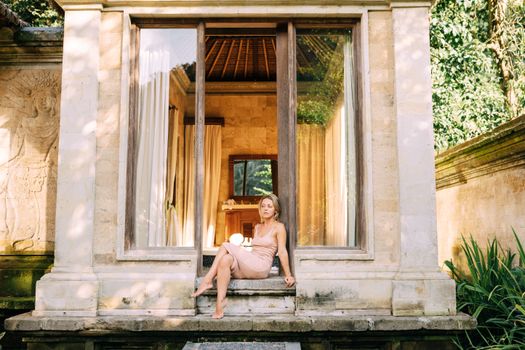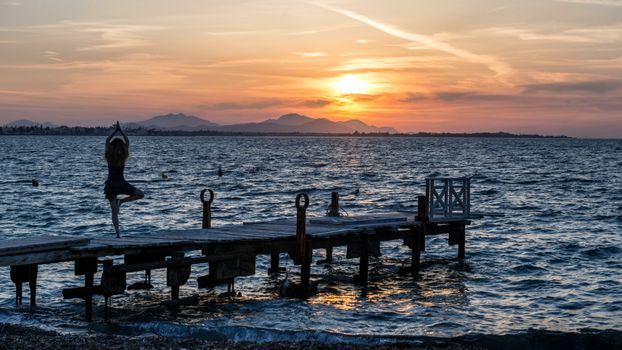
Fasting retreats have become part of the wellness travel market, offering structured periods of reduced food intake alongside walking, meditation, rest and time away from routine. Participants often describe them as a way to reset their habits and gain mental clarity. Those claims deserve careful handling. Research on fasting and cognition is still evolving, results differ between studies and individual responses vary widely. This guide explains what fasting retreats typically involve, how to judge the safety of a programme and why medical advice matters.
What fasting retreats usually involve
Programmes differ, but many follow a similar pattern. Participants may begin with a preparation period of gradually reduced food, followed by a fasting phase, then a supervised reintroduction of food. Days often include guided meditation, gentle exercise, time outdoors, hydration plans and educational sessions about nutrition. Some retreats offer only water and herbal teas, while others allow low-calorie broths or juices. The intensity and duration vary considerably, so read the programme description carefully.
What the evidence does and does not show
Some studies have examined intermittent and prolonged fasting in relation to metabolic health, mood and cognitive performance, but findings are mixed and often based on small or short-term trials. Many reports of mental clarity are subjective. A calmer schedule, reduced alcohol intake, better sleep and time away from work can all contribute to how people feel, independently of fasting itself. Be cautious of retreat materials that present mental benefits as guaranteed, and look for references to peer-reviewed research that matches the specific type of fasting offered.
Who should not fast without medical advice
Fasting is not suitable for everyone. People who are pregnant or breastfeeding, those with diabetes or other conditions affecting blood sugar, individuals with a history of eating disorders, and people with heart, kidney or liver conditions should seek medical advice before considering any fasting programme. Anyone taking medication that needs to be taken with food, or medication that affects blood pressure, electrolyte balance or blood sugar, should also speak with their doctor first. Dehydration, dizziness, fainting and electrolyte imbalance are recognised risks, and they can be more serious in remote locations.
Questions to ask providers
A responsible retreat should be transparent about its approach. Ask whether a medical professional screens participants before arrival and reviews health information during the stay. Find out who supervises the fasting, what qualifications staff hold, and how they respond to symptoms such as low blood pressure or confusion. Ask what happens if a participant needs to stop early, and whether there is access to emergency care nearby. Clear refund policies and written health questionnaires are good signs, while vague or pressured sales tactics are a warning.
Preparing and recovering
Preparation and recovery matter as much as the fasting period itself. Reintroducing food gradually is widely recommended, because a large meal after a long fast can cause discomfort. Participants should plan a supportive routine after the retreat, including sensible meals, continued hydration and rest. If you notice persistent symptoms, such as heart palpitations, severe fatigue or unusual confusion, seek medical attention promptly.
Alternatives for a mental reset
If your goal is greater calm or focus, several lower-risk options may be worth considering. A retreat that emphasises rest, nature walks, yoga, mindfulness and balanced meals can provide similar time away without restrictive fasting. Some people find that a digital detox, regular sleep, or structured time outdoors achieves more consistent results. Discuss your goals with a healthcare professional, who can suggest approaches that suit your health history.
Practical tips
- Speak with your doctor before booking any fasting programme, especially if you have a medical condition or take medication.
- Ask for a clear written description of daily food intake, activity levels and supervision arrangements.
- Check whether the retreat has medical staff on site and how emergencies are handled.
- Plan a gradual return to normal eating, and avoid driving or demanding physical activity immediately afterwards.
- Choose a provider that encourages questions and allows you to stop at any point without pressure.
Common mistakes to avoid
A common error is treating a retreat as a treatment, when most programmes are educational and supportive rather than medical. Some people choose a retreat based on dramatic before-and-after stories, which are rarely representative of what most participants experience. Others push into strenuous hikes or long meditation sessions while their energy is low, which can lead to dizziness. Ignoring early signs such as headache, unusual thirst or light-headedness is another mistake, since these can signal that the body needs a different approach. Some travelers also stop caffeine or alcohol abruptly without planning, which may cause unpleasant withdrawal symptoms. Finally, people often underestimate the return journey, booking a long drive or flight straight after a fast. Planning the gentler parts of the trip can make the whole experience easier to manage.
A checklist for deciding
Use these questions as a starting point, not as a substitute for medical advice:
- Is your goal relaxation, or are you hoping for a specific clinical result that may not be realistic?
- Would you feel comfortable stopping early, without pressure from staff or other guests?
- Do you have a support person or a clear contact at home?
- Can you arrange rest days if your energy dips?
- Are you comfortable with the cost and commitment if the programme does not suit you midway?
Frequently asked questions
Can fasting improve focus for everyone? The evidence is mixed, and individual responses vary widely, so no particular outcome can be assumed for any person.
Is water-only fasting safer than juice-based programmes? Not necessarily. Risks depend on your health status, the level of supervision and the length of the programme, so ask the provider about each element.
What should you do if you feel unwell during a retreat? Stop the activity, rest, tell staff immediately, and seek medical help if symptoms are severe or persistent.
Fasting retreats can offer time away from routine, structured rest and an opportunity to reflect, but their benefits for mental clarity are not firmly established and their risks are real for some people. Making a sound decision means checking the programme's medical safeguards, understanding the limits of current research and considering whether a less restrictive retreat might meet your needs. When in doubt, a healthcare professional is the right first point of contact.