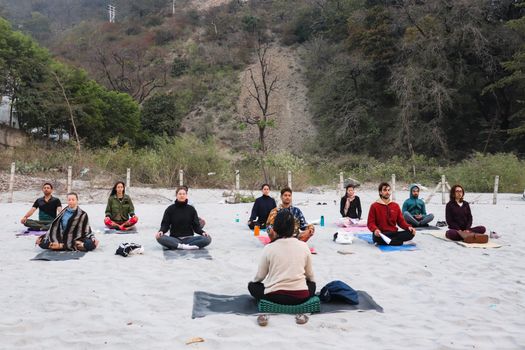
Wellness retreats that include fasting are a recognized part of the travel market. They are usually promoted with promises of renewed energy, sharper focus and a break from daily routines. Some participants value the structure, the quiet setting and the chance to step away from work and screens. At the same time, fasting carries physical risks, and the research on its effects on thinking and mood is far from conclusive. A sensible approach separates the experience a retreat can offer from the outcomes it may claim.
This article explains what is currently understood about fasting and mental function, who should avoid fasting altogether, and what to look for in a program that takes safety seriously. It is general information, not medical advice.
What the Evidence Shows and Does Not Show
Fasting has been studied in many contexts, including religious observance, weight management and short-term metabolic experiments. Research on cognition and mood has produced mixed results. Some studies have reported changes in alertness or subjective wellbeing during certain fasting patterns, while others have found little difference or effects that depended on the individual and the length of the fast. Study designs, sample sizes and durations vary considerably, which makes it difficult to draw firm conclusions for a retreat setting.
It is important to be cautious with claims that fasting will reliably improve mental clarity. A retreat may offer rest, a reduced digital load and a structured schedule, and these factors can feel beneficial in their own right. Attributing every positive feeling to fasting itself goes beyond what the evidence supports.
Physical Risks to Keep in Mind
Fasting can cause dizziness, low blood pressure, headaches, fatigue, irritability and changes in blood sugar. Dehydration and electrolyte imbalances are possible, particularly with prolonged fasting or intense physical activity. People taking medications for diabetes, blood pressure or heart conditions may face additional risks, and some medications need to be adjusted or avoided during reduced food intake. Certain conditions, such as kidney or liver disease, may also change the safety picture.
Warning signs that require prompt medical attention include fainting, chest pain, severe weakness, confusion, palpitations and persistent vomiting. Participants should know what to do if these occur, including who to contact on site and how to reach emergency services.
Who Should Avoid Fasting Retreats
Fasting is not appropriate for everyone. People who are pregnant or breastfeeding, those who are underweight, and people with a history of eating disorders should generally avoid fasting programs. Individuals with diabetes, significant heart or kidney problems, or gallstones should speak with their doctor before considering any fasting. Older adults, people with low blood pressure and those taking multiple medications also need individual medical advice. Children and adolescents should not undertake fasting programs without specialist supervision.
Because the list of conditions is long, the safest step is to discuss any health concern with a qualified clinician before booking. A physician can explain whether fasting is safe for you and what precautions would apply.
Choosing a Program With Proper Safeguards
A responsible retreat screens participants before arrival, usually through a detailed health questionnaire and sometimes a call with a clinician. It should explain the fasting protocol clearly, including whether it involves complete fasting, juice fasting, or a reduced-calorie plan. Look for on-site medical support, clear emergency procedures and a policy for stopping a fast early. Staff qualifications should be specified, and it is reasonable to ask who designed the program and how it is monitored.
Be wary of programs that promise dramatic outcomes, pressure participants to continue when they feel unwell, or discourage contact with their own doctor. Clear refund and cancellation policies are also a sign of transparency. Ask whether the retreat can provide written information about risks.
Practical Tips
Speak with your doctor before booking, especially if you take medication. Ask the retreat for a written outline of the daily schedule, the fasting plan and the emergency arrangements. Plan a gentle return to normal eating after the retreat, as abrupt changes can cause discomfort. Stay hydrated within the program's guidance, and avoid strenuous exercise if you feel lightheaded. If you have a history of disordered eating, consider a non-fasting wellness retreat instead. Finally, check your travel insurance for coverage of medical care, since remote locations may be far from hospitals.
Common mistakes to avoid
A common mistake is expecting a lasting change in thinking from a short retreat. Travelers may also rely on personal testimonials, which describe experience but do not reliably show outcomes. Some people adjust or stop prescribed medication on their own when joining a program, which can be risky. Others compare retreats mainly on price or setting, without asking about the screening process or the medical staff on site. It is also easy to overlook sleep and daily rest, which may explain much of how people feel after a quiet break. Keeping expectations modest and checking with a clinician first can prevent many avoidable disappointments.
A simple decision checklist
Before choosing a retreat, consider these points:
- Have I spoken with a qualified clinician about my health and any medications?
- Am I seeking rest, a change of scenery or a specific cognitive result?
- Does the program explain its daily plan and emergency arrangements in writing?
- Am I comfortable with the level of medical support available on site?
- Can I leave the program early if I feel unwell, without pressure to stay?
If you cannot answer yes to the first and third questions, it may be wise to postpone the decision until you have more information from a clinician and the provider.
Frequently asked questions
Can fasting improve focus? Current research is limited and mixed, so no retreat should promise this reliably.
Is a fasting retreat the same as a rest retreat? Not always. Some programs focus on rest, walks and meals, while others center on fasting protocols.
Should I tell the retreat about my medications? Yes. Share a full list with the program and your clinician, since some medicines need adjustment during reduced food intake.
A fasting retreat can be a structured break from routine, but it is not a guaranteed route to better thinking or mood. Understanding the limited evidence, respecting physical risks and choosing a program with proper medical safeguards are the best ways to approach the experience safely.