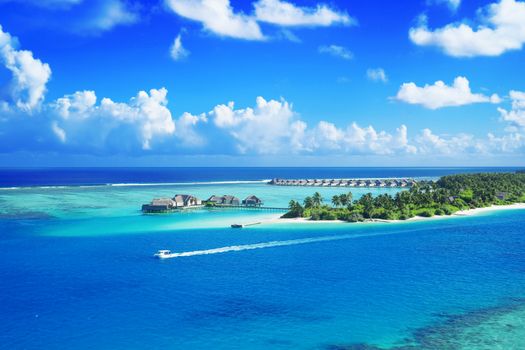
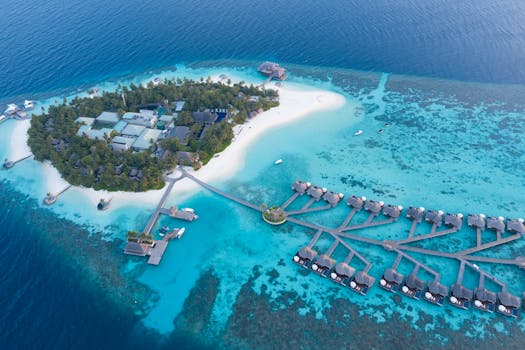
Resorts love to announce that they are carbon neutral. The phrase sounds simple and reassuring, but behind it lies a surprisingly wide range of practices, from deep operational changes to little more than buying offsets at the end of the year. Neither the label nor the beautiful photos tell you which kind of resort you are looking at.
This guide is a practical checklist for travellers who care about the climate impact of their stay. It explains what carbon neutral means, how resorts actually reduce emissions, which independent certifications are worth recognising, and which questions to ask. There are no accusations here, and no ranking of specific resorts. The aim is to help you read any claim intelligently and choose with confidence.
What "carbon neutral" actually means
A carbon-neutral business says that the greenhouse gases it causes are balanced by an equal amount removed or avoided elsewhere. In practice, this usually happens in two stages.
- Measure and reduce. The business calculates its emissions from sources such as electricity, heating and cooling, cooking fuel, vehicles, laundry, waste and purchased goods, and then cuts them where it can.
- Offset what remains. For emissions it cannot eliminate, it funds projects elsewhere, such as forest protection, renewable energy or methane capture, and counts them as a balance.
The key point is the order. A resort that has genuinely reduced its footprint and offsets a small remainder is very different from one that does little to cut emissions and relies mainly on offsets. Offsets themselves also vary in quality, and some have been criticised for overstating their benefits. Scientists and environmental groups generally agree that reducing emissions comes first.
Another important detail is scope. A resort's own energy use is only part of the picture. Guests' flights, food supply chains and construction materials can account for a large share of the total impact. Some claims cover only the resort's direct operations, while others try to include more.
How resorts actually cut emissions
When you tour a resort or read its sustainability page, look for specifics in these areas.
Energy
- On-site solar panels, or purchase of renewable electricity.
- Efficient cooling and heating, such as heat pumps, good insulation and smart room controls.
- LED lighting and key-card systems that switch off power when you leave.
- For island and remote resorts, reducing reliance on diesel generators.
Water
- Rainwater harvesting, greywater reuse and efficient fixtures.
- Towel and linen reuse programmes that guests can opt into.
- Landscaping that uses native plants and requires little irrigation.
Food
- Locally sourced produce, seafood from sustainable fisheries and on-site gardens.
- Menus that feature more plant-based dishes, since livestock-heavy menus carry a large footprint.
- Food waste tracking, composting and donation programmes.
Waste
- Refillable toiletries instead of tiny plastic bottles.
- Filtered water stations rather than single-use plastic bottles.
- Recycling and composting systems that actually exist and are used.
Transport and design
- Shuttles that use electric or efficient vehicles.
- Bicycle rentals and walkable layouts.
- Buildings made with local, low-impact materials, and designs that use natural ventilation.
A resort that gives you concrete details across several of these areas is usually more credible than one that offers only broad statements.
Certifications worth recognising
Independent certification is useful because a third party checks the claims. No label is perfect, and standards differ, but these are among the more widely recognised schemes. Always check the scheme's own website to confirm that a resort's status is current.
- Green Key. An eco-label for tourism establishments, with criteria on energy, water, waste and management.
- EarthCheck. A benchmarking and certification programme used by hotels, resorts and destinations.
- Green Globe. A sustainability certification for travel and tourism businesses.
- B Corp. A broader certification covering social and environmental performance across the whole company, not only hotels.
- LEED and similar building standards. These apply to the building design and operation rather than to the guest experience.
- Carbon-neutral certifications. Some independent bodies certify the carbon accounting itself. Look for named schemes and published reports.
Be wary of vague self-created badges, such as "eco-friendly" or "green-approved", with no independent body behind them.
Questions to ask before you book
Email the resort or look through its sustainability page and ask:
- How do you measure your emissions, and is the data audited by an independent party?
- What percentage of your emissions have you reduced, and what is the plan for further reductions?
- How do you offset the remainder, and which projects or standards do you use?
- Where does your electricity come from, and what fuel do you use for generators and cooking?
- How do you source food, and how do you handle waste?
- What do you do for the local community and ecosystem?
- Do you publish an annual sustainability report?
A good resort will answer clearly, and often with pride. A vague or defensive reply is also an answer.
Red flags
- Claims such as "100 percent green" or "zero impact" with no explanation. No hotel has zero impact.
- Heavy reliance on offsets without any mention of reductions.
- Sustainability pages full of images but short on numbers or documents.
- Environmental initiatives that affect only guests, such as asking you to reuse towels, while major operations remain unchanged.
- No information about local employment, community benefits or protecting local wildlife.
The term for this behaviour is greenwashing, and it ranges from innocent exaggeration to deliberate misdirection.
Don't forget the journey
For many trips, getting to the resort is the largest part of your carbon footprint, especially if it involves a long-haul flight. A resort that is truly carbon neutral can still sit at the end of a very high-emission trip. There are practical ways to improve your overall impact.
- Choose destinations that you can reach by train or short flight.
- Stay longer in one place rather than taking several short trips.
- Prefer direct flights, which generally use less fuel than multi-leg routes, and pack lightly.
- Consider flying economy, since seats take up less space per passenger, if that suits you.
- Offset your own flights using a reputable programme, as a supplement to reducing rather than a substitute.
What a good guest does on site
You can also reduce your impact once you arrive.
- Switch off air conditioning when you leave the room, and keep doors closed when it is on.
- Reuse towels and linens when you can.
- Take shorter showers and avoid unnecessary laundry.
- Eat local and seasonal dishes, and try plant-based options.
- Bring a reusable water bottle and refuse single-use plastics.
- Join excursions run by local guides, and follow wildlife rules to the letter.
- Respect reefs and wildlife by using reef-safe sun protection where requested.
Balancing comfort and conscience
Sustainable travel is not about perfection. A resort may do a great deal on energy and little on water, or the reverse. You may prefer a smaller lodge with a modest footprint over a larger complex that has bought extensive offsets. The best you can do is weigh evidence, ask questions and pick the option that fits your values and budget. Over time, travellers who ask the questions encourage the industry to improve.
Reading a sustainability page like an analyst
You do not need a science degree to evaluate a resort's claims. A short routine will take you far.
- Look for dates. A report from several years ago tells you little about today. Current-year or last-year data is more reassuring.
- Look for units and baselines. Statements such as "we cut energy use" mean more when they say compared with what, and over what period.
- Look for the boundary. Does the claim cover the whole property, including restaurants, spa and staff housing, or only the main building?
- Look for third-party names. A named auditor, certifier or offset standard can be checked. An unnamed "expert partner" cannot.
- Look for admissions. Honest operators often state what they have not yet solved, such as reliance on diesel back-up power or imported food. That candour is a good sign.
If the page gives you none of this, send a polite email. Many resorts respond within a few days, and the quality of the reply is informative.
Examples of what good practice can look like
Without naming any specific property, here are patterns that credible resorts tend to share, in different settings.
- Island resort: replaces diesel generation with solar and battery storage, desalinates water efficiently, grows herbs and vegetables on site, employs staff from nearby communities and funds reef or mangrove restoration.
- Mountain lodge: uses heat from a local biomass or hydro source, insulates heavily, serves food from nearby farms, runs shuttles from the train station and limits the number of guests to protect trails.
- City hotel: uses renewable electricity, heat recovery, water-saving fixtures, a strong recycling system, bike hire and menus designed to cut food waste.
- Safari or wilderness camp: runs on solar power, collects waste carefully, supports anti-poaching or community projects and uses guides from local villages.
In each case, the strongest operators combine practical reductions with community involvement. Carbon accounting alone, without respect for people and nature, is only part of sustainability.
Frequently asked questions
Is carbon neutral the same as zero emissions? No. Carbon neutral means emissions are balanced by removals or avoided emissions elsewhere. Zero emissions would mean none are produced at all.
Are offsets a scam? Not inherently, but quality varies. Look for recognised standards, transparent reporting and projects that are verified by independent bodies. Offsets work best as a final step after real reductions.
Do certifications guarantee a sustainable stay? They are a helpful signal, not a guarantee. Check that the certificate is current and read what it covers.
Does staying at an eco-resort cost more? Sometimes, but not always. Smaller lodges and locally owned properties can be good value. Compare prices and what is included.
Summary
A carbon-neutral claim tells only part of the story. Look for reductions first, offsets second, independent certification and transparent reporting, and remember that your journey matters too. Ask direct questions, watch for red flags and choose places that can show you what they do rather than just tell you. Verify any certification on the issuing body's own website, and check current details with the resort before you book.