Dessert Imposters: 6 Savory Treats That Look Sweet (Before They Go Viral!)
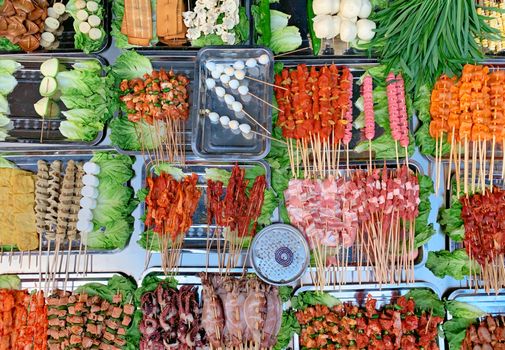
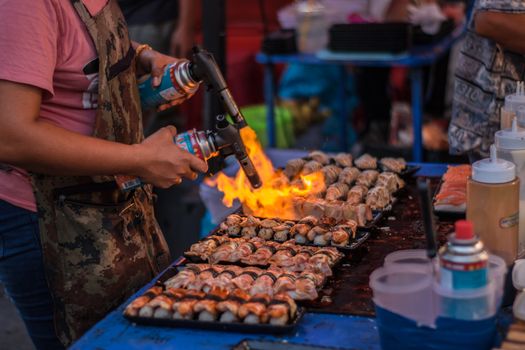
The sun was setting over Gion in Kyoto, casting a golden glow on the ancient wooden machiya houses. I was strolling, camera in hand, feeling that familiar thrill of discovery that only travel can bring. My stomach rumbled, and my eyes landed on a street vendor's cart, adorned with strings of perfectly spherical, glistening treats on skewers. They looked like something straight out of a candy shop – plump, round, and covered in a thick, clear glaze. Dango, I thought, my mind immediately conjuring images of sweet red bean paste or sugary syrup. "One, please!" I chirped, already imagining the sweet burst.
I took a bite, my taste buds primed for sugar. Instead, a wave of savory, salty, and distinctly umami flavor washed over me. It wasn't sweet at all! It was Mitarashi Dango, a classic Japanese snack, but with a soy-sauce-based glaze that was utterly delicious in its unexpectedness. My initial surprise quickly morphed into pure delight. This wasn't just food; it was a culinary plot twist, a delicious deception that reset my expectations and opened my palate to a whole new world of possibilities.
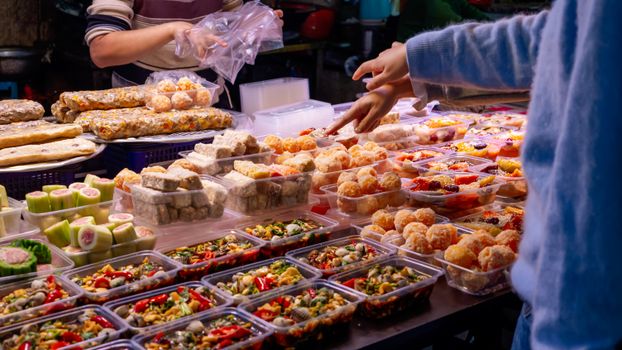
That moment sparked an obsession: finding foods that look like dessert but are anything but sweet. These "dessert imposters" are the unsung heroes of global cuisine, often overlooked by those expecting a sugar rush, but cherished by locals and savvy travelers. They challenge our perceptions, delight our senses, and offer a truly unique taste of a culture. And the best part? Many of them haven't yet exploded on the mainstream travel food scene, giving you the chance to discover them before everyone else does.
Join me as we embark on a delicious scavenger hunt for these savory masqueraders, from bustling Asian markets to quaint European cafes. Get ready to fool your eyes and thrill your taste buds!
1. Japan's Savory Skewers: Mitarashi Dango – The Umami Glaze That Tricks Your Brain
My first experience with Mitarashi Dango was a delightful shock to the system, and it perfectly encapsulates the "dessert imposter" phenomenon. While many dango variations are indeed sweet (like those with anko or kinako), Mitarashi Dango stands out with its signature savory-sweet soy sauce glaze.
What it is: Mitarashi Dango consists of small, chewy rice flour dumplings (mochi) skewered, grilled, and then coated in a thick, glossy sauce made from soy sauce, sugar, mirin, and starch. Visually, they scream "caramel apple" or "sweet dumpling," especially with that beautiful sheen.
The Deception: The moment you see them, your brain registers "sweet." The golden-brown hue, the sticky glaze, the perfectly round shape – it all points to a sugary treat. But that first bite delivers a complex blend of salty, savory, and subtly sweet notes, dominated by the rich umami of soy sauce. The chewy texture of the dango itself is neutral, allowing the glaze to truly shine.
My Anecdote: That Kyoto evening, I was so convinced I was getting a sugary snack that I almost didn't buy it when I heard the vendor say "shoyu." "Soy sauce?" I thought. "On a dessert?" But my curiosity won, and I'm eternally grateful it did. The warmth of the freshly grilled dango, combined with that incredibly balanced glaze, was a revelation. It was the perfect counterpoint to the sweetness I'd been expecting, a truly satisfying bite that wasn't heavy or cloying. I ended up buying another skewer, savoring each chew as I walked along the Kamo River.
Where to Find It (and How to Order): Mitarashi Dango is a common street food and festival snack throughout Japan. You'll find it at yomise (street stalls), especially during temple festivals, and sometimes in traditional wagashi (Japanese confectionery) shops. Look for vendors grilling the dango over charcoal, then dipping them in a simmering pot of the thick, clear sauce.
- Pro Tip: Don't be shy! Just point to the skewers and say "Mitarashi Dango, hitotsu kudasai" (One Mitarashi Dango, please). Expect to pay around 100-200 JPY (approx. $0.70 - $1.40 USD) per skewer.
- Location Spotlight: While I found mine in Kyoto, you can find excellent Mitarashi Dango in Tokyo's Asakusa district near Senso-ji Temple, or at any major local festival.
2. Vietnam's Crispy Cups: Bánh Khọt – Mini Pancakes, Major Savory Kick
From the charming streets of Kyoto, let's zip over to the vibrant, bustling culinary landscape of Vietnam, where another delightful imposter awaits: Bánh Khọt. These aren't your typical sweet breakfast pancakes; they're savory, crispy, and utterly addictive.
What it is: Bánh Khọt are small, crispy, savory Vietnamese pancakes, often made from a rice flour and coconut milk batter, giving them a rich, slightly oily texture. They're typically cooked in special cast-iron molds, similar to those used for Danish aebleskiver or Dutch poffertjes, giving them a perfectly round, cup-like shape. Each "cup" is usually topped with a fresh shrimp, green onions, and sometimes a sprinkle of mung beans.
The Deception: Their size, golden-brown color, and the way they're served – often arranged neatly on a plate – make them look like miniature sweet fritters or even tiny cupcakes. The coconut milk in the batter might further lead you to believe they're sweet.
My Anecdote: I first encountered Bánh Khọt in Vung Tau, a coastal city southeast of Ho Chi Minh City, famous for this dish. The aroma wafting from a small, unassuming eatery was intoxicating. I watched as women expertly poured batter into the sizzling molds, each pancake bubbling and turning golden. They reminded me so much of the sweet mini pancakes I'd had in Europe, I almost asked for condensed milk! Luckily, a local friend stopped me, explaining they were served with fresh herbs, lettuce, and a fish sauce dipping sauce. The first bite was a revelation: the satisfying crunch of the exterior, the soft, slightly chewy interior, the sweet freshness of the shrimp, and the vibrant explosion of herbs and spicy-sour nuoc cham (dipping sauce). It was a symphony of textures and flavors, far more complex and thrilling than any sweet pancake.
Where to Find It (and How to Order): Bánh Khọt is a specialty of the southern Vietnamese coast, particularly Vung Tau, but you can find excellent versions in Ho Chi Minh City as well. Look for restaurants or street stalls with the special round molds.
- Pro Tip: The best way to eat Bánh Khọt is to wrap a few pancakes in a large lettuce leaf, add some fresh herbs (like mint, perilla, and cilantro), and then dip the entire parcel into the nuoc cham. Don't be afraid to experiment with the herbs! A plate of 8-10 Bánh Khọt usually costs around 30,000-60,000 VND (approx. $1.20 - $2.40 USD).
- Location Spotlight: "Bánh Khọt Gốc Vú Sữa" in Vung Tau is legendary, but many smaller, unnamed stalls offer equally delicious versions. In HCMC, try "Bánh Khọt Cô Ba Vũng Tàu" for an authentic taste.
3. India's Steamed Surprise: Dhokla – The Spongy Savory Cake
When you think of Indian cuisine, you might imagine rich curries, aromatic biryanis, or crispy samosas. But India, particularly the state of Gujarat, offers a delightful "dessert imposter" in the form of Dhokla – a fluffy, steamed cake that looks sweet but is distinctly savory.
What it is: Dhokla is a savory steamed cake made from fermented batter of rice and split chickpeas (chana dal). It has a light, spongy texture and is typically cut into squares or rectangles. It's often tempered with mustard seeds, curry leaves, and green chilies, giving it a vibrant aroma and a slight kick.
The Deception: Its cake-like appearance, light yellow color, and fluffy texture often lead people to assume it's a sweet sponge cake. If you're unfamiliar with Indian snacks, you might even mistake it for a type of sweet bread or even a plain pound cake.
My Anecdote: I was on a food tour in Ahmedabad, Gujarat, famous for its incredible vegetarian cuisine. Our guide pointed out a plate of bright yellow, perfectly square pieces at a bustling breakfast stall. "Try some Dhokla!" she encouraged. My mind immediately went to some sort of sweet semolina cake I'd had before. I took a bite, expecting sweetness, but instead, my palate was greeted by a subtle tang from the fermentation, a hint of spice from the chilies, and the earthy nuttiness of the chickpea flour. The texture was incredibly light and airy, almost dissolving in my mouth. It was served with a refreshing green chutney and a sweet-sour tamarind chutney, which added even more layers of flavor. It was the perfect light, yet satisfying, breakfast snack.
Where to Find It (and How to Order): Dhokla is a staple snack and breakfast item across Gujarat, but you can find it in Indian sweet shops (mithai shops) and snack stalls throughout India, especially in the western states.
- Pro Tip: Dhokla is best eaten fresh and warm. Look for stalls where it's being steamed right in front of you. Don't be afraid to try it with the accompanying chutneys – they enhance the flavor profile significantly. A plate of Dhokla usually costs between 50-100 INR (approx. $0.60 - $1.20 USD).
- Location Spotlight: Any reputable sweet shop or breakfast stall in Ahmedabad or Vadodara will have excellent Dhokla. Look for specialized "farsan" (savory snack) shops.
4. Sicily's Golden Globes: Arancini – The Fried Rice Ball That Looks Like a Fritter
From the aromatic streets of India, we journey to the sun-drenched island of Sicily, Italy, where a golden, fried delight often fools the unsuspecting palate: Arancini. These aren't sweet fritters, but hearty, savory rice balls.
What it is: Arancini (meaning "little oranges" due to their shape and color) are deep-fried rice balls, usually filled with a rich ragu (meat sauce), mozzarella, peas, or sometimes spinach or ham. The rice is typically cooked in broth, then cooled and shaped, breaded, and fried until golden and crispy.
The Deception: Their perfectly round or conical shape, golden-brown crust, and the fact that they're often displayed in glass cases alongside sweet pastries and fried dough treats can easily lead you to believe they're a sweet, perhaps cheese-filled, fritter. Many travelers, especially those new to Italian cuisine, might expect a sweet rice pudding fritter.
My Anecdote: My first trip to Palermo, Sicily, was a feast for the eyes and stomach. Walking through the Ballarò market, I spotted a stall piled high with these beautiful golden spheres. They looked like giant croquettes, or perhaps some kind of sweet, deep-fried dough. I was craving something sweet after all the savory pasta, so I pointed to one, expecting a sugary surprise. The vendor, with a knowing smile, handed it over. The first bite was incredibly satisfying: a crisp, crunchy exterior giving way to soft, flavorful rice, and then a molten core of rich ragu and gooey mozzarella. It was hearty, savory, and utterly delicious – a full meal in a ball! It was the perfect on-the-go lunch, a far cry from the sweet treat I'd anticipated.
Where to Find It (and How to Order): Arancini are ubiquitous in Sicily. You'll find them at virtually any bakery (panificio), bar (Italian cafes that also serve food), street food stalls, and even supermarkets.
- Pro Tip: There are two main shapes: round (often with ragu) and conical (often with butter and cheese, or spinach). Ask about the fillings: "con ragù" (with meat sauce), "con burro e formaggio" (with butter and cheese), "con spinaci" (with spinach). An arancino typically costs between €2.50 - €4.00 (approx. $2.70 - $4.40 USD).
- Location Spotlight: For an authentic experience, try the street food stalls in Palermo's markets (Ballarò, Vucciria) or Catania's fish market area. Many local bakeries also make fantastic versions.
5. Philippines' Fluffy Fakes: Puto – The Steamed Rice Cake That Isn't Always Sweet
Our culinary journey now takes us to the vibrant archipelago of the Philippines, where a staple snack, Puto, often plays the role of a sweet imposter. These fluffy, steamed rice cakes are a cornerstone of Filipino comfort food, but their appearance can be deceiving.
What it is: Puto are small, steamed rice cakes, traditionally made from a fermented rice batter. They come in various colors and sizes, often resembling miniature cupcakes. While there are sweet versions, many are plain, slightly savory, or even topped with cheese, making them a perfect accompaniment to savory dishes.
The Deception: The cupcake-like shape, often pastel colors (from food coloring or natural ingredients), and fluffy texture scream "sweet treat." If you see a plate of Puto, your mind might immediately go to a dessert table, especially if you're used to sweet steamed buns from other Asian cuisines.
My Anecdote: I was visiting a friend's family in Manila, and during a large gathering, a platter of these colorful, perfectly domed Puto was brought out. They looked so inviting, like little sweet muffins. I reached for a purple one (ube-flavored, I thought!) expecting a burst of sweetness. Instead, the taste was subtly salty, with a delicate chewiness from the rice flour, and a distinct umami note from the cheese topping. It wasn't sweet at all, but incredibly satisfying. My friend then explained that Puto is often eaten with savory dishes like dinuguan (pork blood stew) or pancit (noodles), acting as a neutral, comforting foil to richer flavors. It clicked – this wasn't a dessert; it was a versatile staple!
Where to Find It (and How to Order): Puto is ubiquitous across the Philippines. You'll find it in bakeries, local markets (palengke), carinderias (local eateries), and even supermarkets.
- Pro Tip: Don't be afraid to try different colors and toppings. The plain white Puto is often the most savory/neutral. Look for "Puto Pao" which has a savory meat filling, or Puto topped with a slice of cheese for a delightful savory twist. A small bag of Puto (6-8 pieces) can cost as little as 30-60 PHP (approx. $0.50 - $1.00 USD).
- Location Spotlight: Any local market in Metro Manila (like Salcedo Market on Saturdays or Cartimar Market) will have various Puto vendors. Regional variations are also worth seeking out, like Puto Calasiao from Pangasinan.
6. Thailand's Edible Art: Miang Kham – The Visually Stunning, Savory Betel Leaf Wrap
Our final stop takes us to the Land of Smiles, Thailand, where a dish of exquisite beauty and complex flavors often gets mistaken for a sweet appetizer due to its intricate, almost decorative presentation: Miang Kham.
What it is: Miang Kham literally translates to "eating many things in one bite." It's a traditional Thai snack consisting of small, fresh betel leaves used as wraps for an assortment of ingredients: roasted coconut flakes, chopped ginger, shallots, bird's eye chilies, peanuts, lime pieces (with peel), and dried shrimp. These are all brought together by a rich, sweet-savory, and slightly spicy sauce.
The Deception: The way Miang Kham is presented – each ingredient meticulously arranged in separate small bowls, with the vibrant green betel leaves forming a beautiful backdrop – makes it look like a delicate, perhaps sweet, canapé or a sophisticated dessert amuse-bouche. The colorful ingredients and the glossy sauce can easily lead one to believe it's a sweet, fruity appetizer.
My Anecdote: I was at a more upscale Thai restaurant in Bangkok, celebrating a friend's birthday. When the Miang Kham arrived, I gasped. It was a work of art! Each ingredient was perfectly diced and arranged, and the betel leaves were pristine. I assumed it was a refreshing, perhaps slightly sweet, palate cleanser before the main courses. As I carefully assembled my first wrap – a little bit of everything in a betel leaf, drizzled with the glossy sauce – I braced myself for a sweet, herbaceous bite. What hit me was an explosion of flavors: the bitterness of the betel leaf, the crunch of the peanuts and coconut, the zing of ginger and lime, the savory punch of dried shrimp, the heat of the chili, and the complex sweetness and savoriness of the sauce. It was incredibly balanced, an exhilarating dance of sweet, sour, salty, bitter, and spicy all in one mouthful. It was a truly unforgettable experience, proving that beauty can be deceiving, and delicious.
Where to Find It (and How to Order): Miang Kham is often found as an appetizer in higher-end Thai restaurants, some traditional Thai eateries, and occasionally at local markets in Thailand.
- Pro Tip: The fun of Miang Kham is in assembling your own perfect bite. Don't be shy with the ingredients; the balance of flavors is key. Ask for extra sauce if you like it saucier! Prices can vary significantly, from 80-150 THB (approx. $2.20 - $4.10 USD) at a market to 200-400 THB ($5.50 - $11 USD) in a restaurant.
- Location Spotlight: Many authentic Thai restaurants in Bangkok, particularly those focusing on traditional or regional cuisine, will offer Miang Kham. Look for it on menus as an appetizer.
The Sweet Taste of Savory Surprise
My journey through the world of dessert imposters has been nothing short of exhilarating. Each unexpected savory bite, each delightful deception, has reminded me of the incredible diversity and creativity of global cuisine. These aren't just snacks; they're cultural insights, little edible puzzles that challenge our preconceived notions and reward us with unique flavor experiences.
The thrill of discovering these hidden gems before they become the next big thing on Instagram is unparalleled. It's about being an explorer, a culinary detective, and an open-minded eater. It's about embracing the surprise and letting your palate lead the way.
So, the next time you're wandering through a bustling market or perusing a local menu, keep an eye out for those dishes that look a little too sweet to be true. Take a chance. You might just uncover your new favorite savory obsession.
What's your favorite "dessert imposter"? Have you stumbled upon any other savory surprises disguised as sweets? Share your discoveries in the comments below! And don't forget to tag #TripsoraFoodAdventures and #DessertImposters on your social media posts when you find these incredible treats on your next trip!
---