Foraging experiences invite travelers to learn about edible plants, fungi and seasonal produce in the places where they grow. A walk with a knowledgeable local guide can reveal details that are easy to miss, from how a plant is used in regional cooking to how it is harvested without harming the population. Interest in these experiences has grown, but wild food carries real risks if it is misidentified, and rules on harvesting differ between parks, private land and public areas. This guide explains how to choose a qualified expert, what a session typically involves and how to forage safely and responsibly.
What a guided foraging session involves
Most sessions begin with an introduction to the local landscape and the rules that apply to the area. The guide then leads a walk along paths or trails, pointing out plants, shrubs, trees and fungi and explaining how to recognize them. Many guides talk about traditional and modern uses, including cooking, preserving and medicinal practices, though claims about health benefits should be treated cautiously.
Sessions often end with a tasting or a simple meal prepared from the day's finds. Some guides also run workshops on drying, pickling or making infusions. Check beforehand whether the activity includes a tasting, and whether you need to bring a bag, gloves or a knife.
Choosing a qualified guide
Look for guides with clear credentials and relevant experience. Ask how long they have led foraging walks, whether they hold any local certifications or training, and how they handle identification. Reputable guides are usually willing to explain their safety procedures and to say when they are not certain about a species.
Read recent reviews and look for comments about accuracy, safety and respect for the environment. Be cautious of anyone who promises that you will leave with a full basket or who encourages you to eat unidentified items. Confirm that the guide has permission to access the land, particularly if it is private or protected.
Foraging safely
Safety is the most important part of any foraging experience. Never eat anything you cannot identify with certainty, and follow your guide's instructions about which parts of a plant are edible and how they should be prepared. Some toxic species closely resemble edible ones, and mistakes can have serious consequences.
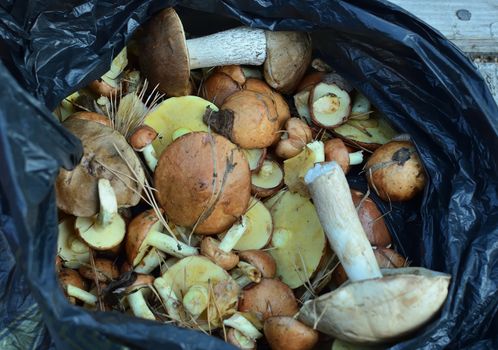
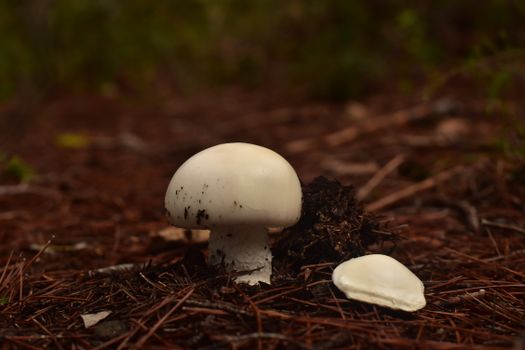
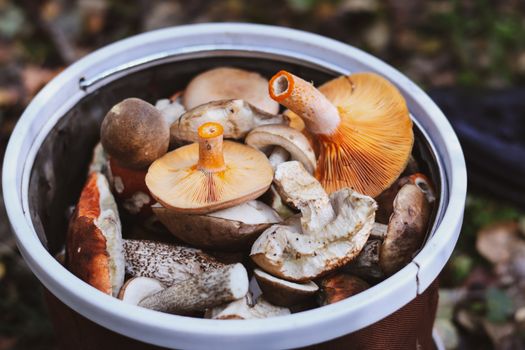
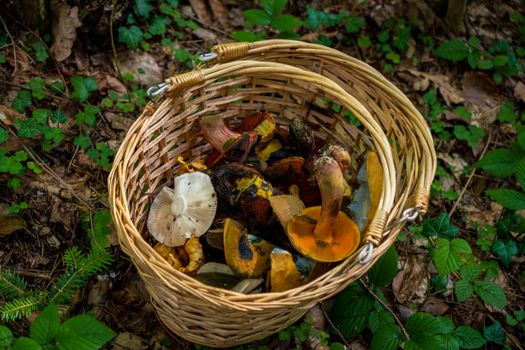
Be particularly careful with mushrooms. Many edible species have poisonous lookalikes, and identification often requires examining features that are not obvious to beginners. Do not rely on photos or online guides alone. Keep any unfamiliar finds separate from your basket, and tell your guide if you have eaten anything you were unsure of.
Also consider allergies, medication and pregnancy, since some wild plants can interact with certain conditions or treatments. Check with a health professional if you have concerns.
Harvesting responsibly
Responsible foraging protects both the environment and the future of the plants you enjoy. Take only what you need, leave plenty behind and avoid harvesting rare or protected species. In many places, rules restrict the amount that can be collected, the parts that may be taken and the areas where foraging is allowed. Follow these rules even when they seem strict.
Use harvesting methods that minimize damage. Cut leaves or stems rather than uprooting plants, avoid trampling vegetation, and do not disturb nesting birds, insects or mammals. Leave the site cleaner than you found it, and take your waste with you.
Local laws and access
Foraging laws vary by country, region and land type. National parks, nature reserves and some public forests may have specific prohibitions, while certain private estates require written permission. Check the rules with the land management body or local authority before you go, and ask your guide to confirm the situation for the specific area.
Respect the cultural knowledge that local guides share. Many foraging traditions are passed down within families or communities, and visitors can learn from them respectfully by listening, asking questions and acknowledging the source of the knowledge.
Making the most of the experience
Come prepared for the terrain. Wear sturdy shoes, bring water, dress for changing weather and carry insect repellent if needed. A notebook or camera can help you remember what you learn, though it is wise to focus on the guide's explanations rather than on documenting every plant.
Ask questions throughout the walk. Good guides enjoy explaining how plants change through the seasons, which parts are used, and how the local ecosystem supports them. Taking time to understand the context often makes the experience more rewarding than the harvest itself.
Practical tips
- Choose a guide with clear credentials and a good record of safety and accuracy.
- Never eat anything you cannot identify with certainty.
- Be especially careful with mushrooms and check for lookalikes.
- Confirm local harvesting rules and land access before the walk.
- Take only what you need and avoid rare or protected species.
- Tell your guide about allergies, medication or any concerns before you start.
Foraging with a local expert can be a memorable way to connect with a landscape and its food. Choose a qualified guide, follow strict safety habits and harvest with restraint. When you combine knowledge with respect for the environment, the experience leaves both you and the place in good shape.