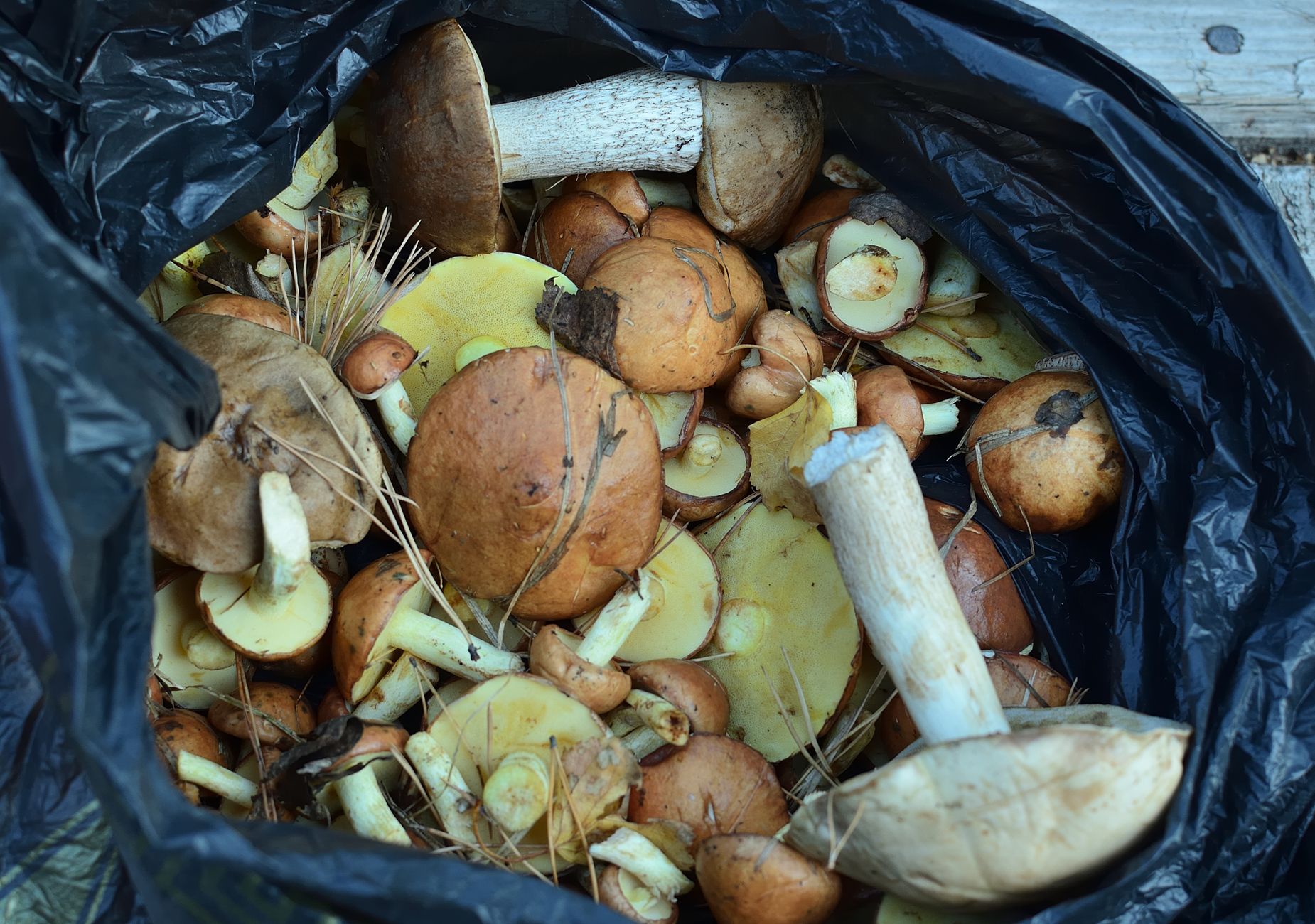
Mushroom foraging is a longstanding tradition in many forests, and it draws visitors who enjoy searching for fungi, learning about woodland ecology and cooking with seasonal ingredients. The activity can be rewarding, but it carries real risks. Many toxic mushrooms closely resemble edible species, some dangerous ones can cause serious illness even in small amounts, and identification mistakes are a common cause of poisoning. This guide explains the safety principles, the legal and ethical rules that often apply, and how to forage responsibly as a visitor. It is not a field identification guide, and no article can replace hands-on instruction from a qualified expert.
Why identification is critical
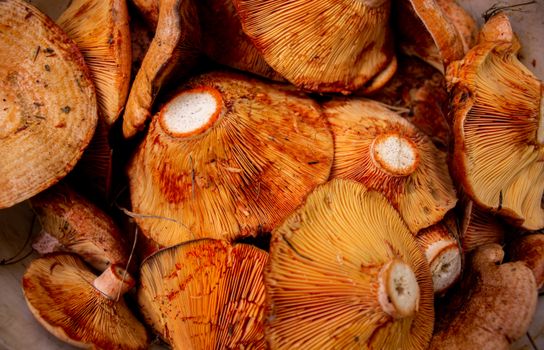
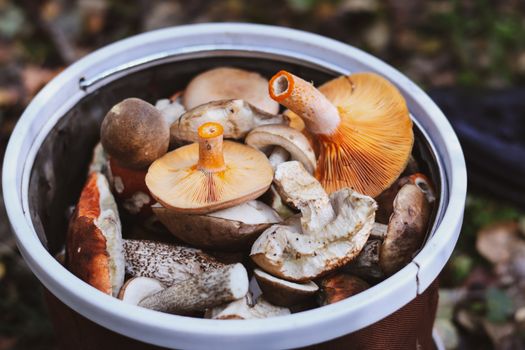
Identifying mushrooms depends on features such as spore colour, gills or pores, the shape and colour of the cap, the presence of a ring or volva at the base, the smell and the habitat in which the mushroom grows. Some features change with age, weather and the stage of development, and some species can only be confidently separated under a microscope. Look-alikes are a particular concern. Several deadly species resemble edible ones, and the differences can be subtle. Because of this, the widely given advice applies: never eat a wild mushroom unless you are certain of its identity, and when in doubt, leave it out.
Even well-known edible species can cause stomach upset if they are not cooked properly or if an individual has an unusual reaction. Food safety principles, such as thorough cooking and avoiding spoiled material, still apply.
Rules and permits
Foraging rules vary considerably by country, region and land type. Some national parks, nature reserves and protected forests prohibit the removal of fungi or other plants. Others allow limited collection for personal use, sometimes with restrictions on quantity or species. Private land requires permission from the owner. Commercial collection usually requires a licence. Rules can also change to protect ecosystems during dry periods or after disturbance, so check current regulations before you go.
Official park offices, forestry agencies and local mycological societies are good sources of information. Many areas publish guidance in English, but in some cases you may need to ask staff directly.
Responsible foraging
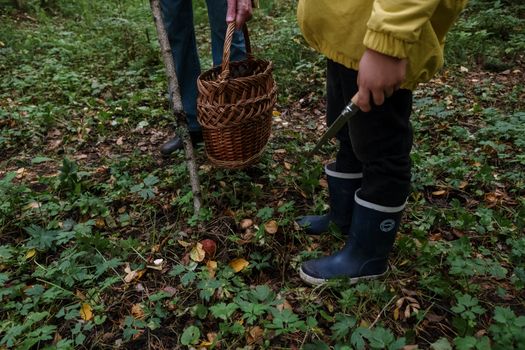
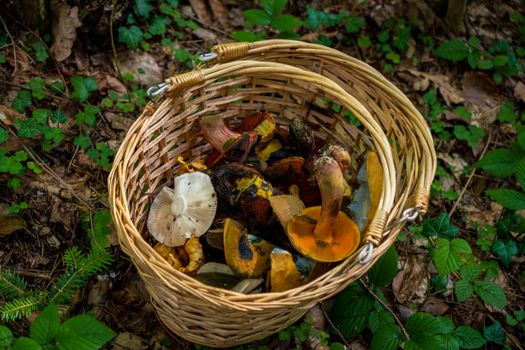
Responsible foraging minimises damage to the forest. Cut mushrooms cleanly at the base with a knife rather than pulling them up, which can disturb the underground mycelium. Take only what you need, and leave some specimens in place so that they can spread spores. Avoid trampling vegetation, and do not disturb leaf litter, logs or soil more than necessary. Carry a basket rather than a plastic bag, which helps spores disperse during the walk and keeps specimens in better condition.
Respect wildlife. Mushrooms are an important food source for many animals, and some insects and small mammals depend on fungal growth. Leave the forest as you found it, and take any litter away with you.
Guided foraging and learning safely
The safest way to learn is with an experienced guide. Guided walks, courses run by mycological societies and programmes offered by some forest centres can teach you how to recognise common species and their dangerous look-alikes. Ask about the guide's qualifications and whether they include identification of toxic species. Good guides explain why a mushroom is edible or not, rather than simply pointing at it.
Even after training, many experienced foragers have their finds checked by a qualified expert before eating. Consider this a standard step, particularly for new species.
If you suspect poisoning
Mushroom poisoning can be serious and sometimes delayed. Symptoms may appear many hours after eating, and early signs can be mild before they become severe. If you suspect that someone has eaten a wild mushroom, seek medical help immediately, even if they feel well. Keep a sample of the mushroom, or photographs and notes of where and when it was found, to help clinicians. Contact your local emergency number or poison information service without delay.
Practical tips
- Never eat a wild mushroom unless you are fully certain of its identity, ideally confirmed by an expert.
- Check local foraging rules, including protected areas, quantity limits and permissions for private land.
- Learn from a qualified guide or a mycological society before foraging on your own.
- Cut specimens cleanly, leave some in place and carry them in a basket.
- Do not forage in polluted areas, near roads or in places where chemicals may have been used.
- Seek medical help promptly if anyone shows symptoms after eating wild fungi.
Common mistakes to avoid
A frequent error is relying on photographs, apps or a single book to identify a mushroom, when several features often need to be checked together. Another is assuming that cooking, peeling or drying an unknown mushroom makes it safe, which is not a reliable principle. Some people taste a small piece to test it, a practice that can be dangerous with certain species. Others collect for friends or family without being confident themselves, which places other people at risk. It is also easy to forget that rules change, and that a permitted area one year may be closed the next. Treating every unknown find as something to leave behind is the simplest way to avoid these pitfalls.
Who this suits and who it doesn't
Mushroom foraging can suit visitors who enjoy learning from a qualified guide, who are interested in forest ecology and who are patient enough to check each find carefully. It often appeals to cooks who value seasonal ingredients and who are willing to buy from reliable sources when in doubt. It is less suitable for people who want quick results, who cannot commit to learning identification over time, or who are foraging with young children who may pick up or eat items without supervision. People with severe food allergies should be particularly careful, as should anyone who has not yet discussed foraging with a clinician if they have a health condition. In many cases, a guided walk with no collecting is an excellent way to learn.
Frequently asked questions
Can I learn mushroom identification from books alone? Books can support learning, but they rarely give enough context for safe identification. Combine them with guided walks and feedback from an experienced expert.
Are the rules the same everywhere? No. Rules differ by country, region and land type, and they can change. Check official park or forestry information for the exact area you plan to visit.
What should I do if I am unsure about a find? Leave it where it grows, photograph it for a specialist if needed, and ask a qualified expert to confirm it before you consider eating anything.
Mushroom foraging can connect visitors with forest ecology, seasonal food and traditional knowledge. Its rewards depend on patience, respect and a clear understanding of the risks. Enjoy the walk, learn from people who know the species well and remember that the most important skill is knowing when not to pick.