The Hook: Midnight on the Tashkent-Samarkand Rail
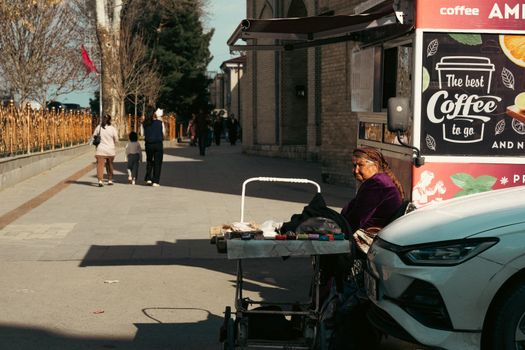
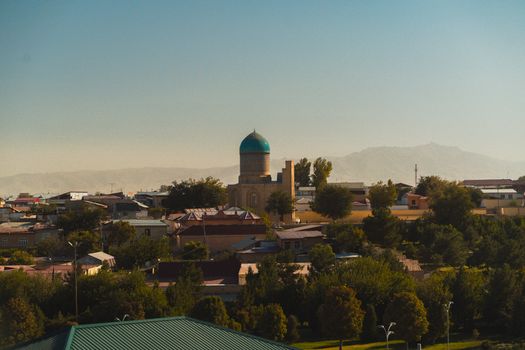
I stepped off the sleeper train onto the platform at Samarkand just before dawn, and the air hit me like a splash of cold spring water laced with crushed cumin and charred saxaul wood. A vendor rolled a squeaking iron cart past my elbow, shouting "Non! Issiq non!"—selling wheel-shaped flatbreads blistered black from the clay tandoor, still so hot they scorched the greaseproof paper. Above the low platform lamps, three massive turquoise cupolas pushed up into the pre-dawn violet sky like frozen comets.
For three decades, Western travelers relegated the 15 successor republics of the Soviet Union to cold-war spy film tropes, bureaucratic visa nightmares, or extreme backpacking forums.
Those days are finished.
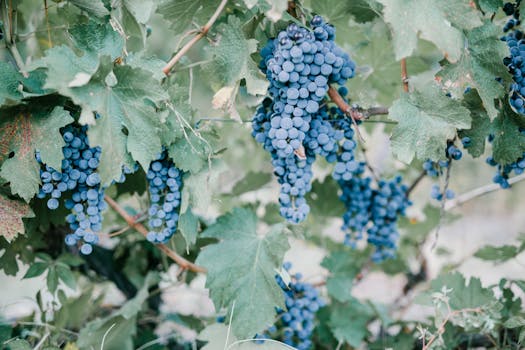
In September 2026, a convergence of high-speed rail expansions, streamlined electronic and visa-free access, design-led boutique hospitality, and unbearable summer heatwaves across the Mediterranean will propel the former USSR into tourism's absolute spotlight. September is the undisputed golden hour for this territory: the blistering 45°C (113°F) continental summers break into crisp 22°C (72°F) afternoons, the harvest tables groan with pomegranates and muscat grapes, and high-altitude mountain passes remain snow-free before winter locks the gates.
Here are the five former Soviet nations claiming the travel crown in September 2026—and the exact playbooks for navigating them.
---
1. Uzbekistan: High-Speed Trains and the Silk Road Renaissance
Uzbekistan has engineered the most radical tourism upgrade in Eurasia. The country swapped out its agonizing Soviet-era diesel chuggers for Spanish-built Talgo 250 high-speed trains (branded the Afrosiyob), linking Tashkent, Samarkand, and Bukhara in hours. By late 2026, the high-speed line finally terminates deep into the desert oasis of Khiva, turning a once grueling two-week haul into a seamless week-long journey.
``` Tashkent -> (2h 15m via Afrosiyob) -> Samarkand -> (1h 30m) -> Bukhara -> (Rail link) -> Khiva ```
What Makes September Unmissable
Summer turns Uzbekistan’s desert cities into radiant ovens. By the second week of September, temperatures fall to a comfortable 25°C (77°F). Markets overflow with honey-scented Mirzacho'l melons, and the relentless sun gives way to soft, oblique autumn light that makes the cobalt mosaic tilework of the Registan look like it was painted this morning.
The Urban Contrast: Brutalism to Blue Domes
Begin in Tashkent. The capital is an open-air museum of late Soviet Modernism, built after a catastrophic earthquake leveled the city in 1966. Ride the metro—long banned from photography due to its dual purpose as a nuclear fallout shelter—and marvel at stations like Kosmonavtlar, bathed in lapis-blue ceramic medallions depicting Yuri Gagarin and Valentina Tereshkova.
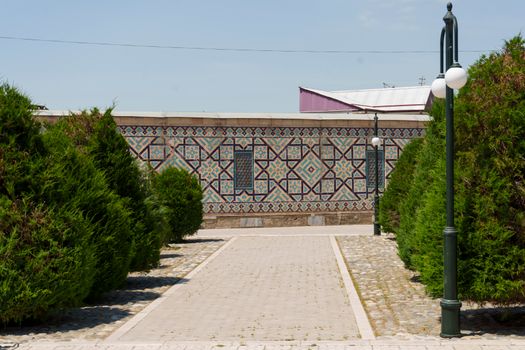
Then take the Afrosiyob to Samarkand. Stand in the center of the Registan at dawn. When the muezzin calls ring out against the towering facades of the three madrasahs, the sound ricochets between 600-year-old majolica tiles with physical weight.