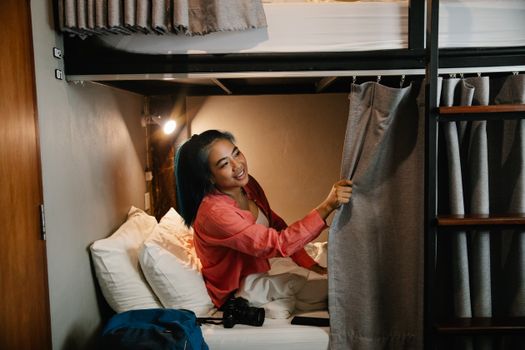
Remember that feeling? The one where you’re scrolling through Instagram, seeing breathtaking landscapes and vibrant cityscapes, and a little voice whispers, "I wish I could do that." But then the louder, more practical voice kicks in, tallying up flight costs, food budgets, and the biggest monster of all: accommodation. For years, that monster kept me tethered to my desk, dreaming of distant shores. I pictured myself in Bali, but my bank account screamed "backyard BBQ."
Then came the turning point. I was fresh out of college, overflowing with wanderlust but utterly broke. I had a burning desire to explore South America, but a hostel bed felt like a luxury I couldn't afford for more than a week. It was during a late-night internet dive, fueled by instant coffee and desperation, that I stumbled upon a forum discussing "free travel." Skepticism was my first reaction, but curiosity, as always, won out. What I discovered didn't just save me money; it utterly revolutionized my approach to travel. It opened doors to experiences more authentic, more profound, and more memorable than any five-star hotel could ever offer.
Fast forward a decade, and I’ve slept in stunning villas overlooking the Mediterranean, charming farmhouses in New Zealand, bustling city apartments in Berlin, and even a treehouse in the Costa Rican jungle – all without paying a dime for my bed. These aren't just "hacks"; they're gateways to a richer, more sustainable, and incredibly liberating way to see the world. So, if you're ready to ditch the exorbitant hotel bills and embrace a travel style that feels both adventurous and deeply connected, keep reading. These are the free accommodation hacks you need to experience before you die.
---
1. The Art of House Sitting: Your Luxury Home Away From Home (Literally)
Imagine waking up in a sprawling Tuscan villa, sipping espresso on a balcony overlooking rolling vineyards, or perhaps enjoying a beachfront condo in Mexico, the Pacific waves lulling you to sleep. Now imagine doing all of that for free. This isn't a fantasy; it's the daily reality for savvy house sitters.
What it is: House sitting involves caring for someone's home and often their pets while they're away on vacation or business. In exchange for your responsible stewardship, you get free accommodation. It's a win-win: homeowners get peace of mind, and you get a unique, immersive travel experience.
Why it's amazing: Beyond the obvious financial benefit, house sitting offers an unparalleled level of comfort and local immersion. You're living like a local, not a tourist. You'll have access to a fully equipped kitchen, laundry facilities, and often amenities like pools or gardens. Plus, the joy of caring for adorable pets (dogs, cats, chickens, even alpacas!) adds an extra layer of warmth to your travels. My most memorable house sit was for a family in rural Portugal. I spent three weeks looking after two playful labradors, tending a small vegetable patch, and exploring hidden villages that no tour bus would ever reach. It felt like I wasn't just visiting; I was living there.
How to get started:
- Join reputable platforms: TrustedHousesitters is the largest and most popular, offering opportunities worldwide. Other great options include HouseCarers, MindMyHouse, and Nomador. Membership fees typically range from $100-$150 annually, a tiny investment for potentially thousands in savings.
- Create a stellar profile: Treat it like a job application. Highlight your reliability, experience with pets (if applicable), and why you'd be a great house sitter. Upload clear, friendly photos.
- Get references: Ask friends, family, or previous landlords to write testimonials about your trustworthiness and responsibility.
- Be proactive and personalize: Don't just send generic applications. Read the homeowner's listing carefully and tailor your message to their specific needs and pets. Show genuine enthusiasm.
- Start small: Your first few gigs might be local or shorter duration. Build up your reviews and experience, and soon you'll be landing those dream international sits.
Practical Tips:
- Communicate clearly: Before agreeing, have video calls with homeowners to discuss expectations for pet care, household duties, and emergencies.
- Arrive early: If possible, arrive a day or two before the homeowners leave for a smooth handover.
- Leave it better than you found it: A sparkling clean home and happy pets guarantee glowing reviews and future opportunities.
---
2. Couchsurfing & Hospitality Networks: Connecting with Locals, One Sofa at a Time
Forget impersonal hotel lobbies. Couchsurfing is about genuine human connection, cultural exchange, and experiencing a place through the eyes of its residents. It's the original free accommodation hack, born from a desire to break down barriers and foster global friendships.
What it is: Hospitality networks like Couchsurfing connect travelers with locals who are willing to offer a spare couch, a guest room, or even just floor space for free. The payment isn't monetary; it's the shared stories, cultural insights, and mutual respect.
Why it's amazing: My first Couchsurfing experience was in Berlin. I stayed with a philosophy student named Lena who showed me hidden street art, introduced me to her friends at a local bar, and cooked me authentic German food. It wasn't just a free bed; it was an immersion into local life that no guidebook could provide. You gain local insights, learn about traditions, practice languages, and often make lifelong friends. It’s an antidote to the isolation that can sometimes come with solo travel.
How to get started:
- Build a comprehensive profile: Include detailed information about yourself, your travel philosophy, interests, and what you can offer as a guest. A friendly, authentic profile with good photos is crucial.
- Read host profiles and reviews: This is paramount for safety and finding a good match. Look for hosts with multiple positive reviews and similar interests.
- Send personalized requests: NEVER send a generic copy-paste message. Reference details from their profile, explain why you'd like to stay with them specifically, and mention your travel dates.
- Be a good guest: Offer to cook a meal from your home country, bring a small gift, help with chores, or simply engage in interesting conversation.
- Consider "hosting" yourself: Even if you can't host overnight, offering to meet up for coffee or show travelers around your city can build your credibility and karma within the community.
Practical Tips:
- Safety first: Always trust your gut. If a host or situation feels off, politely decline. Meet in a public place first.
- Manage expectations: You might be on a couch, an air mattress, or a spare bed. Be grateful for whatever is offered.
- Communicate: Discuss arrival times, house rules, and plans openly.
- Other networks: BeWelcome and Warmshowers (for cyclists) offer similar hospitality experiences.
---
3. Work Exchange & Volunteering: Earning Your Keep (and Bed) with Purpose
If you're willing to roll up your sleeves and contribute a few hours of work, a world of free accommodation (and often food) awaits. Work exchange programs are brilliant for travelers who want to slow down, learn new skills, and make a tangible impact.
What it is: You trade a set number of hours of work per day (typically 4-5 hours, 5 days a week) for free accommodation. This can range from working in a hostel, helping on an organic farm, teaching English, assisting with permaculture projects, or even helping with social media for a guesthouse.
Why it's amazing: My three months WWOOFing (Worldwide Opportunities on Organic Farms) in New Zealand were transformative. I learned to milk cows, harvest vegetables, and build fences, all while living in a cozy cabin on a picturesque farm. In return, I received three meals a day and a comfortable bed. It wasn't just free travel; it was an education and a deep connection to the land and its people. You develop new skills, meet fellow travelers and locals who share your values, and experience a profound sense of community.
How to get started:
- Join leading platforms: Worldpackers and Workaway are the most popular, offering thousands of opportunities globally. WWOOF is specifically for organic farms. These platforms have a membership fee (around $40-$50 annually) which pays for itself after just a few days of free accommodation.
- Craft a compelling profile: Detail your skills, interests, and what you hope to gain from the experience. Highlight any relevant experience (e.g., gardening, hospitality, childcare).
- Be flexible and open-minded: Some of the best opportunities are in unexpected places.
- Apply early and enthusiastically: Hosts often receive many applications. Stand out by personalizing your message and showing genuine interest in their project.
Practical Tips:
- Clarify expectations: Before committing, discuss work hours, duties, days off, and what exactly is provided (food, private room, etc.).
- Read reviews: Pay close attention to what previous volunteers say about the host and the experience.
- Be reliable and proactive: Show up on time, do your tasks diligently, and offer to help where you can. Your enthusiasm makes a huge difference.
---
4. Home Exchange: Swapping Your Pad for Their Paradise
Why pay for accommodation when you have a perfectly good home sitting empty? Home exchange allows you to swap houses or apartments with other travelers, offering a comfortable, free stay in a fully equipped residence.
What it is: You temporarily swap homes with another individual or family. This can be a simultaneous swap (you stay in their home while they stay in yours) or a non-simultaneous swap (you earn "guest points" by hosting, which you can then use to stay in other homes later).
Why it's amazing: This is arguably the most comfortable and luxurious free accommodation option. You get an entire home, often with all the amenities you're used to – a full kitchen, laundry, Wi-Fi, and sometimes even a car! It's perfect for families or those who crave the comforts of home while traveling. My friends, a family of four, regularly swap their suburban home in Canada for beachfront bungalows in Hawaii or charming apartments in Paris. They save thousands on hotels and get to experience destinations like locals, complete with neighborhood parks and grocery stores.
How to get started:
- Join a dedicated platform: HomeExchange and Love Home Swap are the largest and most reputable. They operate on a membership model (around $150-$200 annually).
- Create an attractive listing: Showcase your home with high-quality photos and detailed descriptions of its features, neighborhood, and local attractions.
- Be specific about your preferences: Indicate where and when you'd like to travel.
- Communicate thoroughly: Discuss everything from pet care to plant watering, emergency contacts, and local recommendations. A written agreement is a good idea.
Practical Tips:
- Trust and respect: This system relies on mutual trust. Treat your exchange partner's home as you would your own.
- Prepare your home: Clean thoroughly, declutter, and leave clear instructions for appliances, Wi-Fi, and local tips.
- Insurance: Check your home and travel insurance policies to ensure you're covered during the exchange.
---
5. The Overnight Travel Hack: Mastering the Art of Transit Sleep
Sometimes, the best free accommodation isn't a bed at all, but a seat on a moving vehicle. The overnight travel hack is about strategically using long-distance buses, trains, and even airports to save on a night's accommodation while also making progress on your journey.
What it is: Instead of paying for a hostel or hotel for a night, you book an overnight bus or train ticket and sleep during transit. In some cases, for long layovers, you can even strategically sleep in an airport.
Why it's amazing: This hack saves you double: the cost of a night's accommodation AND the cost of daytime travel. It's efficient, adventurous, and a rite of passage for many backpackers. I've spent countless nights on rickety buses traversing the Andes in South America and on surprisingly comfortable sleeper trains in Vietnam. While it's not always the most luxurious sleep, there's a certain thrill to waking up in a completely new city, having saved a night's budget. Plus, watching the sunrise from a train window is an experience in itself.
How to get started:
- Research routes: Look for overnight options between your destinations. Many countries, especially in Asia and South America, have excellent overnight bus and train networks.
- Book wisely: Opt for "sleeper" or "first-class" options if available, as they often offer more space and comfort (though still significantly cheaper than a hotel).
- Pack smart: An eye mask, earplugs, and a travel pillow are non-negotiables. A light blanket or sarong can also make a huge difference.
- Prioritize safety: Keep your valuables secure and close to you. Choose reputable bus/train companies.
- Airport sleeping: If you have a long layover, check AirportSleeper.com or SleepingInAirports.net for tips on the best spots, amenities, and safety considerations for specific airports.
Practical Tips:
- Hydrate: Air conditioning on buses/trains can be dehydrating.
- Snacks: Bring your own snacks and water as options might be limited or expensive.
- Manage expectations: This isn't luxury travel. Embrace the adventure and the savings!
---
6. Leveraging Your Skills: The Digital Nomad's Secret Weapon
Got a specific skill set? You might be able to trade it for free accommodation, often in more upscale settings than a typical work exchange. This is particularly effective for digital nomads or those with marketable professional talents.
What it is: Offering your professional skills – photography, videography, social media management, web design, writing, marketing, even yoga instruction or massage therapy – to a business (like a boutique hotel, hostel, guesthouse, or retreat center) in exchange for free accommodation.
Why it's amazing: This hack allows you to stay in places you might not otherwise afford, build your professional portfolio, and network with business owners. I once scored a free week at a stunning eco-lodge in Costa Rica by offering to refresh their website content and take new promotional photos. It was a win-win: they got professional services, and I got to live in paradise, surrounded by monkeys and toucans, for free. It’s a fantastic way to elevate your travel experience while continuing to develop your career.
How to get started:
- Identify your marketable skills: What can you offer that a business would pay for?
- Build a strong portfolio: Have examples of your work ready to showcase.
- Direct approach: Research hotels, hostels, guesthouses, or tour operators in your desired destination. Look for places that might need your skills.
- Craft a professional proposal: Explain clearly what services you can offer, how it will benefit their business, and what you expect in return (e.g., X nights accommodation in exchange for Y hours of work or Z deliverables).
- Network: Attend travel industry events or connect with business owners online.
Practical Tips:
- Define deliverables clearly: A written agreement or email outlining the scope of work, timelines, and what you receive in return is crucial to avoid misunderstandings.
- Be professional: Treat this like a job. Deliver high-quality work on time.
- Be flexible: Smaller businesses might not have huge budgets but could offer unique experiences in exchange.
---
7. Home and Pet Sitting (Paid Gigs): When "Free" Becomes a Side Hustle
While the focus here is on free accommodation, it's worth mentioning that some house sitting gigs actually pay you! This isn't strictly "free" in the traditional sense, but it's a way to cover your travel costs and get free accommodation, effectively making your travel experience cost-negative.
What it is: In some high-demand areas or for specific needs (e.g., special needs pets, extensive property management, or short-notice requests), homeowners may offer a daily or weekly stipend in addition to providing free accommodation.
Why it's amazing: This is the ultimate travel hack: you get free lodging, and you earn money while doing it! Imagine getting paid to live in a beautiful home, care for some adorable animals, and explore a new destination. It's a fantastic way to extend your travels, save for future adventures, or even kickstart a digital nomad lifestyle. I once landed a two-week gig in London caring for a cat and a sprawling garden, and the homeowner paid me enough to cover my food and local transport for the entire stay. It felt like I was being paid to vacation!
How to get started:
- Build a stellar profile: As with unpaid house sitting, a professional, detailed profile with excellent references and clear photos is key.
- Highlight unique skills: If you have experience with exotic pets, gardening, home maintenance, or even basic medical care, emphasize it. These skills can command a higher rate.
- Search "paid house sitting" on platforms: While most platforms are primarily for unpaid exchanges, some (like HouseSitters America for the US, or specific Facebook groups) occasionally list paid opportunities.
- Network locally: Sometimes, the best paid gigs come through word-of-mouth or local classifieds.
- Consider private arrangements: With a strong portfolio, you can pitch your services directly to homeowners in affluent areas.
Practical Tips:
- Negotiate clearly: Discuss your rates and what's included (e.g., utilities, food allowance) upfront.
- Have a contract: For paid gigs, a written agreement outlining duties, payment terms, and emergency procedures is essential.
- Professionalism is key: Treat this as a serious job. Your reputation is everything.
---
Ready to Live Your Dream (for Free)?
The myth that travel has to be expensive is just that – a myth. These free accommodation hacks aren't just about saving money; they're about transforming your entire travel philosophy. They push you out of your comfort zone, connect you with incredible people, and immerse you in cultures in ways that traditional tourism simply can't.
From the quiet luxury of a house sit to the vibrant exchange of Couchsurfing, the purposeful contribution of a work exchange, or the strategic savings of an overnight journey, each method offers a unique path to seeing the world on your terms. I’ve experienced firsthand how these hacks can turn a distant dream into a tangible reality, and I promise you, they will do the same for you.
So, what are you waiting for? Stop dreaming and start planning. Your next unforgettable, free adventure is just a few clicks away. Which hack will you try first? Share your experiences and inspire others in the comments below! Don't just bookmark this post; take action. Your travel life will never be the same.
---