Solo Travel Magic: How Making Friends Changed My Life Forever
The first time I booked a solo trip, my heart did a nervous little flutter-kick. Rome. Just me. My imagination conjured up glorious images of ancient ruins and endless pasta, but another, less glamorous image kept creeping in: me, sitting alone in a bustling trattoria, scrolling through my phone, acutely aware of the happy chatter of couples and groups around me. Loneliness. It was the monster under the bed of every solo traveler's dream.
I landed in Rome with a mix of exhilarating freedom and a knot of apprehension. I was ready to explore, but was I ready to be truly alone? What I discovered over the next few weeks, and indeed, over countless solo trips since, wasn't just how to navigate a foreign city or order coffee in Italian. It was how to open myself up to the world, how to truly connect, and how to forge friendships so profound they would genuinely change the trajectory of my life.
Making friends while traveling solo isn't just a bonus; it's the secret ingredient that turns a great trip into an utterly unforgettable, soul-enriching odyssey. It’s about more than just having someone to share a meal with; it’s about sharing perspectives, laughter, challenges, and creating a global network of kindred spirits. And trust me, if an introverted, slightly awkward me can do it, so can you.
The Solo Traveler’s Paradox: Why Loneliness is a Myth (and an Opportunity)
Let’s address the elephant in the room: the fear of loneliness. It’s real. It’s valid. And it’s almost always overblown. When you travel solo, you are, by definition, alone – but this solitude is rarely lonely. In fact, it's often a catalyst for connection.
Think about it: when you're traveling with friends or a partner, your social needs are often met within that existing bubble. There's less impetus to reach out. But when you’re solo, your antenna for connection is naturally heightened. You become more observant, more open, and more receptive to interactions. You have to be. Asking for directions, recommendations, or even just a photo isn't an inconvenience; it's an opportunity.
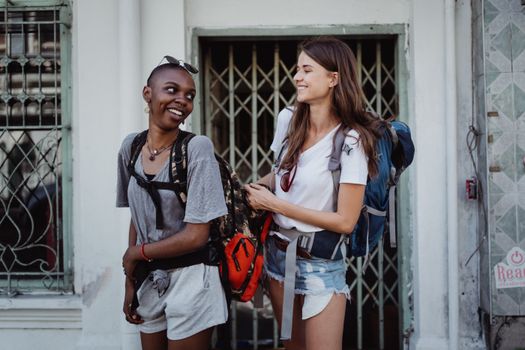
My first night in Rome, I was definitely feeling that knot. I checked into a hostel in Trastevere, a vibrant, charming neighborhood. I was tired, shy, and desperately wanted to retreat into my bunk bed. But my stomach, demanding its Italian due, pushed me out. As I wandered, slightly lost, I saw a group of backpackers huddled over a map, looking just as bewildered as I felt. Taking a deep breath, I walked up to them. "Lost too?" I asked with a nervous smile. That simple question led to a shared pizza, gelato, and a late-night stroll past the Pantheon. Those strangers – a Brazilian, an Australian, and a German – became my Roman wolfpack for the next three days. That night, I realized loneliness wasn't a monster; it was a myth, and its absence was an invitation.
Choosing Your Adventure Hubs: Where Connection Thrives
Not all travel environments are created equal when it comes to fostering friendships. Your choice of accommodation and activities can significantly impact your opportunities for connection.
- Hostels: The Ultimate Social Catalyst
This is my number one recommendation for solo travelers looking to meet people. Forget the outdated stereotypes; modern hostels are often boutique, clean, and incredibly social.
- Common Areas: These are goldmines. Kitchens, lounges, rooftops, bars – they're designed for interaction. I once spent an entire rainy afternoon in Lisbon at the Yes! Hostel playing cards and swapping travel stories with people from five different continents.
- Organized Events: Many hostels, like The Generator chain across Europe or Selina in Latin America, host daily activities: pub crawls, walking tours, cooking classes, movie nights. Sign up for everything! In Chiang Mai, I joined a cooking class arranged by my hostel, Stamps Backpackers, and ended up sharing a delicious meal and laughs with a group of fellow foodies.
- Dorms vs. Private Rooms: While a private room offers solitude, a dorm forces you to interact, even if it's just a polite "hello" to your bunkmate. I usually opt for smaller dorms (4-6 beds) for a better balance.
- Local Workshops & Classes: Shared Interests are Key
If you have a specific interest, pursue it!
- Cooking Classes: I’ve done them in Thailand, Vietnam, Italy, and Mexico. You spend hours together, learning, laughing, and then sharing the fruits of your labor. It’s a natural bonding experience. Expect to pay around $30-$50 for a good half-day class in Southeast Asia.
- Language Exchanges: Check local cafes or community centers for language exchange meetups. Great for meeting both fellow travelers and locals.
- Yoga Retreats/Surf Camps: Multi-day immersive experiences create deep bonds quickly. In Costa Rica, a week-long surf camp transformed a group of strangers into a tight-knit crew, sharing waves and sunset beers.
- Group Tours & Activities: Instant Travel Buddies
Day trips, multi-day treks, or even free walking tours are fantastic for meeting people.
- Free Walking Tours: A low-commitment way to explore a city and meet other travelers. You already share an interest in the city's history.
- Adventure Tours: A 3-day Sapa trek in Vietnam, a multi-day sailing trip in the Whitsundays, Australia, or an island-hopping tour in Palawan, Philippines – these intense, shared experiences forge strong connections. You’re literally in the same boat (or on the same mountain path) for days, sharing challenges and triumphs.
- Cafes & Co-working Spaces: For the Digital Nomads
If you're working remotely, seek out cafes known for attracting digital nomads or dedicated co-working spaces. Places like Outpost in Bali or Selina Co-work locations are designed for community. A simple "What do you do?" can lead to hours of conversation and potential collaboration.
Mastering the Art of the Approach: Breaking the Ice Like a Pro
The biggest hurdle is often just saying "hello." But it's a skill, and like any skill, it gets easier with practice.
- Open Body Language: This is crucial. Put your phone away. Make eye contact. Smile. Look approachable. If you’re hunched over your phone with headphones in, you’re sending a clear "do not disturb" signal.
- The "Where Are You From?" Upgrade: While "Where are you from?" is a classic, it can feel a bit transactional. Try follow-up questions that invite more than a one-word answer:
- "What brought you here?"
- "What's been your favorite experience in [current location] so far?"
- "What's your next adventure?"
- "Any recommendations for [food/activity] around here?"
My favorite icebreaker: "That looks delicious! What is it?" – especially effective in a hostel kitchen or at a street food stall.
- Offer Help or Share: See someone struggling with a map? "Need a hand?" Someone looking for a place to sit? "There's room here." Got a giant bag of snacks? "Want some?" In a hostel, I often buy a bottle of local wine (a cheap Rioja in Spain for €3-€5, or an Italian Chianti for €7-€10) and offer to share it in the common room. It's an instant conversation starter.
- Join In: See a group laughing or chatting? Don't hover, but if there's an opening, politely ask, "What's everyone talking about?" or "Mind if I join you?" Most travelers are incredibly welcoming. I once joined a random group playing Jenga in a hostel bar in Medellín, Colombia, and ended up spending the entire evening with them, eventually exploring a few salsa clubs.
- Use Apps (Strategically): While not my primary method, apps can be useful.
- Couchsurfing Hangouts: Great for finding impromptu meetups.
- Bumble BFF: Specifically designed for platonic friendships.
- Facebook Groups: Search for "Expats in [City Name]" or "Digital Nomads [City Name]" – they often organize meetups.
Nurturing Connections: From Acquaintance to Friend
Meeting someone is just the first step. The magic happens when you actively nurture that connection.
- Be Proactive with the "Next Step": Don't wait for others to invite you. If you've had a good chat, suggest the next activity:
- "I'm heading to X market tomorrow, want to join?"
- "I was planning to grab dinner at X place; interested?"
- "There's a free walking tour at 10 AM, want to check it out together?"
It shows enthusiasm and initiative. I remember meeting a Dutch couple at a waterfall in Laos; we instantly clicked. I asked them, "Are you heading to Luang Prabang next? I was thinking of taking the slow boat. Want to team up?" We ended up traveling together for over a week, sharing guesthouses and adventures.
- Share Experiences, Not Just Time: Cook a meal together in a hostel kitchen, tackle a challenging hike, navigate a confusing bus system, share a street food feast. These shared experiences build bonds far more quickly than simply sitting next to each other. I still fondly remember the time I spent bartering for ingredients at a local market in Hoi An, Vietnam, with a new friend, then attempting (and mostly succeeding) to cook Cao Lau noodles together. The laughter over our culinary mishaps was priceless.
- Be Authentic: Don't try to be someone you're not. People appreciate genuine connection. Share your stories, your passions, your fears. Vulnerability can be a powerful bridge.
- Respect Differences: Everyone travels differently. Some are budget backpackers, others prefer comfort. Some are early risers, others night owls. Be flexible and respectful of varying travel styles and budgets. You might not do everything together, and that's perfectly okay.
- Exchange Contact Info: Before you part ways, always exchange WhatsApp or Instagram. A simple "It was great meeting you! Let's connect on Instagram" is usually enough. You never know when your paths might cross again.
Beyond the Horizon: When Friendships Outlast the Trip
This is where the truly life-changing magic happens. Many travel friendships are fleeting, beautiful moments in time, but some endure, becoming a vital part of your global community.
- The Power of Digital: WhatsApp groups become treasure troves of shared memories, travel tips, and encouragement. Instagram stories keep you updated on each other's adventures. I have a WhatsApp group called "Bali Babes" from a trip years ago, and we still share life updates and future travel plans.
- Reunions Across Continents: One of the greatest joys of sustained travel friendships is the reunion. I’ve visited my German Roman wolfpack friend in Berlin, met my Dutch Laos friends in Amsterdam, and had my Australian trekking buddy stay on my couch when she visited my home city. These reunions are surreal and incredibly heartwarming, picking up right where you left off.
- A Global Support System: Travel friends understand your wanderlust, your frustrations with bureaucracy, and your joy in discovery like no one else. They become a unique support system, a network of people who "get it."
- Local Insights & Future Adventures: Need advice on visiting Japan? Chances are, one of your travel friends has been there or even lives there. They offer genuine local insights and sometimes even a free couch! My friend from the Costa Rica surf camp, who is now living in Berlin, gave me the most incredible insider tips when I visited, saving me money and leading me to hidden gems.
These friendships aren't just for the road; they enrich your life back home, too. They broaden your perspective, challenge your assumptions, and remind you that the world is a vast, beautiful, and interconnected place.
Overcoming Obstacles & Staying Safe (The Realistic Side)
While I paint a rosy picture, it's important to acknowledge that not every interaction will lead to a lifelong bond, and safety is always paramount.
- Rejection Happens (Don't Take it Personally): Not everyone is looking for company. Some travelers genuinely want solitude, or they might already have a group. If someone declines your invitation, simply smile and move on. Their "no" isn't a reflection of you.
- Trust Your Gut (Safety First): This is non-negotiable. If a person or situation feels off, politely excuse yourself. Don't feel pressured to do anything you're uncomfortable with. Always inform someone (hostel staff, a trusted friend back home) of your plans if you're going out with new acquaintances, especially at night. Stick to public places, and never leave your drinks unattended.
- Solo Time is Okay: The goal isn't to be surrounded by people 24/7. Embrace your solitude too. Some days you'll crave quiet exploration, and that's perfectly fine. It's about finding a balance that works for you.
- Language Barriers: Don't let them deter you. A smile, hand gestures, and a translation app can bridge many gaps. Learning a few basic phrases in the local language (hello, please, thank you, delicious) goes a long way and shows respect.
- Budget Differences: Be upfront if your budget is significantly different from a new group. "I'm on a bit of a tight budget, so I might skip that expensive restaurant, but I'd love to grab street food beforehand!" Most people understand.
Go Forth and Connect!
My solo journey to Rome, initially driven by a desire for independence, turned into a profound lesson in interdependence. It taught me that while the sights are spectacular, the true treasures of travel are the connections you make. It's the shared laughter over a cheap beer, the collective awe at a sunset, the comforting silence of a long bus ride with someone you just met but feel like you've known forever.
These friendships didn't just add to my trips; they fundamentally changed me. They broadened my horizons, challenged my preconceptions, and filled my life with a global family I never knew I needed. They made my world bigger, richer, and infinitely more joyful.
So, if you're planning a solo adventure, or even just dreaming of one, remember this: the greatest souvenir you can bring home isn't a trinket, but a genuine human connection. Don't just see the world; connect with it, person by person. Your life will be forever changed.
What's your next solo adventure? Go out there, connect, and let your life be changed. Share your own friend-making stories in the comments below! I'd love to hear them.