The humid air of Hoi An, Vietnam, still clings to my memory like the scent of ginger and lemongrass. I was on a solo trip, completely immersed in the vibrant chaos of the ancient town, when I found myself invited to dinner by a local family. It was a spontaneous, heartwarming gesture after I’d spent an hour chatting with their eldest daughter, Linh, at her family’s lantern shop. My heart swelled – this was exactly the kind of authentic connection I craved!
But then, a familiar knot of panic tightened in my stomach. A gift! What do you bring to a Vietnamese family you’ve just met? My mind raced, flashing through mental images of tacky souvenirs and awkward exchanges. In my rush, I almost grabbed a generic box of chocolates from a convenience store. Luckily, Linh, sensing my internal debate, gently suggested, "Perhaps something small from your home? Or a nice fruit for my mother." Her words were a revelation, a gentle nudge away from a potential faux pas and towards a truly meaningful gesture. I ended up finding a beautifully packaged box of artisanal coffee from a small farm in Da Lat – a local specialty, but carefully chosen. The smiles, the genuine warmth, the way Linh’s mother cradled the box as if it were pure gold – it wasn't about the coffee itself, but the thought, the respect, and the effort behind it. That evening, sharing stories over bowls of fragrant phở, I knew I’d stumbled upon one of travel’s most profound secrets: the power of thoughtful gift-giving.
At Tripsora, we believe travel isn't just about ticking off landmarks; it's about connecting with humanity on a deeper level. And few things bridge cultural divides as elegantly and effectively as a well-chosen gift. It’s more than just an item; it’s a silent language of respect, gratitude, and friendship. It opens doors – literal doors into homes, and metaphorical doors into hearts and cultures – creating experiences so rich, so profound, that they truly belong on your "must-experience before you die" list.
Are you ready to elevate your travels from mere sightseeing to soul-stirring immersion? Let's dive into the fascinating, sometimes complex, but always rewarding world of global gift etiquette.
1. More Than Just an Object: The Profound Power of a Thoughtful Gift
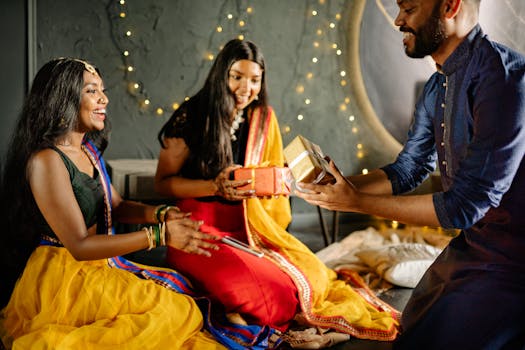
Why bother with gifts when a simple "thank you" suffices? Because a gift, when given with intention and cultural awareness, transcends words. It’s a tangible expression of goodwill, a bridge between strangers, and a silent acknowledgment of shared humanity. In many cultures, hospitality is paramount, and accepting a guest into one's home or community is an honor. A gift, however small, is your way of reciprocating that honor, showing respect for their traditions, and expressing genuine gratitude.
I remember once, during a trek through the Atlas Mountains in Morocco, my guide, Omar, invited me to his family home for a traditional Berber tagine. I had brought a small, high-quality argan oil product from a local women’s cooperative (costing about 150-200 Moroccan Dirhams, or $15-20 USD) as a thank-you. When I presented it to his mother, her eyes lit up. She didn't just accept it; she held it, admired it, and then, with a warm smile, insisted I stay for tea and dinner. That gift, chosen with care, wasn't just an item; it was a testament to my appreciation for their culture and hospitality. It wasn't about the monetary value; it was about the recognition of their generosity and the effort to bring something appropriate. That evening, sharing stories and laughter with his family, felt like being part of something ancient and beautiful, an experience a mere tourist rarely gets. This is the magic we’re talking about – moments that deepen your understanding of the world and make your travel truly unforgettable.
Practical Tip: Think of your gift as a conversation starter, a cultural ambassador for your home, and a token of respect for theirs. It’s an investment in connection.
2. The Golden Rules: Universal Principles for Thoughtful Giving
Before we dive into regional specifics, let’s establish some foundational principles that will serve you well across the globe. These are the non-negotiables that apply almost everywhere.
- Do Your Research (Seriously!): This is paramount. What’s considered polite in one culture can be deeply offensive in another. Before you travel, spend some time researching the gift-giving customs of your destination. Look for specific taboos (colors, numbers, types of items), preferred presentation styles, and appropriate occasions. Local travel blogs, expat forums, and even a quick chat with your hotel concierge or tour guide can provide invaluable insights.
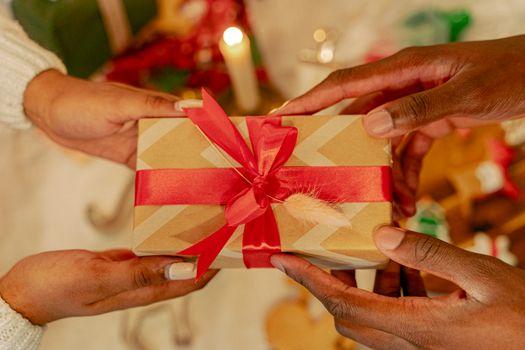
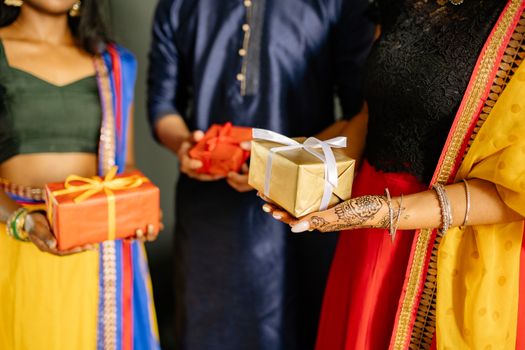
- Presentation Matters: Often, the way a gift is wrapped and presented is as important as the gift itself. In Japan, for instance, intricate wrapping and beautiful bows are an art form, reflecting the respect for the recipient. In some cultures, bright colors are preferred, while in others, certain colors (like white for funerals or black for mourning) should be avoided. Always present a gift with both hands in many Asian cultures, and never open a gift immediately in front of the giver unless prompted.
- Quality Over Quantity: A small, high-quality, thoughtfully chosen item is always better than a large, cheap, or generic one. It shows you put effort and consideration into the gesture, rather than just grabbing something last minute.
- Consider Cultural Context & Reciprocity: In many cultures, particularly in Asia and the Middle East, there’s a strong emphasis on reciprocity. Don’t be surprised if your gift is initially declined once or twice – this is often a sign of politeness, not rejection. Gently insist a couple of times. Similarly, be prepared to accept a gift in return. If you receive one, accept it gracefully, often with both hands, and express sincere thanks. You don't need to have an immediate gift in return, but a future gesture of appreciation is always good.
- Avoid Overly Expensive Gifts: Unless you have a very close relationship with the recipient, an overly expensive gift can make them feel uncomfortable, obligated, or even insulted. The goal is to show appreciation, not to flaunt wealth or create a sense of debt. Aim for thoughtful, not extravagant.
Personal Anecdote: I once witnessed a well-meaning traveler in Beijing present a beautiful (and expensive) watch to a local host. The host was visibly uncomfortable, trying to politely decline, sensing the gift was too grand. It created an awkward tension that took a while to dissipate. A small, exquisite tea set would have been far more appropriate and appreciated.
3. Regional Deep Dives: What Works Where (and What Doesn't)
This is where the real magic – and potential pitfalls – lie. Different cultures have vastly different expectations. Here’s a quick guide to some major regions:
Asia: The Art of Nuance and Respect
- Japan:
- What Works: Impeccably wrapped gifts are crucial. High-quality sweets, local delicacies from your home country (e.g., artisanal chocolates, gourmet coffee beans), beautifully packaged stationary, or small craft items. Tea is always a safe bet. Small items for children are appreciated if visiting a family.
- What to Avoid: Gifts in sets of four (the word for "four" sounds like "death"), sharp objects (symbolize cutting ties), white flowers (funerals), red ink (severing ties). Don't open gifts in front of the giver unless asked.
- My Experience: I always carry a beautifully packaged box of high-quality green tea leaves from my hometown, costing around $25-30 USD, when visiting Japan. The care in presentation is almost as important as the tea itself.
- China:
- What Works: Local specialties from your home, tea, branded pens, liquor (for men), cosmetics (for women), cigarettes (for men, if they smoke). Often presented in red or gold wrapping (colors of good fortune).
- What to Avoid: Clocks (symbolize time running out/death), sharp objects, umbrellas (separation), shoes (bad luck), green hats (symbolizes infidelity for men), white or black items (mourning), gifts in sets of four. Do not give an even number of gifts if it means four.
- Tip: When presenting, insist gently if they initially refuse, which is common.
- Southeast Asia (Vietnam, Thailand, Cambodia, Laos):
- What Works: Fresh fruit, local sweets, coffee/tea, small crafts from your home country, items for children (stationery, small toys). If invited to a home, flowers (but check specific meanings) or a small food item for the host.
- What to Avoid: Anything that implies a debt or obligation. In some areas, touching someone’s head or pointing with your feet is offensive. Be mindful of religious symbols – avoid gifts that might be seen as disrespectful.
- My Experience: In Vietnam, a small, locally sourced artisanal coffee or a box of good quality biscuits from my country (around $10-15 USD) was always met with genuine appreciation. For children, colorful pens or small notebooks were a hit.
Europe: Subtle Gestures and Local Delights
- France/Italy/Spain:
- What Works: A good bottle of wine (especially if from your home region), high-quality chocolates, flowers (check specific meanings and numbers – avoid chrysanthemums in France/Italy, as they are for funerals), small gourmet food items, or a book about your home country.
- What to Avoid: Overly expensive gifts. In France, avoid giving too many flowers (even numbers can be associated with funerals), and avoid red roses (imply romance). Don't bring lilies or chrysanthemums.
- Tip: If bringing flowers, unwrap them before presenting.
- Eastern Europe (e.g., Poland, Czech Republic, Hungary):
- What Works: Good quality liquor (especially vodka or brandy), chocolates, flowers (an odd number, but avoid 13), local crafts from your home country.
- What to Avoid: Gifts that are too personal or overly expensive. Even numbers of flowers (except for funerals).
- My Experience: Visiting a family in Krakow, Poland, I brought a bottle of premium local vodka from my state (about $30-40 USD) and a box of high-end chocolates. It was received with great warmth and immediately shared after dinner.
Middle East & North Africa: Hospitality and Respect
- What Works: Dates, sweets, high-quality coffee, small decorative items for the home, books (if you know their interests), items for children. If you know they are not religious, a good quality perfume or cologne. Gifts should be given and received with the right hand.
- What to Avoid: Alcohol or pork products (unless you are absolutely certain of their preference and cultural context), anything that could be perceived as sexually suggestive, or items depicting animals (especially dogs) in some conservative areas. Avoid using your left hand to give or receive.
- My Experience: In Morocco, small, beautifully scented soaps or locally sourced argan oil products from my home (around $15-20 USD) were always well-received. For children, colorful pencils or small puzzles.
Latin America: Warmth and Family Focus
- What Works: Small tokens of appreciation, local crafts from your home, items for children (sweets, toys, school supplies), good quality coffee or chocolates.
- What to Avoid: Black or purple flowers (associated with funerals in some areas). Overly expensive gifts. Do not give knives or scissors unless you receive a small coin in return (to "buy" the item and avoid severing friendship).
- My Experience: Staying with a family in Costa Rica, I brought a bag of premium single-origin coffee beans from a small farm near my home (priced around $18-22 USD) and some colorful, washable markers for the kids. The coffee was a hit with the adults, and the markers kept the children entertained, earning me many smiles.
General Rule of Thumb: When in doubt, a beautifully packaged local delicacy from your home region, or a high-quality tea/coffee, is usually a safe and appreciated choice across most cultures.
4. The Art of the 'Thank You' Gift & Host Gifts
Being invited into someone’s home, whether for a meal or an extended stay, is a privilege. A host gift is a wonderful way to show your gratitude and respect.
- When to Give: Ideally, present your host gift upon arrival or shortly after settling in. This allows your hosts to enjoy or use the gift during your stay, or simply to feel appreciated from the outset.
- What to Give:
- Food & Drink: A bottle of good wine or spirits (if appropriate for their culture/preferences), artisanal chocolates, gourmet coffee or tea, or a local specialty from your home region. If you're staying for a while, offering to cook a meal from your country can also be a fantastic "experience gift."
- Flowers: Always a classic, but remember to research flower etiquette (colors, types, numbers) for the specific country. Unwrap them before presenting in many European cultures.
- Small Home Goods: A unique coaster set, a decorative candle, a beautiful hand towel, or a small piece of art from your home region can be lovely.
- For the Family: If there are children, a small, age-appropriate toy, book, or educational item can be a thoughtful gesture for the whole family.
Personal Story: While staying at a charming guesthouse in rural Tuscany, Italy, I wanted to thank the owners, a lovely elderly couple, for their incredible hospitality. I presented them with a small, artisanal olive wood carving from my home state (perhaps $15-20 USD) and a jar of high-quality local honey I'd picked up from a nearby market. They were so touched, and the carving found a place of honor on their mantelpiece. It created an even stronger bond, and I left feeling like I’d truly connected with their family, not just stayed at their guesthouse.
5. Beyond the Tangible: Gifts of Experience and Time
Not every gift needs to be an object. Sometimes, the most valuable gifts are intangible – your time, your skills, your presence, and your genuine interest. These are the gifts that truly forge deep, lasting connections.
- Share Your Skills: Are you a photographer? Offer to take beautiful family portraits for your hosts. A tech whiz? Help them set up a new device or improve their website. A language teacher? Offer informal English lessons to their children. These are invaluable gifts that cost nothing but your time and expertise.
- My Experience: In Thailand, I once stayed at a small, family-run resort where the owner was struggling to set up an Instagram account. As a travel blogger, I spent a couple of hours helping her create her profile, take some appealing photos, and understand hashtags. Her gratitude was immense, and she insisted on cooking me a special, off-menu meal every night of my stay. That connection was priceless.
- Offer Your Time and Help: Offer to help with chores, babysit, or assist with a project. Whether it’s helping prepare a meal, doing dishes, or lending a hand with gardening, showing willingness to contribute demonstrates respect and a desire to be part of the family/community.
- Share Your Culture: Cook a traditional meal from your home country, teach a few phrases in your language, or share stories and photos of your life back home. This mutual cultural exchange is incredibly enriching.
- The Gift of Presence and Listening: Sometimes, the greatest gift you can offer is your genuine presence – listening attentively to their stories, asking thoughtful questions, and showing a sincere interest in their lives and culture. This builds trust and allows for truly authentic connection. Put away your phone, make eye contact, and be fully there.
These intangible gifts often leave a far more lasting impression than any material item, creating memories and bonds that truly stand the test of time and transcend language barriers.
Conclusion: Unlock a World of Connection
Mastering the art of gift-giving etiquette isn't just about avoiding a social blunder; it's about unlocking a deeper, richer, and more authentic way to travel. It's about transforming fleeting encounters into lasting memories, turning strangers into friends, and truly immersing yourself in the heart and soul of a destination. These are the experiences – the shared meals, the heartfelt conversations, the genuine smiles sparked by a thoughtful gesture – that deepen your understanding of humanity and the world. These are the doors you need to experience before you die.
So, on your next adventure, don't just pack your bags; pack your curiosity, your respect, and a readiness to connect through the universal language of thoughtful giving. Do your research, choose with care, and watch as your travels transform into something truly extraordinary.
What’s your most memorable gift-giving or receiving experience while traveling? Share your stories and tips in the comments below! Let’s inspire each other to travel more thoughtfully and connect more deeply. And don't forget to share this post with your fellow wanderlusters on social media – because truly unforgettable travel is meant to be shared.
---