The dusty, chaotic streets of Marrakech once felt like a vibrant, yet impenetrable maze. I was a young traveler, wide-eyed and eager, but also a little lost, yearning for something beyond the bustling souks and tourist traps. I longed to truly connect, to peek behind the curtain of everyday life, but felt an invisible barrier between myself and the locals. I’d try a few phrases in Arabic, smile warmly, but often, the interactions remained transactional, fleeting.
It wasn't until a humbling experience in a remote village nestled in the Vietnamese highlands that I truly understood the transformative power of a simple, thoughtful gift. I’d arrived unprepared, clumsy in my attempts to communicate, and felt like an outsider looking in. Then, almost on a whim, I offered a small, handmade keychain from my hometown to a woman who had helped me navigate a tricky path. Her face, initially reserved, broke into a radiant smile. She grasped my hand, her eyes conveying a warmth that transcended language, and invited me into her home for tea. That afternoon, sharing stories through gestures and broken English, she introduced me to her family, taught me how to weave a traditional basket, and shared a meal that tasted like pure hospitality. It was a moment that cracked open my world, a tiny key unlocking a door to genuine human connection.
That day in Vietnam wasn't just a pleasant memory; it was an epiphany. It changed the way I traveled forever. I realized that thoughtful gift-giving wasn't just a polite gesture; it was a potent form of communication, a bridge-builder, a silent declaration of respect and gratitude that could dissolve cultural barriers and open doors to experiences far beyond any guidebook. It became my secret weapon, my passport to the soul of a place, and frankly, it changed my life.
For years now, I’ve refined this art, and the experiences it has afforded me are countless. From impromptu cooking lessons in Tuscan kitchens to being invited to a family wedding in Rajasthan, from private tea ceremonies in Kyoto to sharing stories around a bonfire in the Amazon, these moments were not bought with money, but earned with a small, heartfelt offering.
Ready to unlock your own unforgettable adventures? Let me share my playbook for mastering the art of gift-giving etiquette that truly opens doors.
1. The Philosophy: More Than Just an Item, It's an Investment in Connection
Before we dive into what to give, let’s talk about why. In many cultures around the world, gift-giving is deeply ingrained in the social fabric. It's not about monetary value; it's about the gesture, the thought, the respect it conveys. It’s an investment, not in material returns, but in human connection and cultural understanding.
When you offer a thoughtful gift, you're saying:
- "I see you, and I appreciate your culture."
- "I am grateful for your hospitality/help/presence."
- "I come in peace and wish to build a bridge."
This simple act can instantly transform you from a transient tourist into a respected guest. It shows you're not just taking photos, but genuinely engaging. It's a universal language of kindness that transcends any linguistic barrier. Think of it as planting a seed of goodwill; the harvest is often a priceless experience or a lifelong memory.
Tripsora Tip: Shift your mindset from "what do I need to buy?" to "how can I show respect and gratitude?" The intention is everything.
2. The Art of Research: Knowing What to Give (and What to Avoid Like a Tourist Trap)
This is where the "etiquette" part comes in, and it's crucial. A well-intentioned gift can sometimes cause offense if it clashes with local customs. A little research goes a long way – and trust me, it’s far less awkward than an accidental faux pas!
My Research Checklist:
- Online Deep Dive: Before I even pack my bags, I spend time on forums (like Reddit's r/travel or specific country subreddits), travel blogs, and cultural etiquette guides. I search for "gift-giving etiquette [country name]" or "what gifts to bring to [country name] locals."
- Ask the Experts: If you're staying at a reputable guesthouse or homestay, don't hesitate to discreetly ask your host or guide for advice on appropriate gifts for their community or family. They are the ultimate insiders!
- Observe and Learn: Once you arrive, pay attention to how locals exchange gifts. What kind of items are given? How are they presented and received?
General Rules to Live By (and Specific Examples):
- Avoid Cash: Unless it's a specific ceremonial context (like a wedding in some cultures), never give cash. It can be seen as an insult or charity, not a gift.
- Be Mindful of Colors & Numbers: In some cultures, certain colors or numbers are associated with funerals, bad luck, or specific meanings.
- China: Avoid white, black, or blue (funeral colors). Red is auspicious! Avoid gifts in sets of four (sounds like "death").
- Japan: Avoid sets of four or nine.
- Religious Sensitivities: Be incredibly careful with alcohol, pork products, or anything that might contradict religious beliefs (e.g., in Muslim countries, or to devout Hindus).
- Practical vs. Decorative: Sometimes a practical item (like a high-quality pen) is more appreciated than a purely decorative trinket.
- Presentation Matters: Often, how you present the gift is as important as the gift itself. More on this in Section 4!
My Anecdote: I once heard a story of a traveler in Thailand who gifted a beautiful yellow flower bouquet to a local family. Unbeknownst to them, yellow flowers are often used in funerals in Thailand, leading to an awkward, though quickly forgiven, misunderstanding. It reinforced my commitment to thorough research!
3. My Go-To Gifts: Small Gestures, Big Impact (Often Under $15!)
The best gifts are often small, light, and easily packable. They shouldn't be expensive; the value lies in their thoughtfulness and connection to your home. Here are some of my tried-and-true favorites that have consistently opened doors for me:
- Artisanal Tea or Coffee from Your Region: This is a winner almost everywhere. A small, beautifully packaged tin of gourmet tea or a bag of locally roasted coffee from your hometown is a sophisticated and universally appreciated gift. It’s consumable, so it doesn't create clutter, and it offers a taste of your world.
- Cost: Often $8-$15 per package.
- Personal Story: In a tiny tea shop in Kyoto, after admiring the owner’s beautiful craftsmanship, I offered her a small tin of artisanal Earl Grey from a local producer in my city. Her eyes lit up, and she immediately brewed a special batch of her finest matcha for me, explaining its history and nuances. That led to an invitation to a private tea ceremony with her family – an experience I'll cherish forever.
- High-Quality Stationery (Pens, Small Notebooks): A good pen is always useful, and a beautifully designed notebook is a lovely touch. This is especially appreciated by students, teachers, or anyone in a professional setting.
- Cost: $5-$10 for a nice pen, $5-$12 for a small, elegant notebook.
- Local Crafts/Souvenirs from Your Hometown: Think small, flat, and light! A keychain featuring a local landmark, a small pin of your country's flag (if appropriate), a hand-painted magnet, or a small fabric bookmark with a regional design. These are conversation starters.
- Cost: $3-$8 per item.
- Personal Story: While trekking in the Peruvian Andes, I met a Quechua family who offered me shelter from a sudden downpour. As a thank you, I gave their matriarch a small, hand-carved wooden animal keychain from my home region. She gasped with delight, pointing to the similar animals in her village, and then shared a traditional meal with me, complete with stories of the mountains.
- Postcards of Your Hometown/Country: A simple, yet powerful gift. Write a short, friendly message on the back, perhaps in their local language if you know a few phrases, and show them a glimpse of where you come from.
- Cost: $1-$2 each.
- Children's Books (Bilingual or Illustrated): If you anticipate interacting with families with children, a beautifully illustrated children's book (especially one that's bilingual or features universal themes) can be a wonderful gift. Avoid giving candy or money to children, as it can encourage begging and create unhealthy dynamics. Always give gifts to the parents or guardians.
- Cost: $10-$20.
- Small, Beautifully Scented Soaps or Lotions: A luxurious, self-care item can be a lovely treat, especially for women. Choose natural, subtle scents.
- Cost: $5-$15.
Key takeaway: Focus on quality, cultural appropriateness, and a connection to your home. Avoid anything that feels like a hand-me-down or cheap plastic trinket.
4. The Delivery: When, How, and With What Spirit
The act of giving is an art form in itself. It's not just about the item, but the intention and presentation.
- Timing is Key: Generally, give the gift early in an interaction, perhaps when you first meet someone you want to thank or connect with, or as a sincere thank you after receiving hospitality. Don't wait until the very end, as it can feel like a transactional farewell.
- Presentation Matters:
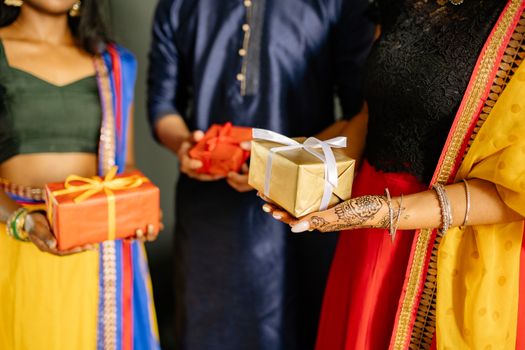
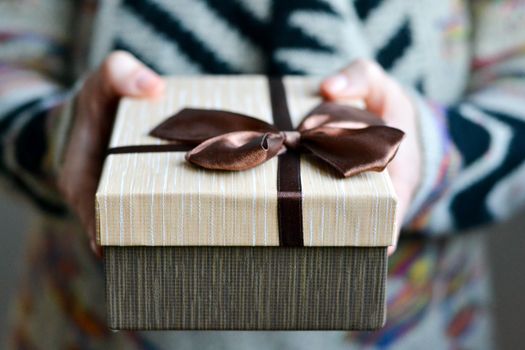
- Wrapping: A simple, elegant wrapping (even a beautiful paper bag) elevates the gift. Avoid overly elaborate bows or expensive wrapping that might be seen as wasteful. In Japan, the art of furoshiki (cloth wrapping) is revered.
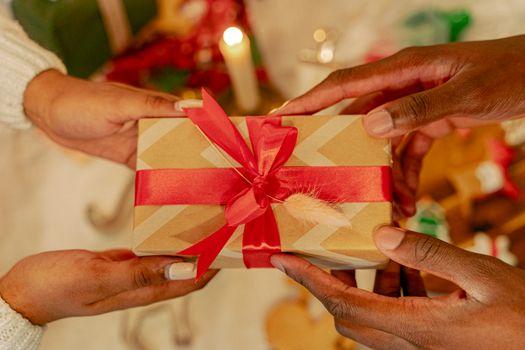
- The Act of Giving: In many Asian cultures (Japan, China, Korea), it’s customary to present and receive gifts with both hands, often with a slight bow. This shows immense respect. In other cultures, a warm smile and direct eye contact are enough.
- Verbal Gratitude: Learn a few phrases in the local language: "Thank you," "For you," "I hope you like it." A simple "Merci beaucoup" in France or "Gracias" in Spain, accompanied by a genuine smile, goes a long way.
- No Strings Attached: Emphasize that it’s a small token of appreciation, with no expectation of anything in return. This is crucial. If someone insists you take something in return, it's often polite to accept graciously, even if you initially decline once or twice out of politeness (a common ritual in many cultures).
My Anecdote: In Italy, after a delightful cooking class in a small Tuscan village, I offered the nonna who taught me a small bottle of high-quality olive oil from my own region. I presented it with both hands, a huge smile, and a heartfelt "Grazie mille, signora! Per lei, un piccolo pensiero dalla mia terra." (Thank you very much, madam! For you, a small thought from my land.) She beamed, kissed me on both cheeks, and insisted I stay for dinner, introducing me to her entire family and sharing stories of her youth. That evening was pure magic.
5. Beyond the Transaction: How Gifts Open Doors (My Favorite Stories)
This is where the magic truly happens. These small gestures aren't just about politeness; they are catalysts for deeper, more meaningful engagement. They transform your trip from a superficial visit into an immersive journey.
- Invitations to Local Life: This is the most common and cherished outcome. I’ve been invited to:
- Family meals: From a bustling home in Jaipur, India, after gifting a small, intricately designed bookmark, to a quiet dinner with a fishing family in a remote Thai village after sharing a local dessert from my country.
- Local ceremonies/festivals: In San Cristobal de las Casas, Mexico, a small gift of artisanal coffee to a shop owner led to an invitation to a local pre-Lenten celebration, complete with traditional music and dance, far from the tourist crowds.
- Behind-the-scenes tours: In a small weaving village in Laos, a gift of beautiful, handmade soap to a master weaver resulted in a private demonstration of their ancient techniques, allowing me to truly appreciate the artistry.
- Insider Tips and Hidden Gems: Locals often share their best-kept secrets when they feel a genuine connection. I've received recommendations for:
- Authentic eateries: The hole-in-the-wall noodle shop in Hanoi that served the best pho I've ever tasted, recommended by a street vendor after I gave his child a small, illustrated book.
- Secluded viewpoints: A breathtaking sunset spot in Cappadocia, Turkey, shared by a hot air balloon pilot after I offered him a small, personalized keychain from my university.
- Unique experiences: Learning how to bargain effectively in a local market, or being guided to a quiet, spiritual temple not listed in any guidebooks.
- Lifelong Friendships: Some of the most profound connections I've made while traveling started with a simple gift. These aren't just fleeting encounters; they are relationships I maintain through social media, occasional emails, and even return visits. These friendships are the true treasures of travel.
My Most Unforgettable Moment: In Rajasthan, India, after a particularly challenging journey through rural areas, my driver, a kind man named Sanjay, went above and beyond to ensure my safety and comfort. As a token of immense gratitude, I presented him with a beautifully crafted leather wallet I had brought from home. He was genuinely touched. A few days later, he surprised me by inviting me to his niece's wedding in a small village outside Udaipur. It was an explosion of color, music, and joy, a deep dive into Indian culture that no tour operator could ever offer. I danced with his family, shared meals, and felt like an honorary member of their community. That wallet didn't just hold money; it opened a door to an experience that changed my understanding of hospitality and human connection forever.
6. Sustainable & Ethical Gifting: Travel with Conscience
As a responsible traveler, it’s important to consider the ethical implications of our gestures.
- Avoid Creating Waste: Opt for consumable gifts (tea, coffee) or items that are genuinely useful and long-lasting. Avoid cheap plastic toys or items that will quickly end up in a landfill.
- Support Local, Both Home and Away: While the focus here is on gifts from your home country, remember to also support local artisans and businesses in the destination you're visiting for your own souvenirs.
- Don't Encourage Begging: As mentioned, avoid giving money or candy directly to children. This can create a culture of dependency and begging, which is harmful in the long run. If you want to help children, consider donating to reputable local charities or schools.
- Give Directly to Adults: When gifting to a family, always present the gift to the adults, ideally the head of the household, rather than directly to children. This shows respect for the family structure.
- Consider the Environmental Impact: Choose gifts with minimal packaging and a low carbon footprint if possible.
My Ethical Approach: I always ensure my gifts are high-quality, meaningful, and don't contribute to environmental problems. I also make it a point to explain why I'm giving the gift – "a small token of thanks for your kindness," or "a piece of my home to share with you." This clarifies the intention and prevents misunderstandings.
Conclusion: Pack a Little Extra Kindness, Unpack a World of Connection
My journey from a cautious tourist in Marrakech to a traveler who has shared countless intimate moments with locals around the globe is a testament to the power of thoughtful gift-giving. It's not about grand gestures or expensive items; it's about the conscious decision to approach travel with an open heart, a respectful mind, and a small token of gratitude in hand.
These gifts aren't just objects; they are keys. Keys to hidden kitchens, to family stories, to ancient traditions, and most importantly, to the hearts of people who might otherwise remain strangers. They have transformed my trips into profound, soul-stirring adventures, weaving a rich tapestry of human connection that has truly changed my life forever.
So, on your next adventure, consider packing a little extra kindness. Tuck a small, meaningful gift into your bag. You might just find yourself unlocking doors you never knew existed, and discovering a world far richer and more connected than you ever imagined.
What's your favorite thoughtful gift to give while traveling? Share your stories and tips with us using #TripsoraGifts and let's inspire more meaningful journeys!
---