Chasing the Rainbow of the North: Unveiling Local Secrets for Northern Lights Magic
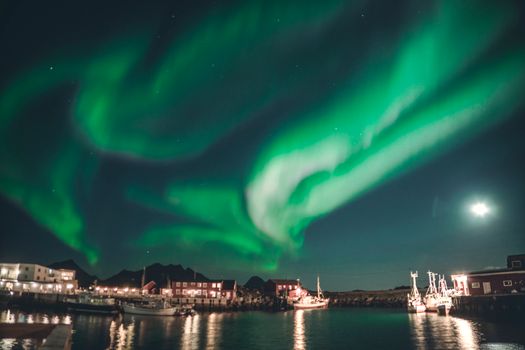
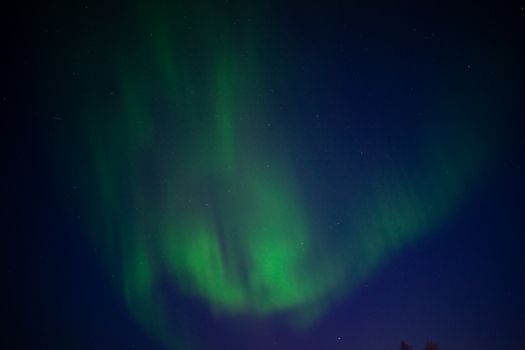
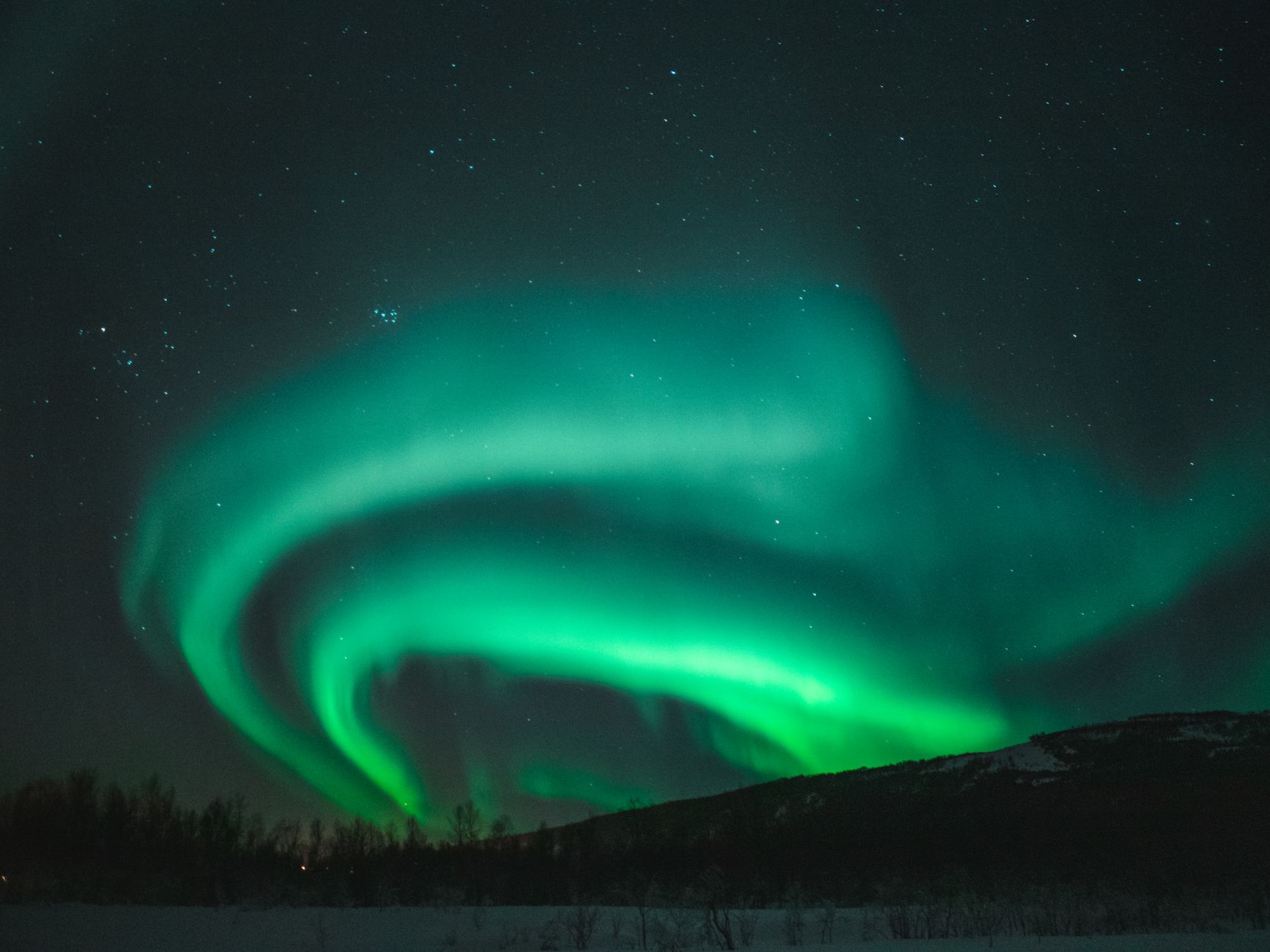
The first time I saw the Northern Lights, I was huddled in a borrowed snowsuit, shivering violently despite the layers, on a frozen lake outside a small town in Finnish Lapland. For what felt like an eternity, the sky was just... dark. And then, a faint, ethereal green ribbon appeared, stretching lazily across the horizon. Slowly, shyly, it began to dance. Rippling, swirling, growing bolder, painting the entire sky in hues of emerald, violet, and sometimes even a fleeting kiss of pink. It wasn't just a light show; it was a living, breathing spectacle that moved me to tears. In that moment, the cold, the waiting, the doubts – they all vanished. All that remained was pure, unadulterated awe.
That unforgettable night ignited a passion in me: not just for the Aurora Borealis, but for experiencing it authentically. While the popular tourist spots offer fantastic views, I’ve learned that the real magic often lies off the beaten path, in places cherished by locals. These are the spots with less light pollution, unique perspectives, and often, a deeper connection to the land and its people. For this Tripsora deep dive, I’ve scoured my contacts, chatted with Arctic residents, and tapped into emerging trends to bring you the Northern Lights viewing spots locals are buzzing about right now. These aren't just places; they're experiences waiting to unfold.
Why Go Local? The Untapped Magic Beyond the Crowds
Before we dive into specific locations, let's talk about why seeking out local recommendations is a game-changer. Imagine standing shoulder-to-shoulder with hundreds of other tourists, all craning their necks, cameras flashing. Now, picture yourself on a secluded hilltop, a vast, silent landscape stretching before you, sharing the celestial ballet with just a handful of fellow quiet observers – or even better, just you and your travel companions.
Local spots often offer:
- Reduced Light Pollution: Locals know where the city glow fades fastest, revealing a darker, more vivid canvas for the Aurora.
- Unique Vantage Points: Think hidden fjords, specific mountain passes, or tranquil frozen lakes that haven't made it into the guidebooks yet.
- Authentic Experiences: Often, these spots come with opportunities to engage with local culture, enjoy traditional food, or simply soak in the quietude that defines Arctic life.
- Fewer Crowds: This is perhaps the biggest draw. More space, more peace, and a more personal connection to the natural wonder.
- Emerging Trends: Just like anything else, "trending" spots for Aurora viewing shift. Locals are always the first to know about a newly accessible area, a recently opened viewpoint, or a quiet corner that’s gaining popularity among the community.
Ready to chase the light like an insider? Let's explore some of the most captivating, locally-loved, and trending spots across the Arctic Circle.
1. Iceland: Beyond the Golden Circle – The East Fjords' Hidden Gems
Iceland is undeniably a Northern Lights powerhouse, but its popularity means that hotspots like the Golden Circle or Jökulsárlón Glacier Lagoon can get crowded. Locals, however, are increasingly drawn to the serene beauty and incredible darkness of the East Fjords. This less-traveled region offers dramatic landscapes, quaint fishing villages, and some of the darkest skies on the island.
The Local Buzz: Seyðisfjörður & Borgafjörður Eystri
While Seyðisfjörður is famous for its rainbow street and vibrant arts scene, head just outside the village, up into the surrounding mountains or along the coastline, and you'll find incredible, unobstructed views. Locals often drive a few minutes out of town, away from the minimal village lights, to spots like the road towards Gufufoss waterfall, or even further along the dirt tracks, finding a quiet pull-off.
Even more off-the-beaten-path is Borgafjörður Eystri. This remote fjord, home to puffins in summer and a haven for hikers, becomes an Aurora hunter's paradise in winter. Its isolation means virtually zero light pollution. Locals here often recommend simply finding a quiet spot along the road leading into the village, or even by the harbor, gazing out over the still waters reflecting the sky. The steep mountains surrounding the fjord create a dramatic frame for the dancing lights.
My Anecdote: On a recent trip, a local fisherman in Seyðisfjörður pointed me towards a small, almost unmarked trail leading up a hill near the fjord entrance. "Best view in the whole valley, ef þú ert heppinn (if you're lucky)," he winked. That night, the sky erupted, and I had a panoramic view of the fjord, the village lights twinkling below, and the Aurora painting the vast expanse above. It felt like my own personal opera box.
Practical Tips for the East Fjords:
- Getting There: A rental car is essential for exploring the East Fjords. The drive from Reykjavík is long (7-8 hours), so consider flying to Egilsstaðir and renting a car there.
- Accommodation: Guesthouses and small hotels in Seyðisfjörður or Borgafjörður Eystri. Expect to pay around €100-€200 per night for a cozy double room. Book well in advance, especially for Borgafjörður Eystri, as options are limited.
- Best Time: October to March offers the darkest skies.
- Don't Miss: The geothermal swimming pool in Egilsstaðir for a relaxing dip after a cold night of Aurora hunting.
- Instagram Moment: The Aurora over the colorful houses of Seyðisfjörður, or framed by the dramatic peaks of Borgafjörður Eystri.
2. Norway: The Arctic Coast's Untamed Beauty – Senja Island
While Tromsø is rightly famous, Norway's Arctic coastline offers countless stunning alternatives. Locals in Northern Norway are increasingly pointing travelers towards Senja Island, often dubbed "Norway in miniature" due to its diverse and dramatic landscapes – from jagged mountain peaks plunging into the sea to serene fjords and white-sand beaches. It's less crowded than Lofoten but equally, if not more, spectacular for Aurora viewing.
The Local Buzz: Ersfjordstranda & Tungeneset
Ersfjordstranda is a stunning white-sand beach nestled between towering mountains, a truly iconic and photogenic spot. Locals love it because the wide-open expanse of the beach and ocean provides an unobstructed view of the northern sky. It’s easily accessible but feels wonderfully remote. Park your car, walk onto the sand, and let the magic unfold.
Another trending local favorite is Tungeneset. This unique viewpoint features a wooden walkway leading to a platform where you can gaze out at the "Devil's Jaw" (Okshornan) mountain range, a jagged row of peaks that perfectly frame the Aurora. The raw, untamed beauty of the landscape here adds an incredible dimension to the celestial show. It's a fantastic spot for photographers looking for a dramatic foreground.
My Anecdote: I remember one night on Senja, parked near Ersfjordstranda. The wind was biting, but the sky was clear. Suddenly, the Aurora burst forth, not just dancing, but exploding in waves of green and purple right above the Devil's Jaw. The light reflecting off the snow-covered peaks and the dark ocean was surreal. A local couple, also out hunting, offered me a thermos of hot lingonberry juice – a small gesture that perfectly encapsulated the warmth of the Arctic people despite the cold.
Practical Tips for Senja Island:
- Getting There: Fly to Bardufoss (BDU) or Tromsø (TOS), then rent a car. Senja is connected to the mainland by bridge. The drive from Tromsø is about 3-4 hours.
- Accommodation: Guesthouses, cabins, and small hotels are available, particularly in places like Hamn i Senja or Mefjordvær. Expect €150-€250 per night. Bookings are essential.
- Best Time: Late September to April.
- Don't Miss: Take a scenic drive along the Norwegian Scenic Route Senja, explore the charming fishing villages, and try fresh local seafood.
- Instagram Moment: Aurora over the jagged peaks of Okshornan from Tungeneset, or reflecting on the pristine sands of Ersfjordstranda.
3. Finland: Deeper into Lapland – Inari & Nellim's Sámi Soul
Finnish Lapland is synonymous with winter wonderlands, but for an truly immersive and culturally rich Aurora experience, locals often recommend heading further north, deep into the Sámi heartland. Areas around Lake Inari and the small village of Nellim offer incredible dark skies and a unique connection to indigenous culture.
The Local Buzz: Lake Inari's Shores & Nellim's Wilderness
Lake Inari, Finland's third-largest lake, is often referred to as the "Sámi Sea." Its vast, open expanse, dotted with thousands of islands, provides an unparalleled dark sky canvas. Locals know that the best viewing spots are often along its frozen shores, away from the minimal lights of Inari village. Many simply drive a few kilometers out on the E75 highway and pull over at designated viewing points or even quiet forest clearings. The reflection of the Aurora on the frozen lake, if clear, is simply breathtaking.
Nellim, a small, remote village nestled on the eastern shore of Lake Inari, close to the Russian border, is gaining popularity among locals for its extreme wilderness and lack of light pollution. It's a hub for authentic Sámi experiences. Locals here might suggest ice fishing on the lake while waiting for the Aurora, or simply finding a spot in the surrounding taiga forest. The feeling of being truly isolated in the vast Arctic wilderness, with only the stars and the Aurora for company, is profound.
My Anecdote: I once spent a night in a small, traditional cabin near Nellim. The temperature plummeted to -30°C, but the sky was crystal clear. Our Sámi guide, a man named Jouni, led us on snowshoes to a frozen riverbed. We built a small fire, and as the embers glowed, the sky above us erupted. Jouni told us ancient Sámi legends of the Aurora, of fox tails sweeping snow across the sky. It wasn't just viewing; it was storytelling, culture, and nature intertwined – an experience I'll never forget.
Practical Tips for Inari & Nellim:
- Getting There: Fly to Ivalo (IVL), then rent a car or arrange a transfer to Inari (30 min) or Nellim (1.5 hours).
- Accommodation: Inari offers hotels and guesthouses. Nellim has the renowned Nellim Wilderness Hotel, famous for its Aurora bubbles and cabins. Expect €180-€400 per night, depending on the type of accommodation (Aurora bubble will be pricier).
- Best Time: November to March.
- Don't Miss: Visit the Siida Sámi Museum in Inari, go husky sledding or reindeer sleigh riding, and try a traditional Sámi meal.
- Instagram Moment: Aurora reflecting on frozen Lake Inari, or framed by snow-laden pine trees in the Nellim wilderness.
4. Canada: The Yukon's Wild Frontier – Whitehorse's Backcountry
While Yellowknife in the Northwest Territories is often lauded, the Yukon Territory, particularly around its capital Whitehorse, offers equally spectacular and often more accessible Aurora experiences, especially for those who appreciate a blend of wild frontier and comfortable amenities. Locals here know how to escape the city glow without venturing too far.
The Local Buzz: Miles Canyon & Fish Lake Road
Miles Canyon, just a short drive from downtown Whitehorse, is a local gem. In winter, the Yukon River, usually a raging torrent, can be partially frozen, creating stunning ice formations. The canyon walls help block out some of the city's ambient light, and the dramatic landscape provides an incredible foreground for Aurora photography. Locals often park near the suspension bridge and find a quiet spot along the trails.
For a more remote, classic "Yukon wilderness" feel, Fish Lake Road is a favorite. This gravel road winds its way out of Whitehorse, climbing into higher elevations and leading to pristine lakes. The further you drive, the darker the skies become. Locals know specific pull-offs and clearings along this road that offer expansive, unobstructed views of the northern horizon. It's a great spot for those who want to set up a tripod and settle in for a long night of sky-gazing.
My Anecdote: I once spent an evening with a group of Whitehorse residents at a small, rustic cabin near Fish Lake. We had a roaring fire, hot chocolate, and the kind of easy camaraderie that only develops under vast, star-studded skies. When the Aurora finally appeared, a vibrant green curtain rippling silently, it felt like the entire wilderness was holding its breath. One local, a retired trapper, simply pointed to the sky and said, "She's dancing for us tonight, eh?" – a simple statement that perfectly captured the magic.
Practical Tips for Whitehorse & Yukon:
- Getting There: Fly directly to Whitehorse (YXY). A rental car is highly recommended for flexibility.
- Accommodation: Whitehorse offers a range of hotels and guesthouses. For a more immersive experience, consider a wilderness lodge outside the city. Expect €100-€250 per night for a hotel, lodges can be pricier.
- Best Time: Mid-August to mid-April. The shoulder seasons (August/September and March/April) can offer milder temperatures and stunning reflections on unfrozen lakes.
- Don't Miss: Explore Whitehorse's charming downtown, visit the Yukon Wildlife Preserve, or try dog sledding.
- Instagram Moment: Aurora over the frozen Yukon River at Miles Canyon, or a sweeping shot of the lights above a snow-covered wilderness landscape along Fish Lake Road.
Essential Tips for Your Northern Lights Quest (Local Wisdom Edition)
Beyond specific locations, these practical tips, often emphasized by locals, will significantly enhance your Aurora hunting success and experience:
- Dress for the Arctic: This isn't just about being warm; it's about being comfortably warm for hours. Layers are key: thermal base layers, fleece mid-layers, and a waterproof/windproof outer shell. Don't forget insulated boots, wool socks, a warm hat that covers your ears, and heavy-duty mittens (with glove liners for camera operation).
- Monitor the Forecast (Both Kinds!):
- Weather Forecast: Clear skies are paramount. Use local weather apps (e.g., yr.no for Norway, Veðurstofa Íslands for Iceland) and satellite imagery to track cloud cover.
- Aurora Forecast: Websites like SpaceWeatherLive.com, NOAA's Space Weather Prediction Center, or local apps like "My Aurora Forecast" provide KP-index (geomagnetic activity) and probability maps. A KP of 3 or higher is generally good, but even a KP of 1 or 2 can produce a visible display in dark skies.
- Patience is a Virtue: The Aurora is unpredictable. You might wait hours, or it might appear instantly. Bring snacks, a hot drink, and good company. Enjoy the stillness of the Arctic night even if the lights don't show immediately.
- Go Dark, Stay Dark: Find the darkest possible spot. Turn off your car headlights, phone screens, and any headlamps when viewing. Let your eyes adjust for at least 15-20 minutes. Use a red-light headlamp if you absolutely need light, as it preserves night vision.
- Photography Essentials:
- Tripod: Non-negotiable for sharp photos.
- DSLR/Mirrorless Camera: With manual settings.
- Wide-Angle Lens: f/2.8 or wider is ideal (e.g., 14mm-24mm).
- Spare Batteries: Cold drains batteries quickly. Keep spares warm in an inside pocket.
- Remote Shutter Release: Prevents camera shake.
- Settings: Start with ISO 800-3200, aperture f/2.8 (or widest available), shutter speed 5-20 seconds. Adjust based on Aurora intensity. Focus manually to infinity.
- Consider a Guide (Even if Self-Driving): Many local guides offer "Aurora Chasing" tours. Even if you have a car, they know the best current spots, have local knowledge about weather patterns, and can provide invaluable photography tips and safety. This can be particularly useful on your first night. Expect tour prices from €100-€200 per person.
- Safety First: Inform someone of your plans if venturing far off-road. Be aware of wildlife, especially in Canada and Alaska. Drive carefully on icy roads.
- Ethical Viewing: Stay on marked paths, don't litter, respect private property, and be mindful of noise if others are around. Leave no trace.
The Aurora Awaits: Your Unforgettable Journey Begins
Chasing the Northern Lights is more than just a trip; it's a pilgrimage to one of nature's most spectacular phenomena. By tapping into local wisdom and venturing to these trending, less-trodden paths, you're not just witnessing the Aurora Borealis – you're experiencing it in a way that's deeper, more authentic, and infinitely more memorable.
From the dramatic fjords of Eastern Iceland to the untamed wilderness of Senja, the Sámi heartland of Finnish Lapland, and the rugged beauty of the Yukon, these local secrets promise a front-row seat to the greatest light show on Earth. The memories you create under those dancing skies will stay with you long after the glow has faded.
So, what are you waiting for? Start planning your Arctic adventure, pack your warmest layers, and prepare to be utterly mesmerized. The sky is calling!
Have you discovered a hidden Northern Lights gem? Share your favorite local spots and tips in the comments below!
---