Ditch the Fork: Hidden Hand-Eating Gems Influencers Don't Want You to Know
I remember my first time. The hesitation was palpable. A steaming platter of vibrant greens, fiery reds, and rich browns sat before me, flanked by a basket of spongy, sourdough-scented bread. No forks. No knives. Just me, my friends, and the delicious, intimidating expanse of an Ethiopian feast. My Western-bred brain screamed, "Where are the utensils?!" But my adventurous spirit, nudged by the incredible aromas, whispered, "Just go for it."
That first tentative tear of injera, that first scoop of spicy doro wat, that moment of pure, uninhibited flavor hitting my tongue – it was a revelation. It wasn't just a meal; it was an experience. A connection to culture, to food, to the very act of nourishment that felt primal, intimate, and incredibly real. It was everything the perfectly curated, sterile plates flooding your Instagram feed aren't.
And that, my fellow food adventurers, is precisely the point of this post. We're talking about the restaurants, the culinary traditions, and the unforgettable moments where eating with your hands isn't a novelty, but a way of life. These are the places that might not win awards for their minimalist decor or have a dedicated "selfie wall," but they will win your heart with their authenticity, flavor, and the sheer joy of getting a little messy. These are the hidden hand-eating gems Instagram influencers, obsessed with pristine aesthetics, often overlook – and honestly, they're missing out on the best parts of global cuisine.
So, wash your hands, loosen your inhibitions, and prepare to embark on a journey that will redefine your relationship with food.
The Primal Pleasure: Why Eating with Your Hands is a Game Changer
Before we dive into specific culinary landscapes, let's talk about why this practice is so profound. In many cultures around the world, eating with your hands is not just acceptable; it's preferred, even revered. It's about more than just convenience; it's about connection.
Think about it: when you pick up food with your fingers, you engage more senses. You feel the texture – the crispness of a fried fish, the softness of a steamed dumpling, the warmth of a freshly baked flatbread. You smell the spices more intimately as your hand brings the food closer to your nose. It’s a tactile, multi-sensory experience that a fork simply can't replicate. It connects you directly to your food, breaking down the barrier of metal implements and fostering a deeper appreciation for what you're consuming.
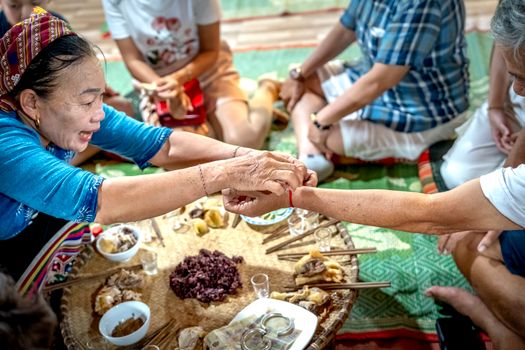
Culturally, it's often a symbol of hospitality, sharing, and community. Many hand-eaten meals are served communally, encouraging conversation, laughter, and a shared experience that transcends mere dining. It strips away pretension and invites you to simply be in the moment, savoring every bite. This isn't just eating; it's participating in a tradition, a ritual that has sustained communities for centuries. And trust me, once you embrace the delicious freedom, you'll wonder why you ever bothered with cutlery.
1. Ethiopian & Eritrean Feasts: The Art of Injera and Wat
Let's start where my own journey began: the vibrant, aromatic world of Ethiopian and Eritrean cuisine. If you've never experienced it, prepare for a revelation. The star of the show is injera, a spongy, fermented sourdough flatbread with a unique, slightly tangy flavor. It serves as your plate, your utensil, and a delicious part of every bite.
The Experience: Imagine a large, round platter (often called a gebeta) lined with a generous sheet of injera. Piled high on top are various wats (stews) – spicy lentils (misir wot), tender chicken (doro wat), savory beef (key wot), collard greens (gomen), and more. The beauty lies in the communal sharing. You tear off a piece of injera, using your thumb and first two fingers to scoop up a portion of stew and a bit of injera, creating a perfect mouthful. The flavors are complex – earthy, spicy, tangy, and deeply satisfying.
Why Influencers Miss It: While the colors are beautiful, the act of eating with injera can be, well, messy. Gravy might get on your fingers, and perfecting the scoop takes a bit of practice. It's not the clean, minimalist aesthetic often favored for a quick, "perfect" Instagram story. But the experience itself is incredibly photogenic in its authenticity and vibrancy.
Where to Find It (and what to expect): You'll find fantastic Ethiopian and Eritrean restaurants in major cities worldwide, often concentrated in specific neighborhoods (e.g., Little Ethiopia in Los Angeles, areas of Washington D.C., London, or Melbourne). Look for family-run establishments – they often have the most authentic flavors.
- A Personal Anecdote: I once dined at a tiny, unassuming spot in Addis Ababa where the injera was baked fresh before our eyes. The women serving us giggled gently as I clumsily tried to scoop my shiro wat (chickpea stew), then patiently showed me the proper technique. It felt like being welcomed into someone's home.
- Price Range: Expect to pay around $15-$30 per person for a generous platter, especially if you're sharing. It's fantastic value for the amount and quality of food.
- Tripsora Tip: Always wash your hands thoroughly beforehand. Don't be afraid to ask for a quick tutorial from your server – they'll appreciate your interest!
2. Southeast Asian Banana Leaf Meals & Boodle Fights: Communal Feasting
Southeast Asia offers a treasure trove of hand-eating experiences. From the fragrant banana leaf meals of Malaysia and Southern India to the exuberant boodle fights of the Philippines, these traditions are all about abundance and sharing.
The Experience:
- Banana Leaf Rice: In Malaysia and Singapore (and Southern Indian communities globally), a fresh banana leaf serves as your plate. Steamed rice is piled in the center, surrounded by a medley of vegetable curries, chutneys, pickles, and crispy papadum. You mix and match, using your right hand to scoop up portions of rice and curries, creating a personalized, flavor-packed bite. The slight aroma of the banana leaf infuses the food, adding another layer of authenticity. Often, you'll find options for various proteins like fried fish or chicken curry.
- Boodle Fight: This Filipino tradition is an absolute spectacle. A long table is lined with banana leaves, onto which mountains of garlic rice are spread. Then, it's topped with grilled meats (pork belly, chicken skewers), fried fish, fresh seafood (shrimp, crabs), spring rolls, salted eggs, and various condiments. Everyone stands around the table, and when the command "Boodle Fight!" is given, you dive in, eating with your bare hands. It's a joyous, slightly chaotic, and utterly delicious celebration of food and camaraderie.
Why Influencers Miss It: Banana leaf meals can get deliciously messy with curry stains, and a boodle fight is inherently chaotic. It's hard to get that perfectly poised, clean shot when you're elbow-deep in rice and grilled prawns. But the vibrant colors and the sheer scale of a boodle fight are incredibly visually appealing for a different kind of Instagram story – one focused on authentic joy, not perfection.
Where to Find It:
- Banana Leaf Rice: Seek out Indian-Malaysian restaurants in cities like Kuala Lumpur, Singapore, London, or even smaller towns with a significant Malaysian diaspora.
- Boodle Fight: Many Filipino restaurants, particularly in North America (e.g., Los Angeles, Toronto, New York), offer boodle fight experiences, often requiring advance booking for a group.
- A Personal Anecdote: During a trip to Kuala Lumpur, I stumbled upon a bustling banana leaf spot in Brickfields. The sheer variety of curries was overwhelming, but the staff guided me through, recommending pairings. I spent an hour happily mixing rice, fish curry, and tangy pickles, washing it down with sweet mango lassi. My fingers were stained yellow, but my soul was full.
- Price Range: Banana leaf meals are usually very affordable, often $5-$15 for a basic set. Boodle fights vary greatly by size and ingredients, but expect $25-$50 per person for a lavish spread.
- Tripsora Tip: In many cultures, particularly in South Asia, it's customary to only eat with your right hand. Also, make sure to fold the banana leaf inwards after your meal to signal satisfaction!
3. West African Delights: Fufu, Banku, and Flavorful Stews
West African cuisine is a powerhouse of flavor, texture, and tradition, and a significant portion of it is designed to be eaten with your hands. The cornerstone is often a starchy accompaniment – fufu, banku, kenkey, ugali, sadza, or eba – served alongside rich, aromatic stews.
The Experience: These starchy staples are usually made from cassava, plantains, yam, or corn, pounded or cooked into a dense, dough-like consistency. The technique involves tearing off a small piece of the starch, shaping it into a scoop with your fingers, and then dipping it into a vibrant, often spicy, stew. Popular stews include peanut soup (maafe), okra stew (okro soup), egusi soup (melon seed stew), and various fish or goat stews. The starch acts as a neutral canvas, soaking up the complex flavors of the stew.
Why Influencers Miss It: Let's be honest, fufu isn't the most aesthetically "clean" food. It's rustic, hearty, and very hands-on. The textures are unique, and the act of kneading and scooping isn't always graceful. But the deep, comforting flavors and the feeling of cultural immersion are unparalleled.
Where to Find It: Major cities with large West African diasporas (e.g., London, Paris, New York, Houston, Accra, Lagos) will have numerous restaurants specializing in Ghanaian, Nigerian, Senegalese, or Ivorian cuisine. Look for places with bustling kitchens and a strong local clientele.
- A Personal Anecdote: In a small Ghanaian restaurant in Brooklyn, I had my first taste of banku with grilled tilapia and shito (a spicy chili sauce). The fish was perfectly smoky, the banku had a delightful tang, and the shito brought the heat. I initially struggled to get the right consistency with the banku, but the owner, noticing my efforts, gave me a quick, encouraging lesson. It felt like a warm hug from a faraway land.
- Price Range: Hand-eaten West African meals are typically very affordable, often $10-$25 for a substantial portion.
- Tripsora Tip: Start with smaller pieces of fufu/banku until you get the hang of scooping. Don't be afraid to experiment with different stews – each offers a unique flavor profile!
4. Middle Eastern Mezze & Moroccan Tagines: Sharing and Dipping
While not always entirely fork-free, many Middle Eastern and North African meals inherently involve a lot of hand-eating, especially when it comes to shared appetizers and bread.
The Experience:
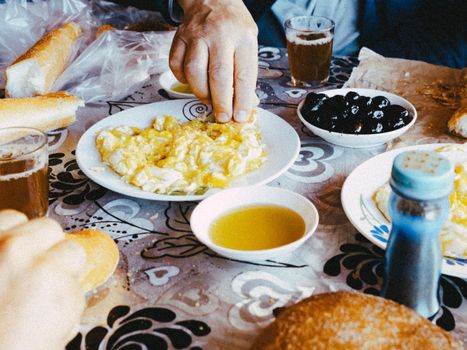
- Mezze: Picture a table laden with small plates: creamy hummus, smoky baba ghanoush, tangy labneh, vibrant tabbouleh, and crisp falafel. The star utensil here is warm, fluffy pita bread. You tear off a piece of pita and use it to scoop up dips, wrap around falafel, or mop up the delicious oils. It's a highly social way to eat, encouraging conversation and sharing.
- Moroccan Tagines: While some people use forks, many Moroccans prefer to eat directly from the communal tagine pot using pieces of khobz (Moroccan bread). The tender meat (lamb, chicken) and vegetables, slow-cooked in aromatic spices, are perfect for scooping up with bread, allowing you to fully appreciate the rich sauces.
Why Influencers Miss It: Again, the "mess" factor. Dipping pita can lead to drips, and a communal tagine isn't always the most elegant presentation for a solo shot. But the sheer abundance, the vibrant colors of the mezze, and the steamy, aromatic allure of a tagine are incredibly inviting for an authentic food story.
Where to Find It: Middle Eastern and Moroccan restaurants are ubiquitous in most major cities globally. Look for places that emphasize traditional cooking methods and a family-style dining experience.
- A Personal Anecdote: In a bustling souk-side restaurant in Marrakech, I shared a lamb tagine with friends, dipping crusty khobz directly into the rich sauce. The blend of sweet apricots, savory lamb, and fragrant spices was intoxicating. It felt like a timeless tradition, a direct link to generations of Moroccan hospitality.
- Price Range: Mezze platters can range from $15-$30 for a generous spread. Tagines are typically $20-$40, often enough for two or more people.
- Tripsora Tip: When eating mezze, don't double-dip if you're sharing with others! Use a fresh piece of pita for each scoop.
5. Southern Indian Thalis & Seafood Boils: Flavor Explosions
Southern India, much like its Malaysian neighbor, embraces the banana leaf meal, often called a thali when served on a plate (though still primarily eaten by hand). And for seafood lovers, the global trend of seafood boils often encourages a hands-on approach.
The Experience:
- Southern Indian Thali: A thali is a round platter (or banana leaf) featuring a variety of small bowls (katoris) filled with different curries, lentil dishes (dal), chutneys, pickles, and rice. You mix and match, using your fingers to blend a bit of rice with a curry, perhaps a dollop of yogurt, to create a perfect bite. The flavors are incredibly diverse, from fiery to subtly sweet, often vegetarian-focused.
- Seafood Boils: Popularized in the American South and now found worldwide, seafood boils typically involve a massive bag or platter of steamed or boiled seafood (crab, shrimp, mussels, crawfish) tossed in a rich, spicy sauce, often with corn and potatoes. Gloves are sometimes provided, but the true experience involves ripping apart crab legs, peeling shrimp, and sucking the delicious juices from shells with your bare hands. It's gloriously messy and incredibly satisfying.
Why Influencers Miss It: Curry stains are a given with a thali, and a seafood boil is the epitome of "get your hands dirty." These are not delicate dining experiences. But the vibrant colors of a thali and the sheer abundance of a seafood boil are incredibly appealing for those seeking an authentic, uninhibited feast.
Where to Find It:
- Southern Indian Thali: Look for South Indian restaurants in any major city, particularly those specializing in dosa and idli. Many will offer a daily thali special.
- Seafood Boils: These are often found at dedicated seafood restaurants, particularly in coastal cities or areas with strong Cajun/Creole influences.
- A Personal Anecdote: I once found a tiny, bustling South Indian diner in Chennai where they served an unlimited banana leaf thali. The servers would constantly come around with buckets of different curries, rice, and sambar, refilling your leaf. It was a whirlwind of flavors, and I left feeling both incredibly full and culturally enriched.
- Price Range: South Indian thalis are usually very budget-friendly, often $8-$15 for an unlimited meal. Seafood boils vary wildly by seafood type and quantity, from $30-$80+ per person.
- Tripsora Tip: For thalis, don't be afraid to ask for more of your favorite curry! For seafood boils, wear clothes you don't mind getting a little splattered, and don't skip the bib if offered!
Beyond the Plate: Practical Tips for Embracing the Hand-Eating Experience
Ready to dive in? Here are some actionable tips to make your hand-eating adventure enjoyable and respectful:
- Wash Your Hands Thoroughly: This is non-negotiable. Soap and water are your best friends before and after the meal. Many restaurants provide sinks or wet wipes.
- Use Your Dominant Hand (Often Right Hand): In many cultures, especially in South Asia, the Middle East, and Africa, the left hand is traditionally considered unclean. Always use your right hand for eating.
- Use Your Fingertips: You don't need to get your whole hand messy. Most dishes are designed to be scooped or picked up using just your thumb, index, and middle fingers.
- Observe and Learn: If you're unsure, watch how the locals eat. Don't be shy to ask your server for a quick demonstration – they'll appreciate your willingness to learn.
- Embrace the Mess (and napkins!): It's okay to get a little messy! That's part of the fun. Have napkins or wet wipes handy.
- Don't Double Dip (in communal dishes): If you're sharing, use a fresh piece of bread or a clean part of your hand for each scoop from a communal dish.
- Order Wisely: If it's your first time, start with a "sampler" platter or a thali to experience a range of flavors without committing to one large dish.
- Stay Hydrated: Many hand-eaten meals are spicy. Keep water or a cooling beverage nearby.
- Go with an Open Mind: This isn't just about food; it's about cultural immersion. Be respectful, be curious, and be ready for a truly authentic experience.
Why Influencers "Don't Want You to Know" (And Why You Should Anyway)
The title of this post isn't just clickbait; it speaks to a truth about the curated world of social media. Eating with your hands is often:
- Messy: Gravy on fingers, sauce on the table, bits of food clinging to bread. It's not always "clean eats."
- Un-aesthetic (by Western standards): A big pile of food on a banana leaf or a communal platter isn't always as "artfully plated" as a Michelin-star dish.
- Slow: These meals are meant to be savored, often communally, which doesn't always fit the fast-paced, quick-photo influencer workflow.
- Challenging: It requires stepping out of your comfort zone, learning new etiquette, and embracing a different way of interacting with your food.
But these very reasons are precisely why you should seek them out. These experiences offer:
- Authenticity: You're eating food the way it's been eaten for generations, connecting directly to a culture.
- Flavor: The direct contact enhances the sensory experience, making the flavors pop.
- Connection: These are often communal meals, fostering a sense of togetherness and shared joy.
- Memories: A slightly messy, utterly delicious hand-eaten meal creates far more vivid and lasting memories than another "perfect" avocado toast.
So, next time you're scrolling through endless feeds of perfectly arranged brunch plates, remember that there's a whole world of unpretentious, incredibly delicious, and deeply authentic dining experiences waiting for you. Experiences that challenge your norms, delight your senses, and connect you to the heart of global cuisine.
Go forth, get messy, and discover the true flavor of travel. And when you do, don't forget to share your stories (messy fingers and all!) with us on Tripsora!
---