Glacier Walks in Sneakers: Discover Icy Wonders Before They Melt Away!
I used to think "glacier walk" was synonymous with "extreme expedition." Images of crampons clanking, ice axes swinging, and burly mountaineers scaling vertical walls filled my mind. My idea of a good time usually involved a scenic hike, maybe a refreshing dip, and definitely not frostbite. So, when a friend suggested a glacier walk in Iceland, my initial response was a polite, "Are you crazy? I barely own hiking boots, let alone mountaineering gear!"
But then she showed me a photo: a group of people, smiling, standing on a breathtaking expanse of ice, looking utterly relaxed. And yes, some of them were wearing what looked suspiciously like… sneakers.
That trip changed everything. It wasn't an expedition; it was an accessible, awe-inspiring stroll onto a living, breathing natural wonder. It was easy, unforgettable, and shockingly doable for anyone with a decent pair of walking shoes and a thirst for adventure. And that's the secret I'm here to spill: there are incredible glacier walks out there that don't require you to be an Everest conqueror. They're the kind of experiences you can share with friends, capture for your Instagram feed, and bookmark for your next trip – before the crowds catch on, and before these magnificent natural wonders recede even further.
Welcome to the world of sneaker-friendly glacier exploration, where the magic of ancient ice is within your reach.
The Myth of the 'Hardcore' Glacier Hike (and Why Sneakers Work)
Let's shatter some myths right off the bat. When most people envision a glacier hike, they picture something out of a documentary – a grueling trek across treacherous terrain. While those extreme adventures certainly exist, they are far from the only way to experience a glacier.
Many glaciers, particularly their terminal fronts or lower, flatter sections, offer surprisingly gentle access. These are the "gateway glaciers" – perfect for beginners, families, or anyone who wants a taste of ice walking without the intense physical demands or the need to invest in a full suite of mountaineering gear.
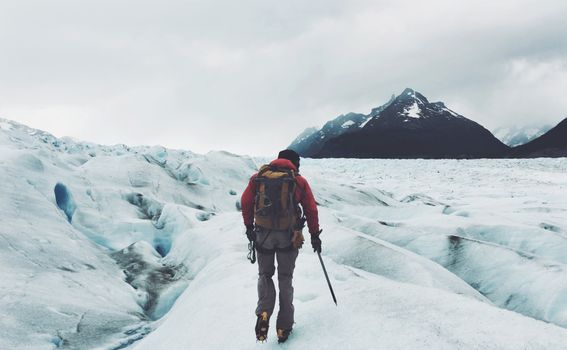
The "sneakers" aspect isn't about literally traipsing across miles of ice in your fashion trainers. It's about the overall accessibility and the minimal personal gear required for the experience. For the approach walk to the glacier, sturdy, good-grip sneakers or light hiking shoes are perfectly adequate. Once you're on the ice, reputable guided tours will always provide you with essential safety gear: microspikes or light crampons (which easily strap onto your regular shoes), and often an ice axe for balance and safety demonstrations. This means you don't need to buy or rent heavy, specialized mountaineering boots. The entire experience feels more like a scenic, slightly chilly walk than a strenuous climb, making it incredibly appealing and, dare I say, shareable!
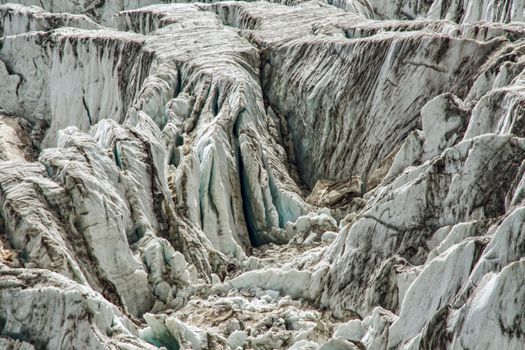
These easy access points often lead to stunning blue ice formations, crevasses, and ice caves that are just as magnificent as those found on more challenging routes, but without the effort. It’s an authentic glacier experience, distilled into an accessible, utterly magical package.
Your Glacier Sneaker Kit: More Than Just Shoes (But Not Much More!)
So, you're convinced. You're ready to trade your hiking poles for an ice axe (provided by a guide, of course!). But what exactly do you need to pack for a "sneaker" glacier walk? The beauty is, it's probably less than you think.
- Sturdy, Good-Grip Sneakers or Light Hiking Shoes: This is your foundation. Think trail runners or robust walking shoes, not canvas trainers. They need a decent sole for walking on varied terrain (gravel, mud, rock) to the glacier and should be comfortable enough to wear microspikes over. Waterproofing is a huge bonus!
- Layers, Layers, Layers: Glaciers create their own microclimates. Even on a sunny day, it can be chilly and windy. A base layer, a fleece or wool mid-layer, and a waterproof/windproof outer shell are essential. You can always shed layers if you get warm.
- Waterproof Jacket and Pants: Non-negotiable. You're on ice. There might be mist, drizzle, or just cold wind. Staying dry is key to staying warm and comfortable.
- Hat, Gloves, and Scarf/Buff: Small items, big difference. They protect against wind and cold, especially your ears and hands when holding an ice axe.
- Sunglasses and Sunscreen: Glaciers are giant mirrors. The sun's reflection off the ice can be intense, even on cloudy days. Protect your eyes and skin.
- Water and Snacks: Even an easy walk builds an appetite. Stay hydrated and energized.
- Camera/Phone: For obvious reasons! Make sure it's fully charged, and consider a waterproof case or bag.
- Small Backpack: To carry all of the above.
Crucial Safety Note: Always, always go with a certified local guide. They know the glacier's ever-changing conditions, provide the necessary safety gear (crampons/microspikes, ice axes), and ensure you stick to safe paths. This isn't an adventure to DIY.
Unveiling the Accessible Ice: Top Spots for Sneaker Glaciers
Ready for some inspiration? Here are a few incredible locations where you can experience the magic of a glacier without needing to be a seasoned mountaineer. These spots offer guided tours that are perfect for beginners, providing all the necessary on-ice gear.
- Sólheimajökull, Iceland (Part of Mýrdalsjökull):
- Location: South Iceland, easily accessible from the Ring Road, about 2.5 hours from Reykjavík.
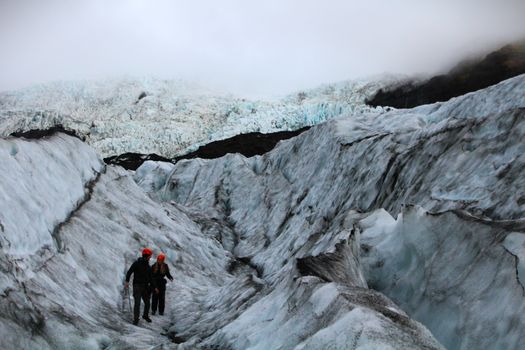
- What to Expect: Sólheimajökull is one of Iceland's most popular and accessible outlet glaciers. The walk from the parking lot to the glacier's edge is relatively flat and takes about 15-20 minutes in good walking shoes. Once at the ice, guides will equip you with microspikes and an ice axe. The walk on the ice is typically a 1.5-3 hour gentle trek over relatively flat, stable ice, exploring small crevasses, ice formations, and sometimes even tiny ice tunnels (conditions permitting). The colors of the ice – from brilliant white to deep sapphire blue – are absolutely mesmerizing.
- Personal Anecdote: My first "sneaker glacier" experience was here. The sheer scale of the ice, the eerie silence broken only by the crunch of microspikes, and the vibrant blue hues were mind-blowing. I remember thinking, "This is easy? And this beautiful? Why isn't everyone doing this?"
- Price Range: Guided tours typically range from $70-$120 USD for a 2-3 hour walk, including all safety gear.
- Nigardsbreen, Norway (Jostedalsbreen National Park):
- Location: In the heart of Norway's fjord country, a stunning drive from popular tourist hubs like Bergen.
- What to Expect: Nigardsbreen is an arm of Europe's largest mainland glacier, Jostedalsbreen. The approach is part of the adventure, involving a short boat ride across a glacial lake (or a walk along the lake shore) to reach the glacier's base. From there, it's a short, easy walk to the ice. Guided "Blue Ice Hikes" are offered by local companies, providing all necessary equipment (crampons/microspikes, ice axes, harnesses). These tours focus on gentle exploration of the lower, stunning blue ice sections, perfect for beginners and families.
- Instagram Moment: The boat ride across the turquoise lake with the glacier looming in the background is incredibly photogenic. The deep blue ice formations are also a strong contender for your feed.
- Price Range: Guided tours typically cost around $60-$100 USD for a 3-4 hour experience (including boat ride and ice walk).
- Perito Moreno Glacier, Patagonia, Argentina:
- Location: Los Glaciares National Park, near El Calafate.
- What to Expect: While you can spend hours admiring Perito Moreno from its extensive network of boardwalks (an experience in itself, requiring only comfortable walking shoes!), the "Mini-Trekking" tour allows you to walk on the ice. After a short boat ride and a walk through a forest path to the glacier, guides provide crampons and lead you on a roughly 1.5-hour walk on a small, stable section of the glacier. The experience is designed for beginners, focusing on the unique formations, small streams, and lagoons on the ice. The sheer scale of the glacier and the thunderous calving events (when huge chunks of ice break off) are unforgettable.
- Personal Anecdote: Watching a massive chunk of ice calve from the main glacier while standing on its surface felt like witnessing geological history in real-time. The feeling of being so close to such raw power, yet feeling completely safe, was exhilarating.
- Price Range: The "Mini-Trekking" tour is a full-day experience, including transfers, boat ride, and the ice walk, typically costing $150-$250 USD.
- Franz Josef & Fox Glaciers, New Zealand:
- Location: West Coast, South Island.
- What to Expect: While helicopter access is now the primary way to walk on these glaciers due to their rapid recession and instability, you can still experience their majesty with just sneakers. Several easy walking tracks lead to viewpoints near the terminal face of both glaciers (e.g., the Franz Josef Glacier Walk or the Fox Glacier Walk). These walks are flat, well-maintained, and offer spectacular views of the ice and surrounding valleys. For those wanting to touch the ice, some guided tours might offer very short, highly controlled "ice contact" experiences or combine helicopter flights with short, easy ice walks where equipment is provided.
- Shareable Moment: The lush green rainforest meeting the icy blue glacier face is a unique contrast and makes for stunning photos.
- Price Range: Walking to the terminal face viewpoints is free. Helicopter-accessed ice walks are significantly more expensive, typically starting from $300-$500+ NZD. Focus on the free walks to the glacier for the "sneaker" aspect, and mention the guided tours as an upgrade.
My Own Icy Tales: An Unforgettable Experience
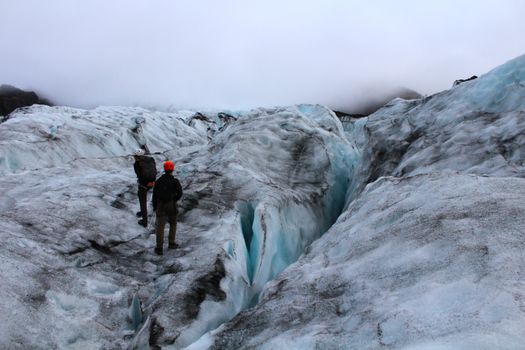
My most vivid "sneaker glacier" memory comes from Iceland. We were a small group, bundled up, microspikes crunching rhythmically on the ancient ice of Sólheimajökull. Our guide, a witty local named Bjorn, pointed out a deep blue crevasse, almost glowing from within. "This," he announced, "is the color of pure, compressed ice. It's thousands of years old, frozen history."
He then showed us how to safely peer into its depths, a dizzying vertical drop into an otherworldly blue. Later, he chipped off a piece of ice, handed it to us, and encouraged us to taste it. It was the purest, cleanest water I've ever tasted, a direct connection to a prehistoric past.
The feeling wasn't one of conquering, but of connecting. Connecting with the immense power of nature, with the slow, relentless movement of the ice, and with the poignant realization that these wonders are fleeting. It was an experience that felt both monumental and incredibly accessible, proving that you don't need to be an extreme athlete to touch the heart of a glacier. It was, without a doubt, one of the most Instagram-worthy, soul-stirring moments of my travels.
Beyond the Ice: Sustainable Glacier Tourism
The "before they become mainstream" part of this post carries a deeper, more somber truth: "before they disappear." Glaciers worldwide are receding at an alarming rate due to climate change. This makes experiencing them now, while they are still accessible, even more urgent.
However, this urgency also brings a responsibility. As travelers, we have a role to play in sustainable tourism:
- Choose Eco-Friendly Operators: Research tour companies that prioritize environmental protection, support local communities, and educate visitors on glacier conservation.
- Leave No Trace: Stick to marked paths, don't litter, and respect the natural environment. What you bring in, you take out.
- Educate Yourself: Learn about the impact of climate change on glaciers. Share your experiences and knowledge to raise awareness.
- Support Conservation Efforts: Consider donating to organizations dedicated to climate research and glacier preservation.
By traveling responsibly, we can help ensure that these magnificent icy landscapes are preserved for future generations, even as we enjoy them today.
Planning Your Sneaker Glacier Adventure: Essential Tips
Ready to lace up those sneakers and hit the ice? Here are a few final tips to make your glacier adventure seamless and unforgettable:
- Best Time to Visit: Summer and shoulder seasons (spring/autumn) generally offer the most stable weather conditions and easiest access to glaciers. Winter tours are often available but can be more challenging due to colder temperatures and shorter daylight hours.
- Book in Advance: Especially for popular locations like Iceland or Patagonia, guided glacier tours can sell out quickly, particularly during peak season. Book your tour well in advance to secure your spot.
- Check Physical Fitness Requirements: While these are "easy" glacier walks, a basic level of fitness is still required. You should be comfortable walking on uneven terrain for a few hours. Inform your guide of any health concerns.
- Listen to Your Guide: Your glacier guide is a trained professional. Their instructions are for your safety. Always follow their lead and advice.
- Pack Smart: Refer back to the "Glacier Sneaker Kit" section. Layers, waterproofs, sun protection, and hydration are key.
- Embrace the Experience: Put down your phone for a few moments and truly soak in the surreal beauty. The sounds, the colors, the cold air – it's an immersive experience unlike any other.
Don't Wait – The Ice is Calling!
Stepping onto a glacier, feeling the ancient ice beneath your feet, and witnessing its raw, breathtaking beauty is an experience that will stay with you long after you've returned home. These accessible "sneaker" glacier walks offer a unique opportunity to connect with nature's grandeur without needing to be an extreme adventurer.
But remember, these incredible landscapes are changing. The urgency to experience them responsibly is real. So, pack your sturdy sneakers, book that tour, and prepare for an adventure that's as easy to access as it is profoundly moving. Don't just dream about it; step onto the ice and create memories that are truly Tripsora-worthy.
Have you experienced an accessible glacier walk? Share your stories and photos with us using #TripsoraGlacierSneakers and inspire others to discover these icy wonders!
---