Glacier Walks in Sneakers: The Life-Changing, Accessible Ice Adventure You Didn't Know You Needed
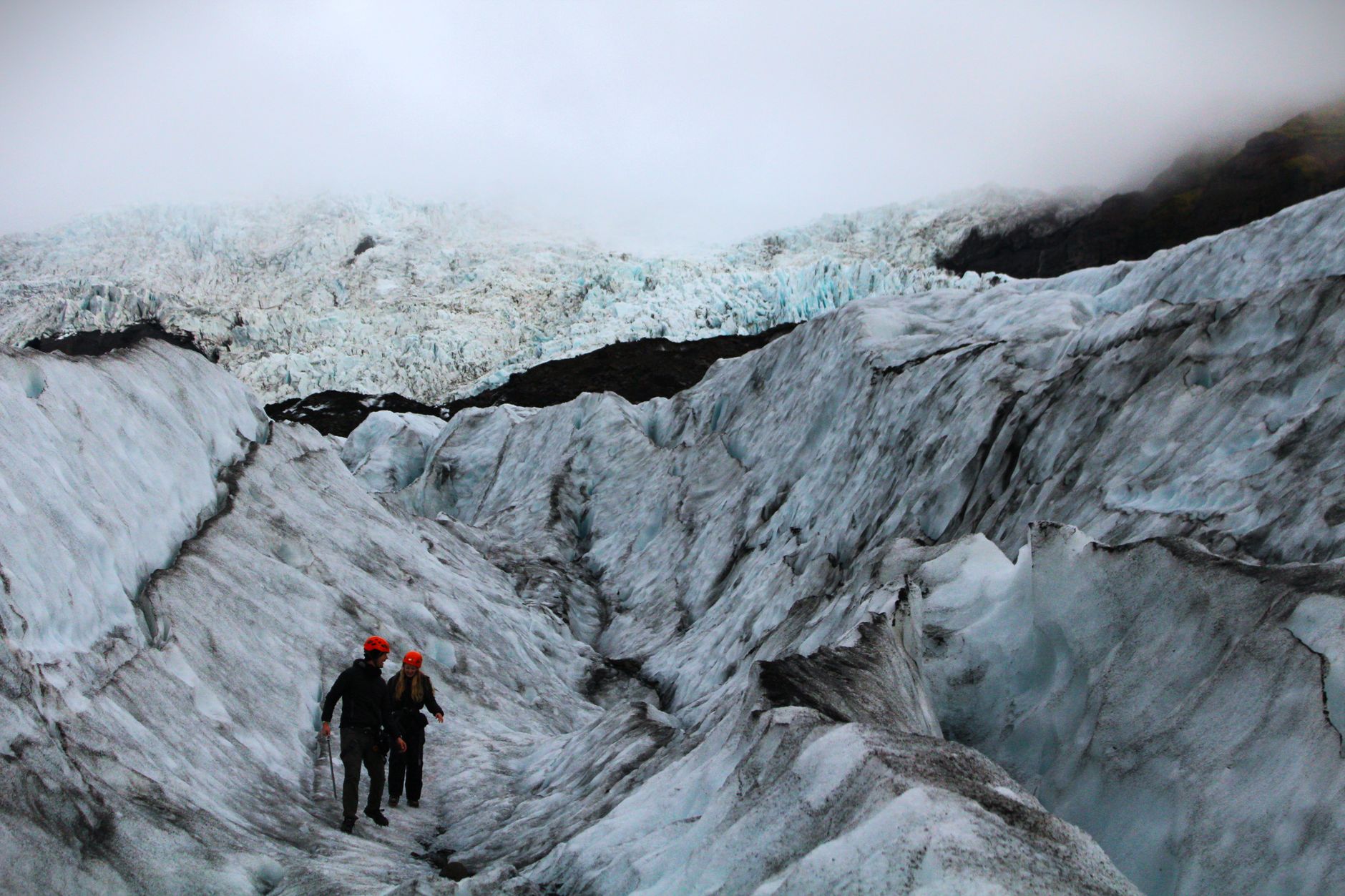
The wind whipped around me, biting at my exposed cheeks, but I barely noticed. My eyes were fixed on the surreal landscape before me – a vast, undulating expanse of electric blue and pristine white, stretching as far as the eye could see. Below my feet, the ice crunched rhythmically with each step, a sound both ancient and exhilarating. And on my feet? My trusty, well-worn hiking sneakers.
Yes, you read that right. Sneakers.
For years, I’d harbored a secret desire to walk on a glacier. But every image I saw, every story I read, painted a picture of extreme mountaineering: heavy-duty ice axes, specialized boots, crampons that looked like medieval torture devices, and a level of physical prowess I frankly didn't possess. It felt like an exclusive club, reserved for seasoned adventurers with deep pockets and even deeper reservoirs of bravery. My dream, I thought, would forever remain just that – a frosty, unattainable fantasy.
Then, everything changed.
During a trip to Iceland, a casual conversation with a fellow traveler led me down a path I never expected. "You can totally do a glacier walk," she said, mid-bite of a hot dog. "They give you all the gear, and as long as you have sturdy shoes, you're good to go." My jaw, I'm pretty sure, hit the floor of that food truck. Could it be true? Could I, the person whose idea of "extreme" was a particularly long Netflix binge, actually walk on a glacier?
Spoiler alert: I did. And it wasn't just a walk; it was a revelation. It redefined what I thought was possible, ignited a new spark for adventure, and proved that some of the most profound travel experiences are far more accessible than the intimidating Instagram posts might suggest. This isn't about scaling Everest in flip-flops; it's about breaking down the mental barriers and discovering that the majestic world of glaciers welcomes even the most casual explorer, provided they come prepared with sturdy footwear and an open mind.
The Great Glacier Myth Debunked: Why You Don't Need Mountaineering Boots
Let's clear the air right away. When I say "sneakers," I'm not talking about your fashion-forward canvas kicks or those flimsy mesh trainers you wear to the gym. I'm talking about sturdy hiking sneakers or robust trail shoes – the kind with good ankle support, a thick sole, and decent grip. Think Salomon, Merrell, Keen, or even a solid pair of waterproof walking shoes. These are the shoes that become your base for the adventure.
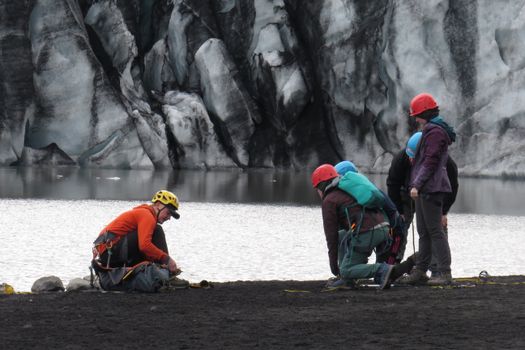
The crucial part? Reputable glacier tour operators provide the specialized equipment you do need: primarily crampons (metal spikes that attach to your shoes for traction on ice) and often an ice axe for balance and stability. They fit these crampons directly over your sturdy sneakers. This means you don't need to invest hundreds in specialized mountaineering boots that you'll likely only wear once. You just need to show up with your comfortable, supportive walking shoes.
This was the "aha!" moment for me. The mental image of needing full mountaineering gear was completely shattered. It was like realizing you could attend a black-tie event wearing your favorite comfortable dress shoes, as long as you accessorized with the right, provided, sparkly earrings. It made a previously daunting activity feel suddenly, wonderfully achievable.
My Top Picks: Accessible Glacier Walks That Welcome Your Sturdy Shoes
While the principles of accessible glacier walking apply globally, some locations are particularly renowned for their beginner-friendly, "sneaker-compatible" tours. Here are a few that truly captured my heart (and my sturdy shoes):
1. Iceland: Sólheimajökull Glacier – The Ultimate Entry Point
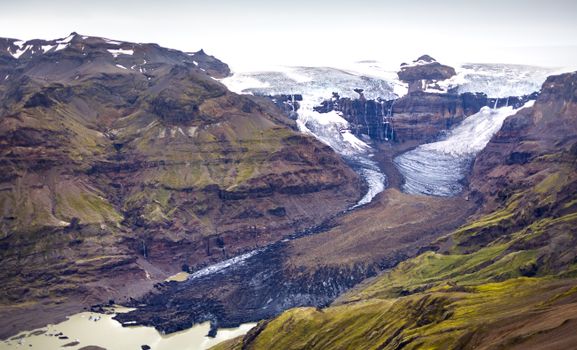
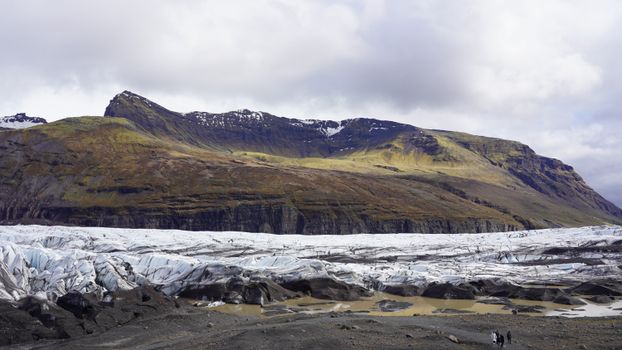
My first life-changing glacier walk happened on Sólheimajökull, an outlet glacier of the mighty Mýrdalsjökull ice cap in Southern Iceland. It's incredibly accessible, just a 2-hour drive from Reykjavik, making it a popular choice for day trips.
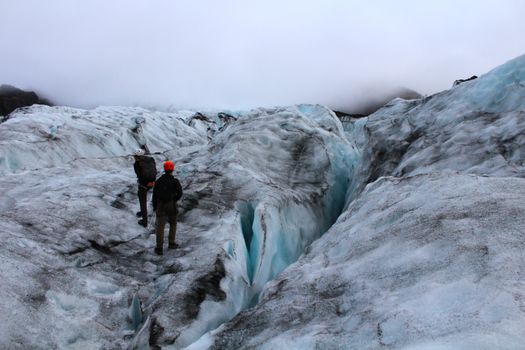
- The Experience: We met our guide, a jovial Icelander named Bjorn, at the car park. He handed out harnesses, helmets, ice axes, and, most importantly, the crampons. He patiently showed us how to fit the crampons over our hiking sneakers – a surprisingly simple process. Stepping onto the ice for the first time was surreal. The glacier was a living, breathing entity, with fissures, moulins (meltwater channels), and stunning blue ice formations. Bjorn guided us safely, pointing out geological features and sharing tales of the glacier's ever-changing landscape. We spent about 2.5-3 hours on the ice, exploring a relatively flat, safe section.
- Why it's "Sneaker-Friendly": The terrain on these tours is generally not steep or technically challenging. The focus is on experiencing the ice, learning about glaciers, and enjoying the incredible views. Your sturdy shoes provide the necessary comfort and support, while the provided crampons give you all the traction you need.
- Practical Details:
- Cost: Expect to pay around ISK 10,000 - 15,000 (approx. $75-$110 USD) for a 2-3 hour guided walk. Prices can vary by operator.
- Tour Operators: Reputable companies like Arctic Adventures, Glacier Guides, and Troll Expeditions offer daily tours. Booking in advance, especially during peak season, is highly recommended.
- Getting There: Self-drive or join a guided bus tour from Reykjavik.
2. New Zealand: Fox and Franz Josef Glaciers – Valley Walks & Viewpoints (with a caveat!)
New Zealand's South Island is famous for its dynamic Fox and Franz Josef Glaciers. While direct on-ice walks often require helicopter access (and thus more specialized gear and higher costs), there are fantastic accessible options that allow you to get incredibly close, feel the glacier's presence, and appreciate its scale – some of which can be done in sturdy sneakers for the approach.
- The Experience: While I haven't done an on-ice walk in NZ with sneakers, I did several valley walks and viewpoint hikes that were truly breathtaking. The Franz Josef Glacier walk to the terminal face viewpoint (about 1.5 hours return) is a prime example. The path is well-maintained, gravel, and offers increasingly spectacular views of the glacier. You're not on the ice, but you're so close you can hear it groan and calve. For a more immersive experience, some operators offer guided walks to the terminal face where you might get onto some moraine or very edge ice, for which sturdy shoes and provided microspikes would be perfect.
- Why it's "Sneaker-Friendly": The well-maintained valley tracks and viewpoint trails are perfect for sturdy hiking sneakers. For any edge-of-ice experiences, the same principle applies: your shoes provide the base, and the tour operator provides the traction.
- Practical Details:
- Cost: Valley walks are free. Guided walks to the terminal face or short ice walks (if available) would be around NZD 80-150 (approx. $50-$95 USD). Helicopter-accessed ice walks are significantly more expensive (NZD 400+).
- Tour Operators: Fox Glacier Guiding and Franz Josef Glacier Guides are the main operators. Check their specific tour descriptions for "easy" or "introductory" options.
- Getting There: Both glaciers are located on the West Coast of the South Island, accessible by car.
3. Patagonia, Argentina: Perito Moreno Glacier – Boardwalks & Mini-Trekking (Partial Sneaker-Friendly)
The Perito Moreno Glacier in Los Glaciares National Park is a UNESCO World Heritage site and an absolute must-see. While the famous "mini-trekking" tours do require specialized boots (provided by the operator), the extensive network of boardwalks offers an unparalleled, jaw-dropping experience that is entirely "sneaker-friendly" and truly immersive.
- The Experience: Imagine standing on a series of strategically placed platforms, just meters away from a towering wall of ice that's constantly calving and rumbling. The sheer scale and power of Perito Moreno are astounding. You spend hours walking the boardwalks, each turn offering a new, magnificent perspective. While you're not on the glacier, you feel completely enveloped by its presence. For those who want more, the mini-trekking tours do walk on the glacier for about 1.5 hours. For these, the tour operator provides the heavy boots and crampons, but you arrive in your sturdy sneakers for the boat ride and approach.
- Why it's "Sneaker-Friendly": The boardwalks are perfectly safe and accessible for any sturdy walking shoe. For the mini-trekking, your sneakers are what you wear to the experience, and then you switch to provided gear for the ice walk. This distinction is important for managing expectations.
- Practical Details:
- Cost: National Park entrance fee (approx. ARS 25,000 for foreigners, ~$25 USD, subject to change). Mini-trekking tours cost around ARS 100,000 - 150,000 (approx. $100-$150 USD), excluding park entrance.
- Tour Operators: Hielo y Aventura is the exclusive operator for mini-trekking. Buses to the boardwalks run frequently from El Calafate.
- Getting There: Fly to El Calafate (FTE), then take a bus or tour to the glacier (approx. 1.5-hour drive).
What to Expect & Essential Gear (Beyond Your Sturdy Sneakers)
So, you've got your "sneakers" sorted. What else do you need for a comfortable and safe glacier walk?
- Layers, Layers, Layers: The weather on a glacier can change in an instant. Think a moisture-wicking base layer, a warm fleece or down mid-layer, and a waterproof and windproof outer shell (jacket and pants). You'll be surprised how warm you get hiking, but the wind can be brutal.
- Gloves & Hat: Essential for keeping warm, even on a sunny day.
- Sunglasses & Sunscreen: The sun reflecting off the ice is incredibly intense, even on cloudy days. Protect your eyes and skin.
- Small Backpack: For water, snacks, extra layers, and your camera.
- Water Bottle: Stay hydrated!
- Camera/Phone: You'll want to capture every stunning moment. Ensure it's secure.
- Positive Attitude & Sense of Adventure: Most important of all!
Your tour operator will provide the specialized safety equipment:
- Crampons: Metal spikes that strap onto your shoes for traction.
- Ice Axe: For balance and stability (you won't be using it like a mountaineer, more like a walking stick).
- Helmet: For head protection.
- Harness: For certain tours or if you're venturing near crevasses (though beginner tours usually stick to safer, flatter areas).
Safety First: Choosing a Reputable Tour Operator
This is non-negotiable. Walking on a glacier is an incredible experience, but it's also walking on a dynamic, potentially dangerous natural formation. Never attempt to walk on a glacier unguided. Crevasses, hidden ice bridges, and unstable ice can pose serious risks.
When choosing a tour operator:
- Check Reviews: Look for companies with excellent safety records and positive feedback on platforms like TripAdvisor.
- Certifications: Ensure guides are certified in glacier safety and first aid.
- Small Group Sizes: Smaller groups generally mean more personalized attention and a safer experience.
- Equipment Quality: A good operator will provide well-maintained, high-quality safety gear.
- Ask Questions: Don't hesitate to inquire about their safety protocols, guide-to-client ratio, and what to expect.
A professional guide doesn't just keep you safe; they enhance your experience, sharing their knowledge of glaciology, local history, and the unique ecosystem of the ice. They are the key to unlocking this incredible world responsibly.
The Transformative Power of Ice: Why This Changed My Life Forever
Stepping onto that glacier in Iceland wasn't just a walk; it was a profound connection to something ancient and powerful. The sheer scale of the ice, the vibrant blues hidden beneath the surface, the sound of meltwater trickling into unseen depths – it was humbling. It made me feel incredibly small, yet simultaneously part of something vast and eternal.
It wasn't just the physical beauty; it was the mental shift. I had overcome a self-imposed barrier, a belief that certain adventures were "not for me." That day, on the Sólheimajökull glacier, I realized that many of the limitations we place on ourselves are just myths waiting to be debunked. It instilled a new confidence, a willingness to try things that seemed daunting, and a deeper appreciation for the raw, untamed beauty of our planet.
This experience wasn't just Instagram-worthy (though it absolutely was – cue the vibrant blue ice photos!), it was soul-worthy. It stripped away the superficial and left me with a sense of wonder and accomplishment.
Budgeting & Planning Your Glacier Adventure
While accessible, glacier walks aren't always the cheapest activity, but they are absolutely worth the investment.
- Book in Advance: Especially for popular destinations like Iceland or Patagonia, tours can sell out, particularly during peak season.
- Consider Off-Peak: Traveling during shoulder seasons (spring or fall) can sometimes offer slightly lower prices and fewer crowds.
- Package Deals: Some tour companies offer multi-activity packages that might include a glacier walk, saving you a bit of money.
- Transportation: Factor in the cost of getting to the glacier (rental car, bus, or tour transport).
- Accommodation: Depending on the location, staying nearby can make early morning starts easier.
My advice? Prioritize this experience. Cut back on a few fancy dinners or souvenirs if you need to. The memories and the feeling of walking on ancient ice will far outlast any material possession.
Your Ice Adventure Awaits
So, if you've ever dreamt of walking on a glacier but thought it was beyond your reach, I'm here to tell you: it's not. With your trusty, sturdy sneakers, a reputable guide, and an open heart, you can step into a world of unparalleled beauty and profound wonder.
Don't let perceived limitations hold you back from one of the most incredible experiences travel has to offer. Lace up those sneakers, book that tour, and prepare for a life-changing journey onto the ice.
Have you walked on a glacier? Share your stories and tips in the comments below! What's an adventure you thought was out of reach, but proved to be surprisingly accessible?
---