From Winter-Wary to Winter-Warrior: How a Single Weekend on the Snow Changed My Life Forever
Let’s be honest, for years, my relationship with winter was… complicated. It wasn't love; it was more like a grudging truce. I admired the snow from afar, bundled up inside, scrolling through endless summer vacation photos, dreaming of warmer climes. Winter, to me, meant shivering, slush, and a general slowing down of life. Ski resorts seemed like exclusive playgrounds for the impossibly athletic, and the idea of "learning winter sports" felt as daunting as climbing Everest in flip-flops.
Then came the weekend.
It started with a ridiculously cheap flight deal to Denver, a last-minute decision, and a friend's casual dare: "Why don't you actually do something in the snow this time?" My initial reaction was a scoff, followed by a hesitant "What's the worst that could happen?" Little did I know, that question would kickstart an adventure that didn't just teach me new skills, but fundamentally reshaped my perspective on winter, on challenges, and on myself.
I didn't just learn one winter sport that weekend; I dipped my toes (and often, my entire body) into three: the exhilarating rush of snowboarding, the peaceful rhythm of cross-country skiing, and the simple joy of snowshoeing. And let me tell you, if I, a self-proclaimed winter-phobe, can do it, anyone can. This isn't just a travel story; it's a testament to the transformative power of stepping outside your comfort zone, even if it's just for 48 hours. Get ready, because I'm about to spill all my secrets on how you can have your own life-changing winter weekend.
The "Why": Beyond the Chill – More Than Just a Sport
Before we dive into the how-to, let's talk about the why. Why bother learning a winter sport? Beyond the obvious physical benefits – a fantastic full-body workout – there’s a profound mental and emotional payoff.
For me, it was about conquering a fear. The fear of falling, of looking foolish, of being cold, of not being "good enough." Every tumble was a lesson, every successful turn a surge of confidence. There’s something incredibly empowering about facing a challenge head-on and realizing you’re capable of more than you ever imagined.
Then there’s the connection with nature. When you’re gliding through a silent, snow-covered forest on cross-country skis, or carving down a pristine slope, you're fully immersed. The crisp air, the glistening snow, the majestic mountains – it's a sensory feast that grounds you and makes you feel truly alive. It's a powerful antidote to screen fatigue and urban stress.
Finally, it’s about finding joy in the present moment. Winter sports demand your full attention, pulling you away from worries and distractions. You enter a "flow state" where time seems to disappear, replaced by pure, exhilarating focus. It's a form of active meditation that leaves you refreshed and invigorated. This weekend wasn't just about learning to snowboard; it was about learning to embrace the chill, find my balance, and discover a whole new side of myself.
Adrenaline Rush & Awesome Falls: Conquering the Slopes on a Snowboard
My first foray into a "serious" winter sport was snowboarding. I chose it over skiing because, frankly, I thought it looked cooler, and I’d heard the initial learning curve was steep but rewarding. Oh, was it steep!
My First Day: Keystone Resort, Colorado
I booked a beginner package at Keystone Resort, Colorado, renowned for its excellent ski and ride school and gentle learning areas. My package included a lift ticket for the beginner "magic carpet" and "A51" lift, a full day's equipment rental (board, boots, helmet), and a 2-hour group lesson. Total cost: around $280 for the day. I made sure to book everything weeks in advance, especially for a weekend trip.
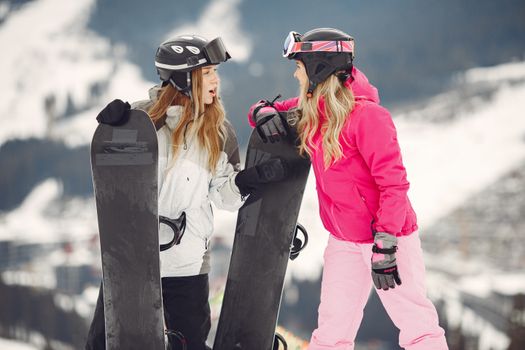
My instructor, a perpetually cheerful guy named Dave, looked at our motley crew of nervous beginners and declared, "Today, you will fall. A lot. And that's perfectly okay!" This immediately put me at ease. We started on the flat "learning carpet" area, practicing strapping in, standing up, and finding our balance. My first attempts at standing felt like I was trying to balance on a greased plank while wearing concrete boots. I fell backward, forward, sideways – you name it. But Dave's encouragement, and the shared camaraderie of fellow beginners, made every fall a little less embarrassing.
The breakthrough came when we learned the "falling leaf" technique – sliding down the slope on your heel edge, then toe edge, turning slightly to control speed. The first time I successfully linked a few turns, albeit clumsy ones, I felt an electrifying rush of accomplishment. By the end of the day, I was slowly, cautiously, making my way down the gentle green runs, falling less often and grinning more widely with each descent. My legs were screaming, but my spirit was soaring.
Practical Tips for First-Time Snowboarders (or Skiers):
- Invest in a Lesson: This is non-negotiable. A good instructor will teach you proper technique, prevent bad habits, and build your confidence safely. Group lessons are more affordable and fun.
- Choose a Beginner-Friendly Resort: Look for resorts with dedicated learning areas, gentle slopes (green runs), and good ski schools. Keystone, Park City (Utah), and Smugglers' Notch (Vermont) are excellent choices.
- Rent, Don't Buy (Yet!): Rent your equipment from the resort or a local shop. They'll ensure you have the right size board/skis, boots, and helmet. Helmets are essential – wear one!
- Dress in Layers: Wear moisture-wicking base layers, an insulating mid-layer (fleece), and a waterproof/windproof outer shell. Waterproof pants and jacket are a must. Don't forget waterproof gloves, warm socks (one thin pair is better than thick ones), and goggles/sunglasses.
- Embrace the Fall: Seriously. You will fall. It’s part of the learning process. Learn how to fall safely (tuck and roll), and don't let it discourage you.
- Stay Hydrated and Fuelled: Drink plenty of water and bring snacks. You'll be burning a lot of calories!
- Patience is Key: Don't expect to be a pro by the end of the day. Celebrate small victories and focus on enjoying the process.
Cost Estimate for a Weekend of Snowboarding (example):
- 1-Day Beginner Package (lift, rental, lesson): $250-350 (varies by resort and time of year)
- Additional Lift Ticket (Day 2, if you feel confident): $150-250
- Accommodation: $150-300/night (off-peak, shared)
- Food: $50-100/day
- Total Weekend Estimate: $700-1200+ (can be reduced by carpooling, bringing own food, staying further from resort)
Silent Glides: The Zen of Cross-Country Skiing
After the exhilarating chaos of snowboarding, I craved something a little different for my second day – something more serene, yet still active. That's where cross-country skiing came in. It's often overlooked, but it's an incredible way to experience the winter landscape and get an amazing workout.
My Second Day: Breckenridge Nordic Center, Colorado
Just a short drive from Keystone, the Breckenridge Nordic Center offers miles of groomed trails suitable for all levels. I rented a full cross-country ski setup (skis, boots, poles) for about $45 and purchased a trail pass for $25. No expensive lift tickets, no crowds, just pure, quiet nature.
The initial feeling was awkward – long, skinny skis and boots that only attach at the toe. It felt like walking on stilts at first. But a quick 30-minute introductory lesson (often free or very cheap at Nordic centers) taught me the basic "diagonal stride" and how to glide. It's essentially an exaggerated walking motion on skis.
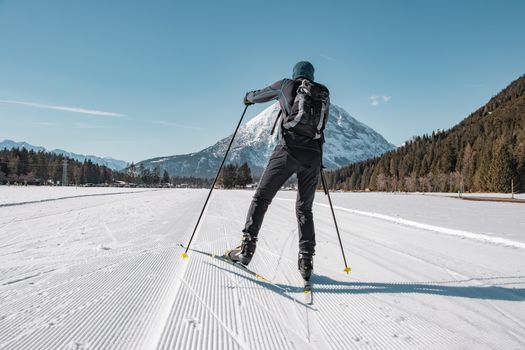
Once I got the hang of the rhythm, it was pure bliss. I glided through snow-covered pine forests, the only sounds being the swish of my skis and the occasional bird call. The effort was constant but meditative, a rhythmic push and glide that worked every muscle in my body. It felt like I was floating, exploring parts of the winter wonderland that were inaccessible to downhill skiers. I covered about 5 miles that afternoon, feeling both exhausted and incredibly rejuvenated.
Practical Tips for First-Time Cross-Country Skiers:
- Start on Groomed Trails: Nordic centers or state parks with groomed trails are ideal. They offer smooth surfaces and often have different loops for various skill levels.
- Rent Your Gear: Cross-country skis are lighter and thinner than downhill skis. Rentals are affordable and readily available at Nordic centers.
- Take a Mini-Lesson: Even 15-30 minutes with an instructor can make a huge difference in learning the basic stride and turns.
- Dress Lightly: You'll warm up quickly! Layers are still key, but opt for lighter, more breathable fabrics than for downhill.
- Embrace the Scenery: Cross-country skiing is as much about the journey and the beautiful surroundings as it is about the sport itself. Bring a small backpack with water and a snack.
- It's a Full-Body Workout: Be prepared for a great cardio and strength workout. Your arms, legs, and core will all be engaged.
Cost Estimate for a Weekend of Cross-Country Skiing:
- Equipment Rental: $30-50/day
- Trail Pass: $10-25/day (many state/national parks are free)
- Mini-Lesson: $0-50
- Total Weekend Estimate: $80-200 (very budget-friendly!)
Winter Wonderland Wander: Accessible Snowshoeing
For my last few hours before heading to the airport, I wanted something easy, reflective, and purely about soaking in the beauty. Snowshoeing was the perfect choice. It requires virtually no skill, just the ability to walk.
My Final Hours: Rocky Mountain National Park (near Estes Park, CO)
I picked up a pair of snowshoes and poles from a local outdoor shop for a mere $25 rental for the half-day. Then, I headed to a designated snowshoe trail in Rocky Mountain National Park. While entry to the park has a fee ($30 per vehicle for a 7-day pass), the trails themselves are free to use once inside.
Strapping on snowshoes is simple: just attach them over your regular waterproof hiking boots. Poles help with balance, especially on uneven terrain or slight inclines. I chose a relatively flat, well-marked trail that wound through a silent, snow-laden forest.
The feeling was magical. With each step, the snowshoes kept me from sinking deep into the powder, allowing me to "float" on top. The world was hushed, blanketed in white, and incredibly peaceful. I saw animal tracks, admired snow-dusted evergreens, and took countless photos that truly felt Instagram-worthy. It was the perfect way to wind down a weekend of adrenaline and effort, connecting with the quiet majesty of winter.
Practical Tips for First-Time Snowshoers:
- If You Can Walk, You Can Snowshoe: Seriously, it's that simple. No special skills required.
- Rent Your Gear: Snowshoe rentals are cheap and available at most outdoor gear stores, ski resorts, or even some hotel front desks in snowy areas.
- Wear Waterproof Hiking Boots: Your regular boots will work perfectly with snowshoes. Gaiters (fabric covers that go over your boots and lower pant legs) are great for keeping snow out.
- Dress in Layers: You'll warm up quickly, so dress as if you're going for a brisk hike.
- Choose Your Trail Wisely: Start with flat, well-packed trails. Many parks or resorts offer designated snowshoe trails. Check conditions beforehand.
- Bring Water and Snacks: Even though it's walking, you'll still be exerting yourself.
- Enjoy the Serenity: Snowshoeing is about immersing yourself in the quiet beauty of a winter landscape. It's a fantastic activity for all ages and fitness levels.
Cost Estimate for a Weekend of Snowshoeing:
- Equipment Rental: $20-35/day
- Park Entry Fee (if applicable): $0-30
- Total Weekend Estimate: $20-65 (incredibly accessible!)
Your Weekend Winter Transformation Playbook: Get Ready to Shred!
Inspired yet? Here’s your actionable guide to planning your own life-changing winter weekend:
- Physical Preparation (Optional, but Recommended): You don't need to be an athlete, but some basic fitness helps. A few weeks of squats, lunges, and core exercises will make a huge difference in your strength and endurance, especially for snowboarding or skiing.
- Mental Preparation: Embrace the Learning Curve! Go in with an open mind, a sense of humor, and a willingness to fall. Focus on the experience, not perfection. Celebrate every small victory.
- Book Ahead: Especially for weekend trips, lessons, rentals, and accommodations can book up quickly. Secure your spot well in advance. Look for beginner packages that bundle lift tickets, rentals, and lessons for the best value.
- What to Pack (The Essentials):
- Base Layers: Moisture-wicking tops and bottoms (merino wool or synthetic).
- Mid-Layers: Fleece or down jacket for insulation.
- Outer Shell: Waterproof and windproof jacket and pants.
- Headwear: Helmet (rent or buy), warm beanie.
- Handwear: Waterproof gloves or mittens.
- Footwear: One pair of thin, warm, moisture-wicking ski/snowboard socks (avoid cotton!). Waterproof hiking boots for snowshoeing.
- Eyewear: Goggles (for snow sports) and sunglasses (for sunny days).
- Sun Protection: Sunscreen and lip balm (snow glare is intense!).
- Extras: Small backpack, water bottle, high-energy snacks, camera/phone for epic shots!
- Budget Smart:
- Go Off-Peak: If possible, consider a weekday trip for fewer crowds and potentially lower prices.
- Group Lessons: More affordable than private lessons.
- Bring Your Own Food: Resort food can be pricey. Pack sandwiches, snacks, and drinks.
- Consider Smaller Resorts: Often more budget-friendly and less intimidating for beginners.
- Carpool: Split gas and accommodation costs with friends.
- Safety First: Always wear a helmet for downhill sports. Understand the resort's safety rules and trail signs. Know your limits and don't push yourself beyond them, especially as a beginner. Check weather and snow conditions before you go.
Beyond the Weekend: Keeping the Stoke Alive
That single weekend transformed my relationship with winter. What started as a daring experiment became a lifelong passion. I now eagerly anticipate the first snowfall, planning trips to new resorts, exploring more Nordic trails, and introducing friends to the joy of snowshoeing. My confidence grew not just on the slopes, but in all areas of my life. I learned that trying something new, even if it's uncomfortable at first, can unlock incredible personal growth and open doors to adventures you never thought possible.
The "life-changing" part wasn't just about learning to snowboard; it was about realizing that I was capable of so much more than I gave myself credit for. It was about finding immense joy in a season I once dreaded. It was about discovering the magic of winter, up close and personal.
Now, it's your turn.
Don't let another winter pass you by, confined to the indoors. The snow-covered mountains, the silent forests, the exhilarating slopes – they're all waiting for you. You don't need to be an expert; you just need to be willing to try.
---
What winter sport will you conquer this weekend? Share your thoughts and first-time experiences in the comments below! Let's inspire each other to embrace the chill!
---