The crisp mountain air bites at your cheeks, a flurry of snowflakes dances around you, and the world is transformed into a glistening, silent wonderland. For years, I watched from afar, admiring the graceful skiers carving down slopes or the intrepid snowshoers disappearing into frosted forests. I told myself, "That's for the pros," or "I don't have weeks to learn." But oh, how wrong I was!
My own winter sports journey began with a rather spectacular, face-first tumble into a snowdrift during a "learn to ski" weekend. It was messy, it was hilarious, and it was the moment I realized that embracing the cold didn't have to be intimidating. It could be invigorating, incredibly rewarding, and surprisingly accessible. You don't need a month-long sabbatical or a trust fund to become proficient enough to truly enjoy a winter sport. All you need is a weekend, a dash of courage, and this guide from your friends at Tripsora.
Forget those "before you die" lists filled with impossible feats. We're talking about genuine, thrilling winter sports that you can get a handle on in just two glorious days. These aren't just activities; they're doorways to new landscapes, new challenges, and a whole new appreciation for the snowy season. So, grab your warmest layers, and let's dive into the exhilarating world of winter sports you can learn in a weekend.
1. Downhill Skiing: The Classic Alpine Rush
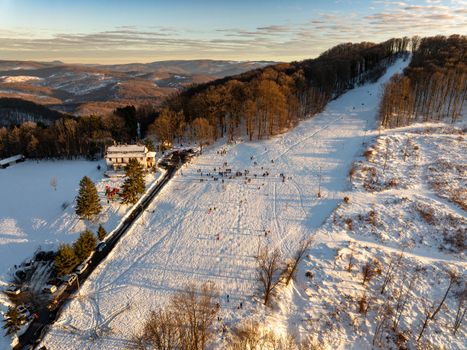
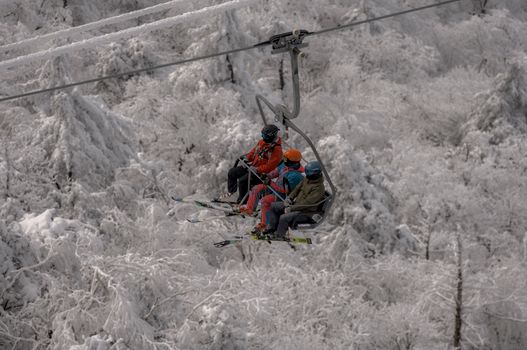
There’s a reason why downhill skiing is synonymous with winter adventure. The feeling of gliding down a pristine slope, the wind in your hair, the stunning mountain vistas – it’s pure magic. And guess what? You absolutely can get the basics down in a weekend.
My First Run (and Fall!): I vividly remember my first ski lesson at a small resort in Vermont. I was convinced I'd be a natural. Spoiler alert: I was not. The first hour felt like trying to walk in clown shoes on ice, with long planks attached to my feet. My instructor, a patient soul named Mark, had me practicing the "pizza" (snowplow) and "french fry" (parallel) on a flat nursery slope. After countless wobbles and one memorable face-plant where my goggles filled with snow, something clicked. By the end of Saturday, I was making tentative turns on the bunny hill. By Sunday afternoon, I was confidently (if slowly) navigating a short green run, feeling like a total champion. The sense of accomplishment was immense!
Why It's Weekend-Learnable: Resorts are designed for beginners. They have dedicated learning areas, magic carpets (conveyor belt lifts for beginners), and highly trained instructors. The fundamental movements – stopping (pizza!), turning, and maintaining balance – are taught systematically. Muscle memory builds quickly, and by the end of day two, you'll be linking turns and feeling the flow.
Practical Tips for New Skiers:
- Take a Lesson (Seriously!): Group lessons are cost-effective and social, while private lessons offer personalized attention. Even a half-day lesson on Saturday morning will set you up for success. Expect to pay around $100-$200 for a group lesson, often bundled with a beginner lift ticket and rentals.
- Rent Your Gear: Don't buy anything until you know you love it. Most resorts offer ski, boot, and pole rentals for around $40-$70 per day. They'll fit you properly.
- Start Small: Stick to the bunny slopes and green runs. There's no shame in mastering the basics before tackling steeper terrain.
- Layer Up: Wear moisture-wicking base layers, an insulating mid-layer, and a waterproof/windproof outer shell. Don't forget waterproof gloves, a warm hat, and ski goggles (essential for vision and sun protection).
- Helmet is a Must: Many resorts include helmets with rentals, but if not, rent one. Safety first!
Where to Learn (Examples):
- East Coast USA: Killington, VT (great beginner areas like Snowshed), Hunter Mountain, NY (dedicated learning zones).
- West Coast USA: Park City Mountain Resort, UT (wide, gentle slopes for beginners), Heavenly, CA (stunning views, good learning zones).
- Europe: Les Gets, France (charming village, excellent beginner slopes), Saalbach-Hinterglemm, Austria (wide, gentle blue runs).
Cost Estimate (Weekend): $300-$600 (includes 2 days of rentals, 1-2 group lessons, 2 beginner lift tickets). Accommodation extra.
Instagram-Worthy Moment: Your first successful "pizza" stop at the bottom of the bunny hill, beaming with pride, or a selfie with your instructor after conquering your first green run!
2. Snowboarding: Carving Your Own Path
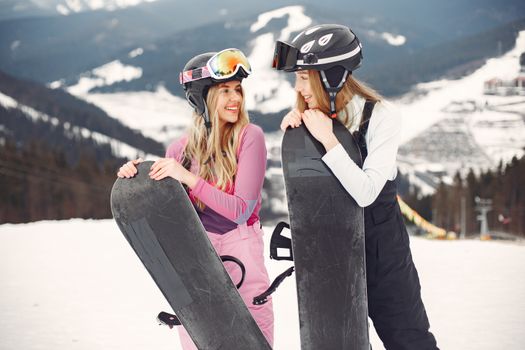
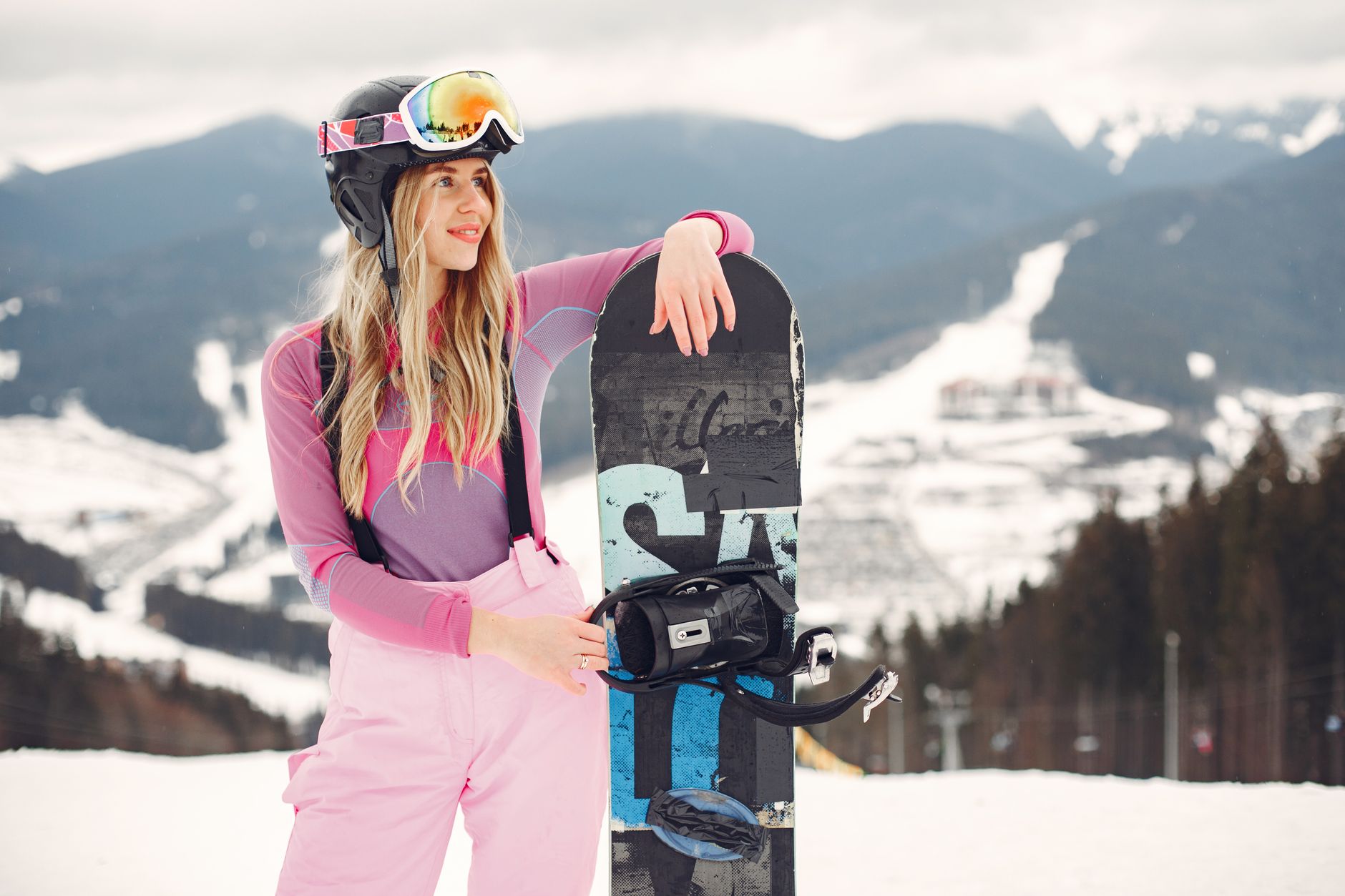
If skiing feels a bit too traditional, snowboarding offers a different kind of cool. It’s all about balance, flow, and a distinctly laid-back vibe. While the initial learning curve can feel steeper (expect more falls!), once you "get it," the feeling of carving through powder is absolutely addictive.
My Snowboard Switch: After a few ski trips, I saw my friends effortlessly gliding on their snowboards and decided to give it a try. My first day was a blur of falling on my butt (thank goodness for padded shorts!) and trying to master the "falling leaf" technique. It felt completely alien, like my feet were tied together. But by the end of Saturday, I could link a few heel-edge turns. Sunday was a revelation. Suddenly, I wasn't just surviving; I was moving. The feeling of linking toe-edge and heel-edge turns, a graceful S-shape in the snow, was incredibly empowering.
Why It's Weekend-Learnable: Similar to skiing, resorts offer fantastic beginner programs. Snowboarding focuses on a single stance and mastering edge control. While you might spend more time on your backside initially, the progression can be rapid once you understand how to shift your weight and use the board's edges.
Practical Tips for New Snowboarders:
- Get a Lesson: Crucial for correct technique and avoiding bad habits. Group lessons are great; private lessons can really accelerate your progress.
- Rent Beginner-Friendly Gear: Boards designed for beginners are softer and more forgiving. Get comfortable boots that fit snugly.
- Wrist Guards & Padded Shorts: Your wrists and tailbone will thank you. Seriously. These are lifesavers during the inevitable falls.
- Learn to Fall: It sounds counterintuitive, but learning to fall safely (rolling with the impact, not bracing) is key to building confidence.
- Master the "Falling Leaf": This basic technique (sliding down the hill on one edge) will build your confidence and control before you start turning.
- Consider "Goofy" vs. "Regular": Your instructor will help you figure out which foot you prefer forward (regular: left foot forward; goofy: right foot forward).
Where to Learn (Examples):
- USA: Mammoth Mountain, CA (wide open spaces), Breckenridge, CO (dedicated learning zones), Brighton, UT (known for its relaxed atmosphere and great snow).
- Canada: Whistler Blackcomb, BC (huge resort, excellent instructors), Blue Mountain, ON (accessible, good beginner programs).
- Japan: Niseko, Hokkaido (famous for powder, but also has great beginner areas).
Cost Estimate (Weekend): $300-$600 (similar to skiing, includes 2 days of rentals, 1-2 group lessons, 2 beginner lift tickets). Accommodation extra.
Instagram-Worthy Moment: A cool shot of you sitting on your board, looking out over the mountain, or a video of your first successful S-turn!
3. Cross-Country Skiing: Serenity in Motion
If the idea of crowded slopes and high-speed descents isn't your jam, cross-country (or Nordic) skiing offers a completely different, yet equally rewarding, winter experience. It's an incredible full-body workout that allows you to explore tranquil, snow-covered landscapes at your own pace.
My Forest Retreat: My first time cross-country skiing was a revelation. After the hustle and bustle of downhill resorts, strapping on those long, skinny skis and gliding into a silent, snow-laden forest felt like stepping into a different world. I was at a Nordic center in Maine, and the trails wound through pines heavy with snow. It wasn't about speed; it was about rhythm – kick, glide, kick, glide. I wasn't very good initially, often getting my skis crossed or losing my balance on gentle inclines, but the sheer peace and beauty of my surroundings made every stumble worth it. By Sunday, I was flowing through the trails, feeling completely connected to nature.
Why It's Weekend-Learnable: Cross-country skiing is essentially an elevated form of walking on snow. The technique involves a "kick and glide" motion, which most people can pick up quickly, especially on flat or gently rolling terrain. There's no steep learning curve for complex turns or high speeds, making it perfect for a weekend introduction.
Practical Tips for New Cross-Country Skiers:
- Start with Classic Style: This is the most common and easiest to learn, mimicking a natural walking motion. Skate skiing is more advanced.
- Waxless Skis are Your Friend: Most rental skis are "waxless" (with a fish-scale pattern underfoot), meaning you don't need to worry about applying grip wax.
- Get a Short Lesson: While you can self-teach, a 1-2 hour lesson will teach you proper technique for gliding, stopping, and handling small hills, saving you a lot of frustration. Expect to pay $50-$100 for a group lesson.
- Dress in Layers (Again!): You'll generate a lot of body heat, so avoid heavy jackets. Breathable, moisture-wicking layers are key.
- Choose Groomed Trails: Nordic centers offer beautifully groomed trails, making learning much easier and more enjoyable.
- Poles are for Balance & Propulsion: Don't lean on them too heavily; they assist your glide.
Where to Learn (Examples):
- USA: Craftsbury Outdoor Center, VT (world-class Nordic center), Methow Valley, WA (largest trail system in North America), Yellowstone National Park, MT (truly epic scenery).
- Canada: Gatineau Park, QC (extensive trail network near Ottawa), Canmore Nordic Centre, AB (Olympic legacy venue).
- Scandinavia: Lillehammer, Norway (host of the Winter Olympics, incredible trails), anywhere in Finland!
Cost Estimate (Weekend): $100-$250 (includes 2 days of rentals, 1-2 trail passes, optional lesson). Much more affordable than downhill.
Instagram-Worthy Moment: A serene shot of you gliding through a snow-covered forest, steam rising from your breath, or a panoramic view from a scenic overlook on the trail.
4. Snowshoeing: Winter Hiking, Elevated
If you can walk, you can snowshoe. It's that simple. Snowshoeing is arguably the most accessible winter sport, requiring minimal technique but offering maximum reward in terms of exploring untouched winter wilderness. It's essentially hiking with larger "feet" that prevent you from sinking into deep snow.
My First Untouched Powder: My first snowshoeing experience was in a national forest in Colorado. We rented snowshoes for about $20 a day, strapped them on, and within minutes, we were crunching through fresh powder, leaving the packed trails behind. The silence was profound, broken only by the squeak of snow underfoot and the occasional birdcall. We found a small, frozen waterfall and had it all to ourselves. It was a completely different way to experience the winter landscape – intimate, peaceful, and utterly breathtaking. There's no complex skill to master, just the joy of being out there.
Why It's Weekend-Learnable: There's virtually no learning curve. You put them on, and you walk. The main "skill" is learning to lift your feet a bit higher than usual to avoid tripping on the snowshoes themselves. It's fantastic for all ages and fitness levels.
Practical Tips for New Snowshoers:
- Rent or Buy: Rentals are cheap ($15-$25/day). If you plan to go often, a basic pair is a great investment.
- Poles are Recommended: Trekking poles (with snow baskets) help with balance, especially on uneven terrain or hills.
- Layer Up, But Not Too Much: You'll warm up quickly. Wear waterproof hiking boots and gaiters to keep snow out.
- Choose Your Trail Wisely: Start on flat, well-marked trails. As you gain confidence, explore more challenging terrain. Check local avalanche forecasts if venturing into backcountry.
- Hydrate & Snack: Even in cold weather, you need to stay hydrated. Bring water and energy-boosting snacks.
- Navigation: While on marked trails, it's easy. If going off-trail, have a map, compass/GPS, and know how to use them.
Where to Learn (Examples):
- Virtually Anywhere with Snow! National Parks (Rocky Mountain, Yosemite, Acadia), National Forests, state parks, local nature preserves. Many ski resorts also offer designated snowshoeing trails.
- Europe: Swiss Alps (many marked trails), Bavarian Forest National Park, Germany.
- Canada: Banff National Park, QC (Lake Louise trails), Mont Tremblant, QC.
Cost Estimate (Weekend): $30-$70 (includes 2 days of rentals, minimal or no trail fees).
Instagram-Worthy Moment: A shot of pristine, untouched snow with your snowshoe tracks leading into the distance, or a close-up of a frosted tree branch with your snowshoes peeking into the frame.
5. Fat Biking: The Ultimate Winter Trailblazer
Imagine cycling, but on snow. That's fat biking! These bikes, with their oversized tires (typically 3.8 inches or wider), are designed to float over snow, sand, and other soft terrain where a regular mountain bike would sink. It’s a unique, exhilarating way to explore winter trails and definitely something you can get the hang of in a weekend.
My Unexpected Winter Ride: I first encountered fat biking during a winter festival in Michigan. I was skeptical – riding a bike on snow? But curiosity got the better of me. The rental shop had a fleet of brightly colored fat bikes, and the trails were beautifully groomed. The first few pedal strokes felt strange; the bike was heavier, and the wide tires had a different feel. I wobbled a bit, especially on turns, but within an hour, I was cruising. The sensation of silently rolling through a snow-covered landscape, feeling the crunch of the tires, was incredibly freeing. It was a fantastic workout and a completely fresh perspective on winter.
Why It's Weekend-Learnable: If you can ride a bike, you can ride a fat bike. The core skills are the same: balance, pedaling, braking. The main adjustments are to the wider tires (which offer more stability but require more effort) and adapting to snow conditions. Groomed trails make learning much easier.
Practical Tips for New Fat Bikers:
- Rent First: Fat bikes are specialized and can be an investment. Rent one for a day or two to see if you enjoy it. Rentals typically range from $40-$80 for a half or full day.
- Start on Groomed Trails: Many Nordic centers or winter recreation areas groom specific trails for fat biking. This offers a predictable surface.
- Lower Tire Pressure: This is key! Lower pressure allows the tires to "float" over snow. The rental shop will set this for you, but it's good to know.
- Dress in Layers (Again!): You'll generate a lot of heat. Breathable, sweat-wicking layers are essential.
- Maintain Momentum: It's often easier to keep moving than to stop and restart, especially in softer snow. Use lower gears on inclines.
- Watch for Ice: Even on snow, patches of ice can appear. Be extra cautious.
Where to Learn (Examples):
- USA: Kingdom Trails, VT (extensive groomed network), Cuyuna Lakes, MN (year-round mountain biking, great winter fat biking), Grand Targhee, WY (ski resort with fat biking trails).
- Canada: Mont-Sainte-Anne, QC (dedicated trails), Whistler Blackcomb, BC (multi-use trails).
- Europe: Nordic centers in the Alps or Scandinavia are increasingly offering fat bike rentals and trails.
Cost Estimate (Weekend): $100-$200 (includes 2 days of rentals, optional trail passes).
Instagram-Worthy Moment: A dynamic shot of you mid-pedal on a snowy trail, kicking up some powder, or posing with your cool-looking fat bike against a stunning winter backdrop.
Essential Prep for Your Winter Weekend Adventure
No matter which incredible winter sport you choose to conquer, a little preparation goes a long way to ensure a safe and enjoyable experience:
- Dress in Layers: This cannot be stressed enough. A base layer (merino wool or synthetic), a mid-layer (fleece or down), and a waterproof/windproof outer shell. You can add or remove layers as your activity level and the weather change.
- Waterproof Everything: Gloves, pants, jacket. Getting wet in cold weather is a quick way to get miserable (and potentially dangerous).
- Head and Hand Protection: A warm hat (or helmet for skiing/snowboarding) and waterproof gloves or mittens are non-negotiable.
- Sun Protection: Snow reflects UV rays, so sunscreen, sunglasses, and/or goggles are crucial, even on cloudy days.
- Stay Hydrated and Fueled: Carry water and high-energy snacks. You'll be burning more calories than you think.
- Book Ahead: Especially for lessons, rentals, and accommodation during peak winter weekends.
- Know Your Limits: Don't push yourself too hard, especially on your first weekend. Listen to your body, take breaks, and enjoy the process.
- Embrace the Falls: They are part of the learning curve! Laugh them off, learn from them, and get back up.
Your Winter Wonderland Awaits!
The cold weather doesn't mean hibernating indoors. It means a whole new playground opens up, filled with exhilarating challenges and breathtaking beauty. From the adrenaline rush of carving down a ski slope to the serene solitude of a snowshoe trail, these winter sports offer unique ways to connect with nature and challenge yourself. And the best part? You don't need to be an Olympian or dedicate months to learning. A single weekend is all it takes to plant the seed, gain confidence, and ignite a lifelong passion.
So, stop dreaming and start doing! Which winter sport will you choose to conquer first this season? Will you finally try skiing, strap on a snowboard, glide through a silent forest on cross-country skis, explore untouched powder on snowshoes, or trailblaze on a fat bike?
Tell us in the comments below! Share your plans, your fears, and your triumphs. Let's inspire each other to make this winter the most adventurous one yet!