Golden Hour Magic: 7 Mind-Blowing Locations That Will Leave You Speechless
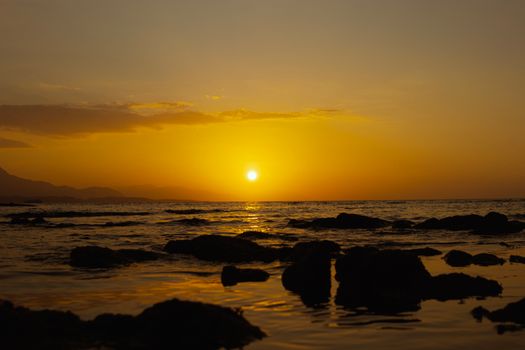
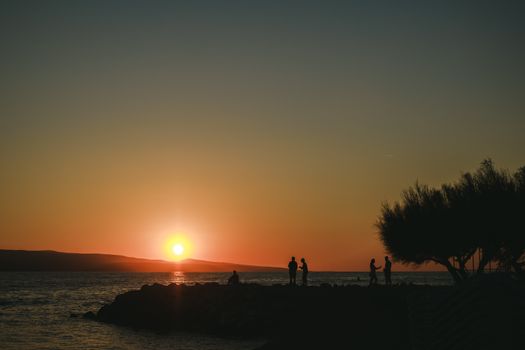
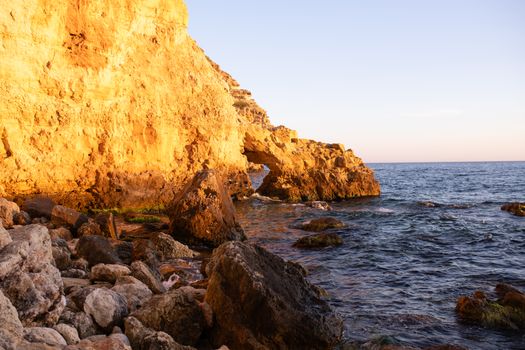
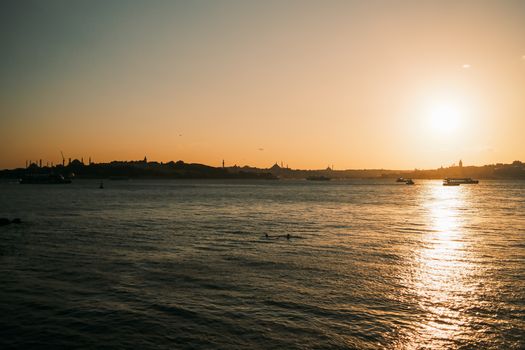
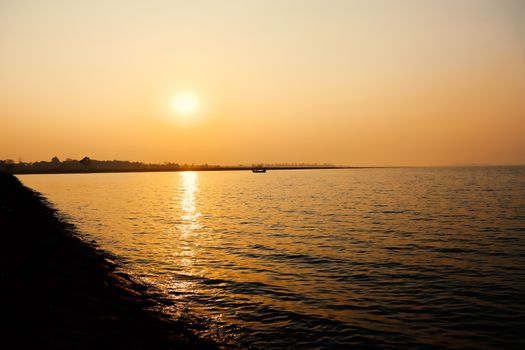
Have you ever stood somewhere, completely enveloped by a symphony of light and color, feeling an almost spiritual connection to the world around you? That, my friends, is the magic of golden hour. It’s that fleeting period just after sunrise or before sunset when the sun’s light is softer, warmer, and casts long, dramatic shadows, transforming even the most familiar landscapes into something extraordinary.
I remember my first truly mind-blowing golden hour experience. It was atop a dusty hill overlooking the ancient city of Petra, Jordan. The sun, a molten orange orb, began its descent, slowly painting the sandstone cliffs in shades of fiery red, deep amber, and soft rose. The iconic Treasury, usually bustling with tourists, took on an almost sacred glow, its intricate carvings seeming to whisper secrets of millennia past. It wasn't just a sunset; it was a performance, a silent, breathtaking spectacle that etched itself into my memory forever. That moment ignited a quest within me: to chase this golden light across the globe.
And chase it I have! From misty mountain peaks to ancient desert dunes, I’ve sought out those perfect spots where golden hour doesn’t just happen – it explodes. So, grab your camera, pack your bags, and prepare to have your mind absolutely blown. Here are my top seven golden hour locations around the world that you simply must experience.
1. Oia, Santorini, Greece: The Iconic Caldera Dream
Let’s start with a classic, shall we? Santorini’s sunsets are legendary, and for good reason. The whitewashed villages clinging to the cliffside, the azure Aegean Sea stretching to the horizon, and the iconic windmills silhouetted against a sky ablaze with color – it’s a postcard come to life. And while it might be crowded, there’s an undeniable, collective gasp that goes through the crowd as the sun finally dips below the caldera, making it an experience unlike any other.
My first time in Oia, I arrived hours early, navigating the labyrinthine streets to find a coveted spot near the famous Kastro. Armed with a glass of local Assyrtiko wine, I watched as the sky slowly transformed. First, soft pastels, then vibrant oranges, fiery reds, and finally, deep purples and blues. The buildings seemed to glow from within, and the sea shimmered like liquid gold. It wasn't just a view; it was a communal celebration of nature's artistry.
Why it blows your mind: The dramatic cliffside architecture, the deep blue of the Aegean, and the sheer vibrancy of the sunset create a truly surreal panorama. Every angle is Instagram-perfect. Practical Tips:
- Arrive Early: Seriously, early. Especially in peak season (June-August). Aim for 2-3 hours before sunset to secure a good spot, particularly around the Kastro ruins or any restaurant with a caldera view.
- Book Ahead: If you want a restaurant table with a prime view, make reservations weeks, if not months, in advance. Expect a premium for these spots.
- Alternative Spots: Don't want the crowds? Consider watching the sunset from a catamaran cruise (approx. €90-150 per person) or from a less crowded village like Imerovigli or Firostefani, which still offer spectacular caldera views.
- Stay for Twilight: The magic doesn't end when the sun disappears. The afterglow, or "blue hour," paints the sky in stunning indigo hues, and the village lights begin to twinkle.
- Cost: While the sunset itself is free, drinks and meals at prime spots can be pricey (cocktails €15-25, dinner €50+ per person).
2. Grand Canyon National Park, USA: Nature's Epic Canvas
From the romantic charm of Greece to the raw, untamed majesty of the American Southwest. The Grand Canyon isn't just big; it's vast, a geological masterpiece carved over millions of years. And at golden hour, this colossal landscape truly comes alive, its myriad layers and textures illuminated in a way that feels almost spiritual.
I've visited the Grand Canyon countless times, but one particular sunset stands out. I was at Mather Point, bundled against the crisp desert air, watching the shadows lengthen and deepen into the canyon's crevices. The reds, oranges, and purples of the rock faces shifted with every passing minute, creating an ever-changing kaleidoscope. It wasn't just a sight; it was an immersive experience, a humbling reminder of nature's incredible power and scale. You feel tiny, insignificant, yet utterly connected to something ancient and profound.
Why it blows your mind: The sheer scale and depth of the canyon, combined with the way the changing light plays off the layered rock formations, create an unparalleled spectacle of color and shadow. Practical Tips:
- Best Viewpoints: Mather Point, Hopi Point (shuttle bus access only during peak season), Mohave Point, and Yavapai Point are excellent for sunset. For sunrise, Lipan Point offers panoramic views.
- Arrive Early: Like Santorini, popular viewpoints fill up. Arrive at least an hour before sunset/sunrise to find parking and a good spot.
- Dress in Layers: Desert temperatures can drop significantly after the sun goes down, even in summer.
- Stay for the Stars: The Grand Canyon is an International Dark Sky Park. After golden hour, stick around for some of the most incredible stargazing you'll ever witness.
- Consider a Hike: For a truly immersive experience, consider a short hike down into the canyon (e.g., Bright Angel Trail) and watch the light change from a different perspective, though be mindful of daylight and energy for the return ascent.
- Cost: Park entrance fee is $35 per vehicle for a 7-day pass.
3. Angkor Wat, Cambodia: Ancient Wonders Bathed in Light
Imagine a silhouette of ancient spires rising majestically against a sky exploding with fiery hues. That's Angkor Wat at sunrise, a golden hour experience that transcends mere beauty and touches upon the sublime. This UNESCO World Heritage site, the largest religious monument in the world, is an absolute must-see for its historical significance and its sheer photographic potential.
My alarm went off at 4:00 AM, a brutal awakening, but one I knew would be worth it. We arrived at Angkor Wat in the pre-dawn darkness, joining a quiet procession of fellow travelers to the famous reflection pond. As the first hint of light appeared, painting the sky in soft mauves and pinks, the temple slowly emerged from the gloom. Then, as the sun finally peeked over the horizon, it cast a golden glow over the ancient stones, illuminating the intricate carvings and creating a mirror image in the still water. It felt like stepping back in time, a moment of profound peace and wonder.
Why it blows your mind: The iconic silhouette of the temple against the dramatic sunrise colors, perfectly reflected in the water, is a truly spiritual and unforgettable sight. Practical Tips:
- Wake Up Early (Seriously): You'll need to leave your hotel in Siem Reap around 4:30-5:00 AM to get a good spot.
- Get Your Pass the Day Before: To save time, buy your Angkor Pass (1-day $37, 3-day $62) the afternoon before your sunrise visit.
- Location, Location, Location: The most famous sunrise spot is in front of the main temple, where the reflection ponds offer stunning photo opportunities. However, the crowds can be immense. Consider exploring other areas within the complex, like Angkor Thom or Ta Prohm, for sunset, which are less crowded and equally magical.
- Dress Code: Remember, this is a religious site. Shoulders and knees must be covered.
- Bring a Torch/Flashlight: It will be dark walking to your spot.
- Cost: Angkor Pass as mentioned above. Tuk-tuk drivers for the day typically charge $15-25, depending on the route.
4. Wadi Rum, Jordan: Desert's Fiery Embrace
If you've ever dreamt of an otherworldly landscape, Wadi Rum is it. This vast desert wilderness, often called the "Valley of the Moon," is characterized by towering sandstone mountains, dramatic rock formations, and endless dunes. And when the sun kisses this landscape goodbye or greets it anew, the desert literally glows with an intensity that will steal your breath.
My experience in Wadi Rum was transformative. After a day of exploring the desert in a 4x4 with a local Bedouin guide, we climbed a towering dune just as the sun began its descent. The sand, already a rich ochre, turned to liquid gold, then fiery orange, and finally, a deep, velvety red. The shadows stretched out like abstract art, and the silence was profound, broken only by the gentle desert breeze. Later, we slept under a blanket of a million stars in a Bedouin camp – a truly unforgettable golden hour and night sky experience.
Why it blows your mind: The unique red sand and towering rock formations catch the light in an extraordinary way, creating a Martian-like landscape that feels ancient and untouched. Practical Tips:
- Book a Tour: The best way to experience Wadi Rum is with a local Bedouin guide. They know the best spots for sunrise/sunset and can arrange overnight stays in desert camps (approx. $50-100 per person per night, including meals and tours).
- Sunset vs. Sunrise: Both are spectacular. Sunset often allows for more relaxed viewing after a day of exploration. Sunrise is incredibly peaceful.
- Photography: The contrasting colors of the red sand and the blue sky make for incredible photos. Don't forget to capture the long shadows.
- Dress for the Desert: Layers are key. Days can be hot, but nights get chilly. Bring a headscarf for sun and dust protection.
- Stay Overnight: To truly appreciate the tranquility and the incredible stargazing, an overnight stay in a desert camp is highly recommended.
- Cost: Entry to Wadi Rum Protected Area is 5 JD (approx. $7). Tour and accommodation costs vary widely.
5. Machu Picchu, Peru: Mystical Peaks & Golden Mists
Perched high in the Andes Mountains, the ancient Inca citadel of Machu Picchu is already a place of profound mystery and awe. But add the ethereal light of golden hour, often accompanied by swirling mists, and you have an experience that feels truly out of this world. It’s a moment where history, nature, and raw beauty converge.
I remember the long, arduous journey to Machu Picchu – the early morning train, the bus winding up the steep road. But all fatigue vanished the moment I stepped through the entrance and saw the iconic ruins for the first time, partially shrouded in a mystical mist. We waited patiently as the sun slowly broke through, painting the peaks in a soft, golden glow. The mist danced and swirled, revealing and concealing parts of the citadel, creating an ever-changing, dreamlike tableau. It felt like witnessing a secret, a sacred place awakening.
Why it blows your mind: The combination of ancient ruins, dramatic mountain peaks, and often-present mists creates a magical, almost spiritual atmosphere as the sun's golden rays pierce through. Practical Tips:
- Book in Advance: Machu Picchu tickets and train tickets sell out months in advance, especially for popular time slots.
- Early Morning Slot: Aim for one of the earliest entry slots (6:00 AM) to experience the sunrise and beat the biggest crowds.
- Hike Huayna Picchu or Machu Picchu Mountain: If you're fit and adventurous, secure a permit to hike one of these peaks for an even more breathtaking, elevated view of the citadel at golden hour. These permits are extremely limited.
- Dress in Layers: Mountain weather can change rapidly. Bring rain gear, even if the forecast is clear.
- Acclimatization: Spend a few days in Cusco (11,000 ft / 3,400 m) before heading to Machu Picchu (8,000 ft / 2,430 m) to avoid altitude sickness.
- Cost: Machu Picchu entrance ticket is approximately $45-50 USD. Train tickets from Ollantaytambo or Cusco range from $60-150+ return. Bus from Aguas Calientes to Machu Picchu is $12 one way.
6. Isle of Skye, Scotland: Rugged Beauty, Ethereal Glow
From ancient Inca cities to the dramatic, windswept landscapes of Scotland. The Isle of Skye, with its mystical lochs, jagged mountains, and fairy-tale glens, is a place where golden hour takes on a wild, untamed beauty. The light here is often soft, diffused, and utterly ethereal, transforming the already stunning scenery into something truly magical.
My trip to Skye was a constant chase of the light. One evening, after a day of hiking the Old Man of Storr, we found ourselves at the Fairy Glen near Uig. The quirky, conical hills and miniature landscapes were already enchanting, but as the sun began to dip, casting long, dramatic shadows and bathing the emerald green in a warm, golden hue, it felt like stepping into a land of myths and legends. The air was crisp, the silence profound, and the beauty was almost overwhelming. It was a golden hour that felt ancient and alive.
Why it blows your mind: The dramatic, rugged landscapes – from the Old Man of Storr to the Quiraing and the Fairy Pools – are perfectly complemented by the soft, often dramatic golden light, creating a truly atmospheric and otherworldly scene. Practical Tips:
- Weather is Fickle: Be prepared for all four seasons in one day! Pack waterproofs, warm layers, and sturdy hiking boots. Golden hour can appear dramatically after a storm.
- Best Spots: The Old Man of Storr, the Quiraing, Neist Point Lighthouse, and the Fairy Glen are all incredible for golden hour photography.
- Rent a Car: This is the best way to explore Skye and chase the light at your own pace. Roads can be narrow, so drive carefully.
- Stay Flexible: Don't plan your golden hour spots too rigidly. The best views often reveal themselves spontaneously as the weather changes.
- Embrace the Mood: The often-moody weather of Skye only adds to its charm during golden hour, creating dramatic skies and incredible contrasts.
- Cost: Mostly free to explore the natural landscapes, but expect to pay for parking at popular spots (e.g., £5-10). Car rental and accommodation are your main expenses.
7. Sahara Desert, Morocco: Endless Dunes, Fiery Skies
Finally, let's return to the desert, but this time, the vast, undulating expanse of the Sahara. The sheer scale of the dunes, stretching as far as the eye can see, combined with the incredibly rich colors of a desert sunset or sunrise, creates a golden hour experience that is both humbling and exhilarating.
My most cherished Sahara golden hour memory is from a camel trek near Merzouga. We rode our camels up a towering dune, the sand surprisingly cool beneath our feet. As the sun began its descent, the entire world seemed to ignite. The dunes, normally a uniform beige, transformed into waves of orange, red, and purple, their crests sharply defined against the darkening sky. The silence was absolute, save for the gentle rustle of wind and the soft padding of the camels. It was a moment of pure, unadulterated beauty, feeling utterly insignificant yet profoundly connected to the vastness of the Earth.
Why it blows your mind: The incredible scale of the ever-shifting dunes, the rich, warm colors of the sand, and the profound silence create a deeply immersive and unforgettable golden hour spectacle. Practical Tips:
- Book a Desert Tour: Most travelers experience the Sahara via an organized tour from Marrakech or Fes to Merzouga or Zagora, including camel treks and overnight stays in desert camps (approx. €100-300 for 2-3 days).
- Camel Trek is a Must: Riding a camel over the dunes as the sun rises or sets is an iconic and truly magical experience.
- Bring Water and Sun Protection: The desert can be brutally hot and dry. Stay hydrated and protect yourself from the sun.
- Protect Your Camera: Sand and dust are everywhere. Keep your camera in a sealed bag when not in use.
- Stay Overnight: Sleeping under the stars in a traditional Bedouin camp is a highlight and allows you to experience both sunset and sunrise.
- Cost: Tour prices vary greatly depending on duration, comfort level, and starting point.
Your Golden Hour Playbook: Practical Tips for Chasing the Light
Chasing golden hour is more than just showing up; it's about preparation and presence. Here are some actionable tips to make your golden hour experiences truly unforgettable:
- Plan Ahead, But Be Flexible: Check sunrise/sunset times for your location using apps like PhotoPills or simply a quick Google search. Aim to arrive at your chosen spot at least 60-90 minutes before sunset or before sunrise to scout, set up, and soak it all in.
- Scout Your Location: If possible, visit your chosen spot during the day. Look for interesting foreground elements, leading lines, and compositions. This saves precious time when the light is perfect.
- Dress for Success: Layers are your best friend. Even in warm climates, temperatures can drop significantly once the sun dips. A light jacket or scarf can make all the difference.
- Photography Essentials:
- Tripod: Essential for sharp, low-light photos, especially if you want to experiment with longer exposures.
- Wide-Angle Lens: Great for capturing expansive landscapes and dramatic skies.
- Shoot in RAW: This gives you maximum flexibility for editing and recovering detail in shadows and highlights.
- Manual Mode: Learn to use it! It gives you full control over exposure.
- Composition: Look for interesting foregrounds, use the rule of thirds, and don't be afraid to experiment with silhouettes.
- Phone Photography: Even your smartphone can capture stunning golden hour shots. Use grid lines for composition, tap to focus, and adjust exposure manually. Many phones have excellent 'night mode' or 'pro mode' settings.
- Be Present: While getting that perfect shot is tempting, remember to put your camera down for a few minutes and simply experience the moment. The feeling, the sounds, the atmosphere – these are what truly make a golden hour memory.
- Safety First: Be aware of your surroundings, especially in remote locations or crowded areas. Don't venture too close to cliffs or dangerous edges for a photo.
- Respect Local Culture & Environment: Leave no trace, respect local customs, and be mindful of noise, especially at sacred sites.
Ready to Chase the Glow?
Golden hour isn't just a time of day; it's a feeling, a phenomenon that reminds us of the incredible beauty and wonder our world holds. From the iconic sunsets of Santorini to the ancient magic of Angkor Wat, these locations offer more than just a view – they offer an experience that will resonate deep within your soul.
So, what are you waiting for? Start planning your next adventure, pack your bags, and prepare to witness the world's most spectacular light show. Which of these mind-blowing golden hour locations will you conquer first?
Share your favorite golden hour memories with us in the comments below! And don't forget to tag #TripsoraGoldenHour on your Instagram photos so we can see your incredible captures! Happy travels, fellow light-chasers!
---