The Whispering Waters: Unearthing the World's Most Sacred Secret Hot Springs
There’s a certain magic in discovery, isn’t there? That thrill of venturing beyond the well-trodden path, of following a faint rumor, a cryptic map, or perhaps just an instinct, to stumble upon something truly extraordinary. For me, that magic has often led to the most exquisite hidden hot springs on Earth – places so secluded, so pristine, they feel like nature’s private spas, kept secret by the whispers of those lucky enough to find them.
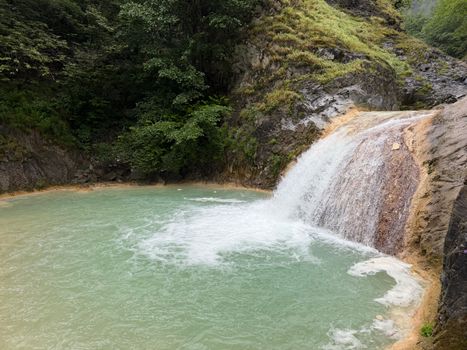
I remember my first "true" hidden spring. It wasn't in some far-flung corner of the world, but tucked away in a remote corner of my own country, known only to a handful of local hikers. After a grueling five-mile trek through dense forest, just as the sun began to dip below the horizon, painting the sky in fiery hues, I heard it – the soft murmur of water. Rounding a bend, there it was: a perfectly clear, steaming pool, nestled amongst moss-covered rocks, fed by a waterfall that cascaded from a cliff above. The air was crisp, the silence profound, broken only by the chirping of crickets and the gentle splash of the falls. As I sank into the naturally heated water, every ache from the hike melted away, replaced by a profound sense of peace and wonder. It was more than just a bath; it was an immersion into the wild, a communion with the earth, a memory etched into my soul.
That moment ignited a passion within me – a quest to seek out these elusive geothermal havens. And today, I’m pulling back the curtain (just a little) to share some of the most incredible, off-the-grid hot springs that locals guard fiercely. These aren't your typical resort pools; these are raw, authentic, and utterly unforgettable experiences that will redefine your idea of relaxation.
Are you ready to trade the tourist hordes for true tranquility? Let’s dive in.
1. The Emerald Grotto: Iceland's Volcanic Embrace
Location: Deep within the Snaefellsnes Peninsula, West Iceland (coordinates kept vague for preservation, but ask local guides in Grundarfjörður for whispers of “Græna Lónið”).
Iceland is synonymous with geothermal wonders, but beyond the Blue Lagoon lies a network of smaller, more intimate springs known only to a few. The Emerald Grotto is one such mythical place. Nestled in a secluded valley, accessible only by a moderately challenging hike through lava fields and over a glacial stream, this spring is a true reward for the adventurous.
The Vibe: Imagine a natural pool, roughly 20 feet in diameter, shimmering with an otherworldly emerald hue thanks to mineral deposits and the surrounding moss. Steam rises gently, creating a mystical atmosphere, especially during the colder months. A small, hidden waterfall tumbles into one side, offering a natural hydro-massage. The air, even in summer, carries a crisp, clean scent of tundra and distant sulfur, grounding you instantly.
Why it's Hidden: Its remote location and the need for a 4x4 vehicle to reach the trailhead, followed by a 2-hour hike, deter most tourists. Locals are fiercely protective, sharing its existence only with trusted friends and respectful visitors.
Getting There: From Grundarfjörður, you'll need a rugged 4x4 and a good map (or a local guide). The hike involves crossing uneven terrain and a shallow river, so waterproof hiking boots are essential. There are no signs, just a faint path. Cost: Free, but the journey itself is an investment in time and effort.
Best Time to Visit: Early morning or late evening in summer (June-August) for long daylight hours and fewer people. Winter offers a dramatic, snowy backdrop and the chance to see the Northern Lights while soaking, but the hike is far more challenging and requires expert navigation.
My Anecdote: I visited in early October. The wind was biting, and the walk felt endless. But when I finally saw the steam rising against the backdrop of the snow-dusted mountains, my breath caught. Slipping into the warm, silky water, with snowflakes gently falling around me, was an experience so profound it felt like a dream. The contrast of the freezing air on my face and the blissful warmth enveloping my body was pure magic. I spent an hour there, completely alone, feeling utterly connected to the raw power of Iceland.
Instagram-worthy moment: Capture the emerald water against the stark Icelandic landscape, with steam rising dramatically. Use a wide-angle lens to include the surrounding mossy rocks and distant peaks. #EmeraldGrotto #IcelandHiddenGems #SecretSprings
2. Kapakahi Pools: Hawaii's Jungle Oasis
Location: Secluded valleys on the windward side of Maui, Hawaii (accessible via unmarked trails near Hana).
Hawaii is famous for its beaches, but its lush, volcanic interior holds secrets that few outsiders ever find. The Kapakahi Pools are a series of natural, multi-tiered hot springs carved into volcanic rock, fed by subterranean geothermal activity and rainforest runoff.
The Vibe: This isn't a single pool, but a cascading series of warm-to-hot pools nestled deep within a vibrant, verdant rainforest. Think lush ferns, towering banyan trees, and the constant symphony of tropical birds. Each pool offers a slightly different temperature and depth, some with small waterfalls tumbling into them. The air is thick with humidity and the sweet scent of plumeria and damp earth.
Why it's Hidden: The trails are unmaintained, often muddy, and require navigating dense jungle. Local landowners are wary of over-tourism, so directions are rarely shared publicly. It’s a place that demands respect and a commitment to leave no trace.
Getting There: This is one where true local knowledge is key. You might need to befriend someone in Hana, or find a very specific (and often outdated) guide online that gives general directions to a trailhead. Expect a challenging 1-2 hour hike, often involving rope assists and slippery terrain. Cost: Free.
Best Time to Visit: Dry season (April-October) to avoid excessively muddy trails and flash floods, though the pools are delightful year-round. Go early in the morning to have the place to yourself.
My Anecdote: After a particularly heavy Hawaiian downpour, the trail to Kapakahi was a muddy river. My friend and I slid more than we walked, covered in red dirt by the time we reached the pools. But the sight of those steaming, naturally sculpted basins amidst the dripping jungle was absolutely breathtaking. We spent hours hopping between pools, from a warm, shallow one perfect for lounging to a deeper, hotter one tucked under a fern-covered overhang. The contrast of the cool rain and the hot water, surrounded by the vibrant green of the jungle, felt like being in a primeval paradise.
Instagram-worthy moment: Frame the multiple tiers of pools with the dense jungle canopy overhead. Focus on the rich greens and the steam rising from the water. Maybe a shot of your muddy boots next to the pristine pool. #HawaiiHiddenGems #JungleSprings #KapakahiPools #MauiSecrets
3. The Lost Baths of Patagonia: Andean Geothermal Bliss
Location: High in the remote Andes of Chilean Patagonia, near the border with Argentina (requiring multi-day trekking from Futaleufú or El Chaltén).
Patagonia is a land of extremes and untamed beauty. While many trek its famous routes, few venture deep enough to find its hidden geothermal treasures. The Lost Baths are a series of rustic, naturally formed pools nestled in a high-altitude valley, offering unparalleled views of jagged peaks and glaciers.
The Vibe: This is raw, unadulterated wilderness. The pools themselves are simple rock basins, ranging in size from a large bathtub to a small swimming pool, with temperatures varying based on their proximity to the geothermal source. The air is crisp and thin, carrying the scent of pine and glacial meltwater. The silence is profound, broken only by the wind and the occasional cry of a condor. The surrounding landscape of towering, snow-capped mountains and vast, empty valleys is breathtaking.
Why it's Hidden: This isn't a day trip. It requires a multi-day backpacking expedition into extremely remote terrain. There are no facilities, no signs, and often no clear trails for long stretches. You need serious navigation skills or a local trekking guide.
Getting There: Plan a 3-5 day backpacking trip. From Futaleufú (Chile) or El Chaltén (Argentina), you'll need to hire a guide or be an experienced self-sufficient trekker with wilderness first aid knowledge. Expect river crossings, steep ascents, and unpredictable weather. Cost: Free, but the cost of expedition gear and potentially a guide is significant.
Best Time to Visit: Austral summer (December-March) for the most favorable trekking conditions, though even then, expect rapidly changing weather.
My Anecdote: Our group spent three days trekking through some of the most challenging, yet spectacular, landscapes I’ve ever seen. Rain, sun, sleet – we had it all. On the third afternoon, exhausted and mud-splattered, we crested a ridge to see columns of steam rising from a valley below. The sight was almost hallucinatory. We set up camp, then carefully descended to the pools. Sinking into that steaming water, with the sun setting behind the colossal granite spires of the Andes, felt like the ultimate reward. The warmth seeped into my bones, washing away every ache and doubt. It was a moment of pure, untamed luxury in the heart of the wild. We even saw a puma in the distance later that evening!
Instagram-worthy moment: A panoramic shot of the pools with the dramatic Patagonian peaks in the background, especially during sunrise or sunset. Show the rustic, natural feel of the pools. #PatagoniaAdventure #AndeanSprings #LostBaths #WildernessTravel
4. Sakura Secret Onsen: Japan's Forest Whisper
Location: Deep in the rural mountains of Tohoku region, Honshu, Japan (seek out local "ryokan" owners in forgotten villages for hints about "Himitsu no Onsen").
Japan is famed for its onsen culture, but beyond the well-known resort towns are countless smaller, family-run, or even truly wild onsen that offer a glimpse into a more traditional, spiritual bathing experience. The Sakura Secret Onsen is one such place, a rustic, open-air bath nestled by a pristine river.
The Vibe: This is pure, unadulterated Japanese tranquility. The onsen itself is a simple, stone-lined pool, fed directly by a hot spring source, situated right beside a babbling mountain river. Surrounded by towering Japanese cedars and, in spring, cherry blossoms, it’s a serene escape. The air is clean, carrying the scent of pine and sulfur. The sounds are just the river and the rustling leaves.
Why it's Hidden: It’s located far from major towns, accessible only via narrow, winding mountain roads and a short, steep walk. It’s often maintained by a single, elderly local family or community, who prefer to keep it quiet. Signage is minimal, and usually only in Japanese.
Getting There: Rent a car and use a detailed map. Your best bet is to stay at a small, traditional ryokan (inn) in a nearby village and politely inquire with the owner about lesser-known local onsen. They might give you directions or even offer to take you. Cost: Often a small, honor-system fee (¥200-¥500, about $2-$5 USD) left in a collection box, or free.
Best Time to Visit: Spring (April-May) for cherry blossoms, or autumn (October-November) for stunning fall foliage. Early morning is best for solitude.
My Anecdote: I was staying at a small ryokan in a village so remote, my phone had no signal. After a delicious dinner, the elderly proprietress, who spoke almost no English, sketched a crude map on a napkin and pointed towards the mountains. Following her directions, I drove down a barely-paved road, then walked through a grove of ancient cedars. There it was: a steaming pool, illuminated by a single lantern, beside a rushing river. I stripped down, carefully entered the scalding water, and let out a sigh of pure contentment. The chill night air, the sound of the river, and the ancient trees overhead made it feel like a sacred ritual. I even spotted a shy deer drinking from the river while I soaked.
Instagram-worthy moment: A serene shot of the onsen with steam rising, framed by cherry blossoms in spring or vibrant autumn leaves. Focus on the natural beauty and tranquility. #JapanOnsen #HiddenOnsen #TohokuTravel #SakuraSprings
5. Desert Oasis Springs: America's Southwestern Secret
Location: Deep in the Mojave Desert, near the border of California and Nevada (specific location highly guarded, but hints can be found near Tecopa or Death Valley Junction).
The American Southwest is a land of stark beauty and hidden wonders. While Death Valley itself is famous, its surrounding wilderness holds pockets of geothermal activity that create surprising desert oases. The Desert Oasis Springs are one such gem: a collection of natural hot pools amidst rugged, sun-baked landscapes.
The Vibe: This is raw desert beauty. The pools are often simple, naturally formed depressions in the earth, sometimes reinforced with rocks by previous visitors. The water is mineral-rich and wonderfully warm, a stark contrast to the vast, arid surroundings. The air is dry and warm, smelling faintly of sulfur and creosote bush. At night, the star show is unparalleled, with the milky way stretching across the inky black sky.
Why it's Hidden: Extreme isolation, rough dirt roads requiring high-clearance 4x4 vehicles, and no cell service. The heat in summer is brutal, making access challenging for most. Locals and long-time desert dwellers are very protective of these fragile ecosystems.
Getting There: This requires serious planning. A high-clearance 4x4 with extra fuel, water, and emergency supplies is essential. Carry detailed topographical maps and a satellite communication device. Look for very faint tracks off established (but still unpaved) roads. Cost: Free.
Best Time to Visit: Late fall to early spring (October-April) to avoid the extreme summer heat. Winter nights are cold, making the hot springs even more inviting.
My Anecdote: My trip to the Desert Oasis Springs was an exercise in self-reliance. After hours of driving on washboard roads, navigating by GPS coordinates given to me by a seasoned desert explorer, I finally spotted the tell-tale shimmer of water. There were three small pools, each a slightly different temperature, surrounded by sagebrush and distant mountains. I spent the entire night there, soaking under a blanket of a million stars, feeling utterly insignificant and yet completely at peace. The silence was absolute, broken only by the occasional howl of a coyote. It was a profound reminder of nature's vastness and generosity.
Instagram-worthy moment: A night shot of the steaming pool under a clear, star-filled desert sky, perhaps with the silhouette of distant mountains. Or a daytime shot emphasizing the contrast of the green oasis against the stark desert. #DesertSprings #MojaveHiddenGems #Stargazing #OffGridAdventure
How to Find Your Own Hidden Hot Spring (and Respect It!)
Finding these elusive spots isn't about following a simple Google Maps pin. It's about embodying the spirit of discovery and respecting the places you find.
- Ask Locals (Respectfully): This is the golden rule. Strike up conversations with people in small towns. Buy coffee, share a meal, and once you've built a rapport, casually ask about local "swimming holes" or "special places." Be prepared for them to be hesitant – earn their trust.
- Go Analog: Forget Google. Look for older guidebooks, local hiking forums (often in the native language), or even old-fashioned paper maps with topographical details. Sometimes, a faint dotted line is all you need.
- Utilize Satellite Imagery & Offline Maps: Apps like Gaia GPS or Maps.me, combined with satellite views, can reveal faint trails or tell-tale steam plumes. Download maps offline before you go.
- Practice "Leave No Trace": This is paramount. Pack out everything you pack in. Do not use soap or shampoo in natural springs. Stay on existing trails. Do not litter. Do not damage vegetation. These places are pristine because they are respected.
- Safety First: Many hidden springs are in remote areas. Inform someone of your itinerary. Carry a first-aid kit, plenty of water, food, and appropriate gear. Be aware of wildlife. Check weather conditions. And never go alone if it's truly remote.
- Respect Privacy: If you arrive and find locals already there, be mindful. Give them space. If it feels like a private family gathering, it might be best to move on. These aren't public parks.
- Share Wisely (or Not at All): The reason these places remain hidden is often due to the discretion of those who find them. If you share details online, consider doing so vaguely (e.g., "a spring in X region") rather than exact coordinates. Protect these treasures.
The Call of the Geothermal Wild
There's something deeply primal and profoundly healing about soaking in a natural hot spring, especially one that requires effort and a spirit of adventure to find. It's a reminder that the most precious experiences often lie just beyond our comfort zones, waiting to be discovered. These aren't just places to soak; they're portals to connection – with nature, with locals, and with your own adventurous spirit.
So, pack your bags, lace up your hiking boots, and let the whispers of the earth guide you. The next time you plan a trip, look beyond the guidebooks and tourist traps. Ask around, explore, and you might just stumble upon your own secret slice of geothermal paradise. And when you do, remember the sacred trust of discovery: cherish it, protect it, and let its magic transform you.
Have you ever stumbled upon a truly hidden hot spring? Share your (vague!) stories and experiences in the comments below – we'd love to hear about your adventures in the wild!
---