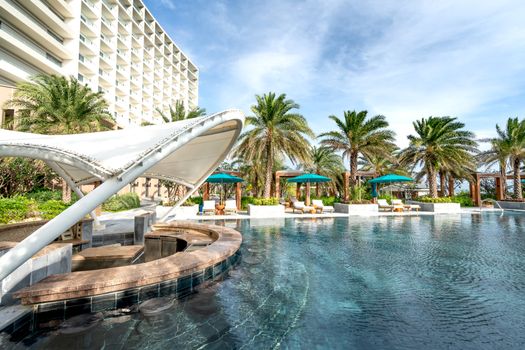
Some hotels feel like airports with beds: tidy, anonymous and strangely empty of anyone who lives nearby. Others hum with life. A neighbourhood chef is behind the bar, someone is working on a laptop at a corner table, a local band is setting up in the lobby and the person next to you ordering coffee is clearly a regular. The difference is often a deliberate choice. Many hotels over the past decade have shifted their focus from serving only travelers to serving the neighbourhood too, and guests have benefited.
This article looks at why that shift happens, what it looks like in practice, how to spot a hotel that has made it work and how to pick one for your own trip. There are no precise numbers here, because the trend is better understood through what you can observe than through statistics. Details such as opening hours, menus and events change often, so check each hotel's current information before you plan around them.
Why Hotels Started Welcoming Locals
A hotel that relies entirely on visitors has a built-in weakness: it is only busy when tourists are. When travel slowed sharply during the pandemic years, many properties discovered how fragile that model was. Those that already had local customers, such as a popular restaurant or a bar with regulars, held up better, and many others started courting their neighbours for the first time.
The business logic is simple. Locals fill restaurants on weekday evenings, rent function rooms for celebrations, buy coffee in the morning and come back again and again. In return the hotel gains a livelier atmosphere, more reliable income and a reputation that spreads through word of mouth rather than only through booking sites.
For guests, the effect goes beyond atmosphere. When a place has to satisfy people who live around the corner, it cannot rely on a one-time visitor's forgiving attitude. The food has to be good, the service has to be warm and the design has to feel like it belongs somewhere.
What a Local-Friendly Hotel Looks Like
There is no single formula, but you will notice patterns.
- A restaurant or bar that locals actually use. Not just a breakfast room, but a place with its own identity and often its own entrance.
- Public spaces that invite lingering. Comfortable seating in the lobby, a library corner, a garden or rooftop open to non-guests.
- Work-friendly areas. Tables with outlets and reliable Wi-Fi where remote workers from the neighbourhood spend their days.
- Events. Live music, tastings, markets, exhibitions or talks that appeal to residents.
- Partnerships with local makers. Coffee from a nearby roaster, bread from a neighbourhood bakery, art by regional artists and products from local producers in the shop or minibar.
- Staff who know the area. Not rehearsed recommendations, but real suggestions for where to eat and what to do.
- Design that reflects the place. Materials, art and furnishings that suggest a specific city, not a generic international style.
Examples of the Approaches You Might Find
Rather than naming specific properties that may change, here are the main models, with the kinds of destinations where they tend to appear.
The hotel as neighbourhood living room
Many small boutique hotels in cities such as Lisbon, Copenhagen, Mexico City and Melbourne have lobbies that work as cafes during the day and bars at night. Guests and locals share the same space, and the buzz makes the hotel feel connected to the city around it.
The hotel with a destination restaurant
Some properties, from country inns in Italy to converted townhouses in London, build around a chef-driven restaurant. Locals book tables weeks ahead and hotel guests happen to be able to walk upstairs to bed. Staying in such a place usually means better dinners than a generic hotel restaurant could offer.
The hotel as cultural venue
Some hotels host exhibitions, concerts, film nights or markets. This is common in places with strong creative communities. If a hotel publishes an events calendar, that is a good sign it is serious about local life.
The hotel with workspace and membership options
Hotels in business or creative districts sometimes offer day desks, memberships for pools or gyms, or meeting rooms to locals. This keeps public areas active during quieter travel periods and gives guests a lively daytime environment.
The rural inn that anchors a village
In smaller communities, a hotel or inn may serve as the pub, restaurant and gathering place all in one. Staying there is often the quickest way to meet people and understand local life.
How Guests Benefit
The shift toward locals is not only a business story. It changes the experience of staying.
- Better food and drink. Restaurants that must win over residents tend to have more thoughtful menus and better value than purely captive-audience dining rooms.
- A stronger sense of place. You see how people in the city actually spend their evenings.
- More natural recommendations. Staff and regulars can point you to nearby spots that guidebooks miss.
- Safer, livelier surroundings. Public areas that are active throughout the day often feel more welcoming, particularly if you are travelling alone.
- Less isolation. For solo travelers, a hotel bar or cafe where conversation is normal can be a gentle way to meet people.
- Atmosphere in the low season. When tourists thin out, local clientele keeps the place from feeling empty.
Possible Downsides
It is not all upside, so go in with realistic expectations.
- Noise. A lively bar or event space can carry sound into rooms. Ask about room location and noise policies.
- Crowding. A popular spot may be busy at peak times, and getting a table at the hotel restaurant could require a booking.
- Less anonymity. If you prefer a quiet, impersonal stay, a buzzing hotel may feel like too much.
- Mixed quality. Some hotels add a trendy cafe without real commitment to the neighbourhood. The label does not guarantee substance.
How to Spot One Before You Book
You can learn a lot from a few minutes of research.
- Look at photos of public spaces, not just bedrooms. Do they show locals, tables full of people and varied uses?
- Read reviews from residents. Local-language reviews and map-site comments often mention whether the restaurant is a favourite among locals.
- Check the restaurant separately. Does it have its own website, menu and reservation system? That suggests it stands on its own.
- Look for an events page or social feed. Active posting about concerts, workshops or tastings is a good sign.
- See who the suppliers are. Mention of local farms, bakers and roasters points to real partnerships.
- Ask a question. Email the hotel and ask what locals love about it. A thoughtful reply tells you plenty.
- Check the neighbourhood. Hotels that sit within walkable residential areas usually integrate more naturally than ones in isolated tourist zones.
Making the Most of Your Stay
Once you are there, a few habits help you benefit from the local scene.
- Eat at the hotel restaurant at least once, ideally on a weekday evening when locals dominate.
- Ask staff for their own favourite places, from bakeries to bars.
- Use the public spaces. Work in the cafe for a morning, or read in the lobby.
- Check the events calendar and plan around a concert, tasting or market.
- Be respectful. You are a guest in a space shared with neighbours. Keep noise reasonable and be friendly.
- Buy local products. Many of these hotels sell items made nearby, which makes good gifts.
A Note on Responsible Travel
Staying in a hotel that welcomes locals usually means more of your spending stays in the community, since local suppliers, staff and artists are part of the model. Look for transparency, such as hiring from the area, fair treatment of workers and partnerships with local businesses. Labels like community-focused are marketing terms unless backed by evidence, so look for specifics.
Frequently Asked Questions
Are these hotels more expensive? Not necessarily. Prices depend on location, season and category. Some local-friendly hotels are boutique and priced accordingly, while others are modest guesthouses or inns. Compare rates and consider the value of meals and atmosphere.
Will it be too noisy? Sometimes. Check reviews for comments about noise, and request a quiet room away from bars or event spaces.
Do I need to book the restaurant in advance? For popular places, yes. Reserve when you book your room if dining is a priority, and check current opening hours.
How do I know it is not just marketing? Look for concrete signs: local-language reviews, named suppliers, a real events program and public spaces that are visibly used by non-guests.
Summary
Hotels that turned toward their neighbours have often become better places to stay. A restaurant that satisfies locals, public spaces that invite lingering and staff who know the area all add up to a richer trip. Spot them by looking beyond bedroom photos to restaurants, events, suppliers and who is actually using the space. Ask about noise, reserve ahead for popular dining and use the shared areas. When a hotel feels like part of its neighbourhood, so will you.