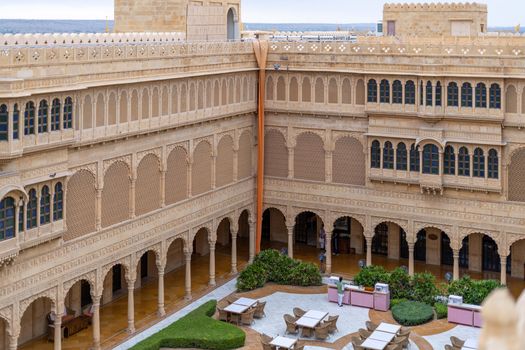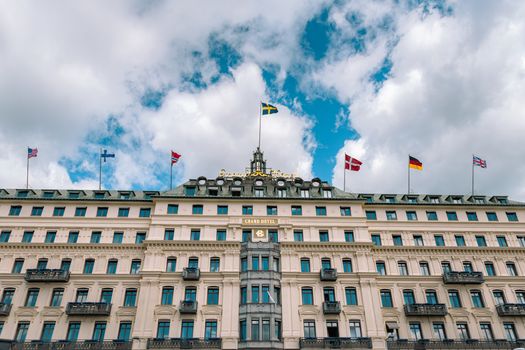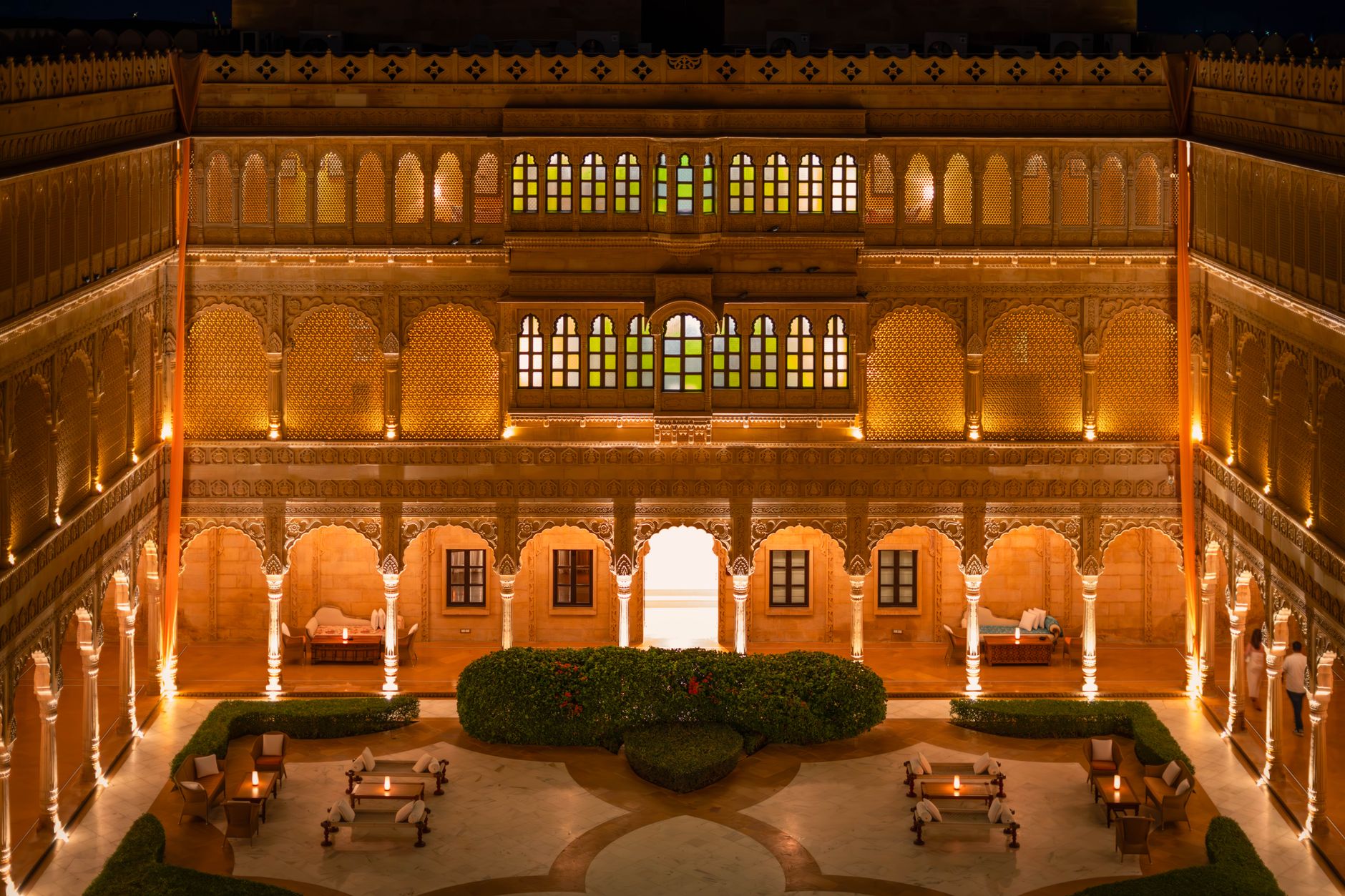
The air in the "Roman Senator's Chambers" at The Chronos Manor in Siena, Italy, was thick with the scent of aged cedar and something subtly herbaceous, like dried rosemary. Sunlight, filtered through heavy, ochre-colored linen drapes, cast long shadows across the mosaic floor. I traced the intricate patterns of a fresco on the wall, depicting a bustling forum scene, and for a fleeting moment, I wasn't a modern travel blogger with a smartphone in my pocket, but a curious patrician, awaiting news from the Senate.
That, my friends, was my first taste of a phenomenon I predict will be the next big thing in experiential travel: boutique hotels where every single room is meticulously designed to represent a different historical century. Forget a generic "period-style" room; we're talking full immersion, from the ancient world to the roaring twenties, all under one roof. And trust me, you want to experience these hidden gems before they become mainstream.
What Exactly Are These "Century Hotels"? More Than Just Antiques
Let's be clear: we're not talking about your grandma's B&B with a few antique armoires. These "century hotels" are a whole new breed. Imagine a multi-story building where each floor, or even each room, is a distinct portal to a different era. One door might open to a 1st-century Roman villa, complete with frescoes, marble accents, and perhaps even a hidden, period-appropriate bath. The next could reveal a 12th-century medieval chamber, with heavy tapestries, rough-hewn timbers, and a grand, four-poster bed that looks straight out of a knight's tale.
The concept goes beyond mere decor. It's about crafting an atmosphere. Think about the lighting: soft, flickering lamps in a Baroque room versus the bright, geometric lines of an Art Deco suite. Consider the textures: coarse woolens and stone in a Viking-inspired space, or plush velvets and polished woods in a Victorian parlor. Some hotels even go so far as to offer period-specific amenities (or cleverly hide modern ones) to enhance the illusion. You might find a vintage gramophone playing jazz in your 1920s room, or a scroll and quill set on a desk in your Renaissance study. It's a commitment to storytelling through design, offering a truly unique and deeply personal journey through time.
Why is this trend emerging now? In a world saturated with identical chain hotels and increasingly homogenized travel experiences, travelers are craving authenticity, novelty, and a deeper connection to the places they visit. These century hotels tap into our innate curiosity about the past, offering a tangible way to "live" history, even if just for a night or two. It's about creating memories that are not just Instagram-worthy, but profoundly personal and unforgettable.
My First Foray: The Chronos Manor – Siena, Italy
My discovery of The Chronos Manor was purely serendipitous. I was researching hidden gems in Tuscany, tired of the usual agriturismo scene (lovely, but I wanted more). A small, intriguing mention on a niche travel forum caught my eye: "a hotel where time literally stands still." Intrigued, I dug deeper and found myself booking a stay in a beautifully restored 16th-century palazzo nestled in the heart of Siena.
The Chronos Manor, as I later learned, was the passion project of an eccentric historian and interior designer, Signora Isabella Rossi. Each of its ten rooms was a meticulously curated journey. My "Roman Senator's Chambers" (1st Century AD) was just the beginning.
My partner, Alex, booked the "Renaissance Painter's Studio" (15th Century). When I visited his room, I gasped. Sunlight streamed through a tall arched window, illuminating an easel with a half-finished canvas, scattered paintbrushes, and a palette of rich pigments. The bed was a simple, sturdy wooden frame with crisp white linens, and a heavy wooden chest sat at its foot. I could almost smell turpentine and hear the quiet scratch of a quill on parchment. It wasn't just a room; it was an invitation to inhabit a moment in history.
We spent hours exploring each other's rooms, pointing out details – the hidden modern outlets subtly disguised as part of the decor, the period-appropriate books on the shelves, the specific textures of the fabrics. The "Baroque Aristocrat's Boudoir" (17th Century) was all opulent velvet, gilded mirrors, and dramatic, heavy drapes. The "Belle Époque Salon" (19th Century) felt like stepping into a Parisian apartment from a bygone era, with intricate wallpaper, delicate furniture, and a charming balcony overlooking a cobbled street.
The prices at The Chronos Manor ranged from €300 for a simpler medieval room to €700 for the more elaborate Roman or Renaissance suites. While not cheap, for the level of immersion and detail, it felt like an absolute steal. It’s an experience that transcends a typical hotel stay, offering a genuine sense of wonder and discovery.
Beyond Europe: A Glimpse Across Continents
While Europe, with its rich history, is a natural playground for this concept, the idea is slowly but surely spreading. Imagine the possibilities!
The Silk Road Echoes – Bukhara, Uzbekistan: This fictional gem, inspired by my travels through Central Asia, would offer rooms steeped in the region's ancient trading past. Imagine an "Ancient Sogdian Merchant's Dwelling" (7th Century) with low, cushioned seating, intricate textile hangings, and a scent of spices. Or a "Timurid Scholar's Retreat" (14th Century) with calligraphic art, a divan for contemplation, and a hidden alcove for reading ancient texts. My imagined price point here would be around $200-$500, offering a different kind of historical luxury.
The Epoch House – New Orleans, USA: This imagined boutique hotel would capture the vibrant, layered history of the Crescent City. Think an "18th Century Colonial Creole Quarter" room with wrought iron details, dark wood, and a sense of old-world charm. Or an "Antebellum Plantation Suite" (early 19th Century) with elegant, flowing fabrics, four-poster beds, and a grand, airy feel. And, of course, a "Jazz Age Speakeasy" (early 20th Century) room, complete with a hidden bar, velvet banquettes, and the faint, imagined echo of saxophone music. Prices here might range from $350-$800, reflecting the city's unique blend of history and hospitality.
These examples illustrate the incredible potential for cultural interpretation. A "century" in Japan might evoke a serene Edo-period tea house, while in Mexico, it could be a vibrant colonial hacienda. The beauty of this trend is its adaptability and the endless possibilities for unique, culturally resonant experiences.
The Art of Time Travel: What to Expect & How to Choose Your Era
So, you're ready to dive into the past? Here’s how to make the most of your journey:
- Do Your Research (Thoroughly!): These hotels are often small, independently owned, and have a unique booking process. Look beyond the main photos. Many will have detailed descriptions and photo galleries for each individual room. Read reviews that specifically mention the room themes.
- Embrace (or Understand) the Authenticity: Some rooms might prioritize historical accuracy over modern convenience. A medieval room might have a grand, but slightly firmer, bed. A 17th-century room might have fewer electrical outlets (though most reputable hotels will discreetly integrate modern necessities). If you're a creature of modern comforts, make sure the room's description mentions hidden amenities like Wi-Fi or air conditioning.
- Choose Your Era Wisely: What historical period truly fascinates you? Do you dream of Roman opulence, Renaissance artistry, Victorian elegance, or the vibrant energy of the Roaring Twenties? Your choice will profoundly shape your experience. Don't just pick the prettiest room; pick the century that sparks your imagination.
- Book Ahead, Way Ahead: Because these hotels are niche and often small, specific rooms (especially the most popular centuries) can book up months in advance. If you have your heart set on a "Gatsby Suite" or a "Tudor Chamber," don't hesitate!
- Ask Questions: Don't be shy about contacting the hotel directly. Ask about specific room details, amenities, or any special features. The staff at these unique establishments are often passionate about their hotel's concept and can offer valuable insights.
Making Your Stay Instagram-Worthy (and Truly Memorable)
These hotels are practically designed for social media, but also for deep personal enrichment. Here’s how to maximize both:
- Dress the Part (Optional, but Fun!): Seriously, consider packing a few period-appropriate accessories or even a full outfit. Imagine a flowing toga in your Roman room, a lace-trimmed gown in your Victorian boudoir, or a flapper dress in your Art Deco suite. The photos will be epic, and it deepens the immersive experience.
- Utilize the Lighting: Historical rooms often have unique lighting – think natural light through stained glass, the glow of chandeliers, or the soft ambiance of period lamps. Experiment with angles and natural light for stunning, atmospheric photos.
- Focus on Details: Don't just snap wide shots. Zoom in on the intricate carvings, the antique books, the unique textures of the fabrics, the period-specific artwork. These small details tell a huge story.
- Engage with the Narrative: Don't just sleep there; live there. Read a book that's set in your chosen era. Listen to music from that time. Write in a journal about what it feels like to be surrounded by history.
- Explore the Local Connection: Many of these hotels are situated in historically rich areas. After spending a night in a medieval room, visit a local castle or a preserved old town. Let your hotel experience seamlessly flow into your exploration of the destination.
- Interact with the Staff: The people who run these hotels are often passionate historians or collectors. They might have fascinating stories about the artifacts in your room or the inspiration behind its design.
Why Now is the Time to Book (Before the Secret's Out!)
The allure of these century hotels lies in their novelty and exclusivity. They offer a unique blend of history, design, and personalized experience that you simply won't find in mainstream accommodations. As word spreads, and trust me, it will, these boutique treasures will go from being whispered secrets among discerning travelers to highly coveted, difficult-to-book destinations.
This isn't just a trend; it's a movement towards more meaningful, more immersive travel. It's about not just seeing history, but feeling it, touching it, and living in it, even if just for a night. It's about creating stories that are so vivid, they feel like memories from another life.
So, what are you waiting for? Don't just dream of stepping back in time – book your passage. Discover the magic of hotels where every room is a different century, and claim your piece of history before these extraordinary stays become mainstream and every century is booked solid. Your next great adventure, a journey through time itself, awaits!
---